
Instant powdered products such as beverage mixes, nutritional supplements, meal replacements, and functional food powders require excellent solubility and dispersion to meet consumer expectations. Poor dissolution, sedimentation, or clumping can quickly damage brand perception, even if the nutritional profile is strong.
To overcome these challenges while maintaining clean-label and organic positioning, many manufacturers are turning to organic dextrose as a core carbohydrate and functional ingredient.
1. Why Solubility Matters in Powdered Products
Consumers expect instant powders to dissolve quickly and evenly, whether mixed with water, milk, or plant-based beverages. Poor solubility can lead to:
- Gritty mouthfeel
- Uneven sweetness or flavor distribution
- Visible sediment or floating particles
- Increased consumer complaints and returns
For manufacturers, these issues often result in reformulation costs, added processing steps, or additional excipients. Organic dextrose offers a simple and effective solution.
2. What Makes Organic Dextrose Highly Soluble?
Organic dextrose is a monosaccharide (glucose) with a simple molecular structure. This gives it several natural advantages:
- Rapid water affinity, allowing quick dissolution
- Low tendency to crystallize in finished beverages
- Uniform particle behavior in powder blends
- Stable performance across temperature ranges
Compared with more complex carbohydrates or syrups that require pre-dissolving, organic dextrose dissolves almost instantly, even in cold liquids.
3. Improving Powder Dispersion and Flowability
Beyond solubility, dispersion is equally important. Organic dextrose helps improve dispersion by:
- Acting as a carrier ingredient for vitamins, minerals, and plant extracts
- Reducing ingredient segregation during blending
- Enhancing powder flowability during filling and packaging
- Supporting uniform dosing in single-serve sachets
These properties are especially valuable in highly functional formulas that contain proteins, fibers, or micronutrients.
4. Functional Benefits Across Instant Product Categories
Organic dextrose is widely used in:
- Instant beverage powders
- Sports and hydration mixes
- Meal replacement and nutrition shakes
- Electrolyte and recovery products
- Plant-based protein blends
In each application, it contributes to smooth texture, fast dispersion, and consistent taste, without introducing off-flavors or label complexity.
5. Clean-Label Advantage in Powder Formulations
Many instant powders rely on artificial solubilizers or processing aids to achieve acceptable performance. Organic dextrose offers a clean-label alternative by:
- Eliminating the need for synthetic dispersants
- Reducing the total number of ingredients
- Supporting organic, non-GMO, and vegan claims
- Enhancing consumer trust through recognizable labeling
This makes organic dextrose particularly attractive for premium and organic powder products.
How To Use Organic Dextrose in Instant Powdered Products
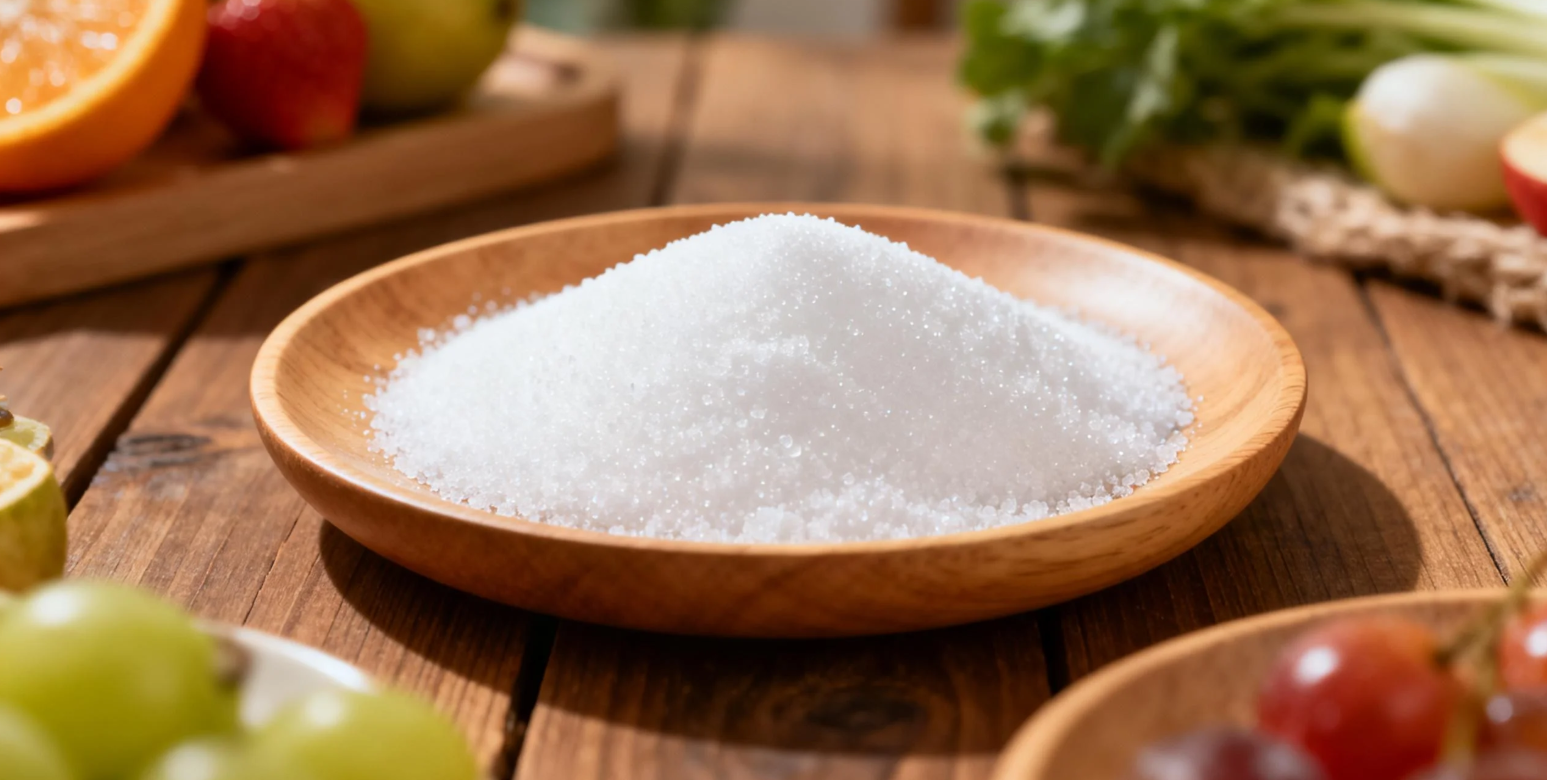
How To Use Organic Dextrose in Instant Powdered Products
Step 1: Define the Functional Role
Determine whether organic dextrose will act as:
A primary carbohydrate source
A sweetness contributor
A carrier for active ingredients
A texture and dispersion enhancer
Step 2: Optimize Inclusion Levels
Typical usage levels depend on the product type:
Beverage powders: moderate levels for solubility and sweetness
Nutrition powders: higher levels for energy and bulk
Functional blends: adjusted levels for dispersion support
Step 3: Blend Strategically
Add organic dextrose early in the blending process to:
Improve uniform distribution
Reduce segregation of fine particles
Enhance final powder consistency
Step 4: Test in Multiple Liquids
Evaluate dissolution performance in:
Cold water
Warm water
Milk and plant-based alternatives
This ensures real-world consumer satisfaction.
FAQ: Organic Dextrose in Instant Powdered Products
Q1: Is organic dextrose suitable for cold-water instant powders?
Yes. Organic dextrose dissolves rapidly even in cold liquids, making it ideal for ready-to-mix products.
Q2: Can organic dextrose replace maltodextrin in powder formulations?
In many cases, yes. Organic dextrose offers superior solubility and a cleaner label, though sweetness and energy contribution should be adjusted accordingly.
Q3: Does organic dextrose affect powder shelf life?
When properly stored, organic dextrose supports stable shelf life and helps reduce moisture-related clumping due to its consistent particle behavior.
Q4: Is organic dextrose compatible with proteins and fibers?
Yes. It blends well with plant and dairy proteins, as well as soluble fibers, improving dispersion and mouthfeel.
Q5: Can organic dextrose help reduce clumping in powders?
Yes. Its flowability and dispersion properties help minimize agglomeration during storage and use.
6. B2B Advantages for Manufacturers
From a procurement and production standpoint, organic dextrose offers:
- Consistent quality specifications
- Reliable bulk supply
- Multi-application versatility
- Reduced formulation complexity
This allows manufacturers to streamline product development while meeting consumer expectations for instant performance and clean-label transparency.
Conclusion
Organic dextrose plays a critical role in improving solubility, dispersion, and overall quality in instant powdered products. Its natural molecular structure, excellent processing behavior, and clean-label credentials make it a preferred ingredient for modern powder formulations.
For B2B manufacturers, organic dextrose is not just a carbohydrate—it is a functional tool that enhances product performance, consumer satisfaction, and brand credibility.
Related Products
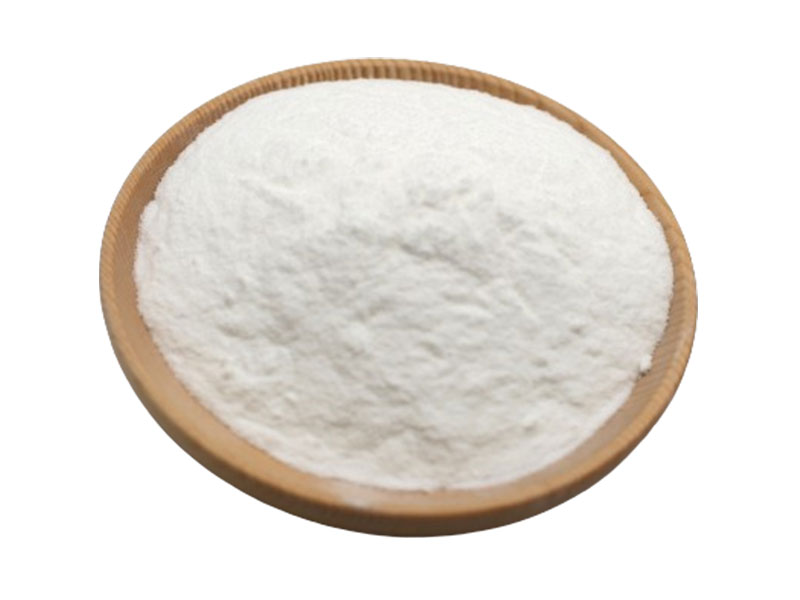
Organic Maltodextrin Powder
Versatile Clean-Label Carbohydrate for Food, Beverage & Nutraceutical Applications
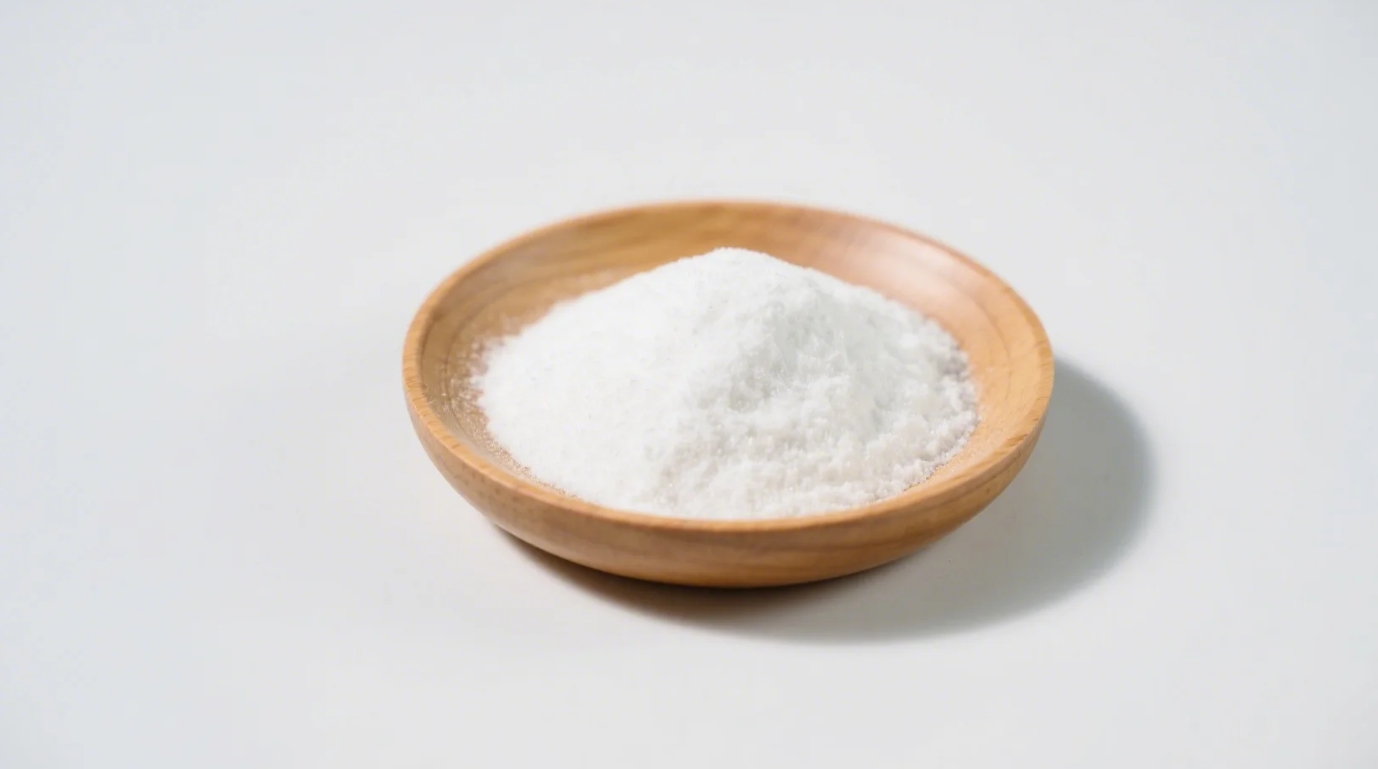
Organic Dextrose Powder
Natural Energy Source for Food, Beverage, Pharma & Sports Nutrition