
Introduction: Rising Demand for Blood Sugar–Friendly Foods
Blood sugar management has become a key purchasing driver for today’s consumers. Beyond people with diabetes, a growing number of shoppers are actively looking for low-GI, low-sugar, and metabolic health–focused foods to support long-term wellness, weight management, and energy balance.
For manufacturers, this creates a formulation challenge:
- Reducing digestible carbohydrates without harming taste
- Maintaining texture and bulk after sugar reduction
- Adding functional benefits that are scientifically credible
Organic resistant dextrin has emerged as a strategic ingredient that helps brands address all three challenges while supporting low glycemic index (GI) positioning.
What Makes Organic Resistant Dextrin Blood Sugar–Friendly?
Organic resistant dextrin is a soluble dietary fiber that resists digestion in the small intestine. Unlike rapidly absorbed carbohydrates, it:
- Does not significantly raise postprandial blood glucose
- Contributes minimal calories and low net carbs
- Is slowly fermented in the colon rather than absorbed as glucose
Because of these characteristics, organic resistant dextrin is widely used in formulations designed for:
- Blood sugar control
- Diabetic-friendly diets
- Low-GI and reduced-carb products
Role of Organic Resistant Dextrin in Low-GI Formulations
1. Reducing Glycemic Load Without Compromising Quality
When sugar or maltodextrin is removed from a formula, products often lose bulk, viscosity, and mouthfeel. Organic resistant dextrin helps:
- Replace lost solids
- Maintain viscosity and structure
- Reduce overall glycemic load without affecting taste
2. Supporting Fiber-Based Glycemic Claims
Increasing fiber content is a proven strategy for lowering the glycemic impact of foods. Organic resistant dextrin allows manufacturers to:
- Increase total dietary fiber
- Balance carbohydrates in nutrition panels
- Support “low GI,” “fiber-enriched,” or “blood sugar friendly” positioning (subject to regional regulations)
Powder vs. Syrup: Selecting the Right Format
- Organic Resistant Dextrin Powder:
Best suited for bakery, snack bars, powdered supplements, cereals, and dry mixes where precise fiber dosing is required. - Organic Resistant Dextrin Syrup:
Ideal for beverages, gummies, liquid nutrition products, and sugar-reduced confections where smooth dispersion and consistency are critical.
Both formats deliver the same low-glycemic functional benefits, giving formulators flexibility across product categories.
Key Application Areas
Organic resistant dextrin is widely used in:
- Low-GI bakery products (bread, muffins, cookies)
- Reduced-sugar beverages and functional drinks
- Nutrition bars and meal replacements
- Diabetic-friendly snacks and supplements
- Plant-based and functional foods targeting metabolic health
Its heat and pH stability make it suitable for baking, pasteurization, extrusion, and UHT processing.
Clean Label and Organic Advantage
From a commercial standpoint, organic resistant dextrin supports:
- Organic certification programs
- Clean-label ingredient declarations
- Consumer trust and premium positioning
This makes it especially attractive for brands serving health-focused and clinical nutrition markets.
How To Use Organic Resistant Dextrin in Low-GI Product Development
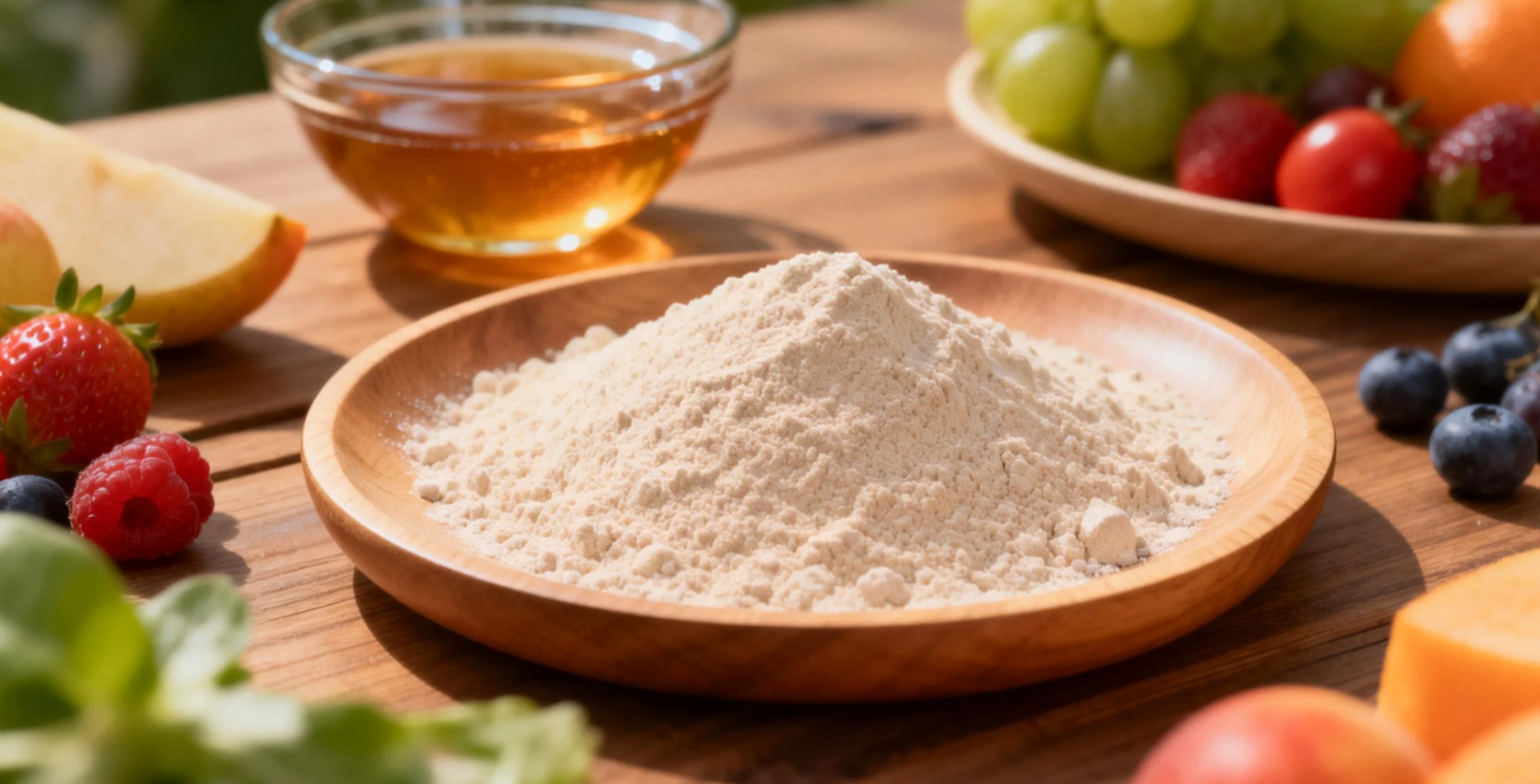
How To Use Organic Resistant Dextrin in Low-GI Product Development
Step 1: Define the Glycemic Target
Determine whether the product aims for reduced sugar, low GI, or blood sugar support positioning.
Step 2: Select the Appropriate Format
Choose powder or syrup based on your formulation system (dry vs. liquid).
Step 3: Replace Digestible Carbohydrates Gradually
Substitute part of sugar, glucose syrup, or maltodextrin with organic resistant dextrin to maintain texture.
Step 4: Adjust Sweetness Separately
Because resistant dextrin is not sweet, pair it with natural or high-intensity sweeteners if needed.
Step 5: Validate Texture and Stability
Test viscosity, mouthfeel, and shelf-life to ensure consistent performance.
FAQ: Organic Resistant Dextrin and Blood Sugar
Q1: Does organic resistant dextrin raise blood sugar levels?
A: Organic resistant dextrin has a very low glycemic response because it is not rapidly digested or absorbed as glucose.
Q2: Is organic resistant dextrin suitable for diabetic-friendly products?
A: Yes. It is commonly used in formulations targeting blood sugar management, though final claims depend on regional regulations and finished product testing.
Q3: Can organic resistant dextrin replace sugar completely?
A: No. It is not a sweetener, but it effectively replaces bulk and fiber lost during sugar reduction.
Q4: Will it affect taste or clarity in beverages?
A: No. It is neutral in taste and maintains clarity in clear and flavored beverages.
Q5: Is organic resistant dextrin compatible with keto or low-carb diets?
A: It contributes minimal net carbs and is often used in low-carb and keto-friendly formulations, depending on fiber labeling rules.
Conclusion
Organic resistant dextrin is a powerful functional fiber for manufacturers developing blood sugar–friendly and low-GI products. By reducing glycemic impact, improving texture, and supporting fiber enrichment, it enables brands to meet modern nutritional demands without sacrificing product quality.
For food and beverage companies focused on metabolic health, clean-label innovation, and long-term consumer trust, organic resistant dextrin is a smart and future-ready ingredient choice.
Related Products
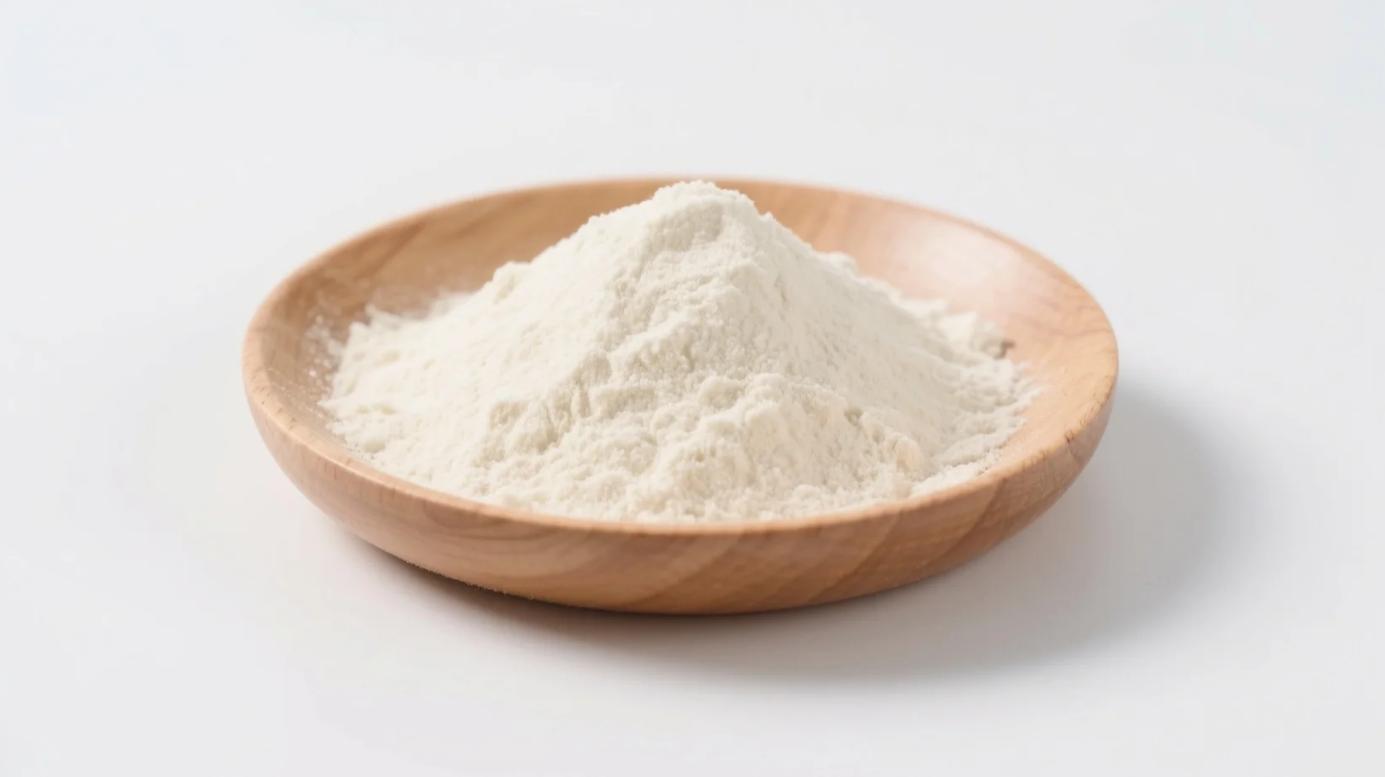
Organic Resistant Dextrin
Low-Calorie Prebiotic Fiber for Digestive Health & Clean-Label Formulations
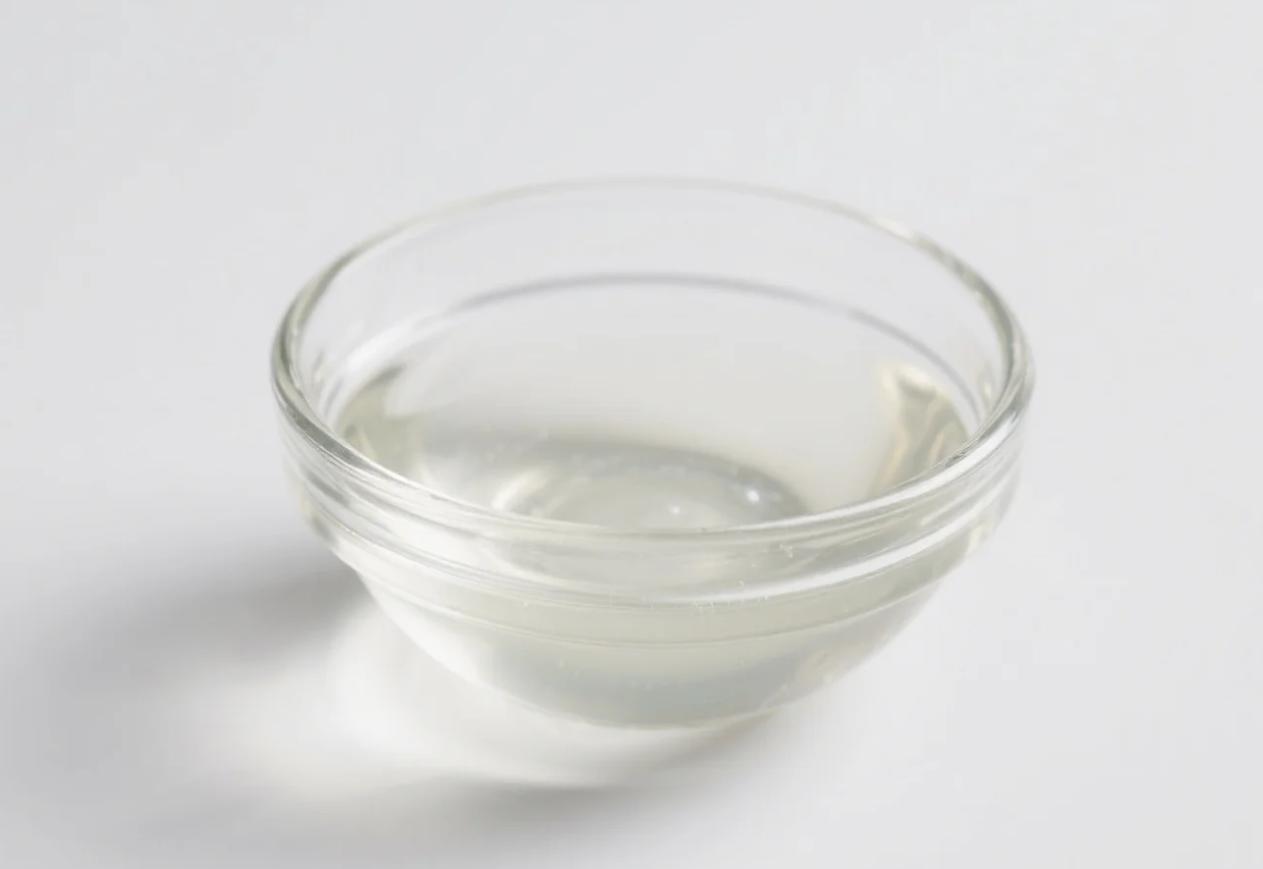
Organic Glucose Syrup
Natural Sweetener & Functional Ingredient for Food, Beverage & Confectionery
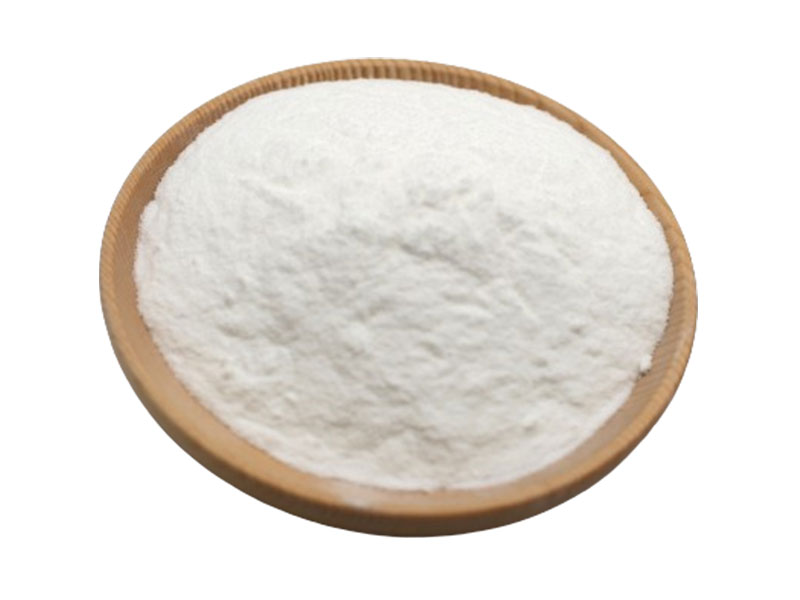
Organic Maltodextrin Powder
Versatile Clean-Label Carbohydrate for Food, Beverage & Nutraceutical Applications