
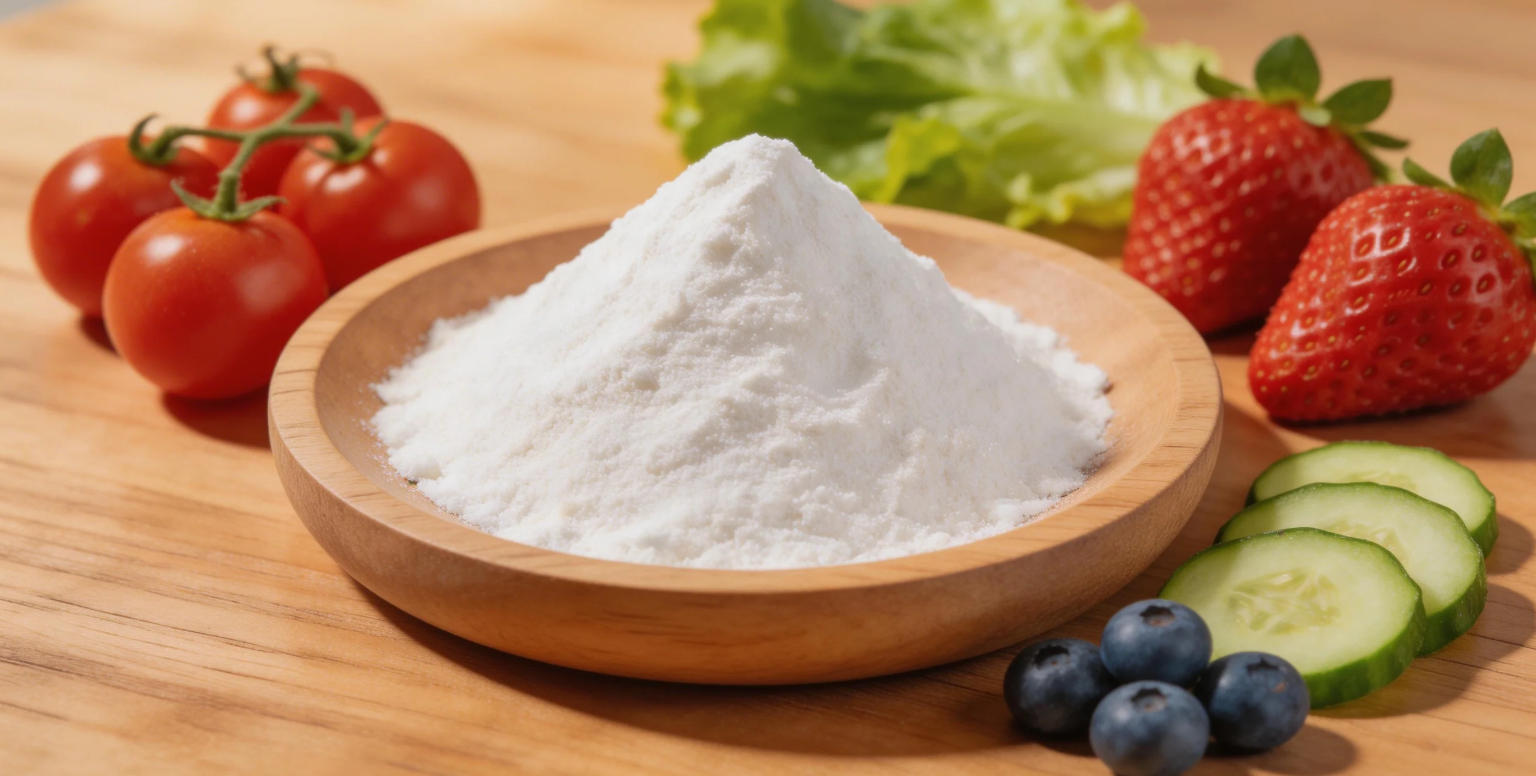
When sourcing sweeteners for food formulations, one of the key decisions manufacturers face is choosing between organic dextrose and conventional dextrose. Both offer similar functional properties, but their sourcing, certification, and long-term procurement considerations can differ significantly. For businesses looking to scale production, optimize ingredient cost-efficiency, and meet consumer demand for organic and clean-label products, understanding these differences is critical.
In this article, we’ll outline the main differences between organic dextrose and conventional dextrose, and provide guidance on how to select the best supplier for bulk purchasing and clean-label formulations.
What Is Organic Dextrose vs Conventional Dextrose?
Organic Dextrose
Organic dextrose is derived from certified organic starches, usually organic corn or tapioca. It is produced under strict organic regulations, which prohibit the use of synthetic pesticides, chemical fertilizers, or genetically modified organisms (GMO). The result is an ingredient that:
- Is USDA Organic or EU Organic certified
- Meets non-GMO and vegan standards
- Supports clean-label claims and organic food certifications
Organic dextrose is transparent in sourcing, making it ideal for brands committed to sustainability and organic integrity.
Conventional Dextrose
Conventional dextrose, on the other hand, is produced from non-organic corn or other starches. It can be derived using synthetic methods and may involve GMO corn or other non-organic raw materials. While conventional dextrose offers functional benefits similar to organic dextrose, it is not subject to the same regulatory scrutiny and certifications. It is often:
- Cheaper than organic dextrose
- More readily available
- Used in low-cost, mass-market products
Conventional dextrose may not meet the clean-label or organic standards that some brands require, but it serves as a cost-effective option in high-volume, non-organic formulations.
Key Differences Between Organic and Conventional Dextrose for B2B Buyers
1. Raw Material Sourcing and Certification
- Organic Dextrose: Derived from non-GMO, organically grown crops, certified by USDA Organic or EU Organic. Meets organic food standards, supporting transparency and traceability.
- Conventional Dextrose: Typically sourced from GMO crops, with fewer certification requirements. Its traceability is often less stringent, making it suitable for mainstream applications where organic certification is not a concern.
For manufacturers targeting premium, organic, or clean-label markets, organic dextrose provides a clear advantage in sourcing integrity and consumer trust.
2. Price and Cost Considerations
- Organic Dextrose: Generally more expensive than conventional dextrose due to the higher cost of organic farming, certification fees, and the limited supply of organic raw materials. Bulk purchasing may still be cost-effective for manufacturers producing organic or premium products.
- Conventional Dextrose: More cost-efficient, making it the preferred choice for large-scale manufacturers producing mass-market or non-organic products. It’s readily available and often cheaper to source due to the abundance of non-organic corn and starch.
For bulk purchasing decisions, conventional dextrose might be preferable if cost-efficiency is the top priority. However, for premium products that emphasize organic sourcing, organic dextrose is the better choice despite the higher price point.
3. Supply Chain and Availability
- Organic Dextrose: Sourcing organic dextrose can be more complex due to limited suppliers and stricter certification standards. Supply chain reliability may vary, especially for manufacturers needing large volumes of organic-certified ingredients.
- Conventional Dextrose: With its wider availability and less stringent certification requirements, conventional dextrose is more consistent in supply, with fewer sourcing challenges. For manufacturers focused on large-scale production or cost-effective formulations, conventional dextrose offers a more stable supply chain.
When considering long-term procurement, businesses should factor in the lead times and supply chain reliability of organic dextrose versus conventional dextrose, especially when scaling operations or meeting high-volume demand.
4. Applications in Food Formulations
Both organic and conventional dextrose can be used in various food products, but their suitability depends on your target market and product positioning:
- Organic Dextrose: Ideal for organic bakery, beverages, sports nutrition, functional foods, and clean-label products where transparency, sustainability, and health-conscious consumers are key considerations.
- Conventional Dextrose: Suitable for mainstream bakery products, snack foods, and confectionery where cost and volume are more important than organic certification.
How to Choose the Right Supplier for Organic Dextrose or Conventional Dextrose
Selecting the right supplier for bulk dextrose purchasing involves several critical considerations:
Step 1: Understand Your Product Requirements
- Do you need organic certification for clean-label or premium formulations?
- Are you targeting mass-market or high-volume products with fewer organic sourcing requirements?
Step 2: Evaluate Supplier Certifications and Documentation
Ensure the supplier can provide the appropriate certification, such as:
- USDA Organic for organic dextrose
- Non-GMO verification for both organic and conventional dextrose
- Kosher or Halal certification for specific dietary needs
Step 3: Assess Quality Control and Reliability
- Supplier reliability is critical for bulk purchasing. Request documentation related to batch consistency, quality control, and production practices.
- Make sure they can meet your MOQ (minimum order quantity) and delivery timelines.
Step 4: Negotiate Bulk Pricing
For larger orders, negotiate bulk pricing and long-term contracts to ensure competitive rates and stable supply. Suppliers may offer discounts based on volume or frequent purchases.
Step 5: Review Shipping, Storage, and Shelf Life
Ensure the supplier provides proper packaging, storage recommendations, and shelf life guarantees, especially for organic dextrose, which can be more sensitive to storage conditions.
FAQ: Organic Dextrose vs Conventional Dextrose
Q1: Can I replace conventional dextrose with organic dextrose in all formulations?
Yes, organic dextrose can replace conventional dextrose in most formulations, but the higher price may be a consideration for cost-sensitive products.
Q2: How much more expensive is organic dextrose compared to conventional dextrose?
Organic dextrose typically costs 20%–50% more than conventional dextrose, depending on the volume and supplier. However, this price premium is justified for organic and premium product lines.
Q3: Are there MOQ requirements for bulk organic dextrose?
Yes, many suppliers have MOQ for bulk organic dextrose orders, typically ranging from 500 kg to several tons depending on the supplier.
Q4: How can I find a reliable supplier for organic dextrose?
Look for suppliers that offer full certification documentation, have a proven track record in organic food ingredients, and can provide consistent supply and bulk pricing.
Q5: Does organic dextrose affect the flavor profile of my product?
No, organic dextrose has a mild, clean sweetness similar to conventional dextrose and will not significantly alter the flavor profile of your product.
Recommended Product
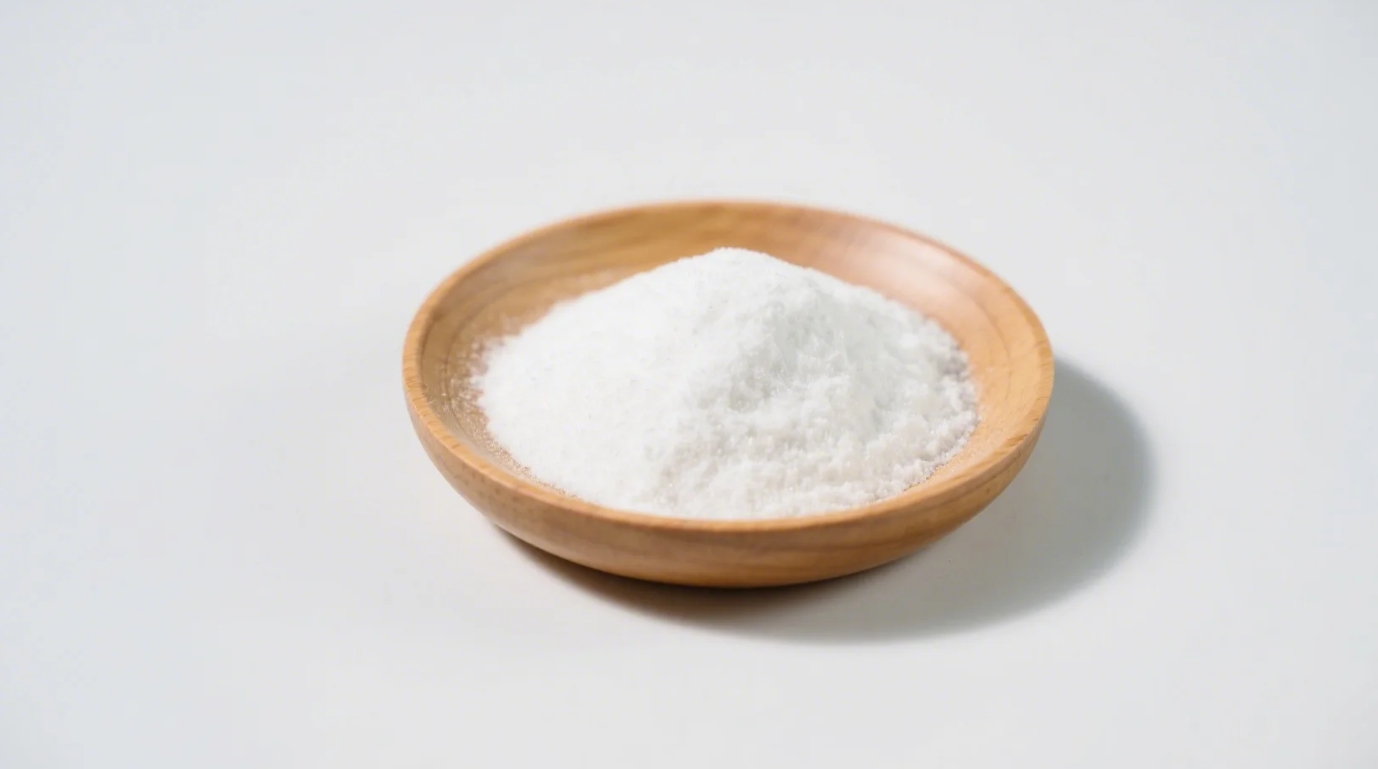
Organic Dextrose Powder
Natural Energy Source for Food, Beverage, Pharma & Sports Nutrition