

Selecting the right sweetener is a critical decision in food formulation. Beyond sweetness, the choice affects texture, stability, processing behavior, labeling, and consumer perception. As clean-label and organic products gain momentum, manufacturers are re-evaluating traditional sweeteners and artificial alternatives.
Organic glucose syrup stands out as a versatile option, but how does it compare with other commonly used sweeteners? This article explores key differences and provides guidance for choosing the right solution for your formulation goals.
Understanding the Role of Sweeteners in Food Products
Sweeteners contribute more than flavor. They influence:
- Mouthfeel and viscosity
- Moisture retention
- Shelf-life stability
- Processing performance
- Ingredient labeling and market positioning
A single sweetener rarely fulfills all requirements, which is why understanding functional differences is essential.
Organic Glucose Syrup: Key Functional Advantages
Organic glucose syrup is derived from certified organic starch and offers moderate sweetness with strong functional performance.
Key benefits include:
- Mild, clean sweetness without aftertaste
- Excellent control over viscosity and texture
- Moisture management and anti-crystallization properties
- Compatibility with organic and clean-label claims
These characteristics make it ideal for bakery, confectionery, beverages, and nutritional foods.
Comparison with Other Common Sweeteners
Organic Glucose Syrup vs. Organic Dextrose
Organic dextrose delivers higher sweetness but offers limited texture functionality. Organic glucose syrup, on the other hand, provides better viscosity control and moisture retention, making it more suitable for applications requiring structure and stability.
Organic Glucose Syrup vs. Sucrose
Sucrose is widely used and highly sweet, but it can crystallize easily and contribute to hardening over time. Organic glucose syrup helps reduce crystallization and improves shelf-life performance, especially in confections and baked goods.
Organic Glucose Syrup vs. Rice Syrup
Rice syrup is perceived as natural but often has a distinct flavor and limited functionality. Organic glucose syrup offers a more neutral taste and more consistent performance across applications.
Organic Glucose Syrup vs. High-Intensity Sweeteners
High-intensity sweeteners provide sweetness without calories but lack bulk and texture. Organic glucose syrup contributes body, stability, and mouthfeel, reducing the need for additional additives.
How to Choose the Right Sweetener for Your Application
When deciding whether organic glucose syrup is the right choice, manufacturers should consider:
- Desired sweetness intensity
- Texture and mouthfeel requirements
- Shelf-life and stability targets
- Clean-label and organic positioning
- Processing conditions and scalability
In many cases, organic glucose syrup works best as part of a balanced sweetening system rather than a one-to-one sugar replacement.
Applications Where Organic Glucose Syrup Excels
Organic glucose syrup is particularly effective in:
- Bakery products requiring softness and moisture
- Confectionery needing controlled crystallization
- Functional and nutritional foods demanding stability
- Beverages requiring improved mouthfeel
Its versatility allows manufacturers to streamline formulations while maintaining quality.
Conclusion: Making a Strategic Sweetener Choice
Choosing the right sweetener is not just about sweetness—it is about functionality, labeling, and long-term product success. Organic glucose syrup offers a balanced solution that combines clean-label appeal with strong technical performance.
For food manufacturers and B2B buyers seeking a reliable, organic-compatible sweetener that supports texture and stability, organic glucose syrup remains a strategic and flexible choice.
Related Products
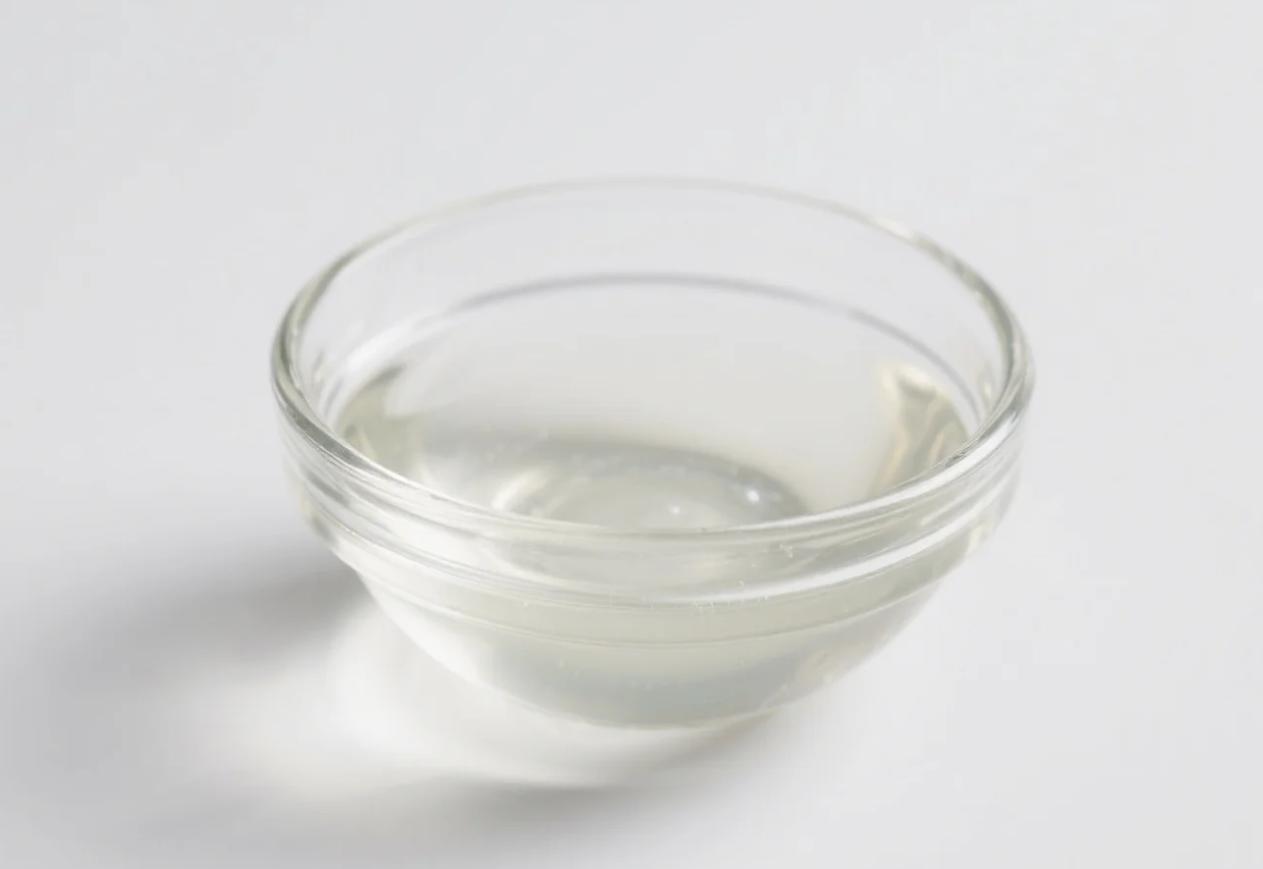
Organic Glucose Syrup
Natural Sweetener & Functional Ingredient for Food, Beverage & Confectionery
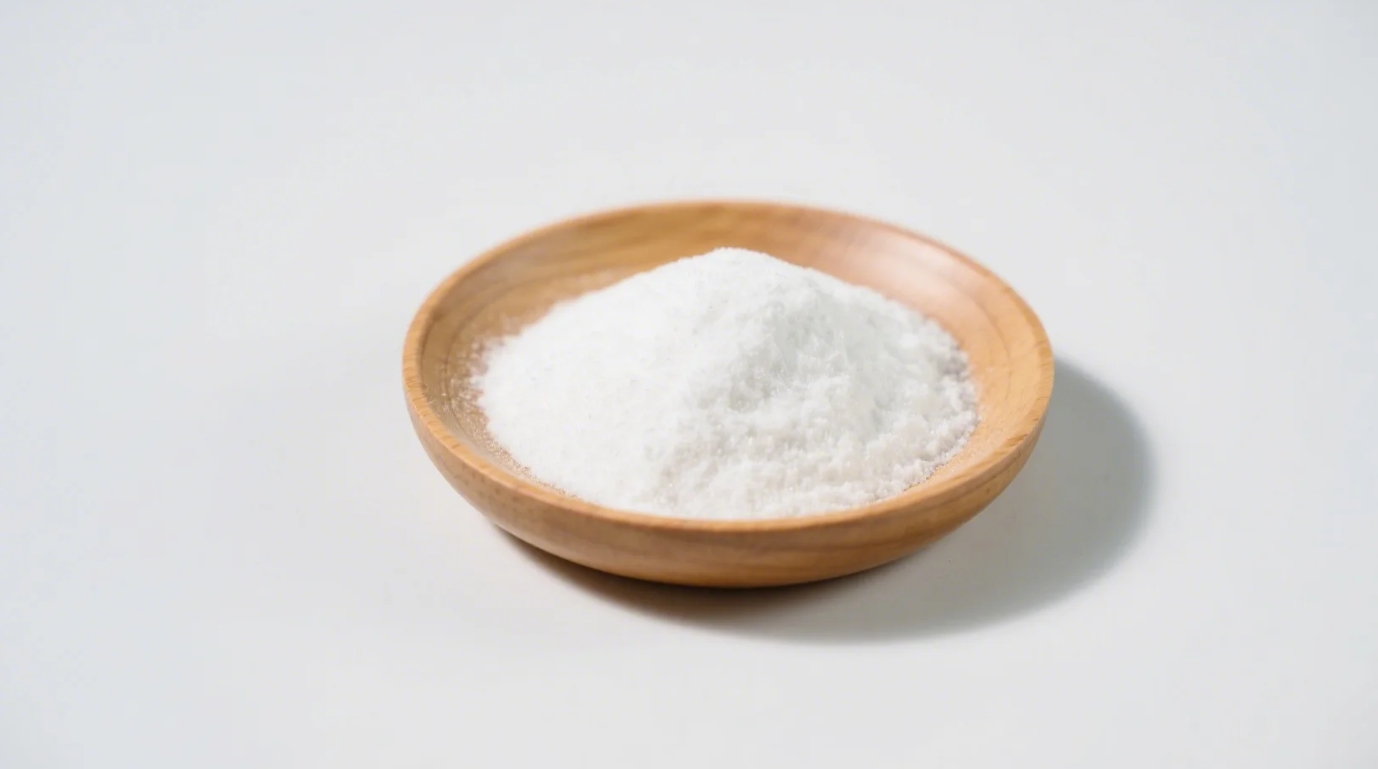
Organic Dextrose Powder
Natural Energy Source for Food, Beverage, Pharma & Sports Nutrition