
As global demand for organic and clean-label products continues to rise, more manufacturers are expanding into international markets. For B2B food, beverage, and nutrition producers, exporting products formulated with organic maltodextrin powder requires more than competitive pricing—it demands strict compliance with international standards and certification requirements.
Failure to meet these requirements can result in delayed shipments, rejected goods, or lost customer trust. This article explains how organic maltodextrin powder supports export-ready formulations and what B2B buyers should consider to ensure smooth cross-border trade and long-term global growth.
1. Why Export Compliance Matters for B2B Manufacturers
Export markets impose stricter controls on ingredient sourcing, documentation, and traceability. For manufacturers supplying:
- International retailers
- Global brand owners
- Private label programs
- Contract manufacturing partners
ingredient compliance is often audited before any commercial agreement is finalized. Organic maltodextrin powder must therefore meet both local production standards and destination market regulations.
2. Key International Standards for Organic Maltodextrin Powder
Export-oriented B2B buyers should ensure that organic maltodextrin powder complies with widely recognized standards, including:
- USDA Organic for the United States market
- EU Organic Regulation for European Union countries
- Non-GMO compliance where required
- Relevant food safety and quality management standards
These certifications demonstrate that the ingredient has been produced, processed, and handled according to internationally accepted organic guidelines, reducing regulatory risk during customs clearance.
3. Traceability and Documentation Requirements
One of the most critical aspects of exporting organic ingredients is traceability. Certified organic maltodextrin suppliers typically provide:
- Full traceability from raw material to finished product
- Organic certificates and transaction documents
- Batch-specific Certificates of Analysis (COA)
- Clear labeling and specification sheets
For B2B exporters, this documentation is essential for customs inspections, customer audits, and retailer approval processes.
4. Ensuring Consistent Quality Across Export Shipments
Export customers expect the same quality across all shipments, regardless of destination. High-quality organic maltodextrin powder supports this expectation through:
- Stable DE (Dextrose Equivalent) control
- Uniform particle size and solubility
- Controlled moisture levels for long-distance transport
Consistency minimizes the risk of reformulation or customer complaints and helps exporters maintain long-term international partnerships.
5. Packaging and Logistics Considerations for Export
Exporting organic maltodextrin powder requires packaging solutions designed to protect product integrity during extended transport. Key considerations include:
- Moisture-resistant and contamination-proof packaging
- Compliance with destination country labeling requirements
- Packaging suitable for containerized shipping and long storage times
Well-designed export packaging reduces product loss, preserves quality, and ensures regulatory acceptance upon arrival.
6. Choosing the Right Supplier for Export Markets
Not all suppliers are equipped to support export-oriented B2B buyers. Reliable organic maltodextrin suppliers for international trade typically offer:
- Experience with multi-market compliance
- Export-ready documentation support
- Stable production capacity for long-term contracts
- Clear communication and logistics coordination
Working with such suppliers allows manufacturers to scale exports confidently without repeatedly requalifying ingredients.
7. Reducing Export Risk Through Certified Ingredients
Using certified organic maltodextrin powder significantly reduces export-related risks, including:
- Shipment delays due to missing or incorrect documentation
- Regulatory rejections at customs
- Loss of organic or clean-label claims in destination markets
For B2B manufacturers, certification is not just a marketing asset—it is a risk management tool that protects revenue and brand reputation.
How To How to Prepare Organic Maltodextrin Powder for Export Markets
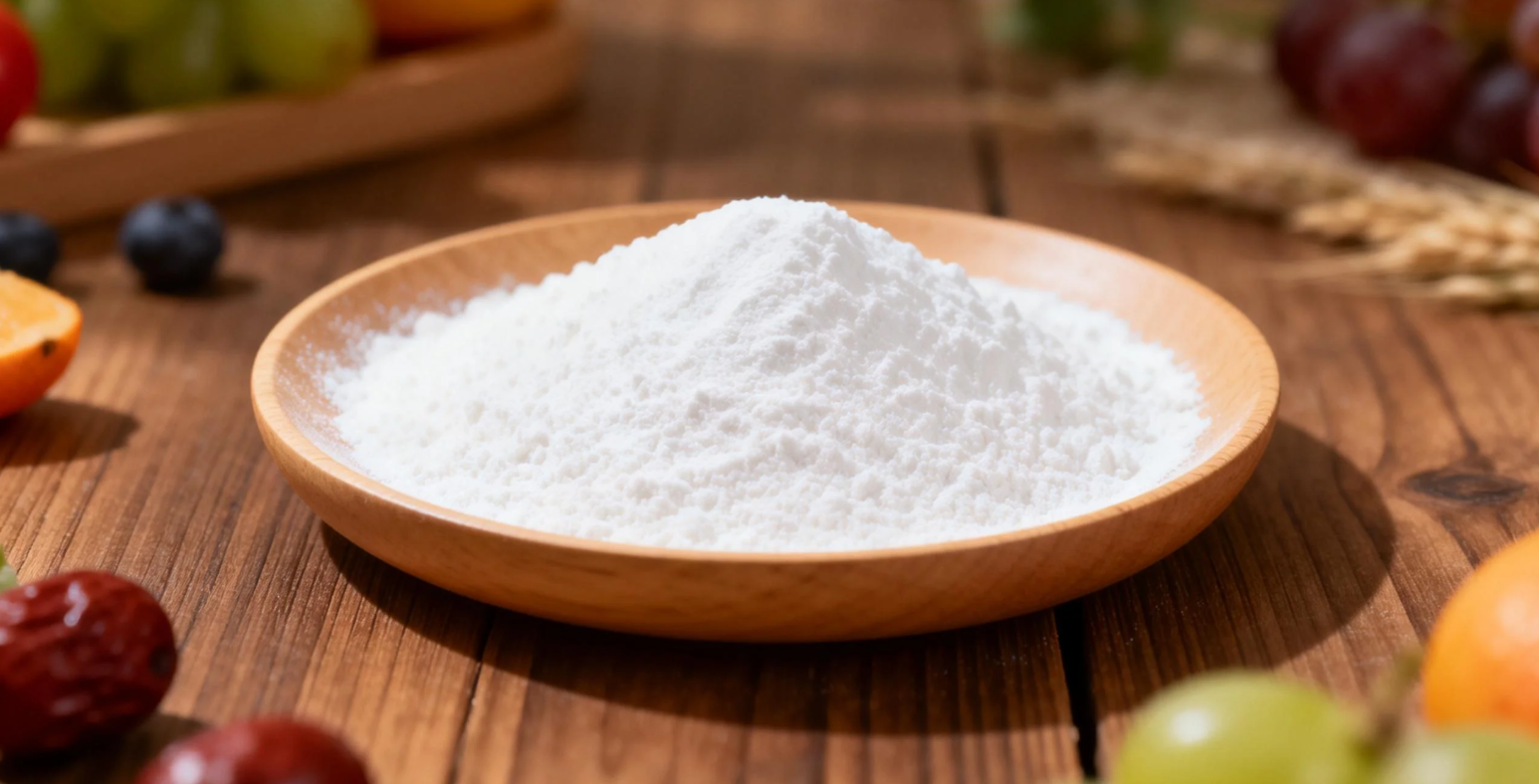
How To How to Prepare Organic Maltodextrin Powder for Export Markets
Verify certification compatibility
Confirm that the organic certification aligns with the target market (e.g., USDA Organic for the U.S., EU Organic for Europe).
Manage documentation efficiently
Work with suppliers who provide complete export documentation, including COAs, organic certificates, and traceability records.
Ensure product consistency
Lock in specifications such as DE range and moisture limits through long-term supply agreements.
Reduce logistics risk
Select packaging designed for long-distance shipping and extended storage conditions.
FAQ: Organic Maltodextrin Powder for Export
Q1: Is organic maltodextrin powder accepted in both U.S. and EU markets?
Yes, provided it is produced and certified according to recognized organic standards and accompanied by valid documentation.
Q2: What documents are required for exporting organic maltodextrin powder?
Typically required documents include organic certificates, Certificates of Analysis, specification sheets, and traceability records.
Q3: Does DE range affect export approval?
DE range does not usually affect approval, but it must match declared specifications and remain consistent across shipments.
Q4: Can organic maltodextrin support private label export products?
Yes. Certified organic maltodextrin powder is widely used in private label and contract manufacturing for export markets.
Q5: Why is supplier experience important for export buyers?
Experienced suppliers understand regulatory requirements, documentation standards, and logistics challenges, reducing export risk.
Conclusion
For B2B manufacturers targeting international markets, organic maltodextrin powder must be export-ready—meeting strict certification, documentation, and quality consistency requirements. When sourced from experienced, certified suppliers, it enables smooth customs clearance, protects organic claims, and supports long-term global partnerships.
In export-driven strategies, organic maltodextrin powder is not just an ingredient—it is a critical link between compliance, reliability, and global business growth.
Recommended Product
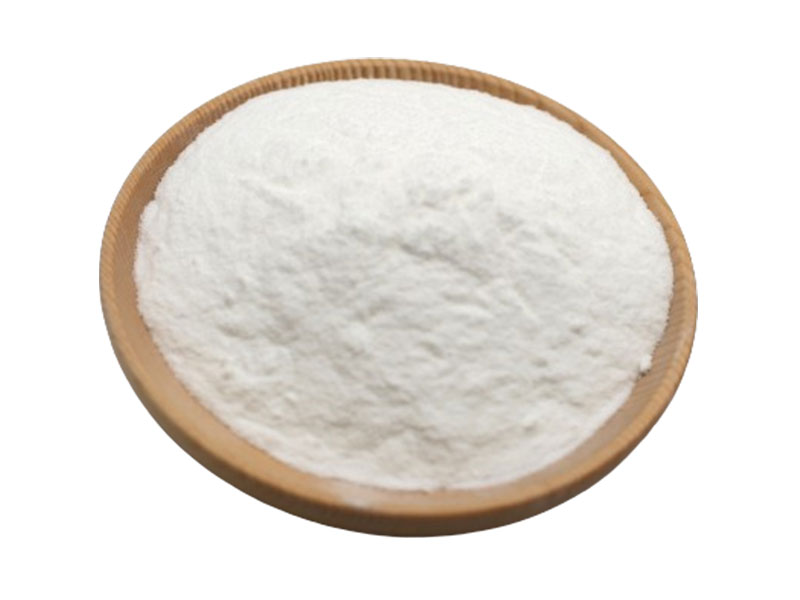
Organic Maltodextrin Powder
Versatile Clean-Label Carbohydrate for Food, Beverage & Nutraceutical Applications