
For modern food manufacturers, success is no longer defined by taste alone. Scalability, cost control, clean-label compliance, and supply chain reliability have become equally critical—especially in B2B environments where manufacturers serve global brands, retailers, and private-label clients.
Within this landscape, organic maltodextrin powder has emerged as a must-have ingredient for B2B food manufacturers. Its versatility, functional performance, and compatibility with organic and clean-label requirements make it a strategic component in large-scale production.
This article explains why organic maltodextrin powder is indispensable for B2B manufacturers and how it supports long-term operational and commercial success.
1. A Versatile Functional Ingredient for Multiple Applications
Organic maltodextrin powder is widely used across food and beverage categories due to its multi-functional nature, including:
- Bulking and texturizing agent
- Carrier for flavors, colors, and nutrients
- Solubility enhancer
- Moisture and stability regulator
By fulfilling several roles within a single formulation, organic maltodextrin allows manufacturers to simplify recipes, reduce dependency on multiple additives, and streamline procurement.
2. Supporting Clean-Label and Organic Product Positioning
Clean-label and organic claims are increasingly demanded by retailers and consumers. Organic maltodextrin powder supports these requirements by offering:
- Certified organic origin
- Non-GMO compatibility
- Neutral taste and appearance
- Straightforward ingredient declaration
For B2B manufacturers, this simplifies compliance with retailer audits, export documentation, and private-label requirements, reducing both regulatory risk and administrative workload.
3. Enhancing Production Efficiency at Scale
In large-scale manufacturing, ingredient performance directly impacts operational efficiency. Organic maltodextrin powder is valued for its:
- Excellent solubility in liquid and dry systems
- Stable processing behavior in high-volume production
- Compatibility with automated mixing and dosing systems
These properties reduce processing time, minimize production interruptions, and improve overall throughput—key advantages for high-capacity production lines.
4. Reducing Total Production Costs
Although organic ingredients are often associated with higher unit prices, organic maltodextrin powder helps reduce total production costs by:
- Lowering formulation complexity
- Reducing waste and reprocessing
- Enabling bulk purchasing and long-term contracts
- Improving stability and shelf life
For B2B buyers, the focus is not just on price per kilogram, but on total cost of ownership, where organic maltodextrin consistently delivers value.
5. Strengthening Supply Chain Reliability
Reliable production depends on stable ingredient supply. Organic maltodextrin powder sourced from experienced suppliers offers:
- Consistent batch-to-batch quality
- Scalable production capacity
- Predictable lead times
- Long-term supply agreements
This reliability minimizes supply disruptions and allows manufacturers to plan production with confidence, a critical requirement in B2B contract manufacturing.
6. Creating Value for Downstream Customers
B2B manufacturers often serve brand owners who depend on ingredient transparency and performance. By using organic maltodextrin powder, manufacturers help their customers:
- Meet clean-label and organic claims
- Maintain consistent product quality
- Scale production without reformulation
This added value strengthens customer relationships and increases opportunities for long-term supply contracts.
How To How B2B Manufacturers Can Use Organic Maltodextrin Powder Effectively
How to select the right DE range
Choose a DE level based on the desired functionality—lower DE for bulking and texture, higher DE for solubility and mild sweetness.
How to integrate into large-scale production
Test solubility and dispersion during pilot runs to ensure compatibility with existing equipment and processing conditions.
How to optimize cost efficiency
Negotiate bulk contracts and align forecasts with suppliers to secure stable pricing and consistent supply.
How to support clean-label claims
Ensure organic certification documentation is updated and aligned with finished product labeling requirements.
FAQ: Organic Maltodextrin Powder for B2B Buyers
Q1: Is organic maltodextrin suitable for large-scale food manufacturing?
Yes. When sourced from reliable suppliers, organic maltodextrin powder offers consistent quality and processing stability suitable for high-volume production.
Q2: Does organic maltodextrin affect product taste?
Organic maltodextrin has a neutral taste, making it ideal for applications where flavor integrity is critical.
Q3: Can organic maltodextrin replace multiple functional ingredients?
In many formulations, yes. It can act as a bulking agent, carrier, and stabilizer, helping simplify ingredient lists.
Q4: Is organic maltodextrin compliant with clean-label requirements?
Yes, provided it is sourced from certified organic suppliers and properly documented for regulatory compliance.
Q5: What should B2B buyers look for in a supplier?
Key factors include organic certification, consistent quality, supply capacity, technical support, and transparent pricing.
Conclusion
For B2B food manufacturers, organic maltodextrin powder is no longer optional—it is a strategic necessity. Its ability to support clean-label positioning, improve production efficiency, reduce total costs, and stabilize supply chains makes it a foundational ingredient in modern food manufacturing.
By partnering with a reliable organic maltodextrin supplier, manufacturers can strengthen their competitive position, meet evolving market demands, and build scalable, future-ready production systems.
Recommended Product
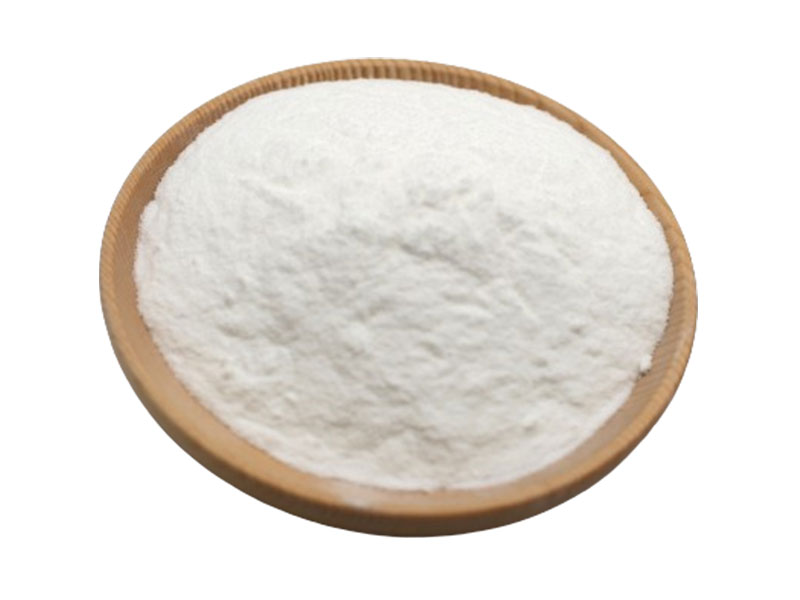
Organic Maltodextrin Powder
Versatile Clean-Label Carbohydrate for Food, Beverage & Nutraceutical Applications