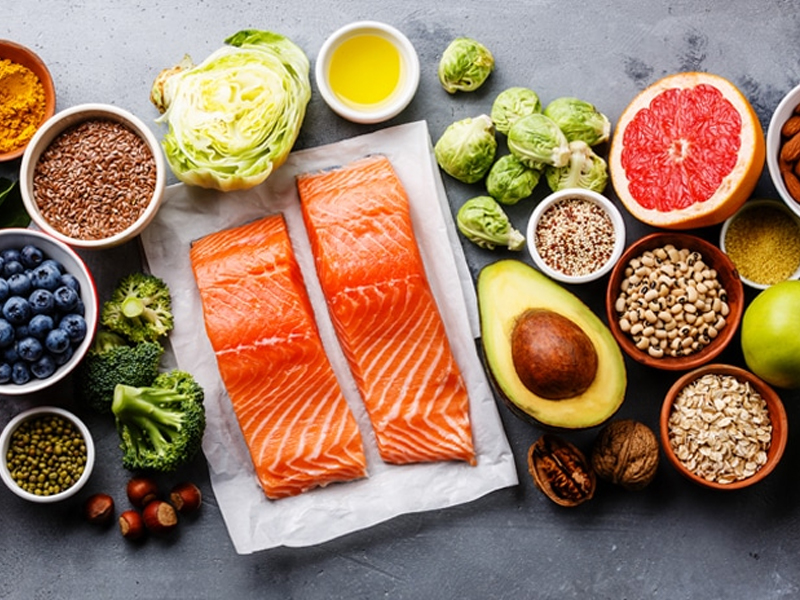
As consumers increasingly reject artificial sweeteners and chemically modified ingredients, clean-label reformulation has become a priority for food and beverage manufacturers. However, removing artificial sweeteners often creates challenges related to sweetness balance, texture, and overall product stability.
Organic glucose syrup offers a practical and clean-label-friendly solution. While it is not a high-intensity sweetener, its functional and sensory advantages allow manufacturers to reduce or fully replace artificial sweeteners in many applications—without compromising product quality.
Why Brands Are Moving Away from Artificial Sweeteners
Artificial sweeteners have long been used to control sweetness and calories, but they come with growing drawbacks:
- Negative consumer perception
- Regulatory and labeling concerns
- Metallic or lingering aftertastes
- Poor contribution to texture and mouthfeel
As a result, many brands are reformulating with recognizable, naturally derived ingredients such as organic glucose syrup.
How Organic Glucose Syrup Supports Clean-Label Reformulation
Moderate, Natural Sweetness
Organic glucose syrup provides mild, rounded sweetness that works well in balanced formulations. While it is less sweet than sucrose, it allows developers to rebuild sweetness systems using fewer ingredients.
Functional Performance Beyond Sweetness
Unlike artificial sweeteners, organic glucose syrup contributes to:
- Viscosity and body
- Moisture retention
- Binding and structure
- Shelf stability
This multifunctionality reduces the need for additional additives.
Clean and Familiar Ingredient Perception
“Organic glucose syrup” is easily understood by consumers and fits well within organic and clean-label frameworks, supporting transparent labeling strategies.
How To Use Organic Glucose Syrup to Replace Artificial Sweeteners
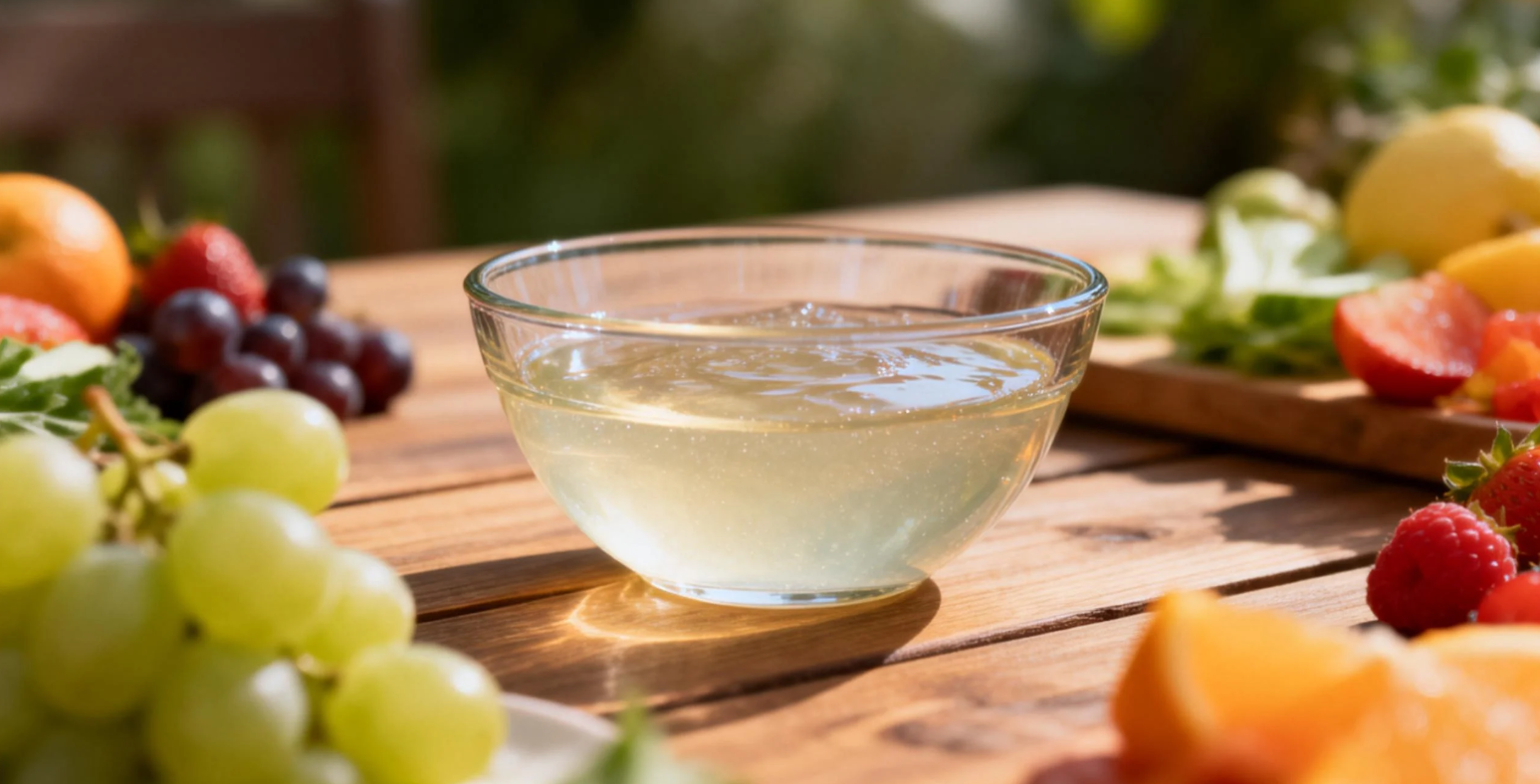
How To Use Organic Glucose Syrup to Replace Artificial Sweeteners
How to Reduce Artificial Sweeteners in Beverages
Use organic glucose syrup to build mouthfeel and base sweetness
Combine with fruit concentrates or natural flavors for sweetness balance
Improve flavor stability and reduce aftertaste
This approach is common in functional drinks and organic beverages.
How to Reformulate Bakery and Snack Products
Replace artificial sweeteners with organic glucose syrup to improve texture
Enhance softness and moisture retention
Support natural browning and flavor development
Usage levels typically range from 5–12%, depending on the product.
How to Use Organic Glucose Syrup in Nutritional Bars and Gummies
Improve binding and chewiness
Reduce reliance on polyols or synthetic binders
Deliver clean-label energy from carbohydrates
This is especially effective in organic and plant-based nutrition products.
How to Balance Sweetness After Removal
Adjust solids and water content
Optimize DE level to control sweetness intensity
Test sensory performance during shelf-life studies
Key Considerations When Reformulating
When replacing artificial sweeteners with organic glucose syrup, manufacturers should consider:
- Desired sweetness level vs. functionality
- Calorie contribution and nutritional positioning
- Interaction with proteins, fibers, and fats
- Supplier consistency and technical support
A phased reduction strategy often delivers the best results.
FAQ: Organic Glucose Syrup and Artificial Sweetener Replacement
Can organic glucose syrup fully replace artificial sweeteners?
In many applications, yes—especially where texture and mouthfeel are critical. In very low-calorie products, partial replacement may be more practical.
Will replacing artificial sweeteners increase calories significantly?
Organic glucose syrup does add carbohydrates, but it also improves functionality, often allowing the removal of multiple additives.
Does organic glucose syrup leave an aftertaste?
No. It provides a clean, neutral sweetness without bitterness or metallic notes.
Is organic glucose syrup suitable for organic-certified products?
Yes, when sourced from certified organic suppliers with proper documentation.
What DE value is best for sweetener replacement?
Mid-range DE values are commonly used to balance sweetness, viscosity, and processing performance.
Conclusion: A Clean-Label Path Away from Artificial Sweeteners
Replacing artificial sweeteners is no longer just a marketing trend—it is a strategic move toward transparency and consumer trust. Organic glucose syrup enables manufacturers to rebuild sweetness systems naturally while improving texture, stability, and overall product quality.
For brands committed to clean-label innovation, organic glucose syrup offers a reliable, scalable, and consumer-friendly alternative to artificial sweeteners.
Recommended Product
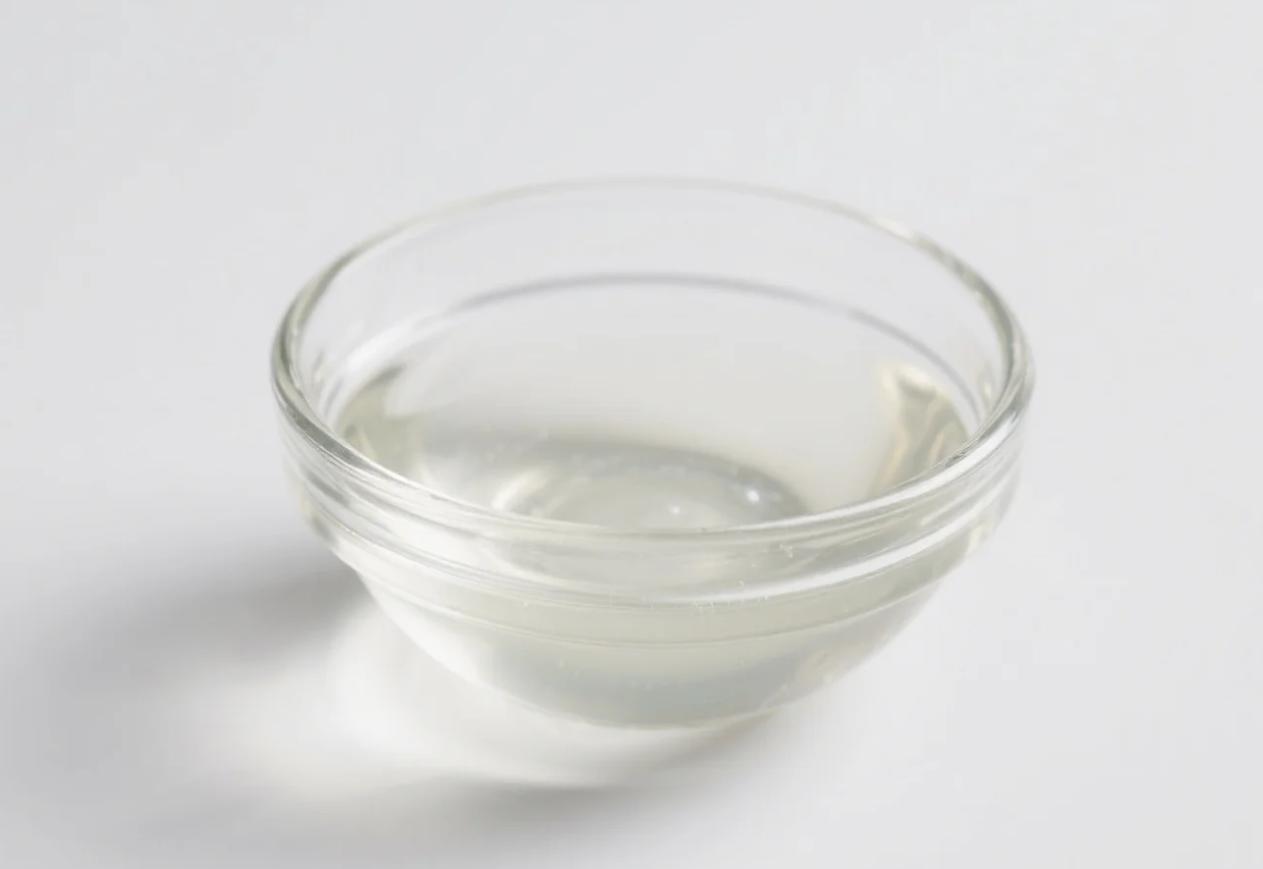
Organic Glucose Syrup
Natural Sweetener & Functional Ingredient for Food, Beverage & Confectionery