
If you have been curious about adding more fiber to your meals without changing the way you eat, inulin powder might be exactly what your kitchen needs. This mild, slightly sweet powder blends into almost anything — from your morning smoothie to a batch of weekend muffins — without throwing off flavors or textures. Below is a practical guide on how to use inulin powder in baking and cooking so you can start experimenting with confidence.
Why Use Inulin at Home
Home cooks reach for inulin for three main reasons: fiber, sugar reduction, and texture.
First, the fiber. Inulin is a soluble prebiotic fiber, meaning it feeds the beneficial bacteria in your gut. Most people fall short of their daily fiber goals, and inulin offers an easy way to close that gap without swallowing a pill or chewing a chalky bar.
Second, sugar reduction. Inulin is roughly one-tenth as sweet as table sugar, so it will not replace sugar ounce-for-ounce on its own. But it does contribute a gentle sweetness that lets you cut back on refined sugar in many recipes. In baked goods, that subtle sweetness works alongside other sweeteners so you can use less of the heavy hitters.
Third, texture. Inulin absorbs water and creates a creamy, smooth mouthfeel. In baking, it helps retain moisture so loaves and muffins stay softer longer. In beverages and sauces, it adds body without any gritty or chalky residue. If you want to understand the science behind these properties in greater depth, our complete guide to organic inulin covers the forms, benefits, and aliases in detail.
Getting Started with Inulin Powder
Before you start cooking, a few basics will set you up for success.
What to buy. Look for 100 % organic inulin powder derived from chicory root or agave. You will find it in resealable pouches or jars. A fine, white powder is what you want — avoid products with fillers, additives, or artificial flavors. If you are sourcing quality organic inulin, the organic inulin product page is a good starting point.
Storage. Keep your inulin in a cool, dry place, sealed tightly against moisture. Because it is hygroscopic (it pulls in water), humidity is its biggest enemy. A pantry shelf away from the stove works perfectly. No refrigeration needed.
Basic handling. Inulin powder dissolves easily in both warm and cold liquids. It measures like any dry ingredient — use standard measuring spoons and cups. One teaspoon of inulin powder weighs roughly 3 grams and provides about 2.5–3 grams of fiber.
Baking with Inulin
Baking is where inulin really shines. It improves moisture, extends shelf life, and adds a subtle sweetness that pairs well with both sweet and savory bakes.
Bread. Add 1–2 tablespoons of inulin powder per loaf. Mix it in with your dry ingredients before adding liquids. Inulin helps bread stay moist for an extra day or two, which is especially useful for whole-grain loaves that tend to dry out. It also gives a slightly softer crumb.
Muffins and quick breads. Start by replacing about 10 % of your flour with inulin powder. For a standard muffin recipe using 2 cups of flour, that means roughly 3 tablespoons of inulin. You may notice a slightly more tender crumb and longer-lasting freshness.
Cookies. Inulin works well in soft-baked cookies like oatmeal, snickerdoodles, and chocolate chip. Add 1–2 tablespoons to your dry mix. For crisp cookies such as shortbread, go lighter — about 1 tablespoon — because inulin promotes softness, and you do not want to lose that satisfying snap.
Cakes. For layer cakes, cupcakes, and pound cakes, substitute 5–10 % of the flour with inulin. This keeps the crumb tender without making it gummy. Pair it with a slightly reduced sugar amount (try cutting sugar by 10–15 %), and you will barely notice the difference in sweetness.
A practical tip: always mix inulin with your other dry ingredients before adding wet ones. This prevents clumping and ensures even distribution throughout the batter.
Inulin as a Sugar Replacement
Here is where expectations need to be realistic. Inulin is not a one-to-one sugar substitute. Its sweetness is mild — roughly 10 % of table sugar — so swapping all your sugar for inulin will leave a recipe tasting flat.
Instead, think of inulin as a sugar reducer. Use it alongside your regular sweetener to lower the total sugar content:
- Reduce sugar by 10–25 % and add 1–2 tablespoons of inulin per cup of flour in the recipe.
- Pair inulin with natural sweeteners like honey, maple syrup, or coconut sugar. Inulin fills in body and moisture that you lose when you cut sugar, while the other sweetener carries the flavor.
- Works best in: muffins, quick breads, pancakes, waffles, and smoothies — recipes where sugar is not doing structural work like creaming with butter for leavening.
- Proceed with caution in: meringues, caramel, and candy — these depend on sugar’s chemical behavior, and inulin will not replicate it.
If you are managing sugar intake for health reasons and want a balanced view of potential side effects, our article on inulin’s side effects and how to manage them is worth reading before you significantly increase your daily intake.
Inulin in Beverages
This is the easiest entry point. Because inulin dissolves completely and has a neutral-to-slightly-sweet taste, it fits seamlessly into drinks.
Smoothies. Add 1 teaspoon of inulin powder to your usual smoothie. It blends in without altering flavor and gives your drink a creamier texture. Over time, you can work up to 1 tablespoon if tolerated.
Coffee and tea. Stir half a teaspoon into hot coffee or tea. It dissolves instantly and adds a faint sweetness — not enough to replace your usual sweetener, but enough that you might find yourself using less sugar overall. In iced drinks, dissolve the inulin in a small amount of warm water first, then add it to your cold beverage.
Protein shakes. If you make protein shakes after a workout, a teaspoon of inulin adds fiber without changing the taste. It also improves the mouthfeel of shakes made with water, making them feel closer to a milk-based shake.
Inulin in Soups, Saues, and Savory Dishes
One of inulin’s most underappreciated qualities is its neutrality. Unlike many functional ingredients that carry a distinct taste, inulin is essentially flavorless. That makes it an excellent addition to savory cooking.
Soups. Stir 1 teaspoon of inulin into a bowl of blended soup — think butternut squash, tomato bisque, or cream of mushroom. It adds a silky, slightly creamy body without any dairy. For larger pots, use 1–2 tablespoons total.
Sauces and gravies. Inulin acts as a mild thickener. It will not replace cornstarch or flour for making a roux, but it adds a pleasant viscosity to pan sauces, salad dressings, and light gravies. Start with half a teaspoon and adjust upward.
Savory bakes. Adding a tablespoon of inulin to savory muffin, biscuit, or scone recipes keeps them moist without adding sweetness.
The neutral taste is the real advantage here. You get the fiber and texture benefits without anyone detecting that something has been added.
Inulin in Homemade Snacks
If you like making your own snacks, inulin is a versatile ingredient to keep on hand.
Energy bars. Most homemade energy bar recipes rely on dates, nut butters, and oats to hold everything together. Adding 2–3 tablespoons of inulin to the mix improves binding, makes the bars softer, and boosts fiber. It works especially well in no-bake recipes where you simply press the mixture into a pan.
Fat bombs and keto snacks. For low-carb and keto recipes, inulin provides bulk and a touch of sweetness without adding net carbs (since it is mostly soluble fiber). Use 1 tablespoon per batch of 12 fat bombs. The powder helps bind ingredients like coconut oil and nut butter while contributing a smoother texture.
Yogurt parfaits. Stir half a teaspoon of inulin into plain Greek yogurt before layering it with granola and fruit. It makes the yogurt creamier and adds prebiotic fiber — a simple upgrade that takes five seconds.
Daily Dosage and How to Build Tolerance
If you are new to inulin, start slow. Your gut microbiome needs time to adjust to an increase in prebiotic fiber.
Week one. Start with 2–3 grams per day — roughly one teaspoon. Add it to one meal or drink and see how your body responds.
Week two and beyond. Increase by 1–2 grams every few days. Most people comfortably tolerate 5–10 grams per day (about 1.5–3 teaspoons). Some can handle up to 15 grams, but going beyond that increases the likelihood of bloating and gas.
Best practice. Spread your intake across the day rather than taking it all at once. A little in your morning coffee, a bit in your lunch smoothie, and a touch in your dinner soup is far gentler on your digestive system than a large dose in a single serving.
Staying well hydrated is important when you increase fiber intake. Water helps soluble fiber do its job — moving smoothly through your digestive tract and feeding those beneficial gut bacteria without causing discomfort.
Common Mistakes When Using Inulin
Even a forgiving ingredient has a few pitfalls. Here are the most frequent ones:
Overdosing. Adding too much inulin too quickly is the number-one mistake. It leads to bloating, gas, and abdominal discomfort. Always start small and build up gradually.
Not hydrating enough. Soluble fiber needs water. If you increase your inulin intake without drinking enough fluids, you may experience constipation instead of the digestive regularity you were hoping for. Aim for at least 8 glasses of water a day when using inulin regularly.
Using it as a standalone sweetener. Inulin is not sweet enough to carry a dessert on its own. If you replace all the sugar in a cookie recipe with inulin, the result will taste flat and lack browning. Use it as a team player alongside other sweeteners.
Adding it to the wrong recipes. Inulin does not work well in recipes that rely on sugar crystallization — think fudge, hard candies, or caramel. It also does not cream with butter the way sugar does, so recipes that depend on creaming for lift (like certain cake methods) need real sugar or a suitable alternative.
Ignoring the moisture factor. Because inulin absorbs water, adding it to a recipe without a small liquid adjustment can dry out your bake. If you are adding more than 2 tablespoons, consider adding an extra tablespoon of milk, water, or oil to compensate.
Buying Guide
Not all inulin powders are the same. Here is what to look for when shopping:
- Purity. The ingredient list should read “organic inulin” or “organic chicory root extract” and nothing else. Avoid products with added flavors, anti-caking agents, or fillers.
- Source. Chicory root is the most common and well-studied source. Agave-sourced inulin has a slightly shorter chain length and can be somewhat sweeter but is less widely available in organic form.
- Certification. Look for USDA Organic (or equivalent) certification on the label. This ensures the source crop was grown without synthetic pesticides or fertilizers.
- Texture. A fine, uniform powder dissolves best. Coarser granules may leave a slight graininess in cold beverages.
- Packaging. A resealable bag or jar with a tight seal protects against humidity. Once opened, use within 12–18 months for best quality.
Quality organic inulin is readily available — this organic inulin powder meets all of the criteria above and ships directly.
Putting It All Together
Learning how to use inulin powder in baking and cooking does not require a culinary degree or a pantry overhaul. Start with a single teaspoon in your morning smoothie. Once that feels routine, try a tablespoon in your next batch of muffins. Before long, you will find yourself reaching for it the way you reach for salt or vanilla — not because it is a miracle ingredient, but because it is a quiet, effective one.
The key takeaways are simple: start with small amounts, give your gut time to adjust, and use inulin as a supporting player rather than a leading one. It will not steal the show, but it will make almost everything just a little bit better — more fiber, less sugar, better texture, and a happier gut.
For a deeper look at inulin’s different forms, health benefits, and how it compares to similar ingredients, revisit our full inulin guide. And if you are ready to start cooking, grab a pouch of organic inulin powder and begin with a recipe you already know well — that is the easiest way to see the difference it makes.
Recommended Products
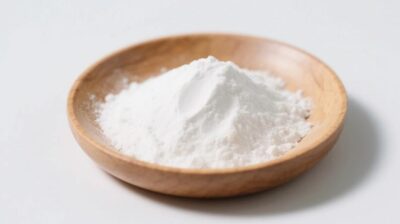
Organic Inulin
Organic inulin is a certified-organic prebiotic soluble fiber (90%+) from non-GMO chicory. It adds…


