The Growing Demand for Healthier Beverages
With consumers becoming more health-conscious, the demand for low-sugar and high-fiber beverages is on the rise. From protein shakes to fruit juices, beverages are an easy way to improve nutritional intake. However, formulating these products without compromising taste, texture, or shelf life can be challenging.
Organic resistant dextrin is emerging as a key ingredient that allows manufacturers to reduce sugar, increase fiber, and maintain product quality.
What Is Organic Resistant Dextrin?
Organic resistant dextrin is a soluble fiber derived from organic starches (such as corn or tapioca) that resists digestion in the small intestine and contributes minimal calories. Its primary benefits are:
- Neutral flavor and odor
- Excellent solubility in water
- Heat and pH stability during processing
- Prebiotic fiber benefits for digestive health
This makes it ideal for improving the fiber profile of a wide variety of beverages.
Key Benefits of Organic Resistant Dextrin in Beverages
1. Sugar Reduction Without Compromising Taste
Organic resistant dextrin replaces some of the sugar or glucose syrup in a formula without affecting the product’s sweetness or mouthfeel. While it’s not sweet on its own, it provides:
- Bulk and texture in beverages
- Improved mouthfeel, especially in sugar-reduced or no-sugar-added drinks
- No bitterness or aftertaste
This allows manufacturers to achieve sugar reduction goals without compromising the sensory experience.
2. Fiber Enrichment
Adding organic resistant dextrin to beverages increases soluble fiber content, supporting digestive health claims and helping meet daily fiber intake recommendations.
3. Low Glycemic Impact
Because it resists digestion in the small intestine, organic resistant dextrin does not contribute to rapid blood sugar spikes, making it ideal for low glycemic index (GI) beverages.
Powder vs. Syrup: Choosing the Right Format
- Powder:
- Best for powdered drink mixes, protein powders, and instant beverages
- Easy to blend into dry mixes and achieve precise fiber dosing
- Syrup:
- Ideal for ready-to-drink (RTD) beverages, juices, smoothies, and liquid supplements
- Provides excellent solubility and uniform dispersion in liquid formulations
Both formats allow for easy integration into beverage formulations, offering flexibility in product development.
Applications in Beverage Formulation
Organic resistant dextrin works well in:
- RTD beverages (fruit juices, iced teas, flavored waters)
- Protein shakes and meal replacement drinks
- Functional beverages (energy drinks, vitamin waters, detox drinks)
- Sports drinks and recovery beverages
- Plant-based drinks (almond milk, oat milk, soy milk)
How To Use Organic Resistant Dextrin in Beverages
Step 1: Determine the Fiber Enrichment Goal
Decide the desired fiber content or GI reduction to meet product claims.
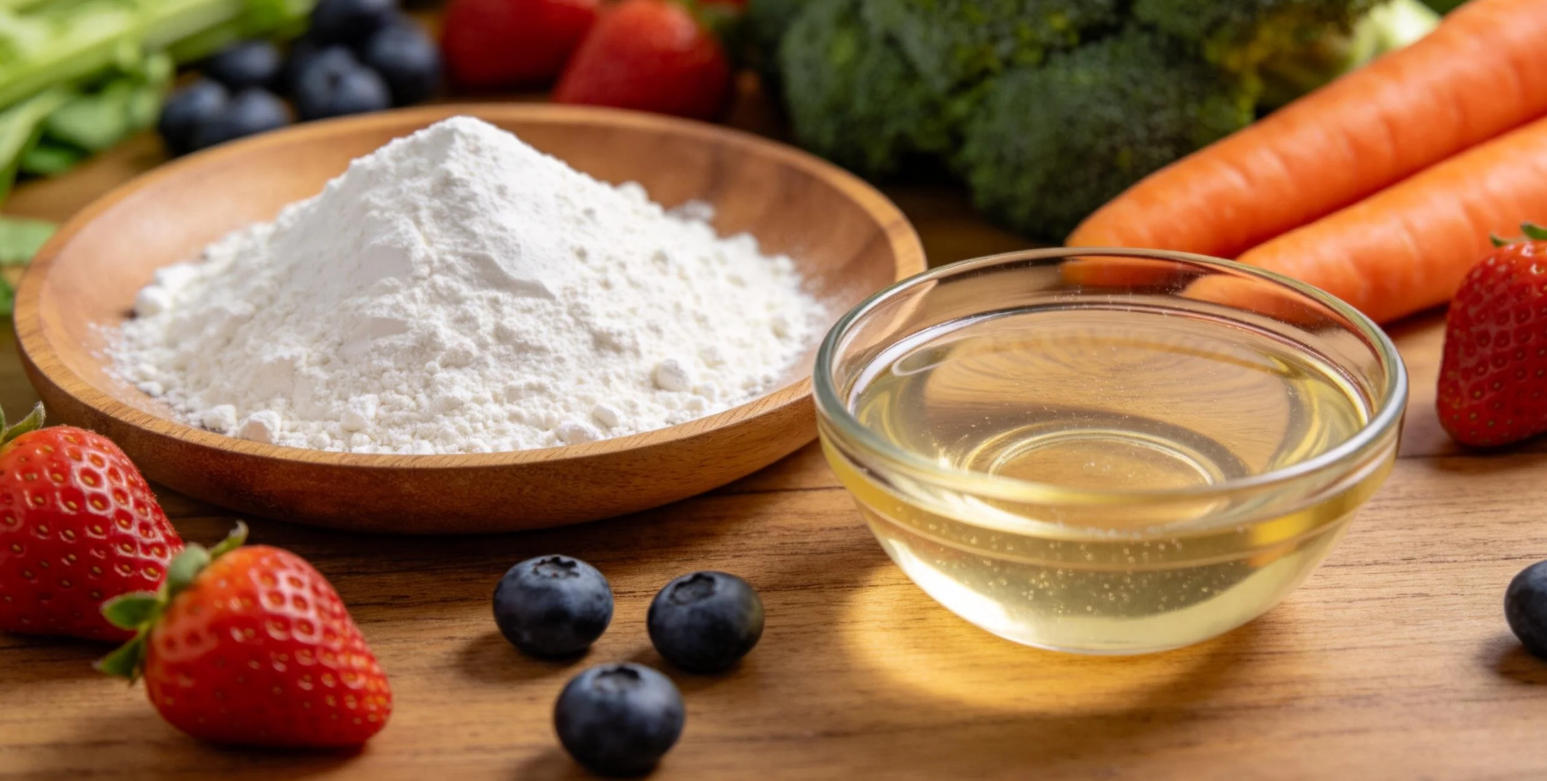
Step 2: Select the Appropriate Format
Choose between powder or syrup based on your product format (dry mix vs. liquid).
Step 3: Replace Sugar Gradually
Substitute part of the sugar or glucose syrup with organic resistant dextrin, adjusting the sweetener separately if necessary.
Step 4: Test Solubility and Texture
Ensure the fiber integrates smoothly without affecting clarity, texture, or mouthfeel.
Step 5: Validate Nutritional Claims
Confirm fiber levels and ensure the product meets regional regulations for fiber or low-GI claims.
FAQ: Organic Resistant Dextrin in Beverages
Q1: Does organic resistant dextrin alter the taste of beverages?
A: No. Organic resistant dextrin is neutral in taste and odor, so it does not affect the flavor of the beverage.
Q2: Can organic resistant dextrin be used in clear beverages?
A: Yes. It is completely soluble and does not affect the clarity of beverages.
Q3: Is organic resistant dextrin suitable for keto or low-carb drinks?
A: Yes. It has a very low glycemic impact and contributes minimal net carbs, making it suitable for keto and low-carb formulations.
Q4: Can organic resistant dextrin replace all sugar in beverages?
A: It can replace part of the sugar or glucose syrup but needs to be combined with sweeteners to achieve the desired sweetness.
Q5: Does it affect the shelf life of beverages?
A: No. Organic resistant dextrin is stable under heat and pH conditions, and it helps improve the shelf life of beverages without affecting quality.
Related Products
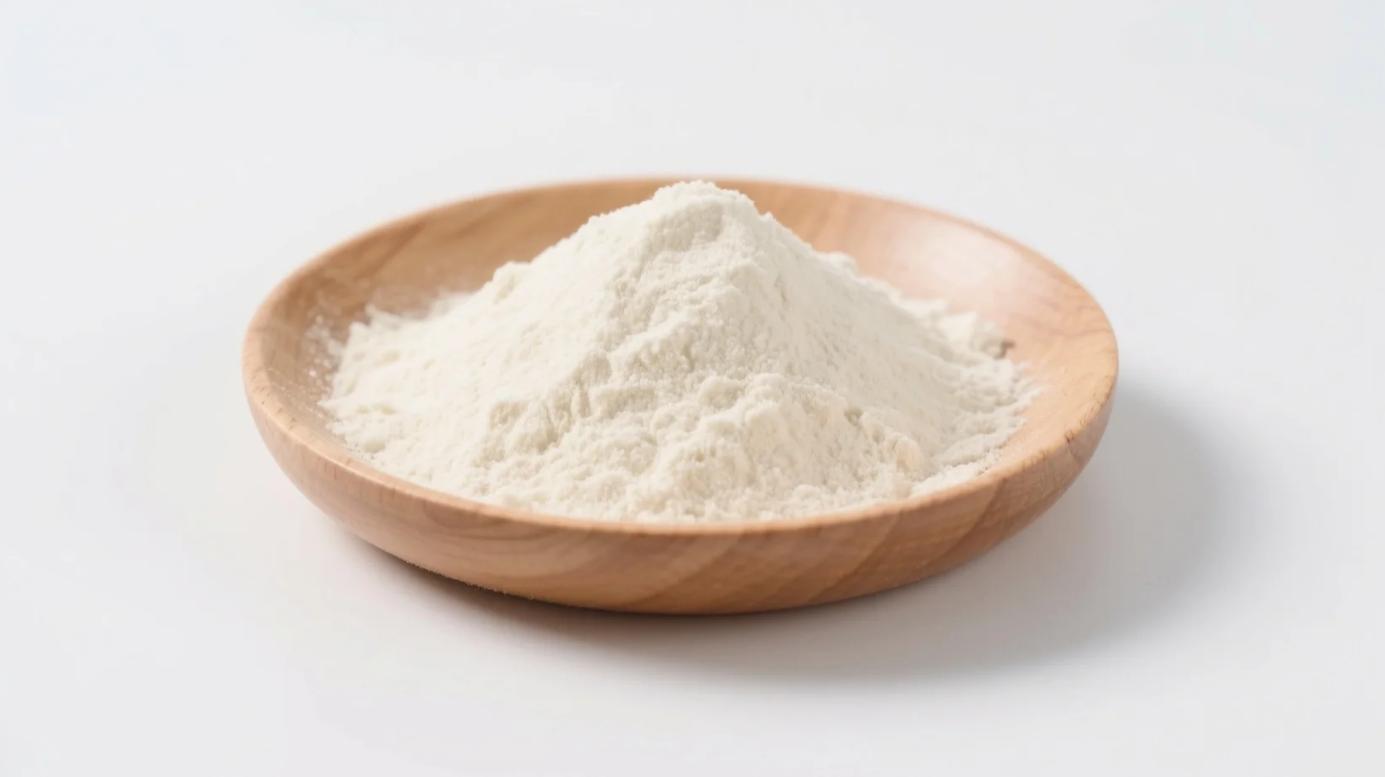
Organic Resistant Dextrin
Low-Calorie Prebiotic Fiber for Digestive Health & Clean-Label Formulations
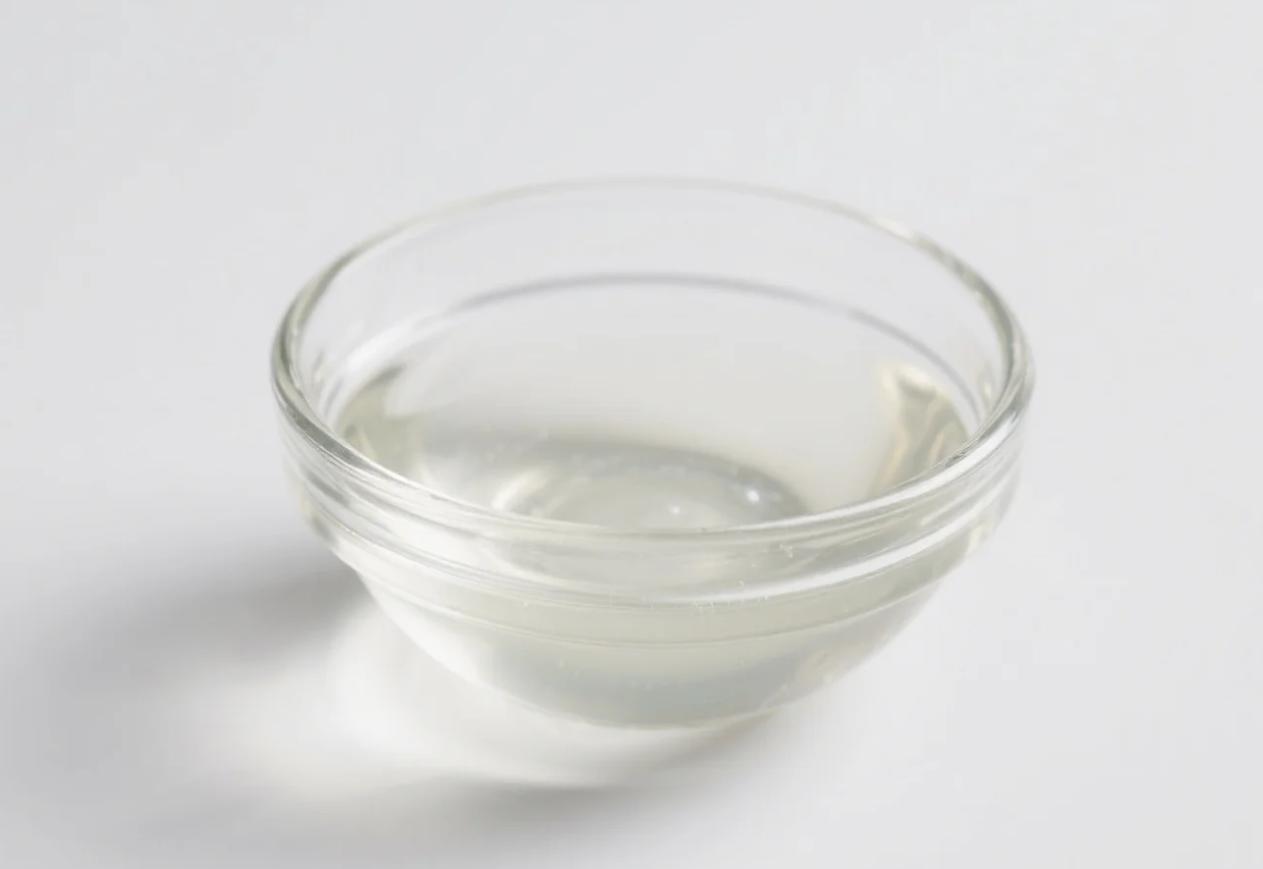
Organic Glucose Syrup
Natural Sweetener & Functional Ingredient for Food, Beverage & Confectionery