As global food brands continue to move toward clean label, organic, and transparent ingredient lists, organic dextrose powder has become an increasingly important carbohydrate ingredient. For manufacturers seeking reliable sweetness, functional performance, and organic certification, organic dextrose offers a versatile and consumer-friendly solution.
This article explains what organic dextrose powder is, how it differs from conventional dextrose, and how it is commonly used in clean label food and beverage formulations.
What Is Organic Dextrose Powder?
Organic dextrose powder is a simple carbohydrate (D-glucose) derived from certified organic starch sources, most commonly organic corn or organic tapioca. It is produced through enzymatic hydrolysis under strict organic processing standards and certified according to recognized organic regulations (such as USDA Organic or EU Organic).
Unlike conventional dextrose, organic dextrose:
- Uses non-GMO, organically grown raw materials
- Avoids synthetic processing aids
- Meets strict traceability and certification requirements
- Aligns with clean label and natural positioning
From a chemical perspective, organic dextrose is identical to conventional dextrose, but its source, processing method, and certification make it suitable for organic and premium food products.
Why Organic Dextrose Is Considered Clean Label
Clean label does not have a single legal definition, but it typically refers to ingredients that are:
- Easy to understand
- Minimally processed
- Transparently sourced
- Free from artificial additives
Organic dextrose fits well into this framework because it is:
- Labeled simply as “organic dextrose” or “organic glucose”
- Derived from plant-based sources
- Recognized and accepted by organic certification bodies
- Familiar to both regulators and consumers
For brands targeting health-conscious or organic-focused markets, organic dextrose helps maintain functionality without compromising label simplicity.
Functional Roles of Organic Dextrose in Food Formulations
Organic dextrose is more than just a sweetener. It performs multiple technical functions across a wide range of applications:
1. Mild Sweetness and Flavor Balance
Organic dextrose provides approximately 70–75% of the sweetness of sucrose, making it ideal for balancing flavor without overpowering other ingredients.
2. Texture and Mouthfeel Improvement
It contributes to body and mouthfeel, especially in powdered products, beverages, and nutritional blends.
3. Browning and Color Development
As a reducing sugar, organic dextrose supports Maillard reactions in baked goods, improving crust color and aroma.
4. Fermentation Support
It serves as an efficient carbohydrate source for yeast and cultures in bakery and fermented products.
Common Applications of Organic Dextrose
Organic dextrose powder is widely used in:
- Organic bakery products (bread, cookies, cakes)
- Organic beverages and drink mixes
- Sports nutrition and energy powders
- Organic dairy and dairy-free alternatives
- Confectionery and snack products
- Infant, medical, and special dietary foods (where regulations allow)
Its high solubility and neutral taste make it especially suitable for instant and powdered formulations.
How To Use Organic Dextrose in Clean Label Formulations
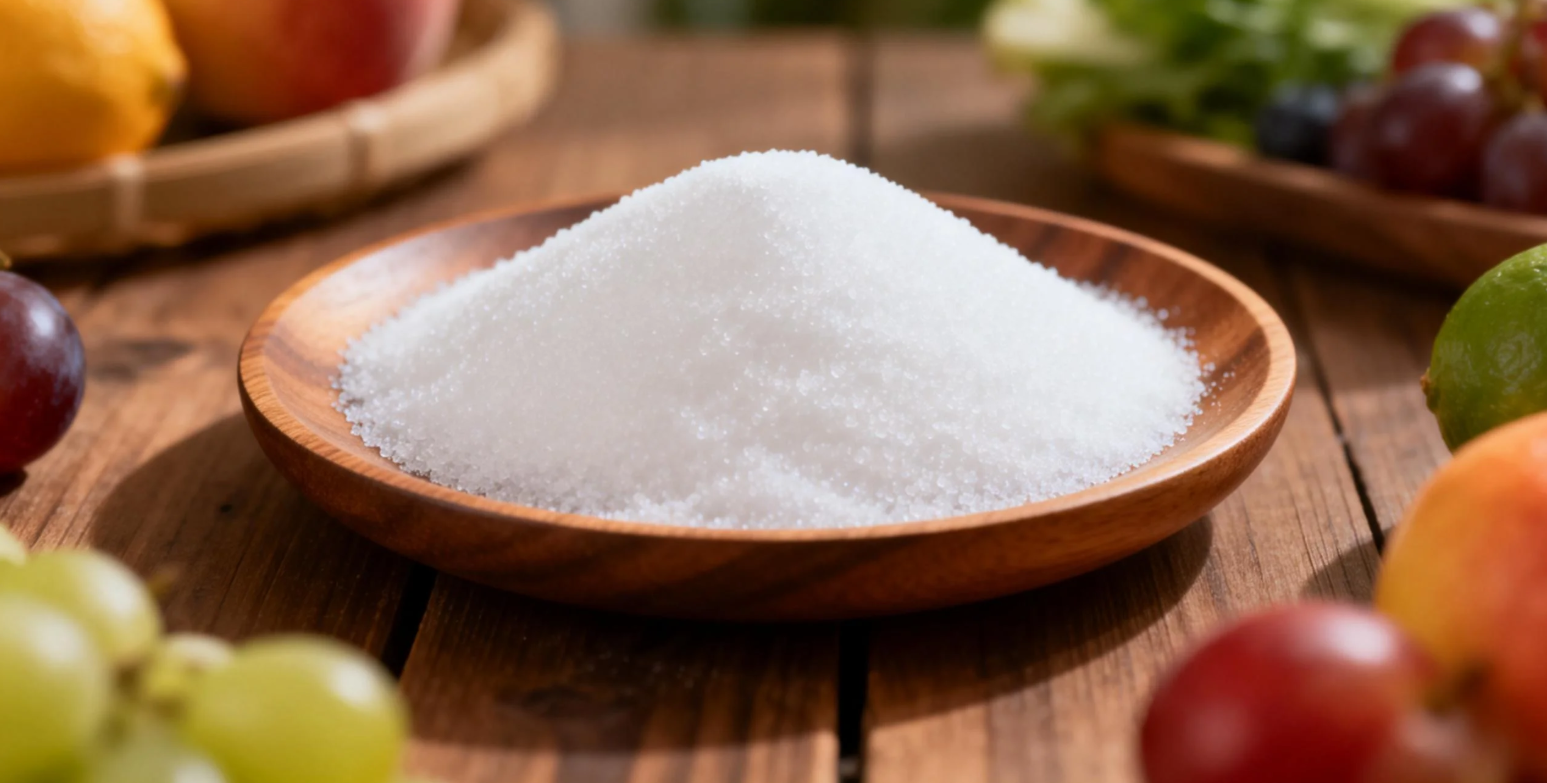
How To Use Organic Dextrose in Clean Label Formulations
Step 1: Define the Functional Objective
Determine whether organic dextrose is needed for sweetness, texture, fermentation, or processing efficiency.
Step 2: Select the Right Specification
Choose the appropriate DE value, particle size, and solubility profile based on your application.
Step 3: Optimize Dosage
Organic dextrose is often used in combination with other sweeteners or carbohydrates. Adjust usage levels to achieve the desired sweetness and functional performance.
Step 4: Validate Processing Compatibility
Test organic dextrose under real production conditions, including mixing, heating, and storage.
Step 5: Ensure Certification Compliance
Confirm that the organic dextrose supplier provides valid organic certificates and full documentation for audits and label claims.
Key Considerations When Sourcing Organic Dextrose
For B2B buyers, important sourcing factors include:
- Organic certification (USDA, EU, or equivalent)
- Non-GMO status
- Batch-to-batch consistency
- Microbiological and purity specifications
- Reliable supply and bulk packaging options
Working with experienced organic ingredient suppliers ensures stable quality and long-term formulation success.
FAQ: Organic Dextrose Powder
Is organic dextrose the same as sugar?
No. Organic dextrose is glucose, while sugar (sucrose) is a disaccharide made of glucose and fructose. They differ in sweetness, functionality, and metabolic behavior.
Can organic dextrose be labeled as natural?
In most markets, organic dextrose is considered compatible with natural and clean label claims, but labeling regulations vary by region.
Is organic dextrose suitable for vegan products?
Yes. Organic dextrose is plant-derived and suitable for vegan and vegetarian formulations.
Does organic dextrose affect blood sugar?
Like all glucose-based carbohydrates, organic dextrose has a high glycemic index and should be used responsibly in product formulation.
Can organic dextrose replace sucrose completely?
In some applications yes, but in others it is best used in combination with other sweeteners to achieve optimal sweetness and texture.
Conclusion
Organic dextrose powder is a highly functional, clean label carbohydrate ingredient that supports organic certification, formulation performance, and transparent labeling. For manufacturers developing organic, natural, or premium food products, it offers a reliable balance between functionality and consumer expectations.
Recommended Product
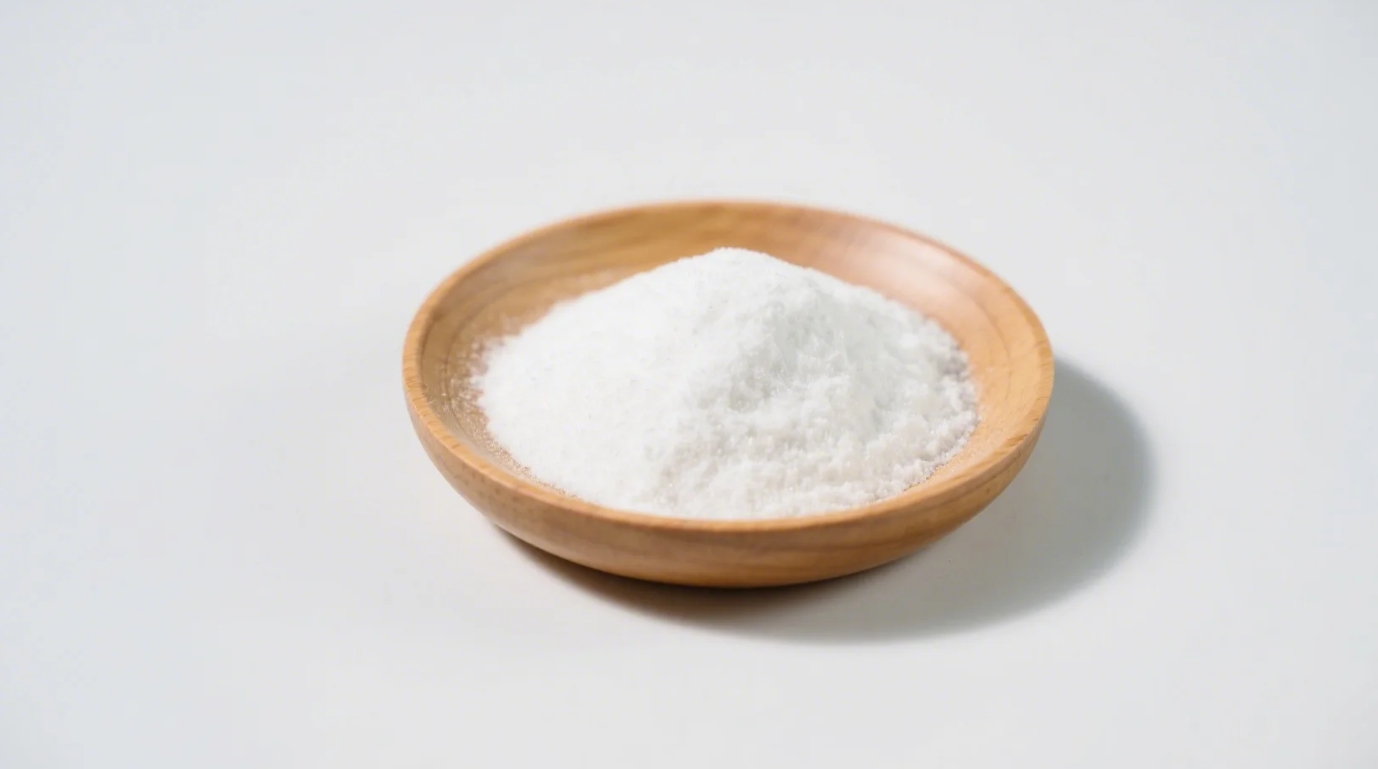
Organic Dextrose Powder
Natural Energy Source for Food, Beverage, Pharma & Sports Nutrition