
When most people hear about fructooligosaccharides (FOS), they picture industrial food production facilities or supplement factories. The reality is far more approachable. Organic FOS powder and syrup deserve a place in your home kitchen, right alongside honey, maple syrup, and other pantry staples. This prebiotic fiber offers a mildly sweet taste with roughly 30-50% of the sweetness of sugar, along with the added benefit of feeding beneficial gut bacteria. Unlike artificial sweeteners, FOS provides actual nutrition in the form of dietary fiber that supports digestive wellness.
Whether you are a home baker looking to reduce refined sugar, a smoothie enthusiast seeking better ingredients, or a pet parent researching canine nutrition, organic FOS has practical applications that extend well beyond commercial manufacturing. The key lies in understanding how to use it properly—knowing the right substitution ratios, recognizing its effects on texture and moisture, and starting with appropriate serving sizes.
Using FOS in Baking
Baking with organic FOS powder requires a shift in mindset. Unlike sugar, which provides bulk, browning, and structural support to baked goods, FOS primarily contributes sweetness and moisture retention. You cannot simply replace every gram of sugar with FOS and expect identical results.
Substitution Ratios That Work
Start by replacing 25-30% of the sugar in a recipe with FOS powder. This modest substitution maintains enough sugar to support proper browning and structure while reducing the overall glycemic impact. For example, if a cookie recipe calls for 200 grams of sugar, try using 140 grams of sugar and 60 grams of FOS powder.
As you gain experience, you can push to 50% substitution in certain recipes, particularly those that are naturally moist—think banana bread, zucchini muffins, or brownies. Dry, crisp cookies and meringues are less forgiving and benefit from keeping at least 50% real sugar in the mix.
Moisture and Texture Effects
FOS is hygroscopic, meaning it attracts and holds water. In practical terms, this makes baked goods noticeably more moist and extends their shelf life. The trade-off is that baked goods with high FOS content can become gummy if you overdo it.
When substituting FOS for sugar in cakes and quick breads, consider reducing the liquid in the recipe by 1-2 tablespoons per ½ cup of FOS used. This small adjustment prevents excess moisture from making the crumb too dense.
Browning Considerations
Sugar caramelizes and helps baked goods develop that appealing golden-brown color. FOS does not caramelize in the same way. Baked goods made with significant FOS substitution may look paler than expected. To compensate, brush the tops with milk or egg wash before baking, increase the oven temperature by 10-15°F for the final 5 minutes, or use a little honey alongside FOS for color development.
Best Recipes for FOS Substitution
Some baked goods handle FOS substitution better than others. The most successful candidates include quick breads and loaves (banana, pumpkin, zucchini), fruit-based muffins, soft cookies and bars (chewy oatmeal, blondies, soft ginger cookies), and yeast breads with a touch of sweetness.
FOS in Smoothies and Beverages
Organic FOS powder dissolves readily in room-temperature or warm liquids, making it an excellent addition to smoothies, protein shakes, and homemade beverages. The powder has a clean, slightly sweet taste that blends well with fruit, chocolate, and nut flavors.
Dissolving Tips
FOS powder dissolves most easily when added to a blender with other ingredients. If mixing by hand, dissolve FOS in a small amount of warm liquid first, then add to the full beverage. For cold drinks where powder might not dissolve completely, use FOS syrup instead.
Flavor Pairing
FOS has a mild sweetness with subtle honey-like and fruity notes. It pairs naturally with berries, citrus (lemon, lime, orange), chocolate and cocoa, and warm spices like vanilla and cinnamon.
Dosage Per Drink
A typical serving is 1-3 grams of FOS powder per beverage. This provides sweetness equivalent to about 1-1.5 teaspoons of sugar. For a standard 12-16 ounce smoothie, start with 1 teaspoon (about 2-3 grams) of FOS powder. People new to prebiotic fibers should start at the lower end and increase gradually over 1-2 weeks to allow the digestive system to adapt.
Yogurt, Oatmeal, and Breakfast Bowls
Stirring FOS powder into yogurt, oatmeal, and breakfast bowls is perhaps the simplest way to incorporate this prebiotic fiber into your daily routine. The powder dissolves easily into the moisture of these foods and distributes evenly throughout.
Add 1-2 grams of FOS powder (roughly ½ to 1 teaspoon) per serving of yogurt or oatmeal. Stir thoroughly for complete dissolution without grittiness. The mild sweetness enhances plain yogurt without overwhelming it. FOS also helps overnight oats maintain a pleasant texture, preventing them from becoming too stiff as they sit.
One subtle effect: FOS can make dairy-based foods taste slightly fuller or rounder, enhancing the creamy perception without adding fat.
Homemade Protein Bars and Snacks
FOS powder and syrup both function as mild binding agents in homemade snacks. While they cannot fully replace sticky binders like dates, nut butter, or honey, they contribute to structure and help hold ingredients together.
Binding Properties
FOS syrup is the more effective binder. It has a texture similar to thin honey and helps coat dry ingredients. In no-bake protein bars, using 1-2 tablespoons of FOS syrup alongside nut butter or honey improves the final texture and reduces the need for as much refined sweetener.
FOS powder can also contribute to binding when the recipe includes enough moisture from other ingredients (nut butter, mashed banana, yogurt, or eggs). The powder absorbs some of that moisture and helps create a cohesive texture.
No-Bake Recipe Framework
A basic no-bake protein bar formula: 1 cup rolled oats, ½ cup nut butter, ¼ cup protein powder, 2-3 tablespoons FOS syrup, 1-2 tablespoons liquid, and a pinch of salt. Mix dry ingredients, warm the nut butter and syrup until fluid, combine everything, press firmly into a parchment-lined pan, refrigerate for 2 hours, and cut into bars.
FOS works in baked protein cookies and energy bites as well. Replace 30-40% of the sweetener with FOS powder in recipes for oatmeal protein cookies, almond flour soft cookies, and soft-baked breakfast cookies with mashed banana.
FOS for Dogs: Benefits and Safety
Many dog owners first encounter FOS when reading ingredient labels on premium dog foods. This prebiotic fiber appears in many high-quality canine diets because it offers genuine benefits for digestive health when used appropriately.
Prebiotic Support for Canine Gut Health
Dogs host a complex community of gut bacteria that influence digestion, immune function, and overall health. FOS passes through the upper digestive tract without being fully broken down, then reaches the colon where it ferments and feeds beneficial bacteria, particularly species of Bifidobacterium and Lactobacillus. Research shows that FOS supplementation can increase beneficial bacterial populations, improve stool quality and consistency, and support nutrient absorption.
Dosage by Weight
Dosage guidelines for dogs are based on body weight. For supplementary use (adding a small amount to regular food):
- Small dogs (under 20 lbs): 0.5-1 gram per day
- Medium dogs (20-50 lbs): 1-2 grams per day
- Large dogs (50+ lbs): 2-3 grams per day
Always start at the lower end. A sudden increase in prebiotic fiber can cause gas, bloating, and loose stools in dogs, just as in humans.
Safety Considerations
FOS is generally recognized as safe for dogs when fed in appropriate amounts. However, several important caveats apply. Introduce FOS gradually over 1-2 weeks and watch for changes in stool consistency. Dogs with inflammatory bowel disease or sensitive digestion may not tolerate FOS well—consult your veterinarian before adding any supplement to the diet of a dog with digestive issues. If a dog is currently experiencing diarrhea, do not add FOS, as the fermentation process can worsen loose stools.
Use organic, food-grade FOS intended for human consumption. Avoid industrial-grade FOS or products with unnecessary additives.
If your veterinarian approves, sprinkle a small amount of FOS powder over your dog’s regular food. Mix it into wet food or moisten dry kibble slightly so the powder adheres. You can also mix FOS into homemade dog treats with ingredients like pumpkin puree, oat flour, and peanut butter (xylitol-free).
Tips for Getting Started
Start Low, Go Slow
The single most important guideline with FOS is to begin with a small amount. Starting with 1-2 grams per day (roughly ½ to 1 teaspoon of powder) for the first week allows beneficial bacteria to respond without producing uncomfortable gas or bloating. If all goes well after a week, you can increase to 3-5 grams per day if desired.
Track Your Tolerance
Everyone’s gut bacteria are different. Some people tolerate FOS without any issues from the first day. Others need several weeks of gradual increase. Keep a simple note of how you feel—are you experiencing more gas than usual, has your digestion changed, do you feel comfortably regular? If you experience persistent bloating or discomfort, reduce the amount or pause for a few days and restart at a lower dose.
Combine with Other Prebiotics and Probiotics
FOS works well alongside other prebiotic fibers like inulin, resistant starch (from cooled cooked potatoes, rice, or green bananas), and pectin (from apples and citrus). Eating a variety of prebiotic-containing foods supports a more diverse gut microbiome than relying on any single ingredient. If you take a probiotic supplement, FOS can work synergistically by providing the beneficial bacteria with the food they need to thrive.
Cooking and Heat Stability
FOS is stable at typical baking and cooking temperatures. You can bake with it, stir it into hot oatmeal, or add it to warm beverages without destroying its prebiotic properties. Extended high-heat processing (such as in commercial canning) can break down some FOS molecules, but home cooking methods are perfectly safe.
Storage and Shelf Life
Organic FOS powder and syrup store well when kept properly. The powder is shelf-stable for 12-24 months when stored in a cool, dry place away from direct sunlight. Keep it in an airtight container to prevent moisture absorption.
FOS syrup also stores well at room temperature in an airtight container. If the syrup crystallizes over time, gently warming the container in a bowl of hot water restores its pourable consistency. Once opened, both forms should be used within 6-12 months for best quality.
About Our Organic FOS
Our organic FOS powder and syrup are produced from organic sugarcane or organic Jerusalem artichoke using enzymatic conversion methods that preserve the prebiotic properties of the final product. The powder has a clean, mildly sweet taste and dissolves easily in both hot and cold applications, making it a versatile ingredient for home kitchens and small-batch food production. Each batch is tested for purity and prebiotic activity to ensure consistent quality.
Recommended Products
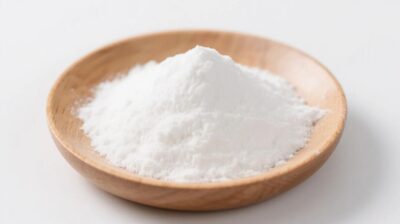
Fructooligosaccharides
Fructooligosaccharides (FOS) is a prebiotic fiber at 95% purity from non-GMO sugarcane or chicory.…
Organic Isomaltoligosaccharides
Organic isomaltoligosaccharides (IMO) powder is a certified-organic prebiotic fiber (90%+) from non-GMO corn or…