As global demand for reduced-sugar and better-for-you products continues to grow, food and beverage manufacturers face a persistent challenge: how to lower sugar content without sacrificing taste, texture, or consumer satisfaction. Traditional sugar substitutes often fall short, introducing bitterness, cooling effects, or formulation instability.
Organic allulose powder and organic allulose syrup are emerging as powerful solutions for brands looking to meet clean-label, low-sugar, and organic product demands—without compromising sensory quality.
What Makes Organic Allulose Different From Other Sweeteners?
Allulose is a rare sugar naturally found in small amounts in fruits such as figs and raisins. Structurally similar to sucrose, it delivers approximately 70% of sugar’s sweetness but contributes virtually zero calories and has minimal impact on blood glucose levels.
Unlike high-intensity sweeteners or sugar alcohols, organic allulose behaves like sugar during processing. This makes both organic allulose powder and organic allulose syrup especially attractive for manufacturers who want functional performance alongside nutritional benefits.
Key Benefits of Organic Allulose Powder and Syrup for Manufacturers
Sugar-Like Taste and Mouthfeel
Organic allulose provides a clean, sugar-like sweetness without bitterness or lingering aftertaste. This makes it ideal for applications where flavor authenticity is critical.
Functional Performance in Processing
Both powder and syrup forms support browning, freezing point depression, and moisture retention—key properties that many alternative sweeteners lack.
Clean Label and Organic Positioning
Certified organic allulose aligns with consumer expectations for transparency, minimal processing, and natural ingredient sourcing.
Low Glycemic Impact
Organic allulose does not significantly raise blood glucose or insulin levels, making it suitable for diabetic-friendly and keto-oriented product lines.
Powder vs. Syrup: Which Organic Allulose Format Is Right for Your Application?
Organic Allulose Powder is commonly used in:
- Dry beverage mixes
- Nutritional powders
- Bakery premixes
- Protein bars and functional snacks
Organic Allulose Syrup is preferred for:
- Ready-to-drink beverages
- Sauces and syrups
- Dairy alternatives
- Confectionery and fillings
Choosing the right format depends on processing methods, moisture requirements, and desired texture.
How To Use Organic Allulose Powder and Syrup in Product Formulation
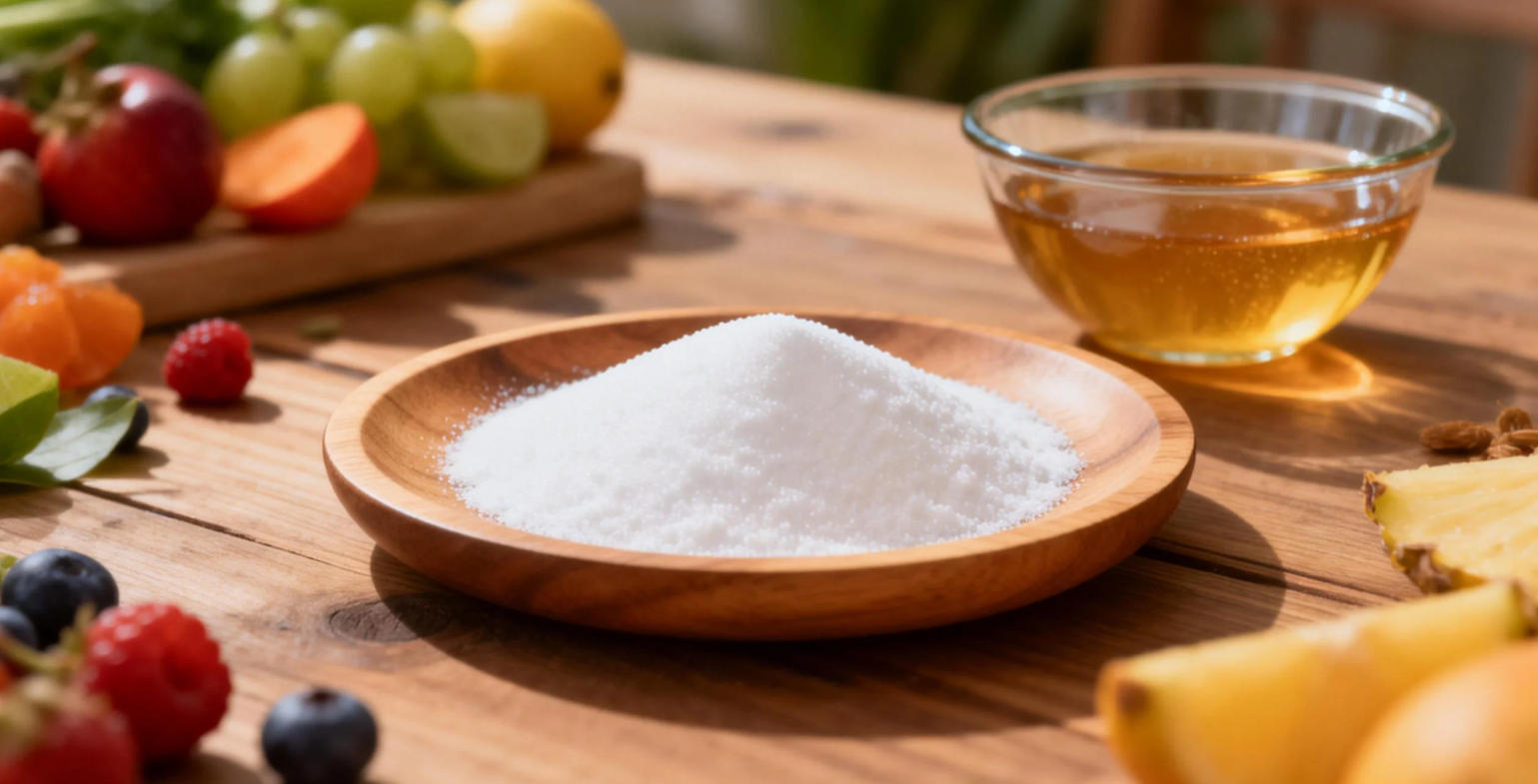
How To Use Organic Allulose Powder and Syrup in Product Formulation
Step 1: Define Your Sugar Reduction Target
Determine whether you are partially replacing sugar or aiming for a near-zero sugar formulation. Organic allulose can often replace 30–100% of sucrose depending on the application.
Step 2: Select the Appropriate Form
Use powder for dry or low-moisture systems and syrup for liquid-based or high-moisture formulations.
Step 3: Adjust Sweetness Levels
Because allulose is slightly less sweet than sugar, minor formulation adjustments may be needed to achieve the desired sweetness profile.
Step 4: Test Processing Behavior
Evaluate browning, freezing, and shelf stability, as organic allulose performs differently from sugar under heat and cold conditions.
Step 5: Validate Labeling and Regulatory Compliance
Ensure organic certification and labeling align with your target markets.
Why B2B Buyers Are Switching to Organic Allulose
For product developers and procurement teams, organic allulose offers a rare combination of functionality, nutrition, and market appeal. It reduces formulation complexity while helping brands respond to sugar reduction regulations and shifting consumer preferences.
Manufacturers sourcing organic allulose powder or syrup also benefit from supply consistency, scalable production, and compatibility with existing formulations.
Frequently Asked Questions
Is organic allulose suitable for organic-certified products?
Yes. Organic allulose powder and syrup can be certified organic when produced according to organic standards and sourced from approved raw materials.
Does organic allulose affect product shelf life?
Organic allulose generally supports moisture retention and stability, but shelf-life performance should be validated for each specific formulation.
Can organic allulose replace sugar one-to-one?
In many applications, organic allulose can replace sugar at similar ratios, though sweetness adjustments may be required.
Is organic allulose suitable for beverages?
Yes. Organic allulose syrup is especially well-suited for beverages due to its solubility and clean taste.
How does organic allulose compare to erythritol or stevia?
Unlike erythritol, organic allulose does not create a cooling effect. Compared to stevia, it provides bulk and functional performance similar to sugar.
Final Thoughts
Organic allulose powder and organic allulose syrup are redefining what is possible in low-sugar product development. By delivering sugar-like taste, excellent processing performance, and strong clean-label appeal, they help brands innovate with confidence in competitive health-focused markets.
For manufacturers seeking a future-proof sweetening solution, organic allulose is no longer just an alternative—it is a strategic ingredient.
Recommended Product
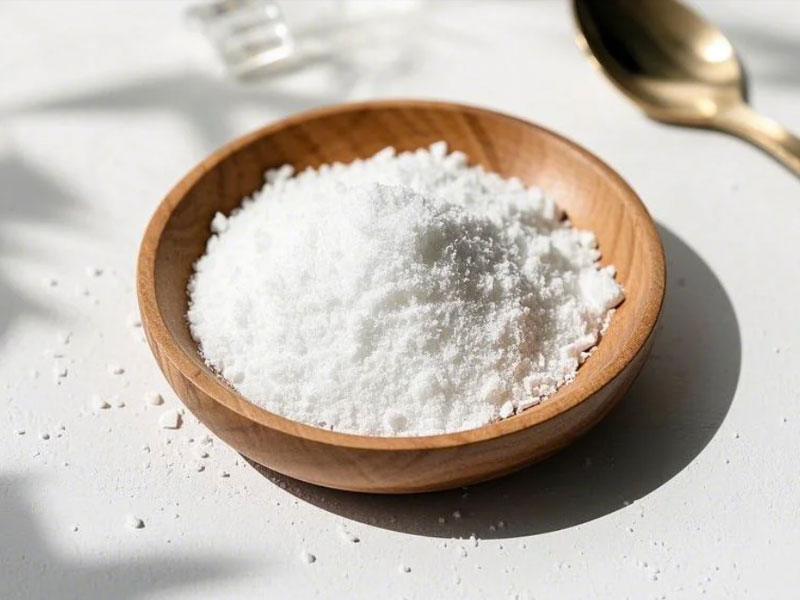
Organic Allulose Sweetener
Zero-Calorie, Natural Sweetener for Clean-Label Food, Beverage & Keto Formulations