As sugar reduction becomes a long-term strategy rather than a short-term trend, food and beverage manufacturers are actively seeking ingredients that offer both functional performance and consumer acceptance. Organic allulose has emerged as a highly effective solution, but successful application requires more than simply replacing sugar at a 1:1 ratio.
This guide explains how to use organic allulose powder and syrup effectively, highlights key formulation considerations, and answers common questions from R&D and procurement teams.
Why Organic Allulose Requires a Strategic Approach
Organic allulose provides approximately 70% of the sweetness of sucrose, along with many sugar-like functional properties. However, sugar plays multiple roles in formulations, including sweetness, bulk, moisture, browning, and stability.
To achieve optimal results, manufacturers should treat organic allulose as a formulation tool, not just a sweetener substitute.
How To Use Organic Allulose: Step-by-Step Guidance
How To Use Organic Allulose: Step-by-Step Guidance
1: Define the Sugar Reduction Target
Start by identifying whether the goal is:
Partial sugar reduction (e.g. 30–50%)
Significant reduction (50–70%)
Near sugar-free positioning
Organic allulose works especially well in partial and moderate sugar reduction, where taste and texture must closely match original products.
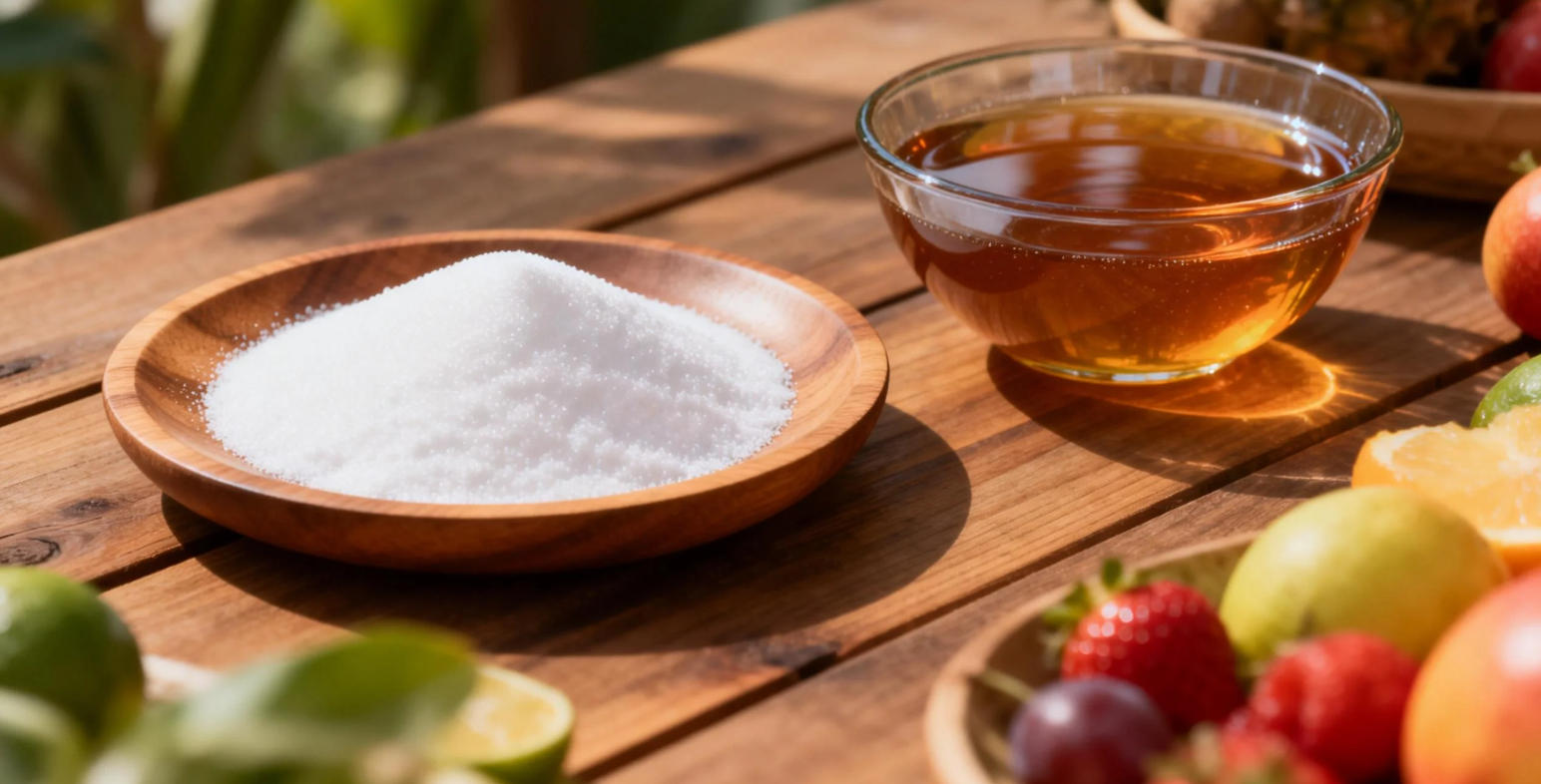
2: Choose the Right Format (Powder or Syrup)
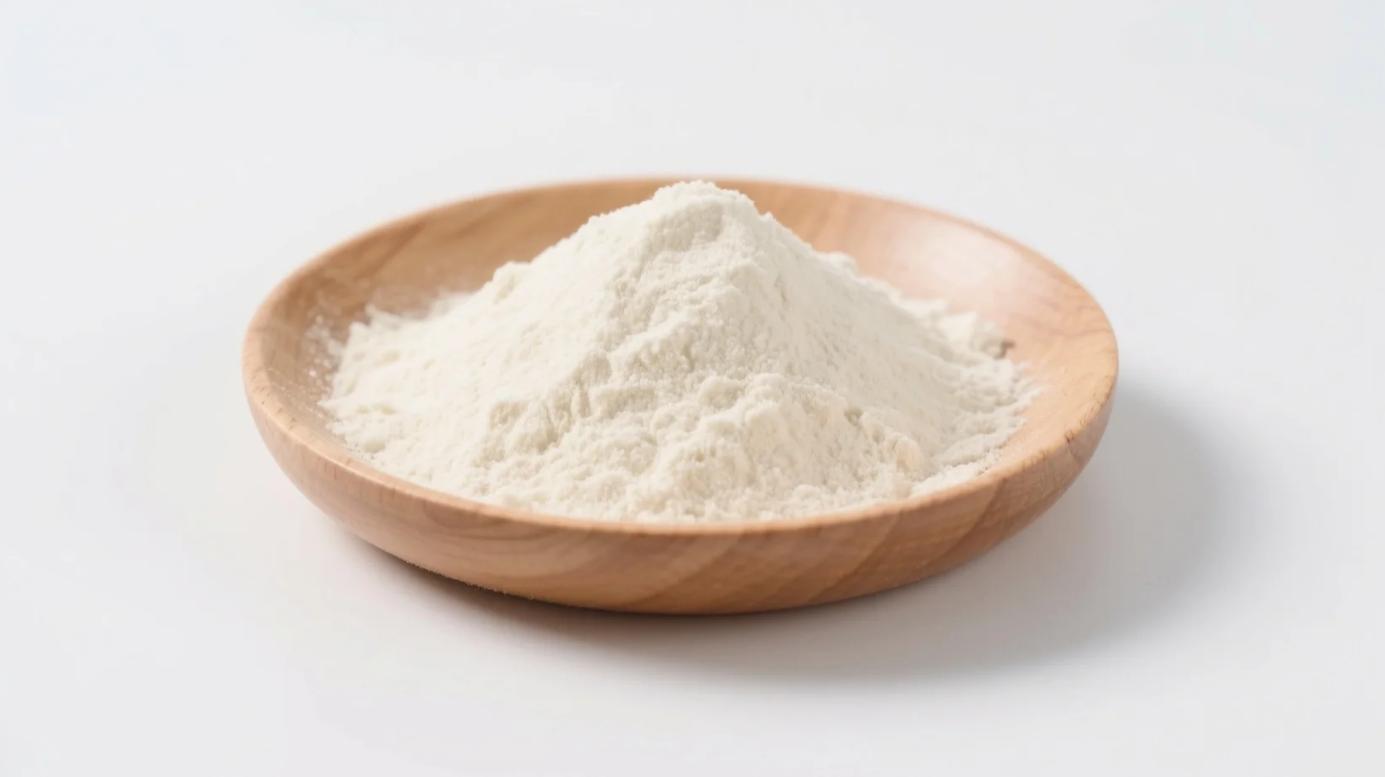
Organic allulose powder
Best for bakery, dry mixes, snack bars, and confectionery
Ideal when precise dosing and dry blending are required
Organic allulose syrup
Best for beverages, dairy, sauces, and soft-texture products
Reduces processing steps and improves sweetness distribution
Selecting the correct format improves both production efficiency and formulation stability.
3: Adjust Sweetness Levels
Since allulose is less sweet than sucrose:
Replace sugar by weight, then adjust sweetness
Combine with small amounts of other natural sweeteners if needed
Avoid overuse, which may affect cost or texture
In many applications, blending allulose with fibers or low-intensity sweeteners produces the best balance.
4: Maintain Texture and Mouthfeel
Organic allulose contributes to bulk and moisture, but in high sugar-reduction scenarios:
Fibers (such as resistant dextrin or polydextrose) can help restore structure
Syrup format can improve softness and moisture retention
Baking time and temperature may require minor adjustments
Pilot testing is essential to ensure consumer-acceptable texture.
5: Validate Stability and Shelf Life
Allulose performs well under:
Heat processing
Freezing and thawing
Acidic and neutral pH systems
Manufacturers should conduct shelf-life testing to confirm color, moisture, and sweetness stability across the product lifecycle.
Key Applications for Organic Allulose
Organic allulose is widely used in:
- Bakery products (cookies, cakes, muffins)
- Beverages and RTD drinks
- Dairy and plant-based alternatives
- Functional foods and protein products
- Low-glycemic and diabetic-friendly foods
Its versatility makes it suitable for multi-category product lines.
FAQ: Organic Allulose in Food Manufacturing
Can organic allulose fully replace sugar?
In some applications, yes. However, most manufacturers achieve the best results with partial replacement, preserving sweetness, texture, and cost efficiency.
Does organic allulose affect blood sugar levels?
Organic allulose has minimal impact on blood glucose and insulin, making it suitable for low-glycemic and diabetic-friendly products.
Is organic allulose suitable for clean-label products?
Yes. Organic allulose is naturally derived and certified organic, supporting clean-label and premium positioning.
Powder or syrup—which is better?
Neither is universally better.
Powder suits dry and baked products
Syrup suits liquid and semi-liquid systems
Many manufacturers use both formats across different product categories.
Does allulose cause aftertaste or cooling effects?
No. Unlike sugar alcohols or some high-intensity sweeteners, organic allulose has a clean, sugar-like taste with no cooling effect.
Is organic allulose suitable for large-scale production?
Yes. Organic allulose is available in bulk quantities with consistent quality, making it suitable for industrial manufacturing.
B2B Value: Why Manufacturers Adopt Organic Allulose
- Reliable sugar reduction without taste compromise
- Functional performance similar to sucrose
- Compatibility with organic and clean-label claims
- Scalability for global food manufacturing
- Long-term relevance as sugar regulations tighten
Organic allulose enables brands to innovate with confidence.
Why Choose BIOSTARCH Organic Allulose
BIOSTARCH supplies organic allulose powder and organic allulose syrup designed for B2B manufacturers:
- USDA & EU certified organic
- Stable sweetness and functional consistency
- Bulk supply for industrial production
- Technical support for formulation and reformulation projects
Our team supports you from concept development to commercial scale-up.
Conclusion
Using organic allulose successfully requires thoughtful formulation, correct format selection, and proper testing. When applied strategically, it enables manufacturers to create sugar-reduced, clean-label, and consumer-approved products across multiple categories.
Contact BIOSTARCH to learn how organic allulose powder and syrup can support your sugar-reduction projects. We provide bulk supply, formulation guidance, and technical support for B2B food and beverage manufacturers.
Related Products
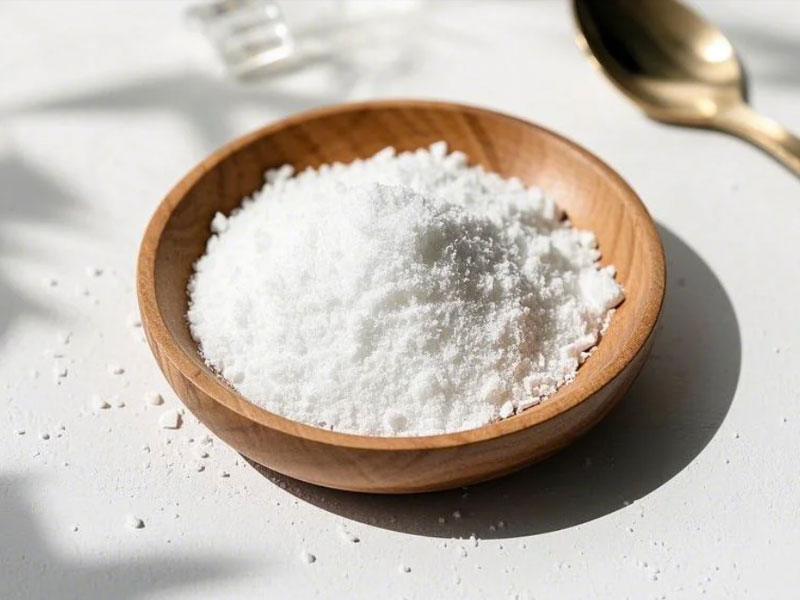
Organic Allulose Sweetener
Zero-Calorie, Natural Sweetener for Clean-Label Food, Beverage & Keto Formulations
Organic Resistant Dextrin
Low-Calorie Prebiotic Fiber for Digestive Health & Clean-Label Formulations