
Inulin has moved from an obscure food science term to a household ingredient quickly. You will find it listed on protein bars, yogurts, fiber supplements, and keto-friendly baked goods. The promise is attractive: a natural prebiotic fiber that supports digestion, helps regulate blood sugar, and may assist with weight management — all from a powder derived from chicory root or agave.
But if you search “inulin side effects” online, you will encounter a different narrative. People report bloating, gas, and digestive distress. Some forums advise avoiding it entirely if you have IBS. Others raise concerns about whether inulin could feed problematic gut bacteria rather than beneficial ones.
Both perspectives contain truth. This article separates the evidence from the alarm, covering what inulin actually does in the human body — and what it does not. If you are looking for a comprehensive introduction to inulin itself — its forms, sources, and aliases — start with our complete guide to organic inulin.
How Inulin Supports Gut Health
Inulin’s primary mechanism is prebiotic fermentation. Unlike digestible carbohydrates, inulin resists breakdown by enzymes in the stomach and small intestine. It arrives in the colon largely intact, where it becomes a substrate for gut microbiota.
The most consistent finding in inulin research is its ability to selectively stimulate Bifidobacterium populations. A 2017 systematic review of 34 randomized controlled trials in the European Journal of Clinical Nutrition confirmed that inulin-type fructans significantly increase fecal Bifidobacteria counts. This matters because Bifidobacteria produce short-chain fatty acids (SCFAs), compete with pathogenic bacteria, and support the intestinal barrier.
When gut bacteria ferment inulin, they produce SCFAs — primarily acetate, propionate, and butyrate. Butyrate serves as the primary fuel for colonocytes and helps maintain gut barrier integrity. Propionate influences hepatic metabolism. Acetate can cross the blood-brain barrier and may influence appetite regulation. This SCFA cascade is the foundation of inulin’s broader health effects: the benefits reported for blood sugar, weight, and immune function are downstream consequences of fermentation.
The relationship between inulin and bloating is nuanced. In the first week of use, inulin frequently causes increased gas — a normal result of bacterial fermentation. For most people, this effect diminishes as the microbiota adapts. Regular consumption may eventually reduce chronic bloating by shifting the microbial balance toward SCFA-producing genera and away from gas-forming, proteolytic bacteria. Starting with 2 to 3 grams per day and increasing gradually is the practical strategy that most clinical studies use to achieve good tolerability.
Inulin and Blood Sugar Regulation
The effect of inulin on blood glucose is indirect but supported by growing evidence. A 2016 meta-analysis in the Journal of Diabetes Research found that inulin-type fructans produce small but statistically significant reductions in fasting blood glucose and HbA1c in people with type 2 diabetes — reductions of roughly 0.3 to 0.5 mmol/L.
The mechanisms involve multiple pathways. SCFAs, particularly propionate, influence hepatic glucose production. The viscosity inulin provides in the GI tract may slow absorption of co-consumed carbohydrates. Improved gut barrier function reduces low-grade endotoxemia, which is associated with insulin resistance.
Inulin is fundamentally a dietary fiber. Replacing digestible carbohydrates with fiber — especially viscous, soluble fibers — consistently improves postprandial glycemic responses. When used as a partial sugar or fat replacer in baked goods or dairy, it reduces available carbohydrate load while contributing approximately 1.5 kcal per gram, compared to 4 kcal per gram for digestible carbohydrates.
For product formulators, organic inulin offers a dual function: it replaces sugar or fat while providing fiber and a prebiotic benefit — a combination few other ingredients can match. That said, inulin is not a diabetes treatment. Its effects are supportive, best viewed as part of a dietary pattern that includes other fiber sources, moderate carbohydrate intake, and regular activity.
Inulin for Weight Management
Inulin’s effect on weight management centers on satiety and appetite-regulating hormones. Physically, soluble fiber adds bulk and viscosity to stomach contents, slowing gastric emptying. The more distinctive mechanism is hormonal: fermentation of inulin produces SCFAs that stimulate L-cells to release GLP-1 and PYY — anorexigenic hormones that signal satiety to the brain and slow GI motility.
The clinical evidence is directionally positive. A 2019 meta-analysis in the American Journal of Clinical Nutrition found that inulin supplementation was associated with modest weight loss in overweight adults, particularly at doses of 10 grams per day or higher over at least 12 weeks. Effect sizes were small — typically 1 to 2 kg — but statistically significant. Short-term studies show more consistent effects on appetite, with participants consuming inulin-enriched meals spontaneously reducing energy intake at subsequent meals by 10 to 15%.
At roughly 1.5 kcal per gram, inulin provides fewer calories than the sugar or fat it replaces. Adding organic inulin powder to a morning smoothie is a practical way to increase fiber while reducing energy density. For recipes and dosage guidance, see our guide to using inulin in baking and cooking.
Inulin vs. Probiotics: Different Tools, Same System
Inulin and probiotics are not interchangeable. Probiotics are live microorganisms that, when consumed in adequate amounts, confer a health benefit — you are adding organisms directly to the gut ecosystem. Inulin is a prebiotic: it does not contain live organisms but provides food for the organisms already present, or for probiotics introduced alongside it.
The two work synergistically in a “synbiotic” approach. The probiotic supplies the strain; the prebiotic supplies the substrate that helps it establish and proliferate. Clinical trials have shown that synbiotic combinations often produce better outcomes than either component alone, particularly for conditions involving gut barrier dysfunction. For healthy individuals, the question is not “inulin or probiotics” but whether their diet provides adequate fermentable fiber.
Does Inulin Feed “Bad” Gut Bacteria?
This is one of the most searched questions about inulin, rooted in a reasonable concern: if inulin feeds bacteria non-selectively, could it stimulate pathogenic organisms alongside beneficial ones?
Inulin is not perfectly selective. While the strongest evidence shows stimulation of Bifidobacterium, Lactobacillus, and Faecalibacterium prausnitzii, fermentation in a complex gut ecosystem affects multiple populations. However, the ecosystem-level outcome is what matters. Inulin fermentation lowers colonic pH through SCFA production, creating an acidic environment inhospitable to many pathogens, including Clostridium difficile and certain Enterobacteriaceae. A 2020 review in Nature Reviews Gastroenterology & Hepatology noted that prebiotic fibers tend to promote microbial diversity and butyrate production rather than selectively enriching pathogens.
In the context of existing dysbiosis, the picture is less clear. If the gut is already dominated by gas-producing or pro-inflammatory organisms, adding fermentable substrate may transiently worsen symptoms. This is not unique to inulin — any fermentable fiber can do this. Gradual introduction allows the microbial community to shift toward SCFA-producing populations before symptoms become problematic.
Inulin and Liver Health
Searches for “inulin liver damage” reflect a concern that deserves direct examination. Is there evidence that inulin harms the liver?
No. A 2021 systematic review of 40 clinical trials found no elevation in liver enzymes (ALT, AST, GGT) associated with inulin supplementation at any dose. Some evidence points in the opposite direction: animal studies have found that inulin reduces hepatic fat accumulation in NAFLD models. Human trials are preliminary, but early signals are protective.
A small number of high-dose animal studies raised theoretical concerns about hepatocellular carcinoma in mice with specific metabolic conditions. These findings have not been replicated in humans, and the models used are far removed from dietary exposure. The FDA and EFSA have not flagged hepatic risk.
Some confusion may come from conflating inulin with fructose. Fructose in excess is linked to hepatic fat accumulation. Inulin is a fructan — chains of fructose — but its beta (2→1) glycosidic bonds resist human digestive enzymes. That is what makes it a fiber, not a sugar. The liver does not metabolize inulin the way it metabolizes fructose.
Common Side Effects and How to Manage Them
Inulin can cause digestive discomfort, and those effects are dose-dependent and manageable. The most common symptoms — gas, bloating, borborygmi, and at higher doses, loose stools — result from the same fermentation that produces inulin’s benefits. The difference between therapeutic effect and side effect is a function of dose, pace of introduction, and individual tolerance.
Clinical experience suggests these general thresholds:
- 2 to 5 grams per day: Well tolerated with minimal symptoms. Sufficient for prebiotic effect.
- 5 to 10 grams per day: Noticeable gas for some in the first week. Most people adapt within 7 to 14 days.
- 10 to 20 grams per day: Significant flatulence and bloating are common, especially with abrupt introduction.
- Above 20 grams per day: GI symptoms likely; diarrhea common at 30 to 40 grams. These doses are research-level, not practical for daily use.
Individual tolerance varies with baseline diet, microbiome composition, and GI sensitivity. Start with 2 to 3 grams — roughly half a teaspoon — once daily with food. Maintain for several days before increasing by 1 to 2 grams. Consume with meals rather than on an empty stomach, and drink adequate water. Dividing the daily dose across multiple meals reduces the fermentable load reaching the colon at once.
For people sensitive to long-chain inulin, short-chain oligofructose may produce fewer symptoms. Our complete guide to organic inulin explains the differences between forms.
Who Should Avoid Inulin
While safe for the general population, certain groups should approach inulin carefully.
IBS and FODMAP sensitivity. Inulin is a fructan — one of the fermentable oligosaccharides restricted on the low-FODMAP diet, the most evidence-based intervention for IBS. For individuals with confirmed fructan sensitivity, even moderate doses can trigger bloating, pain, and altered bowel habits. If you follow a low-FODMAP elimination diet, exclude inulin during the elimination phase and reintroduce systematically under dietitian guidance.
SIBO. Small intestinal bacterial overgrowth involves bacteria colonizing the small intestine, an environment that should have low microbial density. Introducing fermentable substrates can exacerbate symptoms by feeding bacteria in the wrong location. If SIBO is diagnosed, avoid inulin until the overgrowth is treated.
GI motility disorders. Individuals with conditions like gastroparesis should consult a physician before using concentrated fiber supplements. Slowed transit increases fermentation time and can worsen bloating.
Immunocompromised individuals. Those on immunosuppressive therapy or with conditions affecting gut barrier integrity should exercise caution. Introducing bacteria-modulating substances during active GI infection or inflammation should be done under medical supervision.
Pregnancy and breastfeeding. Inulin is naturally present in many whole foods — chicory root, artichokes, onions, garlic, bananas — and dietary amounts are unremarkable. Concentrated supplements at above-food doses have not been systematically studied in pregnancy, so a conservative approach is reasonable.
Safety Summary and Recommended Usage
The weight of evidence supports these conclusions:
- At doses up to 20 grams per day, inulin has a well-established safety record with dose-dependent GI effects as the primary concern.
- Studies lasting up to 12 months have not identified adverse effects beyond expected GI symptoms. Liver enzymes and renal function remain unchanged.
- The prebiotic effects on Bifidobacteria, SCFA production, and bowel regularity are consistent and well-replicated. Metabolic effects on blood sugar and body weight are smaller but statistically significant in meta-analyses.
- Side effects are manageable through dose titration and are transient for most people.
For new users: begin with 2 to 3 grams once daily with food for one full week. If tolerated, increase to 5 grams daily. A maintenance dose of 5 to 10 grams daily achieves consistent prebiotic effects for most people. Organic inulin powder dissolves easily into warm or cold liquids — coffee, tea, smoothies, soups, and oatmeal. It can also be incorporated into baked goods, where its mild sweetness and bulking properties partially replace sugar while adding fiber. For specific recipes and everyday applications, our guide to using inulin in cooking and baking covers dosage, substitution ratios, and practical tips.
Inulin is one of the most researched prebiotic fibers available, with hundreds of clinical studies supporting its effects on the gut microbiome. Yet it is often misunderstood, lumped in with food additives that share none of its functional properties. The reality is less dramatic than either the marketing or the alarm suggests: inulin is a soluble fiber with a well-characterized prebiotic effect. It supports beneficial gut bacteria, contributes to SCFA production, and may offer modest metabolic benefits. It can cause digestive discomfort if introduced too quickly or used at doses beyond individual tolerance. It is not suitable for everyone — particularly those with fructan sensitivity or SIBO. For a healthy person looking to increase fiber intake and support gut health, it is a reasonable, evidence-supported choice.
Recommended Products
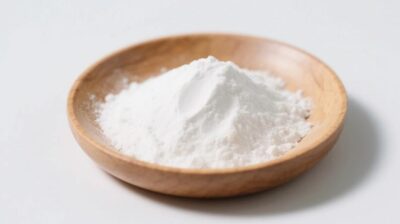
Organic Inulin
Organic inulin is a certified-organic prebiotic soluble fiber (90%+) from non-GMO chicory. It adds…


