We offer certified organic glucose syrup in two precisely controlled Dextrose Equivalent (DE) ranges: DE 20–40 and DE 40–60—both produced from non-GMO, organically grown corn or tapioca starch through enzymatic hydrolysis and gentle vacuum concentration. Free from sulfites, acid processing, artificial additives, or chemical modification, our syrups deliver clean-label functionality with consistent performance across food and beverage applications.
The DE value determines key functional properties: lower DE syrups provide body and moisture retention, while higher DE syrups offer increased sweetness and solubility—allowing you to select the optimal grade for your formulation.
What Is Organic Glucose Syrup?
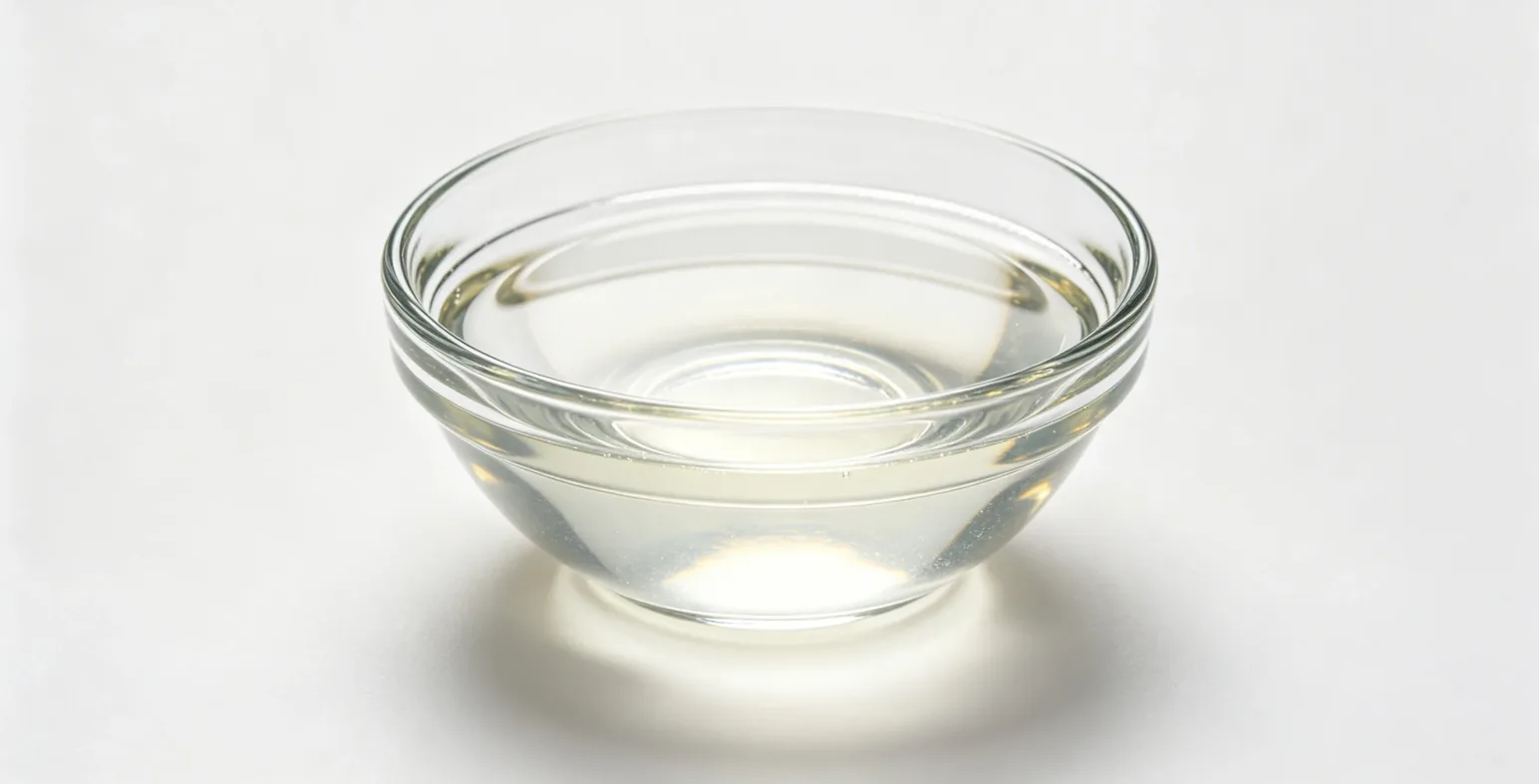
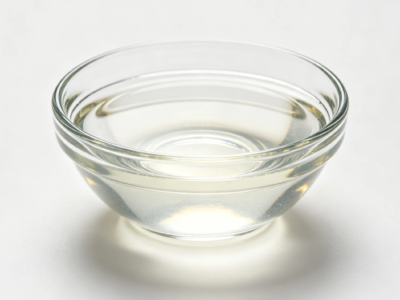
Glucose syrup is a liquid carbohydrate derived from the partial hydrolysis of starch. Our organic glucose syrup is made exclusively from certified organic starch sources (corn or tapioca, as specified) using food-grade enzymes under controlled conditions. The process yields a clear to amber-colored syrup rich in glucose, maltose, and oligosaccharides—with no residual allergens or synthetic residues.
All batches are processed in dedicated allergen-controlled facilities and meet global organic and food safety standards.
Also Known As: Names and Synonyms in the Trade
Glucose syrup is marketed and documented under several names, and the DE range is often part of the name itself. The list below covers the forms you are most likely to meet in specifications, tenders and label reviews.
- Liquid glucose – the name widely used in confectionery purchasing
- Confectioner’s glucose – the traditional trade name in sugar confectionery
- Corn syrup – the common US labelling name when the source is corn
- Organic corn syrup – the source-qualified organic designation
- Liquid sweetener – the functional description on finished-product labels
- Hydrolysed starch syrup – the production-route description
Two names need to be kept apart. Glucose syrup is a starch hydrolysate whose principal sugars are glucose, maltose and higher oligomers, and it contains little or no fructose. Glucose-fructose syrup, sometimes called high-fructose corn syrup, has had part of its glucose converted to fructose and behaves differently in sweetness and in browning. If a tender says “glucose syrup” and a quotation arrives for glucose-fructose syrup, the two are not interchangeable.
Technical Specifications
| Parameter | Organic Glucose Syrup DE 20–40 | Organic Glucose Syrup DE 40–60 |
|---|---|---|
| Sweetness | Low to moderate (≈30–50% of sucrose) | Moderate to high (≈50–70% of sucrose) |
| Viscosity | Higher viscosity, thicker texture | Lower viscosity, more fluid |
| Hygroscopicity | Moderate moisture retention | Higher hygroscopicity |
| Fermentability | Partially fermentable | Highly fermentable |
| Browning (Maillard) | Promotes golden browning | Faster browning due to higher reducing sugars |
| Freezing Point Depression | Moderate | Stronger |
| Source | Organic corn or tapioca (as specified) | Organic corn or tapioca |
| Appearance | Clear to light amber viscous liquid | Clear to pale amber, less viscous |
| Odor & Taste | Mild, neutral to slightly sweet | Noticeably sweeter, clean taste |
| Solids (Brix) | 78–82% | 78–82% |
| Dextrose Equivalent (DE) | 20 – 40 | 40 – 60 |
| pH (20% solution) | 4.0 – 6.0 | 4.0 – 6.0 |
| Sulfur Dioxide (SO₂) | Not detected (<1 ppm) | Not detected (<1 ppm) |
| Ash Content | ≤0.5% | ≤0.5% |
| Shelf Life | 18 months (stored sealed, cool, dry) | 18 months |
| Heavy Metals (Maximum Limits) | ||
| – Lead (Pb) | ≤0.1 mg/kg | ≤0.1 mg/kg |
| – Arsenic (As) | ≤0.1 mg/kg | ≤0.1 mg/kg |
| – Cadmium (Cd) | ≤0.05 mg/kg | ≤0.05 mg/kg |
| – Mercury (Hg) | ≤0.01 mg/kg | ≤0.01 mg/kg |
| Microbiological Criteria | ||
| – Total Plate Count | ≤1,000 CFU/g | ≤1,000 CFU/g |
| – Yeast & Mold | ≤100 CFU/g | ≤100 CFU/g |
| – Escherichia coli | Absent in 10 g | Absent in 10 g |
| – Salmonella spp. | Absent in 25 g | Absent in 25 g |
| – Listeria monocytogenes | Absent in 25 g | Absent in 25 g |
| Allergen Status | Gluten-Free (<5 ppm), Soy-Free, Dairy-Free | Same |
| Certifications | USDA Organic, EU Organic, Non-GMO Project Verified, Kosher, Halal (available), Gluten-Free Certified |
All testing performed per AOAC, ISO, and FCC methods in ISO 17025-accredited laboratories. Complies with FDA 21 CFR and EU Regulation (EC) No 1333/2008.
Sourcing, Certification and Regulatory Status
| Jurisdiction / Standard | Regulatory status | Legal name | Notes |
|---|---|---|---|
| United States | GRAS; affirmed food ingredient | Corn syrup, glucose syrup | DE range and solids are declared on the specification; organic certification per USDA NOP |
| European Union | Regulated under the sugar quotas of the common market organisation | Glucose syrup | Organic certification to (EU) 2018/848; additional labelling rules for added sugars |
| Codex Alimentarius | Codex Stan 212 compliant | Glucose syrup | Includes the standard DE ranges used across export markets |
| Japan | Regulated as a food ingredient | Starch syrup | Widely used in confectionery and beverage manufacturing |
Because glucose syrup is defined by its DE range, the certificate of analysis reports the DE, the solids in Brix, the sugar spectrum by HPLC and the sulfur dioxide result. That set of numbers is what a confectionery line needs in order to hold texture batch to batch.
Applications by DE Grade
DE 20–40 (Lower DE)
- Bakery: Improves softness, volume, and crust color in breads and cakes
- Confectionery: Provides chewiness in caramels, nougat, and fondants
- Ice Cream: Controls ice crystal formation and enhances scoopability
- Sauces & Dressings: Adds body without excessive sweetness
DE 40–60 (Higher DE)
- Beverages: Rapidly soluble sweetener for sports drinks and flavored waters
- Fermented Products: Ideal carbon source for kombucha, kefir, and craft brewing
- Energy Bars & Gels: Quick-digesting carbohydrate for sustained energy
- Fruit Preparations: Enhances clarity and sweetness in fillings and compotes
Format and Grade Selection
| Application | Recommended grade | Typical use level | Formulation note |
|---|---|---|---|
| Hard candy and lollipops | DE 40–60 | 30–50% of the syrup solids | Controls recrystallisation and keeps the glass clear |
| Bakery and biscuits | DE 20–40 | 2–8% of the flour weight | Holds moisture and slows staling |
| Fermentation media | DE 40–60 | Per the media formulation | Freely fermentable carbon source for cultures |
| Beverages and syrups | DE 40–60 | 3–10% of the finished drink | Adds body without dominating the sweetness |
| Sauces and dressings | DE 20–40 | 2–6% of the recipe | Improves mouthfeel and freeze-thaw stability |
| Ice cream and frozen desserts | DE 20–40 | 3–8% of the mix | Lowers the freezing point and limits ice crystal growth |
Pick the DE range from the texture you need, not from the price list. Lower DE gives more viscosity and less sweetness; higher DE gives more sweetness and easier handling. Most confectionery projects settle on the 40 to 60 range for clear work and the 20 to 40 range where body matters.
Why Choose Our Organic Glucose Syrup?
Our production adheres to strict organic integrity—from farm-sourced starch to final syrup. We use only enzymatic hydrolysis (no acid or sulfites) and low-temperature concentration to preserve quality and flavor.
Every batch is fully traceable and supported by comprehensive documentation: Certificate of Analysis (CoA), Organic Certificate (specifying corn or tapioca origin), Gluten-Free Statement, and Safety Data Sheet (SDS).
Packing
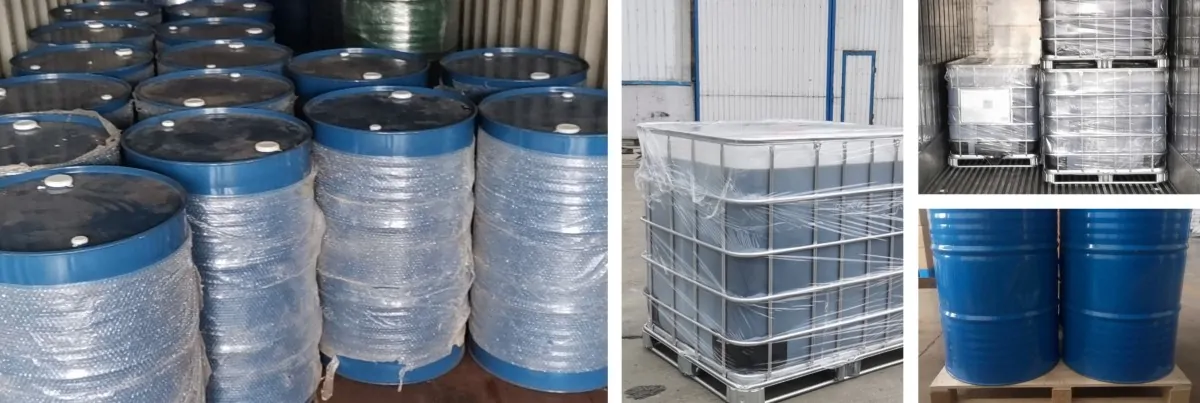
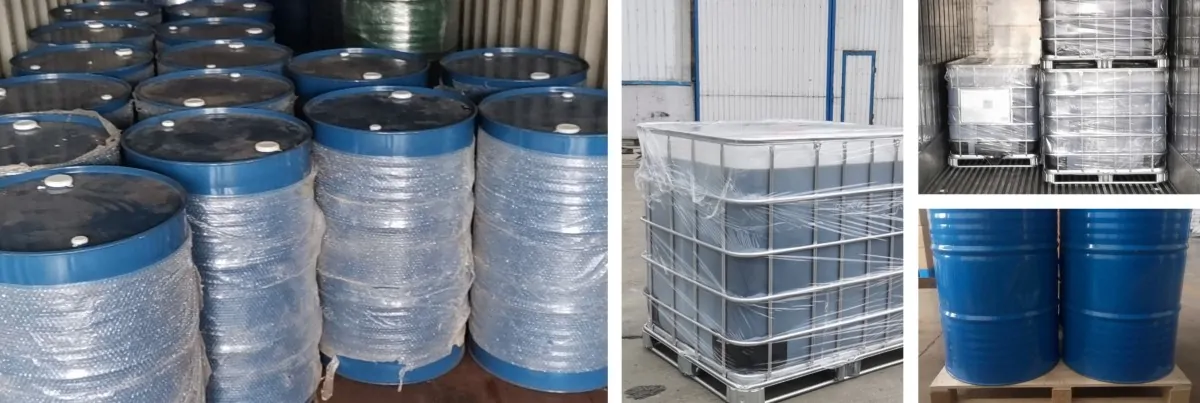
Available packaging:
- Custom drum sizes available upon request
- 25 kg food-grade HDPE pails with tamper-evident lids
- 300 kg IBC totes for industrial users
FAQs
Q: Is Organic Glucose Syrup considered gluten-free?
A: Yes, Organic Glucose Syrup, regardless of whether it’s derived from organic corn or organic tapioca, undergoes extensive purification during processing. This removes proteins, making it inherently gluten-free and suitable for gluten-free product formulations.
Q: What is the primary source of your Organic Glucose Syrup?
A: Our Organic Glucose Syrup is typically sourced from organic corn starch or organic tapioca starch. We can confirm the specific source for your order upon request.
Q: What is the shelf life and recommended storage for bulk quantities?
A: Our Organic Glucose Syrup (both DE forms) typically has a shelf life of 18 months from the manufacturing date when stored in a cool, dry place, away from direct sunlight and freezing temperatures. Ensure containers are tightly sealed to prevent moisture absorption. Specific bulk storage recommendations will be provided with your order documentation.
Q: Can Organic Glucose Syrup be used as a standalone sweetener?
A: While Organic Glucose Syrup provides sweetness, it is often used in conjunction with other sweeteners (like organic dextrose or organic sugar) to achieve a desired sweetness level while leveraging its functional properties for texture, binding, and anti-crystallization.