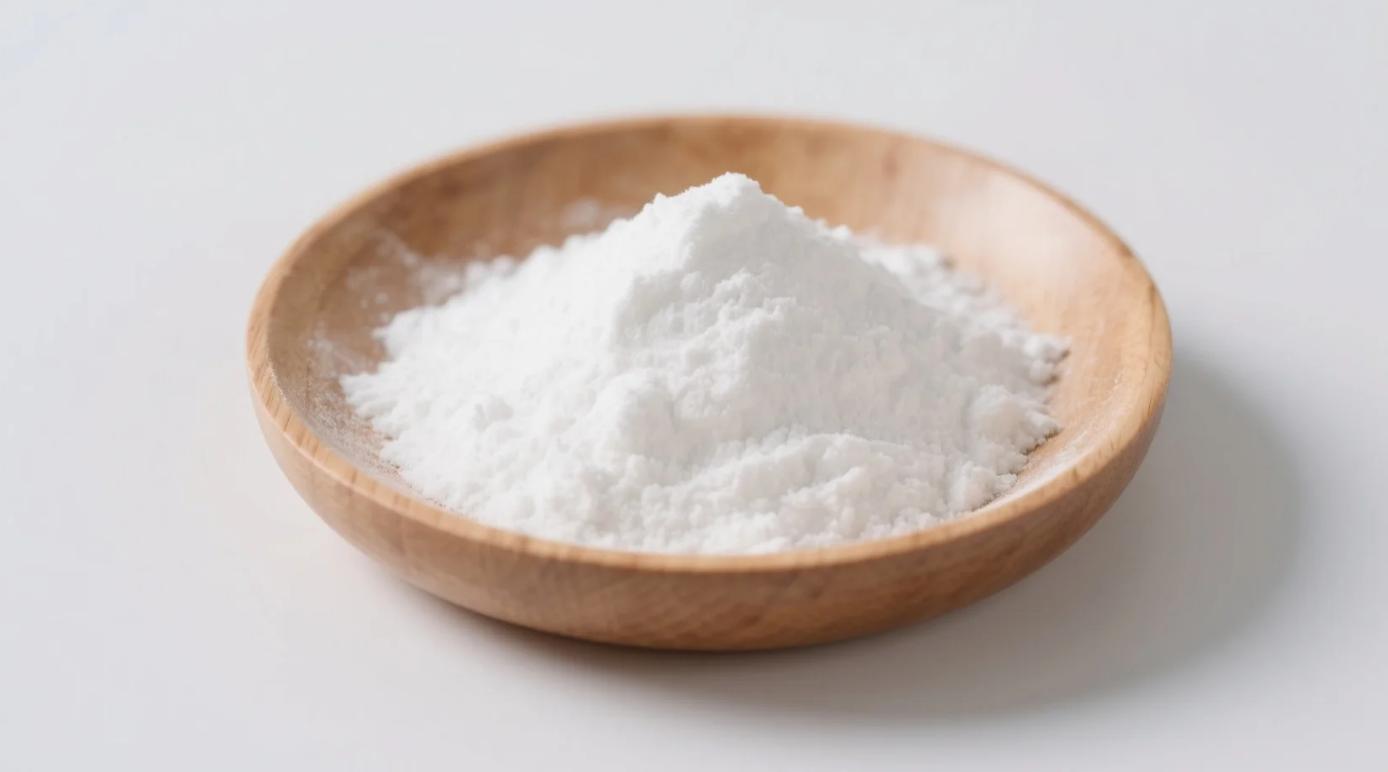
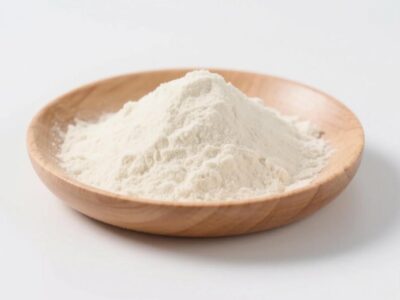
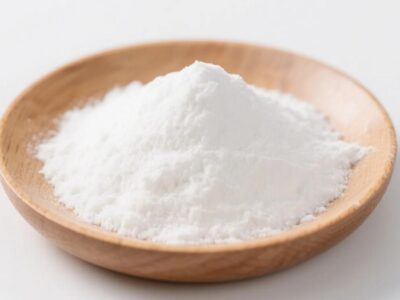
Mung bean starch is a native starch with high amylose content and exceptional gel strength. It is the traditional choice for glass noodles, jelly, and translucent desserts. BIOSTARCH supplies 25 kg bags.
Our mung bean starch powder is a refined, native starch extracted from mung beans (Vigna radiata) using traditional water-washing methods—without chemical modification or synthetic additives. Known for its exceptional clarity, smooth texture, and strong gelling properties, it is a staple in Asian cuisine and increasingly valued in global clean-label and allergen-free food formulations.
With superior thermal stability and a unique ability to form firm yet elastic gels upon cooling, mung bean starch outperforms many conventional starches in both culinary authenticity and functional performance.
Mung bean starch is derived from the cotyledons of split mung beans through a physical separation process involving soaking, grinding, sedimentation, and drying. Our mung bean starch powder is produced exclusively from non-GMO, certified mung beans grown without synthetic pesticides or fertilizers.
Unlike modified starches, this native starch retains its natural granular structure, making it compliant with “clean label” standards. It is naturally free from gluten, soy, dairy, and other top allergens.
All testing performed in ISO 17025-accredited laboratories using AOAC, ISO, and AACC standard methods. Complies with FDA 21 CFR, EU Regulation (EC) No 1333/2008.
Sourcing, Certification and Regulatory Status
Jurisdiction / Standard
Regulatory status
Legal name
Notes
European Union
Food ingredient; not a food additive
Mung bean starch
Native starch is not an additive under Regulation (EC) No 1333/2008, and labelling follows Regulation (EU) No 1169/2011. Confirm any destination-specific requirement, including novel-food status, with the importer.
United States
Native (unmodified) starch has a GRAS history
Starch / mung bean starch
Unmodified starch (CAS 9005-25-8) is listed in FDA’s Substances Added to Food inventory, and the 1979 SCOGS review found no hazard for unmodified starches. Mung bean is not separately named in 21 CFR, so the status rests on the general unmodified-starch position rather than on a source-specific entry.
Japan
Established food ingredient
Mung bean starch
Handled as an ordinary food ingredient under the Food Labeling Standards. Mung bean is not among the items for which allergen labelling is mandatory.
Codex Alimentarius
Food ingredient; no product-specific standard
Starch
CXS 1-1985 (Section 4.2.3.1) allows the class name Starch for starches other than chemically modified starches, and contaminant limits follow CXS 193-1995. No product-specific Codex standard applies.
Compliance turns on the starch assay, the moisture figure and the microbiological limits rather than on the naming convention, so those are the values to line up when comparing offers. Confirm the legal name and any destination-specific restriction with the market before the first shipment.
Applications
Mung bean starch is prized for its unique textural properties across diverse food categories:
Asian Noodles & Vermicelli: Essential for producing chewy, transparent glass noodles (e.g., cellophane noodles, bean thread noodles)
Gluten-Free Baking: Enhances structure and moisture retention in breads and pastries
Desserts & Jellies: Forms clear, firm gels for puddings, mochi, and fruit jellies
Sauces & Soups: Provides smooth thickening without cloudiness
Plant-Based Meats: Improves binding and bite resilience
Note: Requires full gelatinization (typically 65–75°C) to activate thickening and gelling functionality.
Format and Grade Selection
Two questions settle most mung bean starch specifications: whether the application needs a cold-water or a cook-up starch, and how much gel strength the finished product has to carry. Both follow from the process rather than from the label.
Native, cook-up grade – the standard material, gelatinising between about 65 and 75 °C and forming a firm, elastic, transparent gel on cooling
Pre-gelatinised grade – the route into cold-processed and instant products, where the starch has to thicken without a heating step
Particle size – the fine cut passing a 100-mesh sieve is the usual specification for noodles and thin sauces, where grittiness shows through
Starch content – quoted on a dry basis, with the figure in the specification sheet the practical threshold for a high-clarity, high-strength gel
Whiteness – the value that matters in translucent noodles and clear jellies, where a colour cast is visible in the finished piece
Dedicated allergen-free line – the condition to confirm where the starch enters a gluten-free or nut-free certified product
Tell us the application, the process temperature and whether the line is certified allergen-free, and we will quote the grade and the mesh size that fit it.
Why Choose Our Mung Bean Starch?
We source mung beans from certified farms committed to regenerative agriculture and traceable supply chains. Our production facility follows GMP and HACCP protocols, with dedicated lines to prevent cross-contact with gluten, soy, nuts, and other allergens.
Every batch is accompanied by full documentation: Certificate of Analysis (CoA), Gluten-Free Statement, and Safety Data Sheet (SDS)—ensuring seamless integration into your quality and compliance systems.
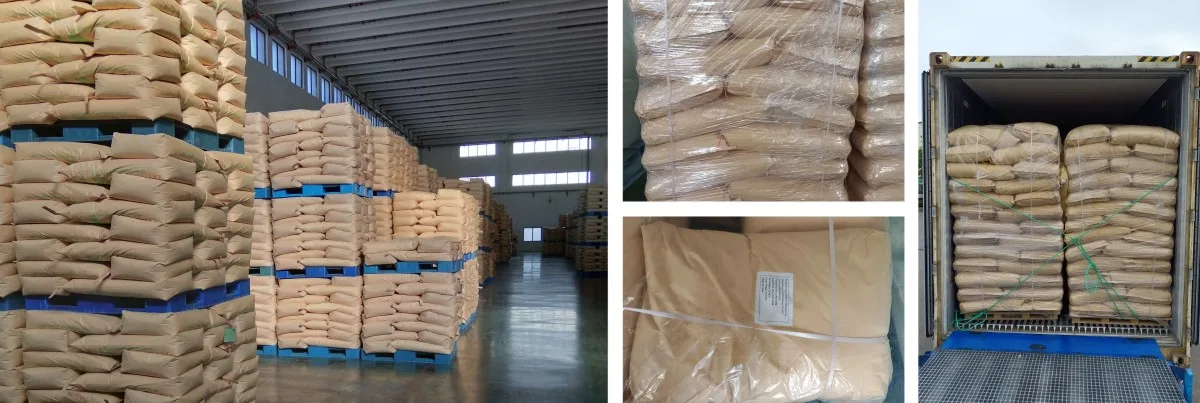
Available packaging: 20 kg or 25 kg multi-wall paper bags with food-grade PE liner; bulk options available for industrial customers.
Packing
Also Known As: Names and Synonyms in the Trade
Mung bean starch carries several names across specifications, certificates of analysis and import paperwork, and the version a document uses usually points to the botanical source rather than to a different material. The list below covers the forms that come up most often in enquiries and technical data sheets.
Vigna radiata starch – the current botanical binomial for mung bean, used on specifications that quote the source species
Green gram starch – the name used in South Asian and UK trade for starch from the same pulse
Golden gram starch – the parallel trade name for the yellow-seeded cultivars of the same species
Moong bean starch – the phonetic spelling common on Indian and South-East Asian purchase orders
Phaseolus aureus starch – the older botanical name under which the species was long recorded before it was moved into the genus Vigna
Phaseolus radiatus starch – the second historical binomial, still quoted in older literature and in legacy specifications
Moong dal starch – the form used where the starch is described alongside the split pulse it is extracted from
None of these names changes the material, so the name on the specification sheet has to be read together with the source line, the starch content and the analytical method. Where a contract or a customs entry needs a single wording, use the legal name agreed with the buyer and keep the synonyms in the technical annex.
FAQs
Q: Can mung bean starch replace cornstarch?
A: Yes! Use a 1:1 ratio for thickening with superior clarity and elasticity.
Q: Does it work in cold recipes?
A: No—it requires heating to gelatinize. For cold applications, pre-gelatinized starch is recommended.
Q: Is this starch allergen-free?
A: Yes! Free from gluten, soy, nuts, and dairy.
Q: How does it differ from tapioca starch?
A: Mung bean starch has higher gel strength and transparency, while tapioca offers a chewier, stretchier texture.
Q: What is mung bean starch used for?
A: Mung bean starch makes translucent noodles, chewy vegan gummies, and glossy sauces in Asian and modern recipes.
Q: Where to buy mung bean starch powder?
A: BIOSTARCH offers mung bean starch powder with bulk pricing and global shipping. Request a sample today!
Appearance
White fine powder
Starch content
85.0% min
Amylose content
30-35%
Moisture
14.0% max
Mesh
100-200 mesh
pH (10% suspension)
5.0-7.5
Gel strength
High, elastic
Shelf life
24 months
Certifications
Organic; Non-GMO; ISO 22000; Kosher; Halal
Source
Organic mung bean
Send Inquiry
Are you searching for a bulk Mung Bean Starch manufacturer and supplier? Look no further! Get in touch with us now and we will be your best partner in all aspects. Conveniently share your requirements via the form or send an email to info@bio-starch.com / sales@bio-starch.com.
How home cooks use organic potato, corn, rice, pea and mung bean starch: slurry ratios, crisp coatings, gluten-free baking, noodles and safe starch substitutions.
How certified organic starches move from field to powder, the quality specs buyers should request, residue testing, and how to qualify a reliable supplier.
How organic potato, corn, rice, pea and mung bean starch perform in industrial food plants, paper mills, corrugating adhesives, textile sizing and bioplastics.