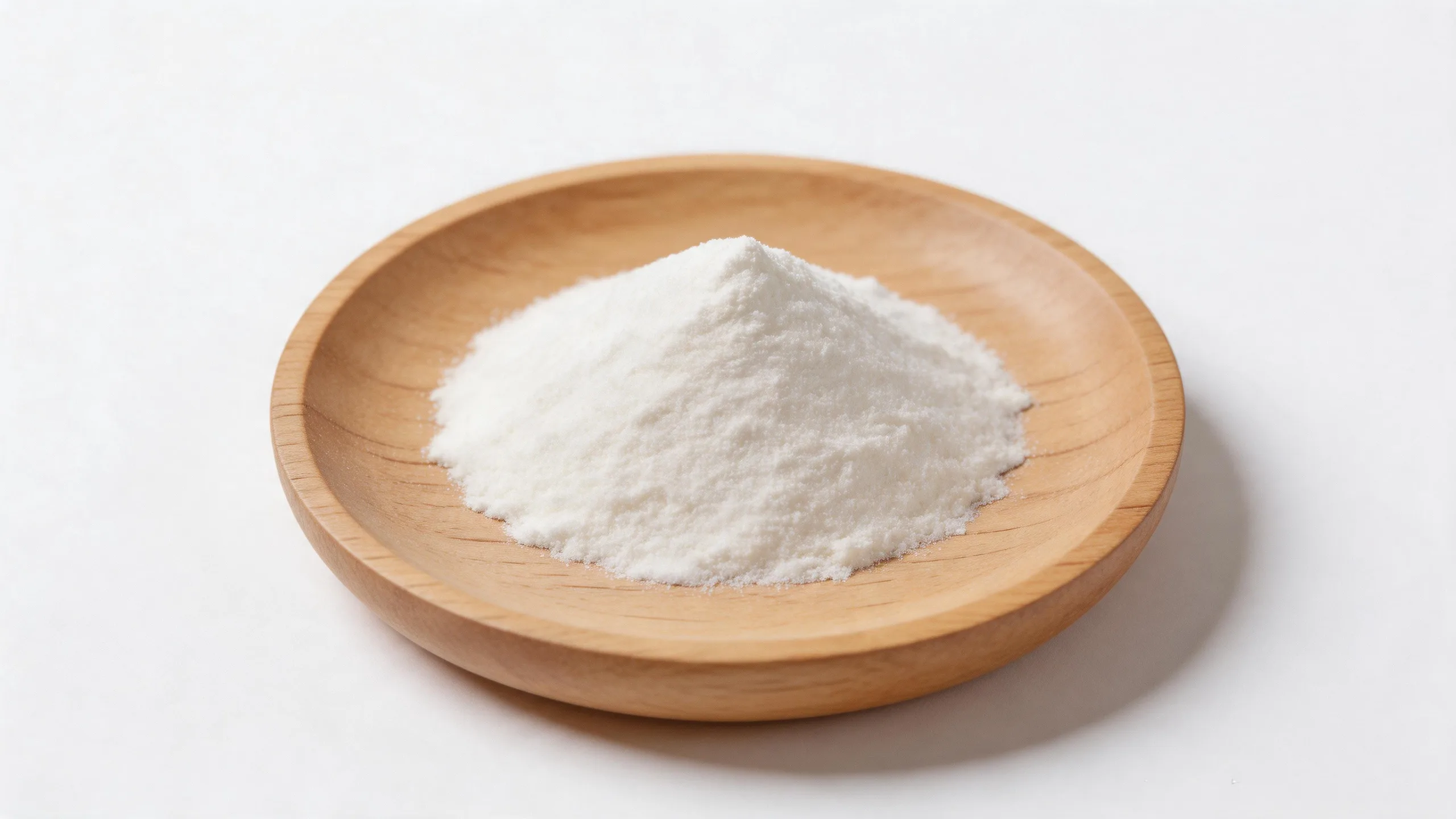
We offer certified organic maltodextrin powder in three precisely controlled Dextrose Equivalent (DE) ranges: DE 8–10, DE 10–15, and DE 15–20—all derived from non-GMO, organically grown corn or tapioca through enzymatic hydrolysis and gentle spray-drying. Free from synthetic additives, chemical modification, or sulfites, our organic maltodextrins meet the highest standards for purity, functionality, and compliance with global organic regulations.
With varying degrees of solubility, viscosity, sweetness, and hygroscopicity across DE levels, you can select the ideal grade to match your formulation needs—whether for encapsulation, texture enhancement, or carrier functionality.
What Is Organic Maltodextrin?
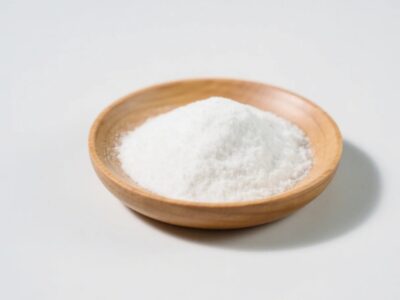
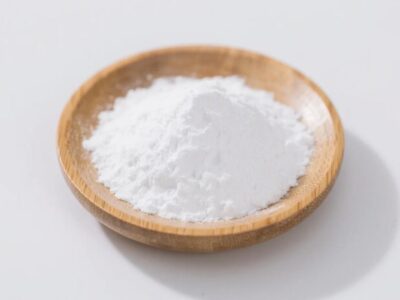
Maltodextrin is a polysaccharide produced by partial hydrolysis of starch. Our organic maltodextrin powder is made exclusively from certified organic starch sources (corn or tapioca, as specified) using food-grade enzymes—never acid-hydrolyzed or chemically treated. The resulting product is a free-flowing, white powder with low sweetness, high solubility, and excellent binding properties.
The Dextrose Equivalent (DE) indicates the degree of starch breakdown:
- Lower DE (8–10): Higher molecular weight, lower sweetness, lower solubility, better film-forming
- Medium DE (10–15): Balanced solubility and stability—most versatile
- Higher DE (15–20): More dextrose units, slightly sweeter, faster dissolution, higher hygroscopicity
All grades are naturally gluten-free, allergen-free, and suitable for vegan and kosher/halal applications.
Key Functional Benefits
- Excellent carrier for flavors, colors, and sensitive actives (e.g., probiotics, oils)
- Enhances spray-drying efficiency and powder flowability
- Improves texture and mouthfeel in low-fat or sugar-free products
- Rapidly digestible carbohydrate source (digestion rate varies by DE)
- Clean-label compliant—no artificial ingredients or processing aids
- GRAS-affirmed and globally approved for food and supplement use
Technical Specifications
| Parameter | Organic Maltodextrin DE 8–10 | Organic Maltodextrin DE 10–15 | Organic Maltodextrin DE 15–20 |
|---|---|---|---|
| Source | Organic corn or tapioca (as specified) | Organic corn or tapioca | Organic corn or tapioca |
| Appearance | White, free-flowing powder | White, free-flowing powder | White, free-flowing powder |
| Odor & Taste | Odorless, bland to very mild sweetness | Odorless, mild sweetness | Odorless, slightly sweet |
| Dextrose Equivalent (DE) | 8 – 10 | 10 – 15 | 15 – 20 |
| Solubility in Water | ≥98% (forms clear to slightly hazy solution) | ≥99% (clear solution) | ≥99.5% (very clear solution) |
| Moisture Content | ≤6.0% | ≤6.0% | ≤6.0% |
| pH (10% aqueous solution) | 4.5 – 6.5 | 4.5 – 6.5 | 4.5 – 6.5 |
| Ash Content | ≤0.5% | ≤0.5% | ≤0.5% |
| Bulk Density | 0.50 – 0.70 g/mL | 0.50 – 0.70 g/mL | 0.50 – 0.70 g/mL |
| Shelf Life | 24 months (stored sealed, cool, dry) | 24 months | 24 months |
| Heavy Metals (Maximum Limits) | |||
| – Lead (Pb) | ≤0.1 mg/kg | ≤0.1 mg/kg | ≤0.1 mg/kg |
| – Arsenic (As) | ≤0.1 mg/kg | ≤0.1 mg/kg | ≤0.1 mg/kg |
| – Cadmium (Cd) | ≤0.05 mg/kg | ≤0.05 mg/kg | ≤0.05 mg/kg |
| – Mercury (Hg) | ≤0.01 mg/kg | ≤0.01 mg/kg | ≤0.01 mg/kg |
| Microbiological Criteria | |||
| – Total Plate Count | ≤1,000 CFU/g | ≤1,000 CFU/g | ≤1,000 CFU/g |
| – Yeast & Mold | ≤100 CFU/g | ≤100 CFU/g | ≤100 CFU/g |
| – Escherichia coli | Absent in 10 g | Absent in 10 g | Absent in 10 g |
| – Salmonella spp. | Absent in 25 g | Absent in 25 g | Absent in 25 g |
| – Listeria monocytogenes | Absent in 25 g | Absent in 25 g | Absent in 25 g |
| Certifications | USDA Organic, EU Organic, Non-GMO Project Verified, Kosher, Halal (available), Gluten-Free Certified (<5 ppm), Allergen-Free (processed in dedicated facility) | Same for all grades |
All testing performed in ISO 17025-accredited laboratories using AOAC, ISO, and FCC methods. Complies with FDA 21 CFR, EU Regulation (EC) No 1333/2008, and Codex Alimentarius guidelines.
Applications by DE Grade
DE 8–10 (Low DE)
- Encapsulation of volatile oils and sensitive nutrients
- Film-forming in edible coatings
- Stabilizer in dry beverage mixes requiring low hygroscopicity
- Ideal for long-shelf-life powdered products
DE 10–15 (Medium DE – Most Common)
- General-purpose carrier for flavors, colors, and nutraceuticals
- Texture enhancer in soups, sauces, and instant foods
- Spray-drying matrix for probiotics and plant extracts
- Balanced solubility and stability for most applications
DE 15–20 (High DE)
- Rapid-dissolving systems (e.g., sports drinks, effervescent tablets)
- Mild sweetness boost in low-sugar formulations
- Binder in chewable tablets and confectionery
- Higher solubility for cold-process applications
Why Choose Our Organic Maltodextrin?
Our production process adheres to strict organic integrity—from farm to finished powder. We use only certified organic starch, food-grade enzymes, and physical drying methods—ensuring no sulfites, acids, or synthetic residues.
Every batch is fully traceable and supported by comprehensive documentation: Certificate of Analysis (CoA), Organic Certificate (specifying corn or tapioca source), Gluten-Free Statement, and SDS—giving you confidence in quality, safety, and compliance.
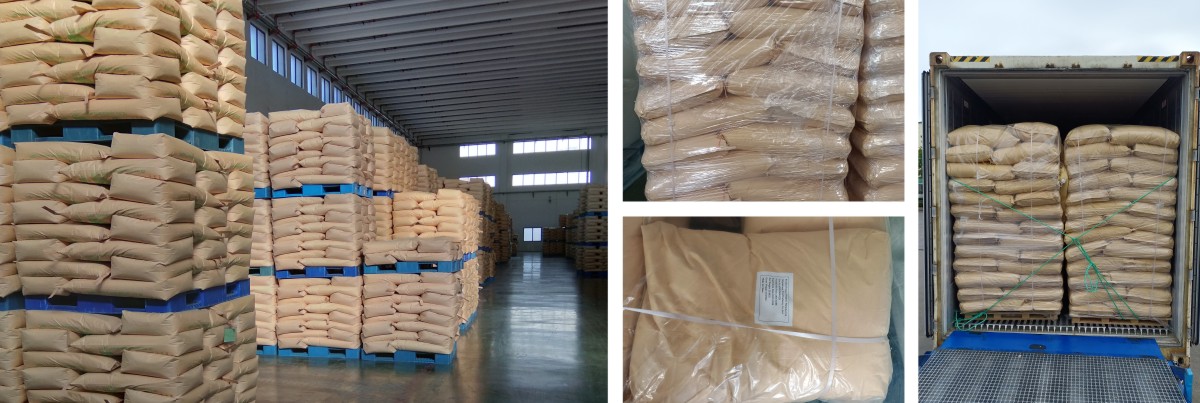
Available packaging: 25 kg multi-wall paper bags with food-grade PE liner; bulk options (500–1,000 kg) available upon request.
FAQs
Q: What does DE stand for in Organic Maltodextrin, and why are different DE values important?
A: DE stands for Dextrose Equivalent, which measures the reducing sugar content of a carbohydrate polymer relative to dextrose (glucose), expressed as a percentage on a dry basis. Different DE values indicate varying chain lengths of the sugar molecules, influencing sweetness, solubility, viscosity, and hygroscopicity. Choosing the right DE is crucial for achieving desired functional properties in your end product.
Q: Is Organic Maltodextrin considered gluten-free?
A: Yes, Organic Maltodextrin, regardless of whether it’s derived from organic co or organic tapioca, is highly processed and purified to remove proteins, making it inherently gluten-free and suitable for gluten-free product formulations.
Q: How do the different DE values impact product sweetness and viscosity?
A: Higher DE values (like DE 15-20) mean more hydrolysis, resulting in shorter sugar chains, a higher perceived sweetness, and lower viscosity in solutions. Conversely, lower DE values (like DE 8-10) mean longer chains, less sweetness, and higher viscosity, making them better for bulking and binding.
Q: What is the shelf life and recommended storage for bulk quantities?
A: Our Organic Maltodextrin (all DE forms) typically has a shelf life of 24 months from the manufacturing date when stored in a cool, dry place, away from direct sunlight and moisture, in its original sealed packaging. Specific bulk storage recommendations will be provided with your order documentation.
Q: Can Organic Maltodextrin be used as a sugar substitute in sugar-free products?
A: No, Organic Maltodextrin is a carbohydrate and is digested as such. While it has a lower sweetness profile and different caloric density than pure sugar, it is not a non-caloric sweetener and would not qualify for sugar-free claims. It is often used in reduced sugar or no added sugar products to provide bulk and texture without excessive sweetness.
Packing