
How Resistant Dextrin Works in the Body
Resistant dextrin follows a distinct digestive pathway that sets it apart from both digestible carbohydrates and other prebiotic fibers. When consumed, it resists enzymatic breakdown in the stomach and small intestine because its glycosidic bonds have been randomized during production. Unlike regular starch, which consists of orderly alpha-1,4 and alpha-1,6 linkages that digestive enzymes readily cleave, resistant dextrin contains a mixture of alpha-1,2, alpha-1,3, and beta-linkages that human amylases and disaccharidases cannot efficiently hydrolyze.
As a result, the majority of resistant dextrin passes through the upper gastrointestinal tract intact and arrives in the colon essentially undigested. There, it undergoes slow, sustained fermentation by a broad spectrum of colonic bacteria. This is a critical point of distinction from more selective prebiotics like inulin: rather than being rapidly fermented by a narrow group of organisms in the proximal colon, resistant dextrin is broken down gradually across the entire length of the colon over a period of 12 to 24 hours. The end products of this fermentation are short-chain fatty acids (SCFAs), primarily acetate, propionate, and butyrate, which are produced steadily rather than in a rapid burst.
This slow-release fermentation profile has practical consequences. It means that the physiological benefits of SCFAs — from gut barrier support to metabolic signaling — are delivered continuously rather than in a brief spike. It also explains why resistant dextrin is notably better tolerated than fast-fermenting fibers, a topic addressed in detail later in this article. For a broader overview of resistant dextrin’s origin and properties, see the complete guide to organic resistant dextrin.
Gut Health and Prebiotic Effects
Resistant dextrin functions as a broad-spectrum prebiotic, meaning it stimulates the growth and activity of multiple beneficial bacterial genera rather than targeting a single group. Clinical studies have demonstrated increases in Bifidobacteria, Lactobacillus, and several butyrate-producing bacteria such as Faecalibacterium prausnitzii and Roseburia species after regular consumption.
The SCFA output from this fermentation is central to gut health. Butyrate, in particular, serves as the primary energy source for colonocytes — the epithelial cells lining the colon. Adequate butyrate levels support the integrity of the gut barrier, reduce low-grade inflammation, and promote normal cell turnover. Acetate and propionate, while produced in greater quantities, are absorbed into the bloodstream and exert systemic effects including appetite regulation and hepatic metabolism modulation.
Beyond SCFA production, resistant dextrin improves regular bowel function. It increases stool bulk through its physical presence as an undigested fiber and draws water into the colonic lumen via osmotic effects, softening stools and promoting comfortable transit. Studies report improvements in stool frequency and consistency at doses of 10 to 20 grams per day.
An important advantage over more selective prebiotics like inulin and fructooligosaccharides (FOS) is that resistant dextrin’s minimal selectivity translates to a gentler adaptation period. Because fermentation is distributed across many bacterial species rather than concentrated in a few fast-fermenting organisms, the risk of sudden gas production and bloating during the initial weeks of supplementation is substantially lower.
Resistant dextrin also lowers colonic pH through SCFA accumulation. This acidification inhibits the growth of pathogenic organisms such as Clostridium difficile and certain strains of Escherichia coli that prefer a more alkaline environment, while favoring acid-tolerant beneficial species. For more on how resistant dextrin compares to other prebiotic fibers in this regard, see the resistant dextrin vs inulin comparison.
Blood Sugar Management and Glycemic Impact
One of the most clinically supported benefits of resistant dextrin is its capacity to reduce postprandial glucose response. Multiple randomized controlled trials have demonstrated reductions in blood glucose spikes after carbohydrate-containing meals when resistant dextrin is co-consumed, with reported decreases ranging from 10% to 30% depending on the dose, the meal composition, and the study population.
Three complementary mechanisms explain this effect. First, resistant dextrin increases the viscosity of gastric and intestinal contents, which slows gastric emptying and delays the passage of digestible carbohydrates to the small intestine. Second, the physical presence of resistant dextrin in the intestinal lumen impedes the access of digestive enzymes to starch and sugar molecules, effectively slowing glucose absorption. Third, the SCFA propionate — produced through colonic fermentation — reaches the liver via the portal vein and influences hepatic glucose output, reducing the liver’s contribution to circulating glucose levels.
The dextrose equivalent (DE) value of resistant dextrin is typically below 5, meaning it contributes negligible digestible carbohydrate. This makes it functionally distinct from maltodextrin, despite the similar-sounding name. Maltodextrin has a DE of 10 to 20 and a glycemic index of 85 to 105, making it one of the highest-GI carbohydrates available. Resistant dextrin, by contrast, has essentially no glycemic impact and is approved for “low GI” product claims in multiple regulatory jurisdictions including the European Union, Japan, and Australia.
| Parameter | Resistant Dextrin | Maltodextrin |
|---|---|---|
| Dextrose Equivalent (DE) | < 5 | 10–20 |
| Glycemic Index | Negligible (low GI) | 85–105 (high GI) |
| Digestible Carbohydrate | ~10–15% | ~100% |
| Caloric Value | ~2 kcal/g | ~4 kcal/g |
| Dietary Fiber Content | 85–90% | 0% |
| Primary Use | Functional fiber | Carb source/filler |
This comparison underscores that the similar nomenclature is misleading: these two ingredients occupy opposite ends of the glycemic spectrum.
Weight Management and Satiety
Resistant dextrin supports weight management through both direct and indirect pathways. At the metabolic level, it delivers approximately 2 kcal per gram — half the caloric density of digestible carbohydrates at 4 kcal per gram. This caloric reduction is straightforward but meaningful in the context of daily energy balance.
More interestingly, the SCFAs produced during colonic fermentation stimulate the release of anorexigenic hormones, particularly glucagon-like peptide-1 (GLP-1) and peptide YY (PYY). These hormones signal satiety to the brain, reducing hunger and the desire to eat. Clinical studies have shown that consuming resistant dextrin with a meal reduces spontaneous energy intake at subsequent meals by approximately 10% to 15%, without requiring conscious calorie restriction.
Indirectly, resistant dextrin functions as a calorie-reducing ingredient in food formulation. Replacing higher-calorie components — such as maltodextrin, sugar, or fat — with resistant dextrin lowers the overall energy density of the finished product while improving its fiber content. This formulation benefit is separate from the physiological satiety effect but contributes to total calorie reduction in the diet.
Practical dosing for weight management purposes typically falls in the range of 15 to 30 grams per day, split across meals. Starting at the lower end and increasing gradually helps ensure comfortable adaptation, as discussed in the side effects section below.
Mineral Absorption
Colonic fermentation of resistant dextrin lowers luminal pH, which increases the solubility of certain minerals — particularly calcium and magnesium. In a more acidic environment, these minerals shift from insoluble complexes to bioavailable forms that can be absorbed through the colonic epithelium via paracellular and transcellular pathways.
This mechanism parallels the well-documented mineral absorption enhancement observed with inulin-type fructans. While the body of clinical data for resistant dextrin and mineral absorption is smaller than for inulin, the underlying physiology is identical: SCFA production acidifies the colonic lumen, solubilizing divalent cations and making them available for uptake.
The practical relevance is most significant for populations at risk of mineral deficiency, including postmenopausal women concerned about bone density and elderly individuals with reduced dietary mineral intake. Although resistant dextrin should not be considered a treatment for osteoporosis or mineral deficiency, its contribution to improved mineral bioavailability is a meaningful secondary benefit.
Digestive Tolerance: The Key Advantage
If there is one characteristic that distinguishes resistant dextrin from other prebiotic fibers in practical terms, it is digestive tolerance. While inulin, FOS, and GOS are well-known for causing gas, bloating, and abdominal discomfort at moderate doses, resistant dextrin can be consumed at substantially higher quantities with minimal or no perceptible effects.
| Fiber Type | Typical Tolerance Dose (g/day) |
|---|---|
| Resistant Dextrin | 30–45 |
| Inulin | 10–15 |
| FOS | 5–10 |
| GOS | 5–15 |
| XOS | 1–4 |
| Polydextrose | 30–50 |
| Acacia Fiber | 30–50 |
The reasons for this high tolerance are rooted in fermentation kinetics. Resistant dextrin ferments slowly and across the entire colon, rather than being rapidly consumed by a narrow group of bacteria in the proximal colon. This distributed fermentation pattern means gas production is spread over many hours rather than concentrated in a brief period. Additionally, because resistant dextrin supports a broad spectrum of bacterial species, no single organism dominates fermentation to produce excessive gas as a byproduct. The net result is significantly less gas production per gram of fiber consumed compared to inulin or FOS.
This tolerance advantage has real-world implications. Many consumers who abandon prebiotic supplementation due to digestive discomfort find that they can take resistant dextrin at effective doses without issue. For a deeper look at how this compares in practice, see the resistant dextrin vs inulin comparison article.
Common Side Effects and How to Manage Them
At very high doses — typically above 60 to 80 grams per day — resistant dextrin may cause mild bloating, increased flatulence, or loose stools. It is worth emphasizing that these effects occur at doses far exceeding what most people consume and are considerably milder than equivalent doses of inulin or FOS, which produce significant discomfort at 15 to 20 grams per day for many individuals.
The recommended approach for introducing resistant dextrin is gradual:
- Start with 5 to 10 grams per day, divided across meals
- Increase by 5 grams every 3 to 4 days as the colonic microbiome adapts
- Take with food rather than on an empty stomach to moderate the rate of gastric passage
- Maintain adequate hydration, as fiber increases water demand in the gut
For the majority of people, a maintenance dose of 15 to 30 grams per day causes no perceptible digestive effects once the microbiome has adapted, which typically occurs within one to two weeks. Individuals with irritable bowel syndrome (IBS) or known sensitivity to fermentable carbohydrates may wish to start at the lower end of the range and increase more slowly, though many IBS patients tolerate resistant dextrin better than other prebiotics specifically because of its slow fermentation profile.
Safety and Regulatory Status
Resistant dextrin holds a strong safety profile backed by multiple regulatory approvals worldwide. In the United States, the Food and Drug Administration (FDA) has granted Generally Recognized as Safe (GRAS) status through multiple GRAS notifications, and it is recognized as an approved dietary fiber source under FDA’s fiber definition. The European Union authorizes resistant dextrin as a dietary fiber under applicable food additive and novel food regulations. Japan classifies it as a Food for Specified Health Uses (FOSHU) ingredient, one of the most stringent functional food designations globally. In China, resistant dextrin complies with GB standards for dietary fiber ingredients.
No upper intake limit has been established by any regulatory authority. Long-term clinical studies extending up to 12 months have reported no adverse effects at typical supplementation doses. The ingredient is suitable for children, adults, and elderly populations.
Regarding pregnancy and breastfeeding, resistant dextrin is naturally present in small quantities in certain cooked and processed foods as a byproduct of starch heat treatment. While concentrated supplementation during pregnancy has not been specifically studied in large clinical trials, there is no theoretical safety concern — resistant dextrin is not absorbed systemically and acts locally within the gastrointestinal tract. As with any supplement, pregnant and breastfeeding women should consult their healthcare provider.
About Our Organic Resistant Dextrin
Our organic resistant dextrin is produced from certified organic tapioca starch through a controlled thermal and enzymatic process, rigorously tested for purity, heavy metals, and microbiological safety. Every batch meets ISO-certified quality standards and carries full organic certification, ensuring a clean-label fiber ingredient you can trust from source to finished product.
Recommended Products
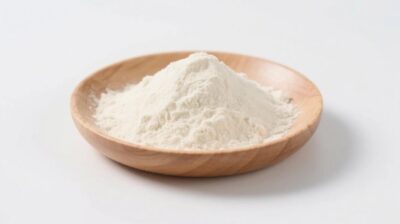
Organic Resistant Dextrin
Organic resistant dextrin is a certified-organic soluble dietary fiber (≥90% dry basis) from non-GMO…
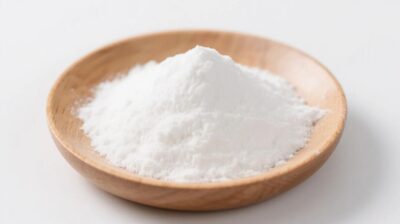
Fructooligosaccharides
Fructooligosaccharides (FOS) is a prebiotic fiber at 95% purity from non-GMO sugarcane or chicory.…
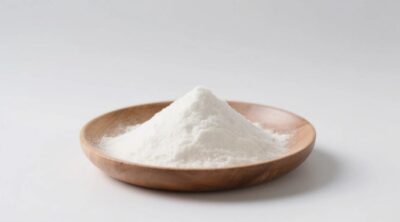
Organic Isomaltooligosaccharides
Organic isomaltoligosaccharides (IMO) powder is a certified-organic prebiotic fiber (90%+) from non-GMO corn or…
Related Posts


