Flour
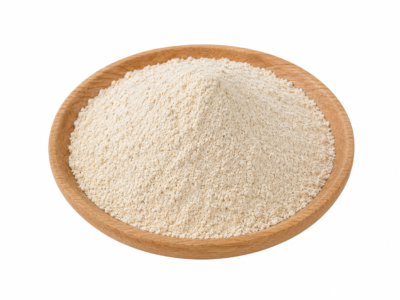
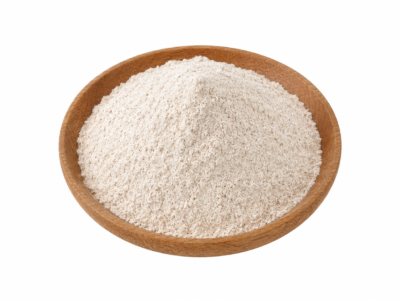
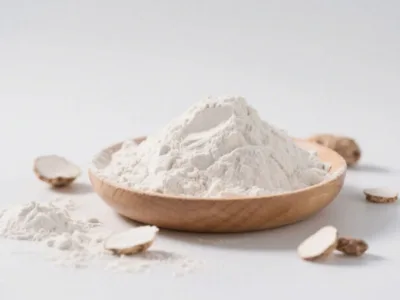
Organic flour is our second core dry-ingredient family, covering flours milled from organic cereal, pseudocereal, and legume crops. The range includes organic corn flour, organic quinoa flour, organic buckwheat flour, organic rice flour, organic glutinous rice flour, and organic chickpea flour, offered as whole-grain or refined fractions depending on the application. Products are grouped by raw material, by milling fineness, and by whether the flour is raw, heat-treated, or pregelatinized.What this category coversFineness is the first specification axis. Coarse flours, comparable to a 40 to 60 mesh cut, are used for texturizing and dusting; standard bakery grades sit around 80 to 120 mesh; fine micronized powder at 200 mesh and above is used for extrusion, instant drinks, and thin coatings. The second axis is the raw material itself: corn flour carries a clean, neutral flavor and a high starch fraction; quinoa flour adds protein and a complete amino acid profile, which formulators use for nutritional positioning; buckwheat flour is naturally gluten-free with a strong, earthy note that limits inclusion rates; rice flour and glutinous rice flour give a neutral base for gluten-free baking, with glutinous varieties contributing chew. The third axis is treatment: raw flour is milled and sifted only; heat-treated flour has been held at a defined temperature to reduce microbial load and enzyme activity; pregelatinized flour hydrates cold.How these ingredients are usedGluten-free bakery is the largest application: rice flour and buckwheat flour are blended with starches to build structure, and quinoa flour is added at 10 to 20 percent of the blend for protein claims. In snacks, corn flour and rice flour are extruded into pellets and puffs, where particle size determines expansion and surface finish. In sauces and soups, flour functions as a thickener with a shorter texture than modified starch, which some clean-label programs prefer. In batter and breading systems, fine corn flour gives adhesion and a crisp finish after frying. On the nutrition side, chickpea and quinoa flours carry protein and fiber claims and are used in bars, bakery, and meal replacement formats. Purchasing teams should match flour to fat content, moisture, microbiological limits, and sieve residue, and confirm whether heat treatment is acceptable for the label.All flours in this category come from certified organic agriculture under EU and USDA organic schemes, produced in facilities operating to ISO 22000. We provide certificates of analysis, full specification sheets, allergen statements, and microbiological reports for every lot, with standard packing in 25 kg paper bags or 500 kg big bags and bulk options available.
-
-
Sale!
-