
1. Market Overview: The Rise of Clean-Label Sweeteners
The global organic fructose market is projected to grow at a CAGR of 8.5% from 2025 to 2030, fueled by surging demand for low-glycemic, natural sweeteners in food, beverages, and pharmaceuticals. Valued at 2.5billionin2025,thesectorissettoreach4.2 billion by 2030, with organic crystalline fructose powder and organic fructose syrup dominating 65% of the premium sweetener segment. As consumers pivot toward healthier lifestyles, organic fructose—derived from non-GMO fruits like apples, pears, and agave—stands out for its clean-label appeal, 30% lower glycemic index than sucrose, and alignment with sustainability goals.
The Function That Sits Behind the Sweetness
When a formulator reaches for fructose, the sweetness is usually the first thing written down and the last thing that decides the result. The more productive way to think about it is as a functional carbohydrate that happens to carry sweetness, because in a finished product it is doing several jobs at once and each of them has to be satisfied for the recipe to work. The first of those jobs is carrying flavour. Sugar is a carrier in the literal sense: it dissolves, it holds aromatic compounds in solution, and it moves them to the palate in a controlled release rather than letting them flash off into the air of the bottle. A sweetener that carries nothing would produce a drink that tastes of the water in it. The second job is body, the viscosity and the mouthfeel that separate a thin, sharp drink from a rounded one, and the third is the management of water in the product, which decides how the other ingredients behave and how the finished item keeps once it is made.
| Role in the formulation | What the ingredient is doing | Where it shows up |
|---|---|---|
| Flavour carrier | Holds aromatic and colour components in solution and releases them in a controlled way instead of letting them separate or escape | Soft drinks, functional teas, dairy alternatives, confectionery, glazes and any product where the aroma has to stay in step with the sweetness |
| Body and mouthfeel | Adds viscosity and the rounded sensation that a thin, sharp liquid lacks | Beverages and dairy bases, where a syrup form is preferred over a dry powder for the mouthfeel it delivers |
| Moisture retention | Binds water within the product matrix and slows the rate at which the moisture leaves it | Baked goods, which stay softer for longer, and confectionery, where the texture depends on how much free water is available |
| Dry-mix bulking | Functions as the solid carrier that gives a powder mix its body and its flow behaviour | Protein bars, powdered supplement blends and sachet mixes, where a free-flowing crystalline form is the right choice |
| Texture in frozen and set products | Contributes to the binding structure that keeps a frozen or gelled item from separating | Frozen desserts, fruit preparations and confectionery |
| Process compatibility | Works within both liquid and dry processes, which allows one sweetener to be specified across a whole product range | Any range that includes both a liquid application and a dry mix |
Two forms sit behind those roles, and the choice between them is really a choice about where in the process the ingredient enters. The crystalline powder is the more concentrated option and the more free-flowing one, which makes it the sensible pick for a dry blend where the sweetener has to sit in a sachet or a bar and still pour evenly through a packaging line. The syrup arrives with its own water already in it, which makes it the natural choice for a liquid application, since the water it brings has to be accounted for in the balance anyway and the viscosity it contributes is part of what the drink is supposed to feel like. Specifying both across a single product range is common practice, and the point of doing so is that the two forms deliver the same sweetness from very different physical states, which gives a formulator room to move a product between a dry and a liquid format without rebuilding the flavour from scratch.
Holding Crystallization Under Control
The failure mode that shows up most often in fructose work is crystallization, and it is a predictable one rather than a random one. A syrup is a solution, and a solution holds only as much dissolved material as its temperature allows. Cool it, concentrate it, or hold it for a long time and the point arrives where the dissolved sugar can no longer stay in solution, at which point it comes out as crystals. The first sign is usually a haze that will not clear, then a thickening, then a grainy or gritty texture, and in the worst case a solid mass that has to be brought back into solution. None of this is a fault in the ingredient; it is what a sugar does when the conditions stop supporting it, and managing it is part of the specification rather than an exception to it.
| Variable in the process | How it moves the risk | What it means for handling |
|---|---|---|
| Temperature | A lower temperature holds less material in solution, so cooling a concentrated syrup pushes it towards the point where the sugar comes out | Storage and shipping temperatures are part of the specification, and a chilled line needs the product kept under control right through filling |
| Concentration of dissolved solids | The closer the solution is to saturation, the less margin there is before crystallization begins | Solids level, and the water content of the incoming material, are the figures that decide how much headroom a batch has |
| Time in the state | A syrup that is stable for an hour may not be stable for a month, which is what turns a small disturbance into a warehouse problem | Turnover matters. Stock that will sit needs a separate review from stock that moves through quickly |
| Seeding and agitation | Stray crystals or a disturbed surface give the material somewhere to start, and the growth then spreads through the batch | Handling that avoids introducing seed crystals, and equipment that does not disturb a cooling batch, reduce the risk directly |
| Water introduced by handling | Moisture entering an open container changes the local concentration and can start the process in a part of the batch | Closed systems and a clean, dry utensil for every draw from a bulk container |
| Form of the incoming material | A free-flowing crystalline powder can carry a trace of fine particles into a liquid mix, and those particles act as a seed | Matching the form of the material to the process it enters, and keeping the two supply streams apart |
Working from the table, the practical control is mostly a matter of deciding how much margin to leave and then not spending it. Temperature and concentration are the two levers that matter most, and they are also the two that have to be agreed in advance with the supplier, because the finished goods specification is where they belong. If a product is going to be held chilled, or is going to sit in a warehouse before it reaches the shelf, the storage condition and the length of the hold are part of the requirement rather than a detail to be discovered afterwards. Where a small amount of graininess does appear, gentle warming returns the material to a pourable state, and that recovery is worth building into the handling instructions given to the team that opens the drums. The point of specifying these parameters is that a batch behaves the same way in a plant in one month as it did in a plant in the previous one.
For a buyer assembling a supply, the questions to settle with the supplier are narrow and concrete: the sugar profile and the solids level of the incoming material, the recommended storage window, and what happens to the product if it does reach the edge of its range. BIOSTARCH publishes the current grade and its lot-level documentation on the organic fructose page, which is where those figures belong in a specification. Our overview of industrial applications of organic starches covers the wider set of functional roles that carbohydrates carry in manufacturing, and the complete guide to organic starches compares the sweeteners and starches against each other on the practical questions of solubility, body and behaviour in a finished product.
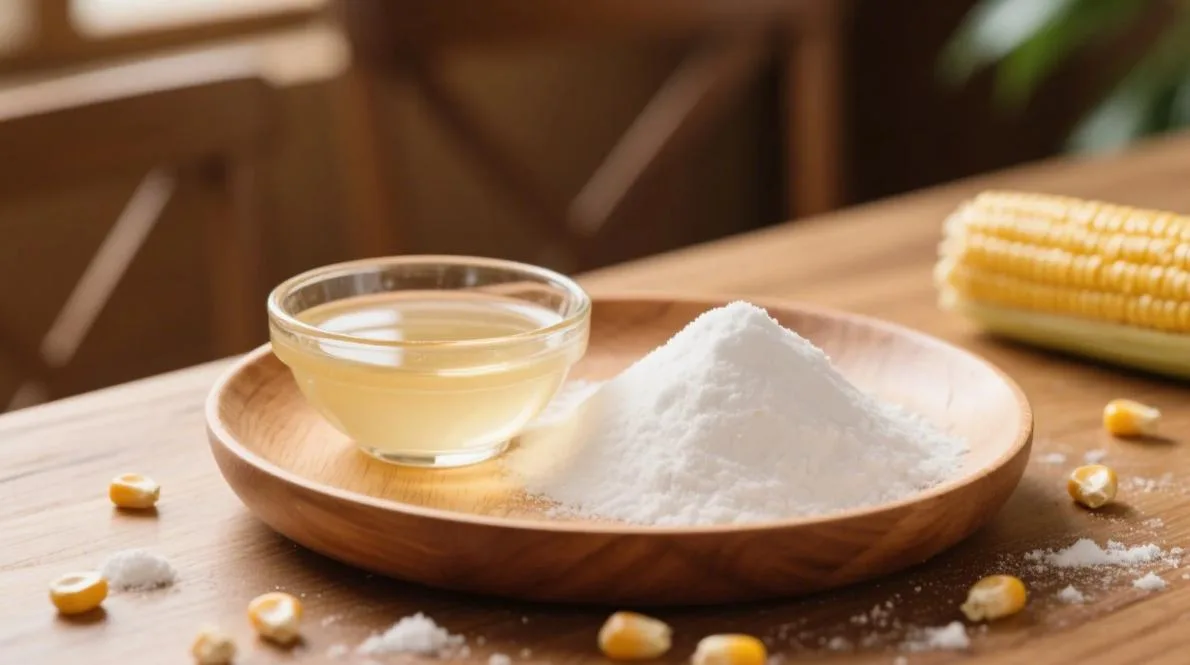
2. Product Spotlight: Two Forms, One Mission
2.1 Organic Crystalline Fructose Powder
- Properties: High-purity (>99.5%), free-flowing crystals with rapid solubility and neutral sweetness.
- Applications: Ideal for protein bars, gluten-free baking, and powdered supplements due to its stability and texture-enhancing properties.
- Market Edge: Solar-dried production processes reduce carbon footprint by 40%, appealing to eco-conscious brands.
2.2 Organic Fructose Syrup
- Properties: Liquid form with 77% fructose content, excellent moisture retention, and cold-process compatibility.
- Applications: Dominates beverages (e.g., organic soft drinks, functional teas) and dairy alternatives for its smooth mouthfeel.
- Sustainability: Enzyme-fermented from upcycled fruit byproducts, reducing agricultural waste by 30%.
Synergy in Action: Blending powder (for dry mixes) and syrup (for liquid formulations) cuts production costs by 25%, enabling versatile product innovation.
3. Growth Drivers: Why Organic Fructose is Thriving
- Health-Conscious Consumers: 68% of global shoppers prioritize low-GI and diabetic-friendly options, driving demand for organic fructose in snacks and beverages.
- Clean-Label Mandates: USDA Organic and EU Organic certifications position fructose as a gold-standard alternative to synthetic sweeteners.
- Functional Food Boom: Rising popularity of keto, vegan, and sports nutrition products amplifies adoption—e.g., fructose syrup in plant-based yogurts and energy gels.
4. Emerging Applications: Beyond the Kitchen
- Pharmaceuticals: Crystalline fructose stabilizes pediatric oral rehydration solutions and enhances drug palatability.
- Beauty & Wellness: Fructose syrup is gaining traction in hydrating serums and probiotic skincare for its humectant properties.
- Sustainable Packaging: Fructose-based biodegradable films are replacing plastics in organic snack wrappers.
5. Regional Hotspots and Innovation Frontiers
- Asia-Pacific: China’s “Healthy China 2030” initiative targets 30% fructose penetration in functional beverages and infant formula.
- North America: Keto trends propel crystalline fructose sales (+200% YoY), with startups like PureFuel launching low-GI protein bars.
- Europe: Sugar taxes push Coca-Cola to reformulate 60% of beverages with fructose syrup, reducing added sugars by 50%.
Tech Breakthroughs: CRISPR-modified microbes boost fructose yield by 85%, while AI-driven formulations personalize sweetness ratios for metabolic health.
6. Future Trends: 2030 and Beyond
- Carbon-Negative Production: Solar-powered bioreactors and regenerative farming will make fructose net-zero by 2030.
- Personalized Nutrition: At-home gut tests sync with fructose dosing apps, creating a $500M DTC niche.
- Cross-Industry Fusion: Fructose as a carbon source in lab-grown meat media slashes production costs by 25%.
Sweetening Tomorrow’s World
Organic fructose isn’t just a sweetener—it’s a catalyst for healthier lives and a greener planet. From fueling functional foods with crystalline precision to nurturing sustainable innovation through syrup versatility, this dual-formula marvel is redefining clean-label nutrition. As industries embrace transparency and sustainability, organic fructose stands ready to lead the sweet revolution.
Q: Why is fructose used as a carrier rather than only as a sweetener?
A: Because it does more than add sweetness. Dissolved sugar holds aromatic and colour components in solution and releases them in a controlled way instead of letting them separate or escape, which is what keeps the flavour of a drink in step with its sweetness. It also adds body and mouthfeel, binds water within the product matrix, and contributes to the binding structure in frozen and gelled items. In a dry mix the crystalline form works as a solid carrier that gives the powder its body and its flow behaviour.
Q: When should a formulator choose the syrup rather than the crystalline powder?
A: The choice follows the process the ingredient enters. The syrup arrives with its own water already in it, so the water it brings has to be counted in the balance, and it contributes viscosity and mouthfeel as it goes, which makes it the natural pick for beverages and dairy bases. The crystalline powder is the more concentrated and free-flowing option, which makes it the right one for dry blends such as protein bars, sachet mixes and powdered supplement blends where the material has to pour evenly through a packaging line.
Q: What actually causes a fructose syrup to crystallize?
A: A syrup holds dissolved material only as far as its temperature allows, so cooling a concentrated solution, concentrating it further, or holding it for a long time eventually pushes it past the point where the sugar can stay in solution. The usual signs run from a haze that will not clear, to a thickening, to a grainy texture. Stray seed crystals and moisture introduced during handling both make it start sooner, which is why closed systems and a clean, dry utensil for every draw from a bulk container are simple precautions worth taking.
Q: How do you specify a fructose syrup for a product that will be stored chilled?
A: The storage condition belongs in the specification rather than in the handling notes, because it changes how much margin the product has. The parameters to agree with the supplier are the sugar profile and the solids level of the incoming material, the recommended storage window, and what happens to the product if it reaches the edge of that range. Where a small amount of graininess does appear, gentle warming returns the material to a pourable state, so the recovery step is worth building into the instructions given to whoever opens the drums.
Recommended Products

Organic Fructose Powder
Organic fructose is a certified-organic monosaccharide from non-GMO corn with high relative sweetness and…
Related Posts


