
When you’re passionate about baking, you’re not just creating food; you’re creating moments of joy. And what better way to enhance those moments than by using ingredients that are as good for you as they are delicious? Organic fructose syrup offers a sweet, pure alternative to traditional sweeteners, allowing you to bake with both flavor and a clean conscience.
Converting a Recipe Without Ruining It
The reason a straight swap often disappoints is that a syrup is not a dry sweetener in a different container. It is sugar that has already been dissolved in water, and that water has to go somewhere. Swap a cup of granulated sugar for the same volume of syrup and the batter silently loses the structure that granulated sugar was providing while gaining a quantity of liquid that nobody asked for. The result is a cake that spreads, a cookie that goes thin and chewy in the middle, or a loaf that takes longer to bake than the time on the tin. Getting good results comes down to three separate adjustments: the ratio, the liquid that comes with it, and the bake itself.
| What the recipe calls for | Amount of syrup to use | How to handle the liquid | What changes in the finished bake |
|---|---|---|---|
| A cup of granulated sugar in a cake or muffin | Between two-thirds and three-quarters of a cup | Reduce the liquid in the recipe by roughly the volume of water the syrup is bringing in, then let the batter stand so the flour hydrates fully before baking | A finer, more tender crumb, and a bake that stays moist for longer than the same cake made with sugar |
| Half a cup of sugar in a cookie | Between one-third and three-eighths of a cup | Reduce or drop the added liquid entirely, since most cookie formulas carry little or none | More spread and a softer centre, so chill the dough before baking if the shape has to hold |
| A quarter cup of sugar in a frosting or glaze | Between one-sixth and three-sixteenths of a cup | Thicken with a small amount of starch or reduce the syrup on the heat rather than adding more liquid | A smoother, glossier finish with no grit, provided the syrup is not boiled long enough to grain |
| Sugar in a meringue or a hard confection | The least reliable substitution in the set, because syrup adds water that has to be driven off | Not a straight substitution. Cook the syrup down to the target and treat it as a separate step | None without a deliberate change to the method, which is why these applications are better left to sugar |
The table is built on volume, which is the measure most home recipes use, and volume has one weakness worth naming: a syrup is dense and a cup of it weighs more than a cup of loose sugar does. Scaling a formula up for a larger batch therefore works better by weight than by cup, and the weight of the syrup to use follows from the ratio rather than from the volume of the sugar it replaces. Recording the weighed figure once the recipe is right is what makes the next batch identical, and it is a habit that matters far more in a professional kitchen where the formula has to reproduce from one run to the next.
Colour, Moisture and the Shape of the Bake
Two properties of fructose shape a bake more than the ratio does, and both of them run in opposite directions to what sugar does. The first is water. A syrup arrives with water already in it, and that water changes how the starch in the flour behaves. The starch absorbs more of it than it would have from granulated sugar, which softens the crumb and keeps a cake or a muffin from drying out as quickly. At the same time the extra water has to boil off during the bake, and that takes energy and time, so the loaf goes into the oven with less available liquid and comes out of it with more structure. The second property is colour. Fructose reacts at a lower temperature than sucrose does, so the browning on the crust starts earlier and goes further for the same length of time in the oven, and the darker edges around a muffin top or the darker patches on a flat bake are usually that reaction rather than a mistake.
| What you notice in the oven or the tin | What is usually happening | What to change |
|---|---|---|
| The edges and the high points colour up well before the centre is set | The browning reaction is starting early because fructose reacts at a lower temperature than sucrose | Pull the tray towards the back of the oven, or drop the temperature a little and extend the bake slightly |
| The centre is still wet while the crust is already dark | More water than expected went into the batter, and it is still working through the middle | Reduce the liquid in the next batch rather than covering the tin, which traps steam and slows the set |
| Cookies spread further and turn thin | The syrup brought water into a dough that had very little of its own | Use the lower end of the ratio, chill the dough before baking, and give the tray a longer rest in the oven |
| The cake is beautifully moist on day one and dry by day three | The crumb was set by a wet batter rather than by structure, and it lost that water quickly once it was cut | Reduce the liquid further and shorten the bake slightly, so the structure sets before all the water has gone |
| A glaze or syrup has gone grainy or stringy | The syrup was heated too hard, and the dissolved sugar has come back out of solution | Take it off the heat before the bubbles tighten, stir it smooth off the heat, and keep it moving as it cools |
| The bake is well coloured but tastes only lightly sweet | Sweetness and colour were both used up in the crust, leaving less in the crumb | Move the ratio towards the upper end, and consider a darker flour or a small amount of cocoa to take the edge off the sweetness |
A final point belongs with the ratio rather than with the bake. A syrup is a concentrated solution, which means it is easy to add more than intended without noticing, because the volume poured looks small next to the volume of loose sugar it stands in for and the sweetness that arrives on the tongue is not as intense as the quantity suggests. Weighing it against the specification is more reliable than judging by eye, and it is worth recording the weighed figure in the recipe itself. That is the whole of the discipline a formula built on syrup asks for: adjust the ratio once, adjust the liquid once, adjust the bake once, and write down what worked.
BIOSTARCH publishes the current grade and its lot-level documentation on the organic fructose page, which is where the specification to build the formula against belongs. Our notes on cooking and baking with organic starches cover the other side of the same work, since starch is the tool for adjusting the body of a batter that a syrup has loosened, and the complete guide to organic starches sets the sweeteners and starches side by side on solubility, moisture and how each one behaves under heat.
Baking with organic fructose syrup is a simple and rewarding switch. Unlike highly processed sugars that can dominate a recipe, its subtle sweetness complements flavors without overpowering them. This means your cookies will taste more like chocolate, your fruit tarts will highlight the natural fruitiness, and your bread will have a more nuanced sweetness.
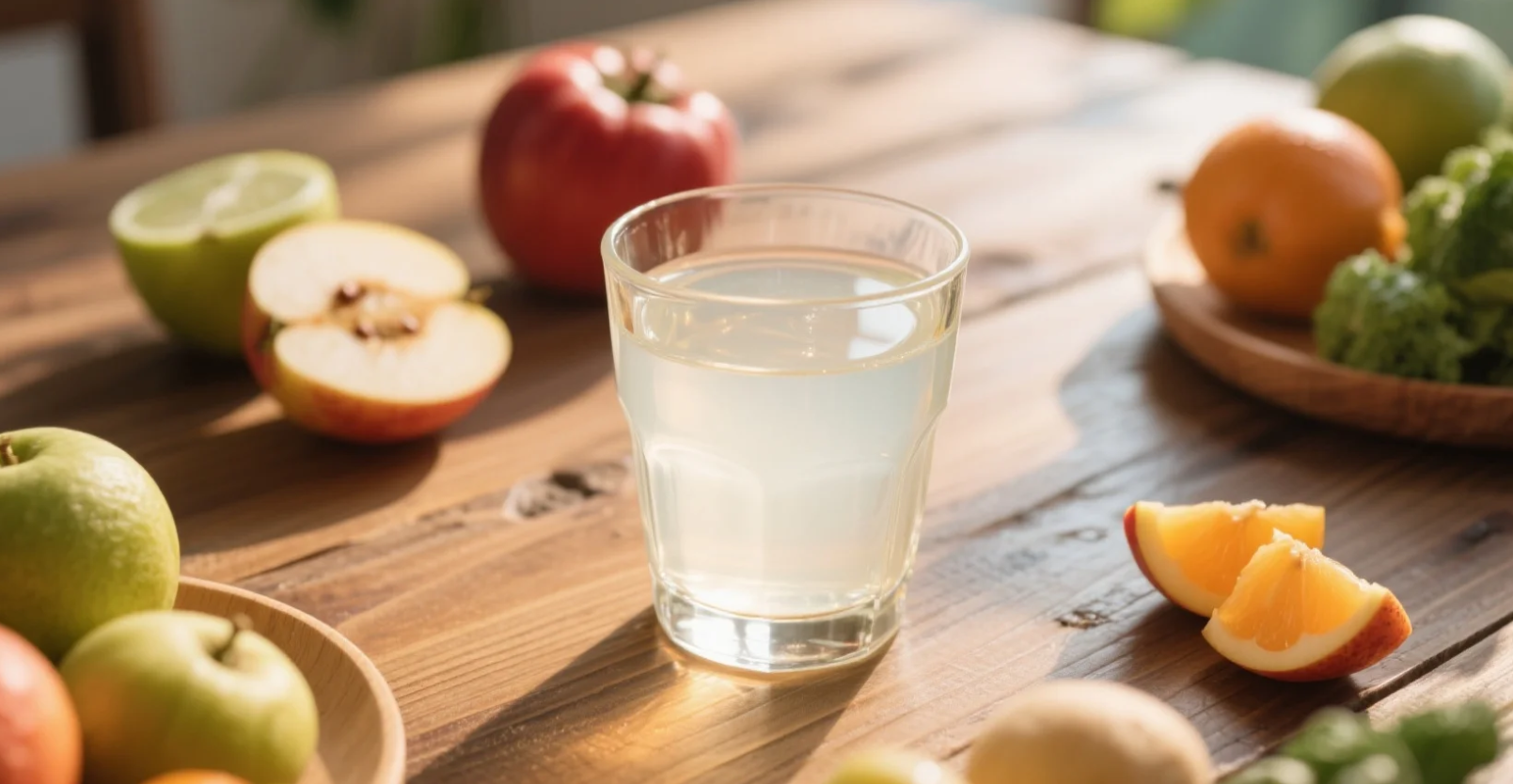
1. Perfect Your Batters and Doughs
Organic fructose syrup dissolves easily, which makes it ideal for liquid-based recipes like cakes, muffins, and brownies. Simply substitute it for the sugar or corn syrup in your favorite recipes, adjusting the liquid content slightly as needed. For every cup of sugar, you can typically use about 2/3 to 3/4 cup of organic fructose syrup. Its ability to retain moisture also results in cakes and muffins that are incredibly soft and moist, staying fresh for longer.
2. Craft Delicious Frostings and Sauces
Because of its liquid form and clean flavor, organic fructose syrup is perfect for creating silky-smooth frostings, glazes, and dessert sauces. It blends seamlessly, leaving no gritty texture behind. Try using it to create a glossy glaze for your cinnamon rolls or a rich caramel sauce for your ice cream. The result is a professional-quality finish that tastes naturally sweet.
3. Support a Healthier Lifestyle
Beyond the taste and texture benefits, baking with organic fructose syrup is a choice you can feel good about. It’s sourced from organic, non-GMO crops and is free from the harsh chemicals found in many commercial sweeteners. By using it in your kitchen, you’re embracing a more natural and sustainable way of baking, ensuring that the treats you share with family and friends are made with care from start to finish.
Storing Organic Fructose Syrup the Right Way
Fructose syrup keeps well, but a few habits make a real difference. After each use, wipe the rim of the bottle and close the cap firmly, then store it in a cool, dark place away from direct sunlight. Refrigeration is not always required, though cooler temperatures slow any change in color or flavor over time.
If crystals or cloudiness appear, check the best-before date before deciding what to do next. Water introduced from a wet spoon or damp lid can shorten shelf life, so keep contact with moisture to a minimum. For bakeries and manufacturers looking for a steady organic supply, BIOSTARCH offers fructose syrup in bulk with consistent quality, and our team is happy to answer any questions.
Baking with a conscience isn’t about sacrificing flavor—it’s about elevating it. With organic fructose syrup, you can create truly delicious and wholesome desserts, making every bite a celebration of good taste and a smart choice.
Q: How much fructose syrup should I use in place of a cup of sugar?
A: Between two-thirds and three-quarters of a cup, and the important part of that answer is the adjustment that comes with it. The syrup brings its own water, so the liquid in the recipe usually has to be reduced to keep the texture right. Because a syrup is denser than loose sugar, weighing the amount is more reliable than measuring by volume, and recording the weighed figure is what lets the next batch match the last one.
Q: Why does my fructose syrup bake turn dark before the middle is ready?
A: Because fructose reacts at a lower temperature than sucrose does, the browning on the crust starts earlier and goes further for the same time in the oven. The darker edges around a muffin top are usually that reaction rather than a fault in the recipe. Move the tray towards the back of the oven, or drop the temperature slightly and extend the bake a little, and check the middle rather than the crust for doneness.
Q: My cookies spread too much and come out thin and chewy. What went wrong?
A: The syrup carried water into a dough that had very little of its own, so the cookies spread further and the centre never set properly. For the next batch, use the lower end of the substitution ratio, drop the added liquid entirely if the formula has any, and chill the dough before baking. A shorter bake also helps, since the structure needs to set before all the extra water has boiled away.
Q: My cake is moist on the first day and dry two days later. How do I fix that?
A: The crumb was set by a wet batter rather than by structure, so it lost that water quickly once the cake was cut. Reduce the liquid in the batter further and shorten the bake slightly, so the structure sets before all the water has gone. Note that the moisture a syrup does hold in a bake is a genuine benefit, so the goal is a balance rather than the removal of all of it, and the adjustments are worth making one at a time.
Related Posts


