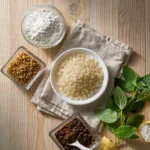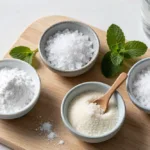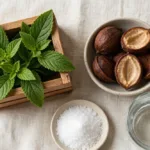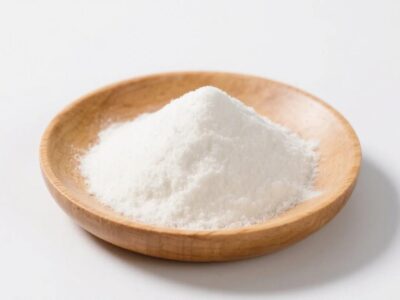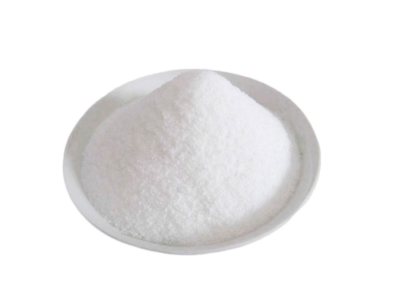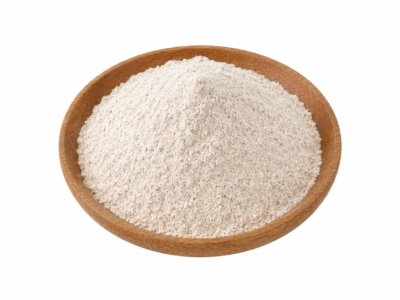
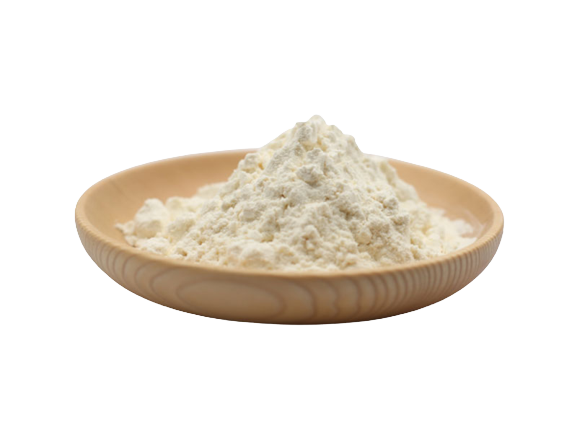
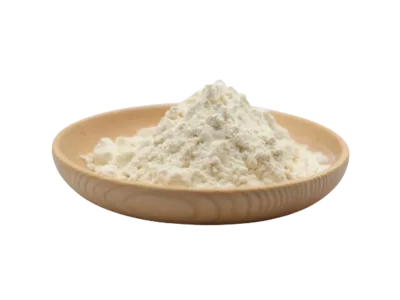
Our monk fruit extract powder is a highly concentrated sweetener derived from Siraitia grosvenorii (Luo Han Guo) fruits. Standardized to ≥50% total mogrosides—with Mogroside V as the primary active compound—it delivers 150–300× the sweetness of sucrose with zero calories, zero glycemic impact, and a relatively clean taste profile when properly purified.
Produced using only food-grade water or ethanol (fully removed during drying), our extraction process avoids synthetic solvents, irradiation, or GMOs—ensuring compliance with clean-label standards.
Origin: Sourced from mountain-grown monk fruit in Guangxi, China—the traditional cultivation region—under certified farming practices.
What Is Monk Fruit Extract?
Monk fruit contains natural triterpene glycosides called mogrosides, which are intensely sweet but not metabolized by the human body. Unlike artificial sweeteners, mogrosides:
- Provide zero calories and zero effect on blood glucose or insulin
- Are heat-stable (stable up to 180°C / 356°F)
- Exhibit antioxidant properties in vitro
- Have no known laxative effects (unlike sugar alcohols)
The sweetness sits in the mogroside fraction rather than in any single compound. Our extract is spray-dried into a free-flowing powder, often blended with a carrier (e.g., erythritol or resistant dextrin) for ease of use—but pure (>95% mogrosides) versions are also available upon request.
Also Known As: Names and Synonyms in the Trade
Monk fruit extract is traded under a small family of names that come from the Chinese name of the fruit, from its botanical synonyms, and from the sweet compounds it is standardised to. The list below covers the names that appear most often in enquiries, technical data sheets and customs paperwork.
- Luo Han Guo extract – the Chinese name of the fruit, widely used in specification sheets and customs descriptions
- Lo Han Kuo extract – an older romanisation of the same fruit name, still seen in supplier technical data sheets
- Arhat fruit extract – the English translation of the fruit name, used in European regulatory assessments
- Siraitia grosvenorii extract – the botanical-source name, listed in the Food Chemicals Codex monograph
- Momordica grosvenorii extract – a botanical synonym of the same plant, retained in older regulatory and pharmacopoeial texts
- Fructus Momordicae – the pharmaceutical Latin name of the fruit, used in traditional-medicine documentation
- Mogrosides – the collective name of the sweet glycosides, used in food-additive standards and on ingredient labels
- Monk fruit concentrate – a trade synonym for concentrated preparations of the same fruit
- Monk fruit sweetener – the retail and finished-product label name for the same sweetening principle
The names above describe the same botanical source, but they do not all describe the same grade. The commercial difference sits in the declared mogroside content, so the certificate of analysis, and not the label name, is what should decide the purchase.
Technical Specifications
| Parameter | Monk Fruit Extract Powder (≥50% Mogrosides) |
|---|---|
| Botanical Source | Siraitia grosvenorii (Luo Han Guo fruit) |
| Appearance | Light yellow to beige fine powder |
| Odor & Taste | Mild, sweet; no strong herbal or bitter notes |
| Total Mogrosides | ≥50% (HPLC, dry basis) |
| Mogroside V Content | ≥25% (typical in 50% total mogroside grade) |
| Loss on Drying | ≤5.0% |
| Residue on Ignition (Ash) | ≤2.0% |
| pH (5% solution) | 4.0 – 7.0 |
| Particle Size (D[90]) | ≤150 µm |
| Bulk Density | 0.30 – 0.50 g/mL |
| Shelf Life | 24 months (sealed, cool & dry storage) |
| Heavy Metals (Maximum Limits) | |
| – Lead (Pb) | ≤0.5 mg/kg |
| – Arsenic (As) | ≤0.5 mg/kg |
| – Cadmium (Cd) | ≤0.1 mg/kg |
| – Mercury (Hg) | ≤0.03 mg/kg |
| Microbiological Criteria | |
| – Total Plate Count | ≤1,000 CFU/g |
| – Yeast & Mold | ≤100 CFU/g |
| – Escherichia coli | Absent in 1 g |
| – Salmonella spp. | Absent in 25 g |
| – Listeria monocytogenes | Absent in 25 g |
| Allergen Status | Gluten-Free (<5 ppm), Soy-Free, Dairy-Free, Nut-Free |
| Certifications | Non-GMO Project Verified, Kosher, Halal (available), Vegan Certified |
Analytical methods: HPLC per USP/Chinese Pharmacopoeia; microbiological testing per ISO 4833. Complies with FDA GRAS (monk fruit extract), EU Novel Food (Commission Implementing Regulation (EU) 2017/2470), and GB 1886.269-2016 (China).
Sourcing, Certification and Regulatory Status
| Jurisdiction / Standard | Regulatory status | Legal name | Notes |
|---|---|---|---|
| United States | GRAS; FDA has not questioned the notifiers’ GRAS conclusions for monk fruit extract | Monk fruit extract | Notified under the FDA GRAS Notice programme |
| European Union | Novel Food | Monk fruit extract | Listed under Commission Implementing Regulation (EU) 2017/2470 |
| China | Food additive standard | Luo Han Guo extract | Governed by GB 1886.269-2016 |
The botanical source, the extraction route and the assay method are the three points buyers and regulators check first, so the specification above is issued with the certificate of analysis and reports the total mogroside and Mogroside V results on a dry basis.
Applications
Two commercial forms cover almost every brief: a purified powder for concentrated sweetness, and a carrier-blended powder for bulk handling and 1:1 sugar replacement.
Pure Extract Powder
- Beverages: Sparkling water, protein shakes, RTD teas, kombucha
- Dietary Supplements: Chewables, powders, tablets
Carrier-Blended Powder
- Dairy & Alternatives: Yogurt, plant-based ice cream, milk alternatives
- Bakery: Muffins, cakes, cookies (heat-stable)
- Confectionery: Gummies, hard candies, chocolate
- Tabletop Sweeteners: Blended with erythritol for 1:1 sugar replacement
Format and Grade Selection
| Parameter | Standard Grade | High-Purity Grade | Carrier-Blended Options |
|---|---|---|---|
| Total mogrosides | ≥50% | ≥80% or ≥95% | Per the base grade |
| Form | Free-flowing powder | Free-flowing powder | Pre-mixed with organic erythritol, inulin, or resistant dextrin |
| Best suited for | Cost-effective for blends | Premium applications requiring minimal usage | Bulk handling and 1:1 sugar replacement |
Pure monk fruit extract is extremely potent. Most commercial products use it at <0.1% in combination with bulking agents, so the grade is normally chosen together with the carrier and the use level rather than on its own.
Why Choose Our Monk Fruit Extract Powder?
We work directly with monk fruit cooperatives in Guangxi Province, ensuring traceability from orchard to extract. Our GMP-compliant facility uses closed-loop extraction and rigorous QC—including HPLC fingerprinting—to ensure consistent mogroside profiles and compliance with pesticide residue limits.
Every batch includes: Certificate of Analysis (CoA), HPLC chromatogram, Allergen Statement, and SDS.
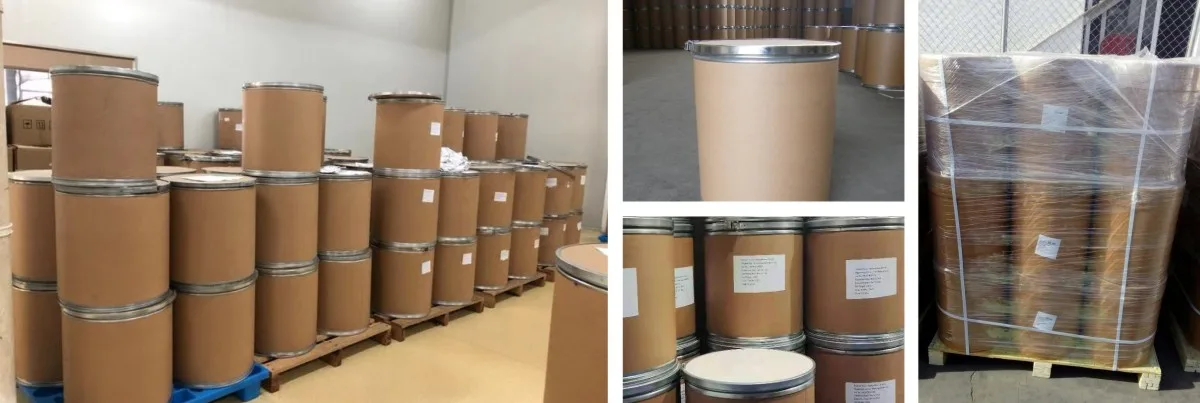
Packing
Available packaging:
- 1 kg aluminum foil bags (R&D/sample size)
- 10 kg or 25 kg multi-wall paper bags with PE liner
- Custom blending and private labeling available
FAQs
Q: What is Mogroside V, and why is it important for Monk Fruit Extract?
A: Mogroside V is the primary sweet compound (glycoside) found in monk fruit. It’s the most abundant and sweetest mogroside, and the concentration of Mogroside V (e.g., 25%, 50%, 80%) in the extract determines its overall sweetness intensity and often its purity and taste profile. Higher Mogroside V typically indicates a cleaner, less bitter taste.
Q: Is Monk Fruit Extract Powder suitable for ketogenic diets?
A: Yes, Monk Fruit Extract Powder is an excellent choice for ketogenic diets. It contains zero net carbohydrates and has no impact on blood sugar levels, making it a preferred sweetener for low-carb and keto formulations.
Q: What’s the typical shelf life and recommended storage for bulk quantities?
A: Our Monk Fruit Extract Powder typically has a shelf life of 24 months from the manufacturing date when stored in a cool, dry place (below 75°F / 24°C), away from direct sunlight and moisture, in its original sealed, airtight packaging.
Q: How does Monk Fruit Extract Powder compare to stevia or erythritol in terms of taste and functionality?
A: Monk Fruit Extract Powder is often preferred for its cleaner taste profile compared to stevia, which can sometimes have a lingering bitter aftertaste at higher concentrations. While erythritol offers bulk and a cooling sensation, monk fruit provides intense sweetness without those textural or cooling effects, making it versatile for combining with other bulking agents or polyols.