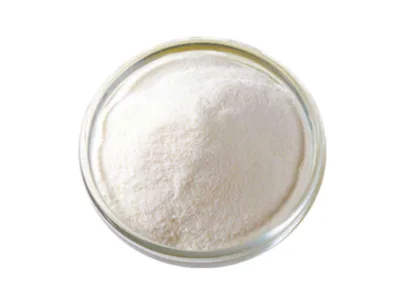
What is Stachyose powder?
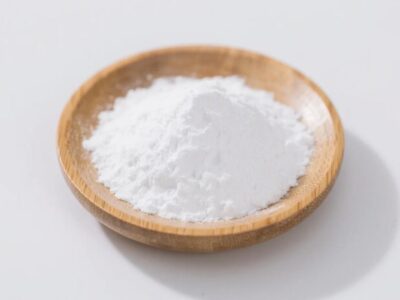
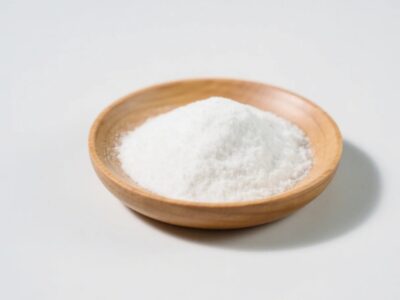
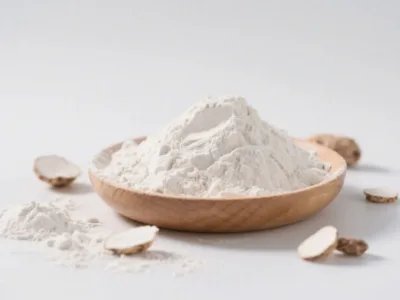
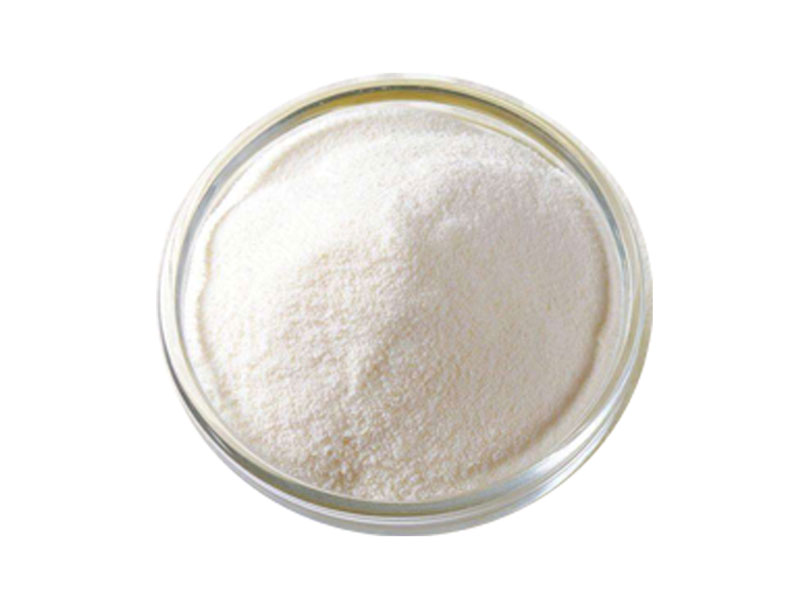
Stachyose powder is a naturally occurring tetrasaccharide, which is widely found in natural plants. At present, the production of stachyose mainly uses natural plants such as Chinese artichoke (Stachys affinis, also known as crosne) or soybeans as raw materials. It is made by decoloring, refining, and other processes. The pure product is a white powder with a slightly sweet taste and pure taste without any bad taste or odor.
Stachyose powder can promote the proliferation of beneficial bacteria such as bifidobacteria and lactobacilli in the gastrointestinal tract.
Also Known As: Names and Synonyms in the Trade
Stachyose appears on specifications, certificates of analysis and customs paperwork under several names, and the one a document uses usually says something about the form behind it. The pure tetrasaccharide, the hydrated crystal that most food-grade material is supplied as, and the soybean-derived oligosaccharide blends that carry it alongside raffinose are not the same article, so the name has to be read together with the assay. Raffinose in particular sits in the same α-galactoside family and in the same soy extracts, but it is a different molecule and is not a substitute for stachyose.
- Lupeose – the historical synonym for stachyose, still listed in the synonym fields of chemical catalogues and in older literature
- Stachyose tetrahydrate – the hydrated crystal form that most food-grade material is supplied as, and the form the water content on the specification sheet identifies
- β-D-Fructofuranosyl-O-α-D-galactopyranosyl-(1→6)-O-α-D-galactopyranosyl-(1→6)-α-D-glucopyranoside – the systematic name, used on reference-standard data sheets and in pharmacopoeial monographs
- α-D-Gal-(1→6)-α-D-Gal-(1→6)-α-D-Glc-(1→2)-β-D-Fru – the shorthand form of the same structure, used on specifications where the full name will not fit
- Mannotetrose – a legacy name that still appears on some suppliers’ data sheets and catalogue entries for the same galactose-galactose-glucose-fructose tetrasaccharide
- CAS 10094-58-3 – the registry number quoted on certificates of analysis and customs entries for food-grade stachyose
Compare the name on the label with the name and the assay on the specification sheet, and settle whether the offer is the hydrated or the anhydrous material before treating two quotations as equivalent. The name that governs the shipment is the one written into the contract and the specification, not the one on the supplier’s data sheet.
Specification
| Product Name | Stachyose Powder |
| Appearance | White powder |
| Specification | 70%, 80%, 85% |
| CAS No | 10094-58-3 |
| MF | C24H42O21 |
| Test Method | HPLC |
| Stock | In stock |
| Shelf life | 2 years |
| Storage conditions | Store in a cool & dry place, Keep away from strong light and heat. |
| Sample | Available |
Sourcing, Certification and Regulatory Status
| Jurisdiction / Standard | Regulatory status | Legal name | Notes |
|---|---|---|---|
| European Union | No product-specific EU authorisation; placed on the market as a food ingredient | Stachyose | There is no additive entry and no stachyose-specific provision. Whether a given material needs an authorisation under Regulation (EU) 2015/2283 depends on its documented history of consumption in the EU before 15 May 1997, so the position has to be confirmed with the destination member state |
| United States | Sold as a food ingredient and as a dietary ingredient in supplements; no stachyose-specific FDA regulation was identified | Stachyose | No listed food additive regulation and no published GRAS notice specific to stachyose was identified in preparing this page. For supplement use the material is placed on the market as a dietary ingredient, so ask the supplier for the documentation relied on before treating a GRAS statement as evidence |
| Japan | Long-established food ingredient; the soybean oligosaccharide in which stachyose is the main component is a recognised functional oligosaccharide | Soybean oligosaccharide (stachyose, raffinose) | Soybean oligosaccharide was the functional ingredient of one of the earliest gut-regulation FOSHU approvals in 1993, and the Japan Health Food and Nutrition Food Association standard for oligosaccharide foods lists soybean oligosaccharide (raffinose, stachyose) as a recognised category. Any on-label claim wording has to be authorised for the finished product |
| Codex Alimentarius | Used as an ingredient rather than as a regulated additive | Stachyose | No product-specific Codex standard applies. The buyer’s own specification and the rules of the destination market govern the trade, and neither substitutes for the other |
What carries the compliance weight here is the assay, the water content and the microbiological limits rather than the naming convention, so those are the figures to line up when comparing offers. Because stachyose is a naturally occurring oligosaccharide rather than a regulated additive, confirm the legal name, the permitted use and any claim restriction with the destination market before the first shipment.
Quality and Certification
BIOSTARCH stachyose is extracted from certified organic Chinese artichoke tubers using water extraction, membrane filtration, and spray drying, with no chemical solvents. Production runs under an ISO 22000 food safety management system, and every lot is tested for stachyose content by HPLC together with moisture, ash, heavy metals, pesticide residues, and microbiological limits. Each shipment carries a Certificate of Analysis, an organic certificate stating the botanical origin, a non-GMO declaration, and a Safety Data Sheet.
Technical Profile
Stachyose is a tetrasaccharide built from two galactose units, one glucose unit, and one fructose unit. Human digestive enzymes cannot break these bonds, so the molecule reaches the colon intact and is fermented selectively by bifidobacteria. Effective intake is low, commonly between 0.5 and 3 grams per day, which is a fraction of the dose required for inulin or fructooligosaccharides. It carries roughly 22 percent of the sweetness of sucrose, dissolves clearly in water, and stays stable through normal pasteurisation.
Applications and Supply
Typical uses include probiotic capsules and sachets, maternal and adult digestive health, fermented dairy, functional beverages, and middle-aged and elderly digestive formulations. Stachyose is supplied in 25 kg multi-wall paper bags with a food-grade polyethylene liner, and in 1 kg foil bags for trial quantities. Store sealed in a cool, dry place; shelf life is 24 months. BIOSTARCH provides samples, specification sheets for both the 70 percent and 85 percent grades, and export documentation on request.
Format and Grade Selection
Two questions are settled before a specification is agreed: which grade, and which botanical source. Both follow from the application rather than from the label.
- 70 percent grade – the entry point for high-dose digestive-health formats, where a larger gram weight per serving is acceptable
- 80 percent grade – the middle cut, quoted when the formulation has room for neither the lowest nor the highest carrier load
- 85 percent grade – the grade for capsules, sachets and low-dose formats, where the carrier sugar has to be kept to a minimum
- Chinese artichoke (Stachys affinis, crosne) derived – the tuber route, chosen where the botanical origin named on the organic certificate has to be a tuber crop
- Soybean derived – the established route, chosen where soy-based documentation is acceptable to the buyer
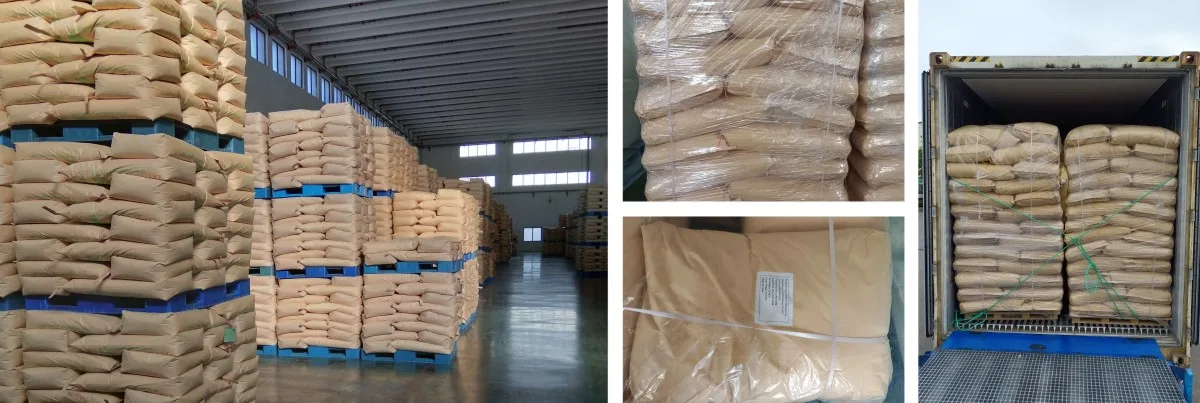
- Powder in 25 kg bags – the standard export packing, with 1 kg foil bags for trial quantities
Handling Note: Ask whether the declared percentage is stachyose alone or the whole oligosaccharide fraction including raffinose. Both conventions are in use in the trade, and the answer changes the dose that actually reaches the formulation.
Tell us the application, the grade you need and the process temperature when requesting a sample, and we will quote the grade and the packing that fit it. Specification sheets and export documentation are issued with the sample so that the paperwork can be checked before the first order.
Packing
FAQs
Q: What grades of stachyose powder do you supply?
A: We quote 70 percent, 80 percent and 85 percent grades. Every lot is assayed by HPLC and the Certificate of Analysis states the stachyose content for that lot, so the grade on the purchase order can be checked against the grade on the certificate.
Q: How do I tell whether a quotation is for stachyose or for a soybean oligosaccharide blend?
A: Ask for the stachyose figure on its own rather than a total oligosaccharide figure. Soybean oligosaccharide blends carry raffinose and sucrose alongside stachyose, so a blend quoted at 70 percent total oligosaccharide is not the same material as a 70 percent stachyose grade. The assay method and the basis stated on the specification sheet settle the question.
Q: What does each lot get tested for?
A: Stachyose content by HPLC, together with moisture, ash, heavy metals, pesticide residues and microbiological limits, before the Certificate of Analysis is issued.
Q: What is the shelf life and how should the material be stored?
A: Shelf life is two years. Store the sealed bag in a cool, dry place away from strong light and heat, and keep the liner intact once the bag is opened.
Q: What packing do you offer, and can I get a trial quantity?
A: Standard packing is a 25 kg multi-wall paper bag with a food-grade polyethylene liner, and 1 kg foil bags are available for trial quantities. Samples are available, and each shipment carries a Certificate of Analysis, an organic certificate stating the botanical origin, a non-GMO declaration and a Safety Data Sheet.