Product Overview
Polydextrose Powder is a certified non-GMO soluble dietary fiber produced through the controlled polymerization of glucose, sorbitol, and citric acid. With only 1 kcal/g and low glycemic impact (GI ≈ 4–7), it serves as a multifunctional ingredient for reducing sugar, enhancing fiber content, and improving texture in clean-label products. Its neutral taste, high solubility, and fiber properties make it ideal for beverages, baked goods, dairy, and functional foods. Certified USDA Non-GMO Project Verified, Kosher, and Halal.
Key Features & Benefits
- Soluble Fiber: Partially fermented in the colon, may support gut health.
- Sugar & Calorie Reduction: Replaces bulk and texture of sugar with approximately 75% fewer calories.
- Clean-Label Texture Enhancer: Improves mouthfeel in low-fat/sugar products and prevents crystallization.
- Low Glycemic Index (GI ≈ 4–7): Suitable for low-glycemic and keto/low-carb formulations.
- High Stability: Heat-resistant, pH-stable, and suitable for acidic or baked applications.
Also Known As: Names and Synonyms in the Trade
Polydextrose travels under grade names rather than chemical ones, and the name a document uses usually says which grade is meant. The two that matter commercially are the non-neutralised and the neutralised material, which share a single EU additive number but not a single pH range on the specification sheet. The list below covers the forms that come up most often in enquiries, technical data sheets and customs paperwork.
- E 1200 – the EU additive number, and the name the ingredient carries on an EU ingredient list
- INS 1200 – the Codex international numbering system equivalent, quoted on specifications prepared for Codex-aligned markets
- Modified polydextroses – the formal synonym recorded in the EU specifications for E 1200, written in the plural because it also covers the neutralised material
- Polydextrose-A – the name used in the literature and in EFSA’s re-evaluation for the non-neutralised material, the grade with the wider pH range in solution
- Polydextrose-N – the neutralised grade, specified on data sheets where the pH range and the residual glucose figure are the deciding numbers
- CAS 68424-04-4 – the registry number quoted on certificates of analysis and customs entries, which covers both grades
Check that the grade on the certificate of analysis matches the grade named on the purchase order. One additive number covers both the neutralised and the non-neutralised material, and the two behave differently in solution, so the grade belongs in the specification rather than on the label alone.
Product Specifications
| Parameter | Specification |
|---|---|
| Purity | ≥95% Polydextrose |
| Caloric Value | 1.0 kcal/g |
| Glycemic Index (GI) | ≈4–7 |
| Moisture Content | ≤3.0% |
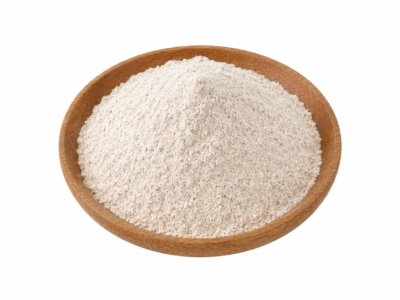
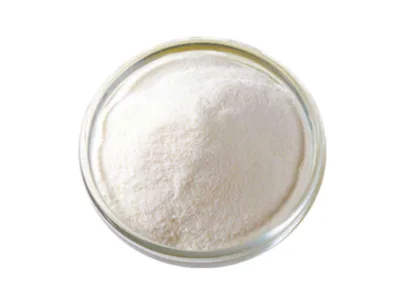
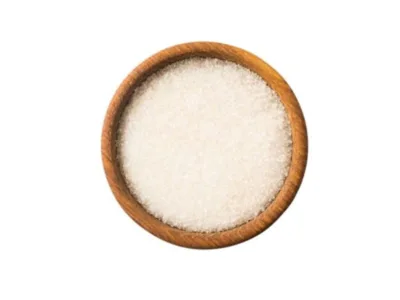
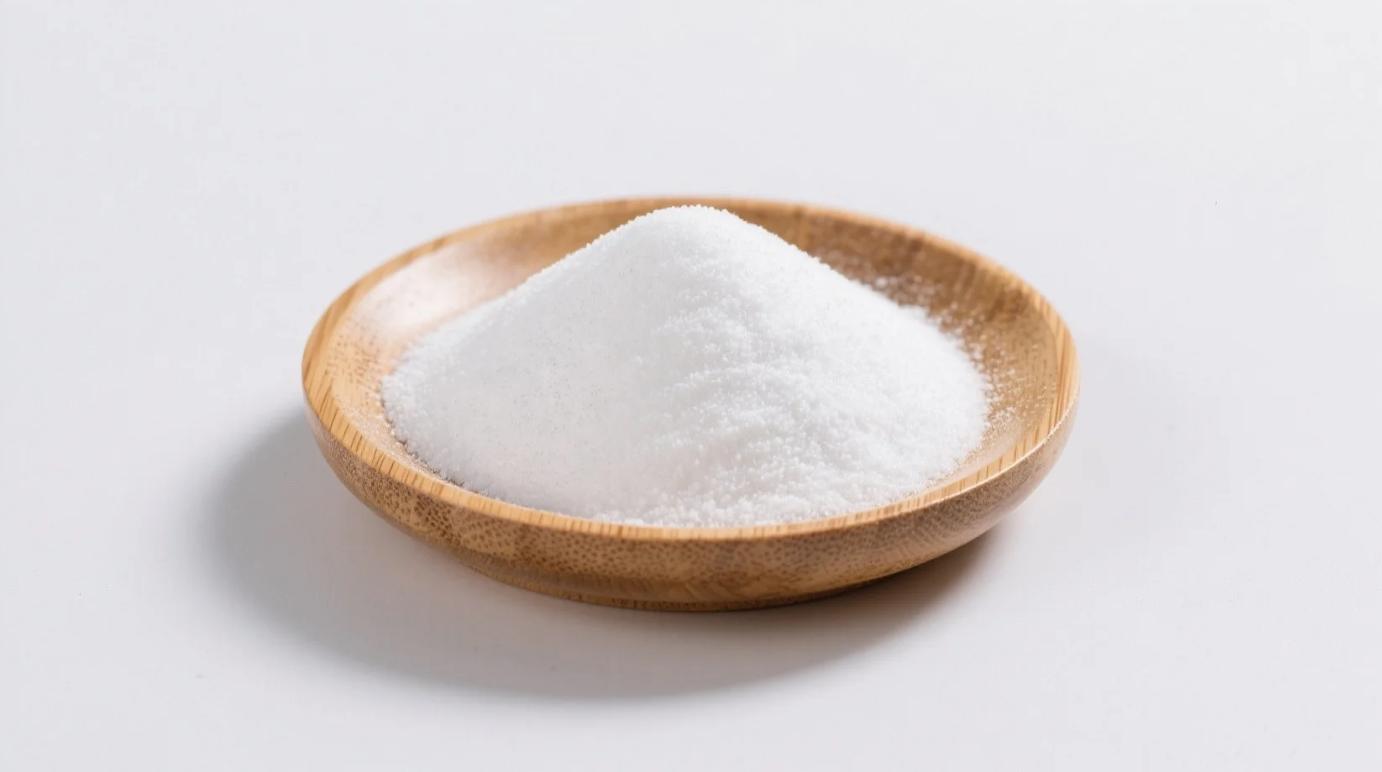
| Appearance | White to off-white fine powder |
| Solubility | Highly soluble in water (≥80% w/w) |
| Certifications | Kosher, Halal |
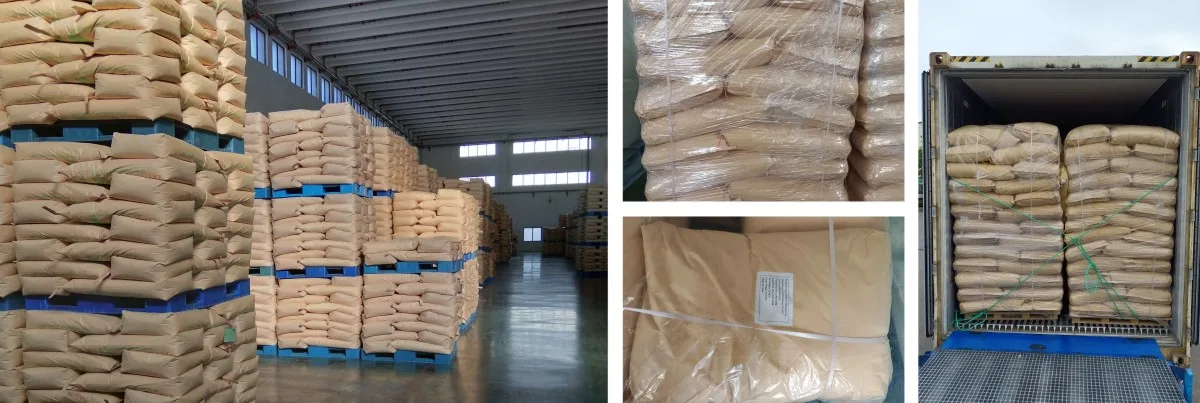
| Packaging | 5kg, 10kg, 25kg moisture-proof bags |
| Shelf Life | 24 months |
Sourcing, Certification and Regulatory Status
| Jurisdiction / Standard | Regulatory status | Legal name | Notes |
|---|---|---|---|
| European Union | Authorised food additive, E 1200, usable at quantum satis in the categories for which provisions exist | Polydextrose / modified polydextroses | Commission Regulation (EU) No 231/2012 lays down the specifications for E 1200 and records “modified polydextroses” as the synonym. Conditions of use sit in Annex II to Regulation (EC) No 1333/2008. EFSA re-evaluated E 1200 as a food additive in 2021 (EFSA Journal, doi:10.2903/j.efsa.2021.6363) |
| United States | Permitted as a direct food additive under 21 CFR 172.841 | Polydextrose | 21 CFR 172.841 allows use as a bulking agent, formulation aid, humectant and texturizer in all foods except meat and poultry, baby food and infant formula, and is the operative US provision for food use rather than a GRAS notice. Food a single serving of which would be expected to exceed 15 grams must carry the statement that sensitive individuals may experience a laxative effect |
| Japan | Handled as a food rather than as a listed food additive, and recognised as dietary fibre | Polydextrose | Polydextrose conforms to the accepted Japanese definition of dietary fibre. Where a fibre or health claim is intended the wording runs through the Foods with Function Claims or FOSHU routes, so the classification and the permitted claim should be confirmed with the importer before printing |
| Codex Alimentarius | Food additive, INS 1200; JECFA specifications published for polydextroses A and N | Polydextroses A and N | Listed in the General Standard for Food Additives (CXS 192-1995) with GMP levels in the food categories for which provisions have been adopted, under the functional classes bulking agent, humectant, stabiliser and thickener. JECFA allocated an ADI of “not specified” |
For polydextrose the practical compliance questions sit in the analytical method rather than in the naming. Total dietary fibre is counted by AOAC 2009.01 and 2011.25, which include the low-molecular-weight fraction; the older gravimetric methods measure polydextrose only partly, so a fibre figure quoted without its method is not comparable. Confirm the legal name, the permitted food categories and the maximum level with the destination market before the first shipment.
Applications
- Bakery & Snacks: Adds fiber to cookies, bread, and cereal bars without altering flavor.
- Dairy: Enhances texture in sugar-free yogurt, ice cream, and plant-based milk.
- Beverages: Soluble fiber booster for shakes, juices, and powdered drink mixes.
- Confectionery: Reduces sugar content in gummies, chocolates, and chewable supplements.
- Pharmaceuticals: Excipient for fiber-enriched tablets and sugar-free syrups.
Format and Grade Selection
Two questions are settled before a specification is agreed: which grade, and which fibre figure the finished label has to carry. Both follow from the application rather than from the label.
- ≥95% polydextrose – the standard food-grade assay, quoted on our specification sheet and confirmed against the certificate of analysis for each lot
- Non-neutralised grade – the lower-pH material, chosen where the finished system can accommodate an acidic solution
- Neutralised grade – the grade to specify when the pH of the finished system has to stay close to neutral
- Powder – the route into dry blends, tablets, sachets and bakery premixes, with moisture held to ≤3.0%
- High solubility – the material dissolves to at least 80% w/w in water, which is what lets it be metered into beverages without a thickening effect
- Particle size and blend optimisation – available on request where the powder has to match an existing premix
Handling Note: The fibre figure on the finished label depends on the analytical method as much as on the grade – AOAC 2009.01 and 2011.25 count the low-molecular-weight fraction, while the older gravimetric methods measure polydextrose only partly.
Tell us the application, the pH of the finished system and the fibre figure the label has to carry when requesting a sample, and we will quote the grade and the packing that fit it. Kosher and Halal certification is held for the standard grade.
Why Choose Us?
- Technical Excellence: Customizable particle size and blend optimization for your formulations.
- Quality Assurance: Rigorously tested for purity, microbial safety, and heavy metals (ISO 9001, HACCP).
- Sustainable Production: Eco-friendly process with minimal waste and energy consumption.
- Global Compliance: Meets FDA GRAS, EFSA, and FSANZ regulations for food-grade polydextrose.
FAQs
Q: Is polydextrose powder a prebiotic?
A: Polydextrose is a soluble fiber that resists digestion and is partially fermented in the colon, which may support gut health.
Q: Can polydextrose replace sugar in recipes?
A: It replaces sugar’s bulk and texture at a 1:1 ratio but provides minimal sweetness. Pair with sweeteners like stevia for balanced flavor.
Q: Does it cause bloating or gas?
A: Polydextrose is generally well-tolerated at 15–30 g/day; gradual introduction is recommended for sensitive individuals.
Q: Is this suitable for gluten-free products?
A: Absolutely. It’s naturally gluten-free and certified allergen-free.
Packing