
Why Add Polydextrose to Your Daily Diet?
Most people fall short of the recommended daily fiber intake. The average diet provides barely half the 25-30 grams health authorities suggest, leaving a gap that can affect digestion, satiety, and blood sugar management. Organic polydextrose offers a practical way to close that gap without rearranging your entire meal plan.
At roughly one calorie per gram and over 90% dietary fiber, organic polydextrose adds bulk and fiber with minimal caloric cost. Unlike many fiber supplements that taste gritty or alter the flavor of food, polydextrose has a neutral taste and dissolves clearly into both hot and cold preparations. That means you can stir it into your morning coffee, fold it into cookie dough, or blend it into a protein shake without anyone noticing a difference.
The ease of use is what sets polydextrose apart from other fiber sources. Psyllium husk thickens rapidly and can clump. Inulin carries a sweet note that not every recipe welcomes. Polydextrose simply disappears into whatever you are making, contributing fiber without imposing its own flavor profile. For anyone who has tried and abandoned fiber supplements because of taste or texture issues, polydextrose removes those barriers entirely.
If you are looking for a broader understanding of what polydextrose is and why manufacturers add it to food, our complete guide to organic polydextrose covers its origin, composition, and functional properties in depth.
Smoothies and Beverages
One of the simplest ways to learn how to use organic polydextrose is to add it to drinks. Because the powder form (200-300 mesh, meaning an extremely fine particle size) dissolves readily in cold or warm liquids, you can incorporate it into almost any beverage without special equipment.
Coffee and tea. Stir 1-2 teaspoons (3-6 grams) directly into a mug of hot coffee or tea. The powder dissolves within seconds and will not cloud the liquid or change the flavor. For iced drinks, dissolve the powder in a small amount of warm water first, then pour the concentrate into your cold beverage. This two-step method prevents any undissolved granules from settling at the bottom.
Smoothies and protein shakes. Add 1-2 tablespoons (8-16 grams) to your blender along with your usual ingredients. Because polydextrose adds fiber without adding digestible sugar, it helps blunt the blood sugar response of fruit-based drinks and keeps you feeling full longer. Because polydextrose is heat stable and pH stable, it works just as well in a green smoothie with citrus juice as it does in a chocolate protein shake.
Fruit juices. If you drink juice and want to offset its sugar content with fiber, stir in 1 teaspoon per glass. Polydextrose tolerates the acidity of citrus juices without breaking down, making it suitable for orange, grapefruit, or lemon-based drinks.
For those who prefer a liquid format, organic polydextrose syrup blends directly into beverages with no dissolving step required. The syrup contains 70-75% solids and pours easily into smoothies, shakes, or cocktail mixers.
Start with the lower end of the recommended range — about 3 grams per serving — and increase gradually over a week or two. This gives your digestive system time to adapt and minimizes any temporary bloating or gas that can accompany a sudden increase in fiber intake.
Baking with Polydextrose
Baking is where organic polydextrose truly earns its place in the home kitchen. It performs two roles simultaneously: it replaces some of the bulk that sugar normally provides, and it adds fiber that sugar never could. The result is baked goods that look and feel familiar but carry a fraction of the sugar and calories.
Sugar replacement ratios. Polydextrose can replace 25-50% of the sugar in most recipes without major structural changes. Start with a 1:1 substitution for the portion you are replacing. Because polydextrose is less sweet than sugar (it provides roughly 5-10% of sugar’s sweetness), you may want to pair it with a high-intensity sweetener like stevia or monk fruit if sweetness is important to the recipe. The bulk and moisture retention come from the polydextrose; the sweetness comes from the companion sweetener.
Moisture retention. Polydextrose acts as a humectant, meaning it attracts and holds water. In baking, this translates to cookies that stay soft longer, muffins that resist drying out, and bread that does not go stale as quickly. This property is especially valuable in reduced-sugar baking, where removing sugar often leads to dry, crumbly textures. By retaining moisture, polydextrose helps your low-sugar creations maintain the mouthfeel people expect.
Mixing tips. When baking, add polydextrose powder to your dry ingredients rather than your wet ingredients. This ensures even distribution and prevents clumping. Sift it together with your flour, baking powder, and any other dry components before combining with the wet mixture.
Heat stability. Polydextrose does not meaningfully degrade at typical baking temperatures. Whether you are baking cookies at 350°F or bread at 400°F, the fiber content and functional properties remain essentially intact. You can also use it in stovetop cooking — thickening a fruit compote or sweetening a custard base — without concern for heat damage.
For a full breakdown of polydextrose properties that support baking and cooking applications, refer to our detailed article on organic polydextrose powder and syrup.
Homemade Sugar-Free Treats
Making sugar-free candy at home used to require specialized ingredients and complicated techniques. Organic polydextrose simplifies the process because it provides the bulk and body that sugar normally contributes to confections, without the sugar itself.
Hard candies and lollipops. Polydextrose can be heated to candy-making temperatures and forms a glassy texture when cooled, much like sugar. Combine it with a sugar-free sweetener and flavor extracts to create homemade hard candies. Because polydextrose is non-cariogenic — it does not promote tooth decay — these treats are safe for dental health, making them a smart option for children and adults who want to limit sugar without giving up candy entirely.
Gummies and chewy candies. Dissolve polydextrose powder in a small amount of water, combine with gelatin or pectin, add flavor and color, and set in molds. The fiber content adds a pleasant chewiness. Start with 10-15 grams of polydextrose per batch of about 20 gummies, adjusting to taste and texture preferences.
Frozen desserts. Polydextrose lowers the freezing point of mixtures slightly, which helps keep homemade ice cream and popsicles softer and easier to scoop. Add 1-2 tablespoons to your ice cream base before churning. The fiber also contributes to a smoother mouthfeel by interfering with ice crystal formation.
Chocolate coatings and dips. Blend polydextrose with cocoa powder, a sugar-free sweetener, and coconut oil for a simple chocolate shell that hardens on contact with cold surfaces. The neutral taste of polydextrose ensures the cocoa flavor stays front and center.
For questions about the safety and health profile of polydextrose in sugar-free applications, our article on organic polydextrose and inflammation addresses common concerns with evidence-based answers.
Adding Fiber to Everyday Meals
Not every application of polydextrose involves a recipe. Some of the most effective uses are the simplest: a quick stir into foods you already eat every day.
Oatmeal and hot cereals. Add 1-2 teaspoons to your bowl of oatmeal along with your usual toppings. The powder dissolves into the hot cereal instantly, and the fiber pairs naturally with the whole grains already present.
Yogurt. Stir polydextrose into plain or flavored yogurt. It will not thicken the yogurt the way some fiber supplements do, so the texture remains smooth and spoonable. This is an easy way to boost the fiber content of a breakfast or snack without changing its character.
Soups and sauces. Because polydextrose is heat stable and neutral in flavor, you can add it to hot soups, gravies, and sauces. It will not alter the taste or appearance. A teaspoon per serving adds meaningful fiber to what might otherwise be a fiber-free meal.
Salad dressings. Polydextrose tolerates the acidity of vinaigrettes and creamy dressings alike. Whisk 1-2 teaspoons into a homemade dressing to add fiber to your salad without anyone at the table detecting a difference. For those using the syrup form, it also contributes a subtle body that can improve the mouthfeel of thin dressings.
Pasta water and rice. Dissolve a tablespoon of polydextrose powder into the boiling water before adding pasta or rice. The fiber infuses into the cooking water and is partially absorbed by the starches, adding a small but consistent fiber boost to the final dish.
If you want to explore the organic polydextrose powder product page, you will find specifications including mesh size, fiber content, and packaging options that help you choose the right format for your kitchen.
Building a Daily Fiber Routine
Consistency matters more than quantity when it comes to fiber intake. Rather than trying to hit your daily target in one large dose, distributing polydextrose across meals makes it easier to digest and more effective at supporting steady blood sugar and satiety throughout the day. The table below outlines a practical daily routine.
| Time of Day | Application | Amount | Target Benefit |
|---|---|---|---|
| Morning | Coffee or tea | 1 tsp (3g) | Early fiber intake to support digestion |
| Breakfast | Oatmeal or yogurt | 1-2 tsp (3-6g) | Sustained satiety through mid-morning |
| Midday | Smoothie or protein shake | 1 tbsp (8g) | Fiber boost with lunch or post-workout |
| Afternoon | Baked snack or beverage | 1-2 tsp (3-6g) | Afternoon fullness, reduced sugar cravings |
| Evening | Soup, sauce, or dinner side | 1-2 tsp (3-6g) | Evening fiber intake to support overnight digestion |
This routine delivers approximately 20-29 grams of additional fiber per day from polydextrose alone, depending on the amounts chosen. Combined with the fiber naturally present in vegetables, fruits, and whole grains, most people can meet or approach their recommended daily intake without major dietary changes.
The key is to start at the lower end of each range and increase over the course of two weeks. This approach allows the gut microbiota to adjust gradually and reduces the likelihood of temporary gas or bloating that can accompany any increase in fiber consumption.
Mixing and Usage Tips
Getting the best results from organic polydextrose comes down to a few practical habits.
Dissolving in cold liquids. For iced drinks, cold smoothies, or refrigerated recipes, dissolve the powder in a small amount of warm water first — about two tablespoons of warm water per teaspoon of polydextrose. Stir until fully dissolved, then add the concentrate to your cold preparation. This prevents graininess and ensures even distribution.
Combining with other sweeteners. Because polydextrose contributes minimal sweetness, it works best when paired with a complementary sweetener. Stevia, monk fruit, erythritol, or even a reduced amount of regular sugar can provide the sweetness while polydextrose supplies the bulk, moisture, and fiber. Experiment with ratios to find the balance that suits your taste.
Storage. Store polydextrose powder in a cool, dry place in a sealed container. The powder is hygroscopic — it absorbs moisture from the air — so keeping the lid tight prevents clumping. The syrup should be stored similarly and used within the timeframe indicated on the packaging. Neither form requires refrigeration after opening, though refrigeration can extend the syrup’s shelf life.
Gradual introduction. If you are new to polydextrose or to increased fiber in general, begin with 3 grams per serving and no more than 10 grams total per day for the first week. Increase by 3-5 grams per day each subsequent week until you reach your target intake. Most adults tolerate 30-50 grams per day without discomfort once adapted, though everyday home use typically involves smaller amounts.
Baking measurements. In recipes, measure polydextrose by weight rather than volume for the most consistent results. One tablespoon of polydextrose powder weighs approximately 8 grams, though packing density can vary slightly. A kitchen scale eliminates guesswork and helps you replicate successful results.
Frequently Asked Consumer Questions
Will polydextrose change the taste of my food or drinks?
No. Organic polydextrose has a neutral taste and dissolves clearly. At typical usage levels, most people cannot detect its presence in beverages, baked goods, or cooked dishes. The only detectable difference may be a very slight improvement in moisture and texture in baked items.
Is polydextrose safe to cook and bake with?
Yes. Polydextrose is heat stable up to temperatures well beyond those used in normal cooking and baking. It does not meaningfully degrade at typical cooking and baking temperatures, and its browning contribution is far lower than sugar’s. You can use it in oven-baked goods, stovetop recipes, and even candy-making without any loss of function. It is also pH stable, so it performs reliably in acidic recipes like lemon bars, citrus marinades, and yogurt-based dishes.
Can children use polydextrose?
Polydextrose is generally recognized as safe for all age groups, including children. It is non-cariogenic, meaning it does not contribute to tooth decay, which makes it a sensible choice for homemade treats aimed at kids. The same rule about gradual introduction applies: start with small amounts (1-2 grams per serving for young children) and increase slowly. If your child has specific digestive conditions or dietary restrictions, consult a pediatrician before adding any new fiber source.
What if I experience gas or bloating?
Mild gas or bloating is normal when first increasing fiber intake from any source. These effects are temporary and usually resolve within one to two weeks as the gut microbiota adjust. To minimize discomfort, start with small amounts (3 grams per serving), spread your intake across the day rather than consuming it all at once, and drink plenty of water. If symptoms persist beyond two weeks or are severe, reduce your intake and consult a healthcare provider.
About Our Organic Polydextrose
BIOSTARCH organic polydextrose is produced under strict quality controls and holds USDA Organic, Non-GMO Project Verified, and ISO 22000 certifications. Available in both powder and syrup formats, our product meets the standards that health-conscious consumers and professional formulators demand. If you are curious how polydextrose stacks up against inulin, FOS, and resistant dextrin, our comparison of polydextrose with other dietary fibers breaks down the differences in tolerance, processing stability, and cost.
Recommended Products
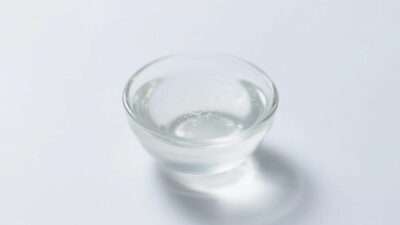
Polydextrose Syrup
Polydextrose syrup is a non-GMO soluble fiber in liquid form with ≥90% polydextrose on…