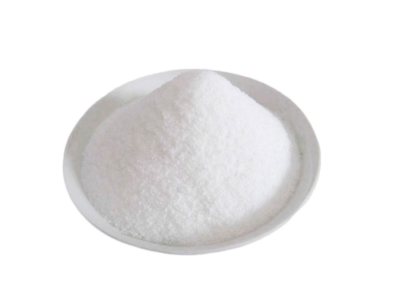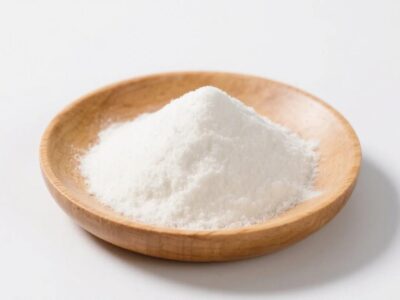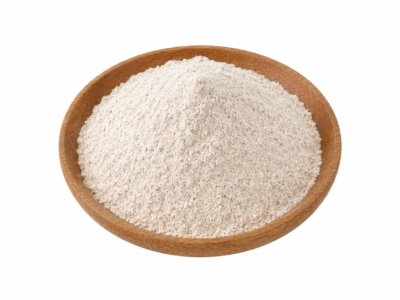
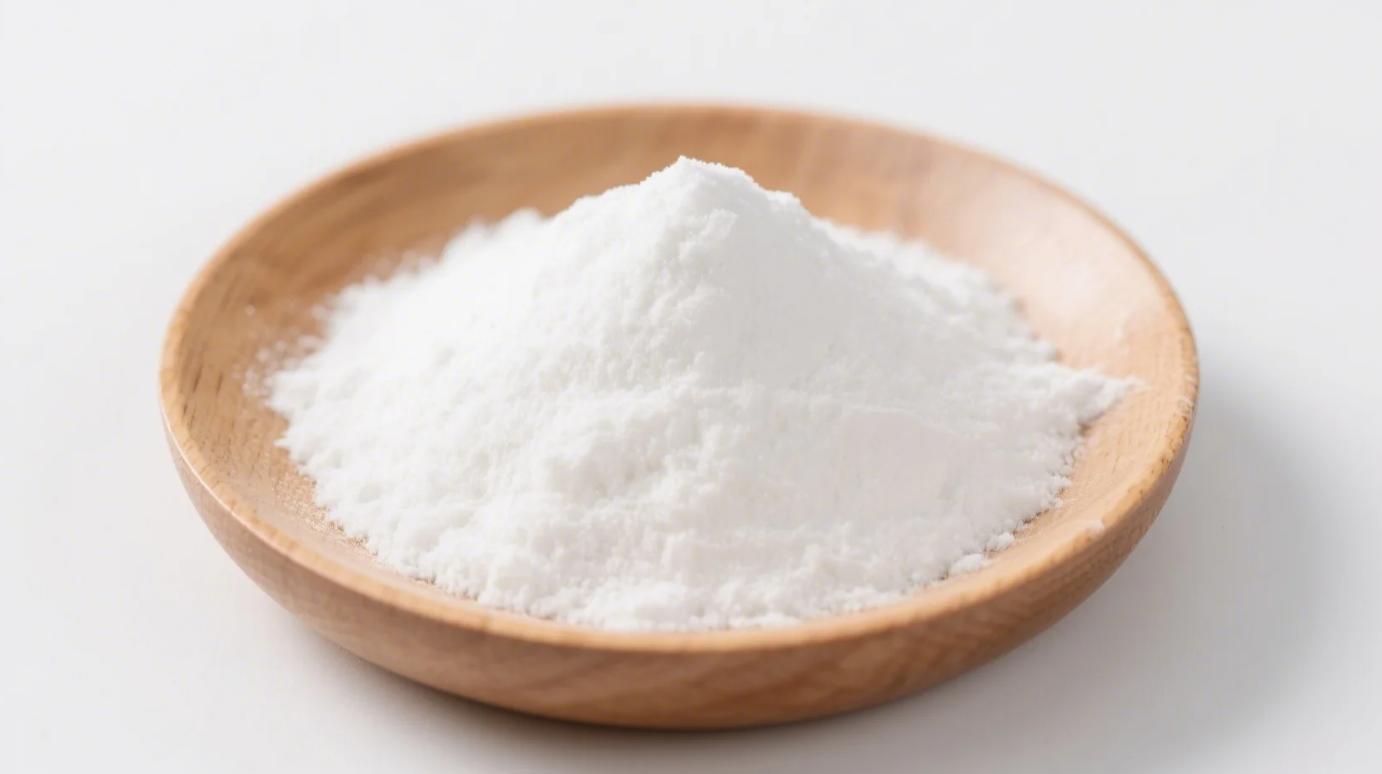
We supply fructooligosaccharides (FOS) in two formats: a free-flowing FOS powder and a clear, viscous FOS syrup. Both are produced by enzymatic transfructosylation of sucrose derived from sugar cane, or by hydrolysis of chicory root inulin, using food-grade enzymes – free from chemical synthesis, sulfites or synthetic additives.
With a mild sweetness (roughly 30–50% of sucrose) and high solubility, FOS works as a prebiotic fiber and a clean-label sweetener enhancer at the same time. Clinically shown to stimulate Bifidobacterium and Lactobacillus growth within days, it is one of the better-researched prebiotic ingredients.
What Is Fructooligosaccharides?
Fructooligosaccharides are short-chain fructose polymers (typically DP2–DP8) with a terminal glucose unit. Our FOS contains primarily 1-kestose (GF₂), nystose (GF₃) and fructofuranosylnystose (GF₄) – the most bioactive fractions for gut health.
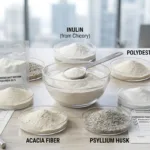
FOS is often confused with inulin. Both are extracted from the same chicory root, but inulin is a longer-chain fructan with a higher degree of polymerisation: the two are different materials, and they are specified and purchased separately. The FOS on this page is the short-chain material, whether it is obtained by enzymatic synthesis from sucrose or by hydrolysis of chicory inulin.
The powder form is created by spray-drying the syrup under low-temperature conditions to preserve oligomer integrity, while the syrup retains natural humectant properties ideal for moist formulations.
Source Transparency: We offer both chicory-derived (high-purity, neutral taste) and sugar cane-derived (sweeter profile, sustainable origin) options – clearly labeled per batch.
The two physical forms are not interchangeable in a formulation. They diverge on solids, sweetness, viscosity and handling behaviour, so the format is normally fixed before the specification is agreed:
| Parameter | FOS Powder | FOS Syrup |
|---|---|---|
| Physical Form | White to off-white free-flowing powder | Clear to pale yellow viscous liquid |
| Total FOS Content | ≥95% (dry basis) | ≥95% (dry solids basis) |
| Solids (Dry Matter) | ≥98% | 75–77% |
| Moisture Content | ≤2% | 23–25% |
| Sweetness (vs. Sucrose) | ~30–40% | ~40–50% (slightly sweeter due to residual sugars) |
| Bulk Density | 0.60 – 0.75 g/mL | N/A |
| Viscosity (25°C) | N/A | 1,500–3,000 cP (adjustable) |
| Best For | Tablets, dry mixes, baking, protein bars | Beverages, gummies, sauces, dairy alternatives |
The powder is the default for dry systems: it is the low-moisture cut, and it disperses in blends and tablet masses without a drying step. The syrup is the practical choice whenever the FOS has to be metered into a liquid, because it needs no re-dissolving and its viscosity can be adjusted to the process line.
Also Known As: Names and Synonyms in the Trade
Fructooligosaccharides appear under several names in specifications, regulations and supplier literature, and the term a document uses often signals which production route or which chain-length cut is meant. The list below covers the names that come up most often in enquiries, technical data sheets and customs paperwork.
- Oligofructose – the name used in FDA GRAS notices and in EFSA dossiers for the chicory-inulin hydrolysate with a degree of polymerisation of roughly 2 to 8
- Short-chain fructooligosaccharides (scFOS) – the FDA synonym that marks out the enzymatically produced DP 3 to 5 grade from the longer-chain fructans
- Oligofructan – the shortened form recorded as a chemical name in the USDA AMS technical review and used alongside oligofructose in the pharmacology literature
- Neosugar – a historical trade name from the Japanese commercialisation of FOS in the 1980s, now used generically in the literature for the DP 3 to 5 material
- β-D-Fructans – the class name used in patents and pharmacology texts to define FOS as the β-(2→1) fructan fraction of DP 2 to 10, as distinct from the long-chain fructans
- GFn (GF2, GF3, GF4) – the shorthand used on specifications for the terminal glucose unit plus two to four fructose units
- Fructan polysaccharides (CAS 308066-66-2) – the CAS entry name and registry number quoted on certificates of analysis
The name on the label has to match the name on the specification sheet, and the specification has to state the chain-length range and the assay method. Two offers both called FOS can be different materials – an inulin hydrolysate on one side, an enzymatically produced short-chain grade on the other – so line up the dry-basis content and the analytical method before treating them as equivalent.
Technical Specifications
| Parameter | FOS Powder | FOS Syrup |
|---|---|---|
| Botanical Source | Chicory root or sugar cane | Same |
| Appearance | Fine white powder | Clear, low-color syrup |
| Odor & Taste | Odorless; mildly sweet, no aftertaste | Mildly sweet, clean |
| Total Dietary Fiber (AOAC 2001.03) | ≥90% | ≥70% (as-is basis) |
| pH (10% solution) | 5.0 – 7.0 | 5.0 – 7.0 |
| Residual Sugars (Glucose + Sucrose) | ≤3.0% | ≤3.0% |
| Ash Content | ≤0.2% | ≤0.2% |
| Heavy Metals | Pb ≤0.1 mg/kg; As ≤0.1 mg/kg; Cd ≤0.05 mg/kg; Hg ≤0.01 mg/kg | Same |
| Microbiological Criteria | TPC ≤1,000 CFU/g; Yeast/Mold ≤100 CFU/g; E. coli, Salmonella, Listeria: Absent | Same |
| Allergen Status | Gluten-Free (<5 ppm), Soy-Free, Dairy-Free, Nut-Free | Same |
| Certifications | Non-GMO Project Verified, Kosher, Halal (available), Vegan Certified | Non-GMO Project Verified, Kosher, Halal (available), Vegan Certified |
Analytical methods: HPLC with RI detection per ISO 11298; AOAC 2001.03 for total dietary fiber. Complies with FDA GRAS notices for fructooligosaccharides and EU Novel Food regulations (for chicory FOS).
Sourcing, Certification and Regulatory Status
| Jurisdiction / Standard | Regulatory status | Legal name | Notes |
|---|---|---|---|
| European Union | Permitted in infant and follow-on formula only as part of the defined GOS/FOS combination | Oligofructose / fructo-oligosaccharides | The SCF concluded in April 2003 that fructans other than high-molecular-weight oligofructosyl-saccharose should not be included in infant and follow-on formulae (SCF/CS/NUT/IF/65 Final) |
| United States | GRAS; permitted as a dietary fibre ingredient | Fructooligosaccharides | Covered by FDA GRAS notices for use in conventional foods, dietary supplements and infant formula; the ingredient is listed under its own name on the label |
| Japan | Long-established food ingredient | Fructooligosaccharides (fructo-oligosaccharide) | Claim-bearing labelling runs through the FOSHU and Foods with Function Claims routes, so the permitted wording has to be confirmed for the market before printing |
| Codex Alimentarius | Food ingredient; covered by the general Codex texts rather than a product-specific standard | Fructooligosaccharides | Covered by the General Standard for Food Additives (CXS 192-1995); no product-specific Codex standard applies |
Compliance turns on the assay, the fibre method and the microbiological limits rather than on the naming convention, so those are the figures to line up when comparing offers. Confirm the legal name, the permitted use and any age-related restriction with the destination market before the first shipment.
Applications
FOS Powder
- Dietary Supplements: Capsules, tablets, sachets
- Meal Replacement Powders: Adds fiber without grittiness
- Baking: Replaces part of sugar, improves browning
- Infant Formula & Toddler Snacks: Used as a fiber ingredient in some regulated infant formula applications (subject to local regulatory approval)
FOS Syrup
- Functional Beverages: Smoothies, juices, kombucha
- Gummies & Soft Chews: Natural binder and sweetener
- Yogurt & Plant-Based Dairy: Prebiotic boost without texture change
- Pet Treats: Palatable prebiotic for dogs and cats
Format and Grade Selection
Two questions are settled before a specification is agreed: which physical form, and which botanical source. Both follow from the formulation rather than from the label.
- Powder – the route into tablets, sachets, dry mixes and baked goods, where a free-flowing solid and low moisture pick-up matter
- Syrup – the route into beverages, gummies, sauces and dairy alternatives, where the FOS is metered as a liquid and needs no drying step
- Chicory-derived – the high-purity, neutral-taste option, chosen when the fiber has to stay invisible in a delicate flavor system
- Sugar cane-derived – the sweeter profile, chosen when the FOS is also expected to carry part of the sweetness
Handling Note: The syrup carries 23–25% moisture, so it belongs in the water phase of a formulation, while the powder is the easier route into dry blends.
Both sources are declared per batch, so the claim on the finished label stays accurate whichever route the batch took. Tell us the application and the process temperature when requesting a sample, and we will quote the format and the grade that fit it.
Why Choose Our Fructooligosaccharides?
We control the entire supply chain – from certified farms to GMP-compliant processing – to ensure purity, traceability, and consistent DP profile. Our enzymatic process avoids acid hydrolysis, preserving the bioactive short-chain FOS fractions that drive efficacy.
Every batch includes full documentation: Certificate of Analysis (CoA), Dietary Fiber Report, Allergen Statement, and Safety Data Sheet (SDS). The specification tables above are the figures the CoA is written against, so the numbers quoted in a tender are the numbers that can be verified on arrival.
Both formats are plant-based and vegan, and the powder carries Non-GMO Project Verified, Kosher, Halal (available) and Vegan certifications. With gluten-free, soy-free, dairy-free and nut-free status across both cuts, the ingredient clears the allergen and clean-label checks that retail and infant-nutrition buyers run first.
Packing
Available packaging:
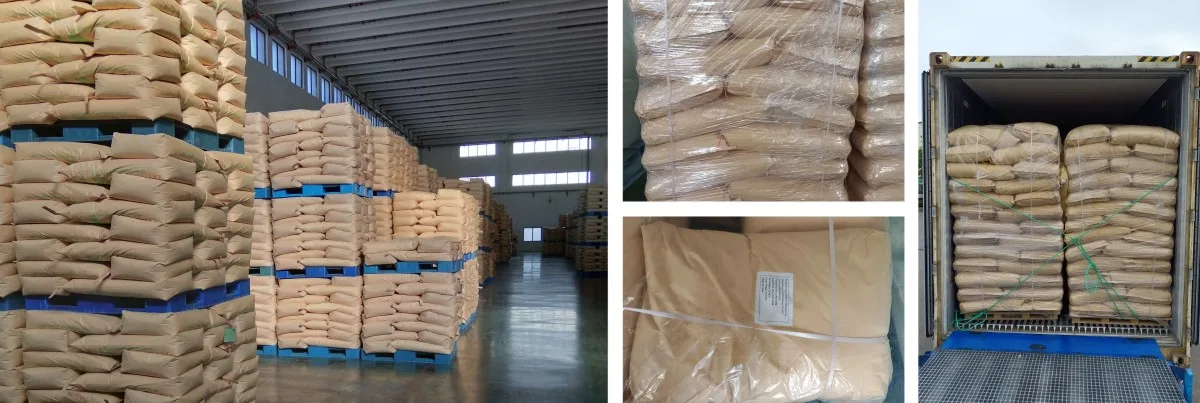
- Powder: 10 kg or 25 kg multi-wall paper bags with PE liner
- Syrup: 25 kg HDPE pails, 200 kg drums, or 1,000 kg IBC totes
- Custom packaging and private labeling available
FAQs
Q: Is FOS safe for children?
A: FOS is generally recognized as safe for use in foods at appropriate levels; use in infant and toddler products is subject to local regulatory limits.
Q: Can FOS replace sugar in beverages?
A: Yes – syrup provides 30-50% sweetness of sugar while adding prebiotic fiber.
Q: Does FOS cause bloating?
A: Start with small doses (≤5g/day) to allow gut adaptation.
Q: Do you offer private labeling?
A: Yes! Custom branding available for powder and syrup.