
Our galactooligosaccharides (GOS) powder is a high-purity, soluble prebiotic fiber produced through enzymatic transgalactosylation of lactose (from milk). With ≥90% total GOS content (on dry solids basis), it selectively nourishes beneficial gut bacteria – especially Bifidobacteria and Lactobacilli – to support digestive health, immune balance, and overall wellness.
Recognized as a safe food ingredient by FDA/EFSA/Codex (safety status), with prebiotic properties supported by scientific research, our GOS is ideal for clean-label, non-GMO, and functional food applications. The grade is produced without chemical solvents, synthetic additives or animal testing, and the specification set out below is the basis of every quotation.
What Are Galactooligosaccharides (GOS)?
Galactooligosaccharides are short-chain carbohydrates composed of 2–8 galactose units, typically derived from lactose. Our GOS powder is manufactured using food-grade β-galactosidase enzymes under controlled conditions, followed by gentle purification and spray-drying – without chemical solvents, synthetic additives, or animal testing.
The β-linked galactose chains resist the digestive enzymes of the mouth and the small intestine, so most of the material reaches the colon intact, where it is fermented selectively by Bifidobacteria and Lactobacilli. Because the useful fraction is defined by the assay rather than by the total mass of powder, the GOS figure on a dry basis is the one to compare between grades.
Our GOS is produced from lactose (from milk), the traditional and most common source for galactooligosaccharides. The enzyme reaction reassembles the galactose units into chains that carry a terminal glucose, and the dairy substrate is the reason the finished powder carries a milk declaration while remaining gluten-free, soy-free and nut-free.
GOS is usually evaluated alongside FOS, the other fermentable oligosaccharide used in the same product categories. Both have well-documented prebiotic properties; the differences that decide a formulation are the building units, the origin of the chain and the way the ingredient is declared on the label.
| Parameter | Galactooligosaccharides (GOS) Powder (This Product) | Fructooligosaccharides (FOS) (Reference) |
|---|---|---|
| Building units | Galactose units linked to a terminal glucose unit | Fructose units linked to a terminal glucose unit |
| Production route | Enzymatic transgalactosylation of lactose with a food-grade β-galactosidase | Enzymatic synthesis from sucrose, or hydrolysis of inulin from chicory root |
| Origin of the chain | Dairy lactose (from milk) | Plant-derived |
| Chain length | 2–8 galactose units in this grade | Short-chain FOS grades are supplied against their own chain-length range; longer-chain inulin is a different material |
| Label declaration | Declared as galactooligosaccharides; carries a milk allergen declaration | Plant-derived, so no milk allergen declaration |
Neither ingredient replaces the other on a like-for-like basis. GOS can be used as an alternative to FOS, and the choice depends on the formulation needs and the target microbiota. In infant formula the two are frequently used together in a blend, subject to local regulatory limits.
Also Known As: Names and Synonyms in the Trade
Galactooligosaccharides appear in specifications, regulatory filings and supplier literature under several names. The entries below are the ones that turn up most often in enquiries, technical data sheets and customs paperwork.
- Trans-galactooligosaccharides (TOS) – the form used where the transgalactosylation route is the point being made; it is the name given in AOAC method documentation and in most of the research literature
- Transgalactosylated oligosaccharides – the same name written out in full, listed among the common or usual names in the FDA GRAS notice for GOS and in EU novel food paperwork
- Oligogalactosyl-lactose – the chemical name that shows the lactose origin of the chain directly; it appears in FDA and EU identity lists and in the Irish competent-authority opinion on GOS
- Oligogalactose – the shortened form recorded in the same FDA identity list and in AOAC method documentation
- Oligolactose – the older shortened form found in identity lists and in patents on GOS production
- Galactosyl-oligosaccharide – a supplier documentation variant spelling used for the same galactose-based chains; it is not a regulatory name
These names describe the same family of galactose-based oligomers, and the abbreviation GOS is the form used on most ingredient declarations. Two points are worth checking before two offers are treated as equivalent. First, galactooligosaccharides are also traded as a syrup, and the dry-basis figure for a syrup is not comparable with the ≥90% figure for this powder. Second, the galactose oligomers found naturally in soy and other legumes (raffinose and stachyose) are a different material and are not interchangeable with the lactose-derived product covered here. Compare the assay on a dry basis, the chain length and the allergen statement.
Technical Specifications
| Parameter | Galactooligosaccharides (GOS) Powder |
|---|---|
| Source Options | Dairy lactose |
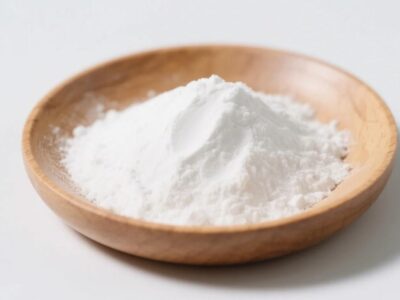
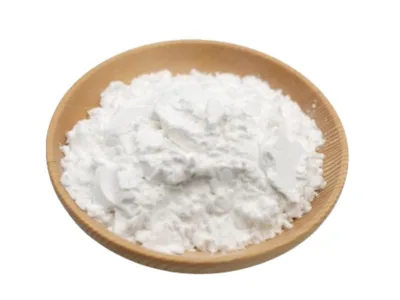
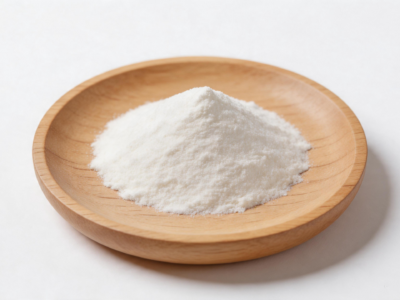
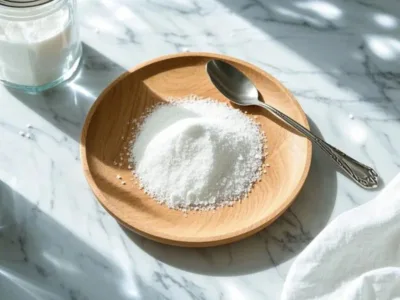
| Appearance | White to off-white free-flowing powder |
| Odor & Taste | Mild, slightly sweet |
| Total Galactooligosaccharides (GOS) | ≥90% (dry basis, HPAEC-PAD method) |
| Moisture Content | ≤5.0% |
| pH (10% solution) | 5.5 – 7.0 |
| Bulk Density | 0.50 – 0.70 g/mL |
| Solubility | >70 g/100 mL at 25°C |
| Ash Content | ≤1.0% |
| Residual Lactose (Dairy Version) | ≤3.0% |
| Residual Sugars (Glucose + Galactose) | ≤5.0% |
| Shelf Life | 24 months (stored sealed in cool, dry conditions) |
| Heavy Metals (Maximum Limits) | |
| – Lead (Pb) | ≤0.1 mg/kg |
| – Arsenic (As) | ≤0.1 mg/kg |
| – Cadmium (Cd) | ≤0.05 mg/kg |
| – Mercury (Hg) | ≤0.01 mg/kg |
| Microbiological Criteria | |
| – Total Plate Count | ≤1,000 CFU/g |
| – Yeast & Mold | ≤100 CFU/g |
| – Escherichia coli | Absent in 10 g |
| – Salmonella spp. | Absent in 25 g |
| – Listeria monocytogenes | Absent in 25 g |
| Allergen Status | Contains milk (not vegan); gluten-free, soy-free, nut-free |
| Certifications | Non-GMO Project Verified, Kosher, Halal (available), Gluten-Free Certified |
Analytical methods: HPAEC-PAD (High-Performance Anion-Exchange Chromatography with Pulsed Amperometric Detection) per ISO 19262. Complies with FDA GRAS notices and EU Novel Food regulations.
Sourcing, Certification and Regulatory Status
| Jurisdiction / Standard | Regulatory status | Legal name | Notes |
|---|---|---|---|
| European Union | Authorised as a novel food and included in the Union list of authorised novel foods | galacto-oligosaccharides | Regulation (EU) 2015/2283 governs the authorisation and Commission Implementing Regulation (EU) 2017/2470 carries the entry and its specification; composition of infant and follow-on formula follows Delegated Regulation (EU) 2016/127, and health claims are governed by Regulation (EC) No 1924/2006 |
| United States | GRAS; marketed under FDA GRAS notices | Galacto-oligosaccharides (GOS) | Reviewed through the FDA GRAS Notice programme rather than a product-specific food additive regulation; the notified uses cover infant formula and selected conventional foods |
| Japan | Long-established food ingredient; GOS grades can be licensed under the FOSHU system | Galacto-oligosaccharides | Infant formula and functional foods are the reference applications in this market; the permitted use and the label declaration are settled with the importer before shipment |
| Codex Alimentarius | Covered by the General Standard for Food Additives (CXS 192-1995); no product-specific Codex standard applies | galacto-oligosaccharides | The general Codex provisions on labelling and dietary fibre apply to the finished product, and identity is taken from the national and regional lists above |
Compliance turns on the assay on a dry basis, the residual sugar limits, the microbiological criteria and the allergen statement rather than on the naming convention, so those are the figures to line up when offers are compared. The certifications listed in the specification – Non-GMO Project Verified, Kosher, Halal (available) and Gluten-Free Certified – are issued per batch and travel with the Certificate of Analysis. Confirm the permitted use and the label name for the destination market before the first shipment.
Applications
Infant and Clinical Nutrition
These are the categories where the regulatory work is heaviest and where a high GOS content with low residual lactose matters most. Use in infant, toddler and clinical products is subject to local regulatory limits, and a GOS/FOS blend is the usual route in infant formula.
- Infant Formula & Toddler Nutrition: Used in some infant formula applications as a prebiotic fiber (often in GOS/FOS blends), subject to local regulatory approval
- Clinical Nutrition Applications: May be used in clinical nutrition (subject to regulatory approval)
Food, Beverage and Supplement Applications
In finished foods and drinks the practical advantages are solubility and a mild, slightly sweet taste that does not disturb an existing flavor system. The powder dissolves at more than 70 g/100 mL at 25°C and holds up under the pasteurization and UHT conditions used for beverages and dairy.
- Functional Dairy & Alternatives: Added to yogurts, kefir, and plant-based milks to boost prebiotic content
- Dietary Supplements: Standalone prebiotic or combined with probiotics (synbiotics)
- Bakery & Cereals: Stable during baking; enhances fiber claims without off-flavors
- Beverages: Clear solubility in juices, smoothies, and RTD wellness drinks
Format and Grade Selection
This grade is the powder. A specification is normally built from the assay on a dry basis, the residual sugars, the physical figures and the allergen statement, and those are the lines to carry into a purchase specification:
- Assay on a dry basis: total GOS ≥90% by HPAEC-PAD – ask for the method alongside the result, because a less specific method can overstate the oligosaccharide content
- Residual sugars: lactose ≤3.0% and glucose plus galactose ≤5.0% – the lines that separate a high-purity powder from a lower-assay syrup
- Physical figures: white to off-white free-flowing powder, bulk density 0.50 – 0.70 g/mL, pH 5.5 – 7.0 in 10% solution – the numbers a dry-blend or liquid line needs
- Solubility: >70 g/100 mL at 25°C – the line that shows how easily the powder goes into a beverage or a liquid dairy base
- Allergen statement: contains milk – confirm it against the claim made on the finished product before the label is fixed
- Shelf life: 24 months stored sealed in cool, dry conditions
Where the product carries a prebiotic or fiber claim, work from the assay on a dry basis and the allergen statement first, then confirm the residual sugar limits and the microbiological criteria. The same order applies when a syrup grade is offered instead of the powder.
Why Choose Our Galactooligosaccharides?
We partner with dairies and fermentation facilities that adhere to strict traceability and sustainability standards. Our production avoids harsh chemicals, irradiation, or GMO enzymes – ensuring a pure, efficacious prebiotic that aligns with global clean-label and regenerative agriculture trends.
The enzymatic route is what sets the specification. Reaction with a food-grade β-galactosidase under controlled conditions, followed by gentle purification and spray-drying, keeps the galactose chains intact and holds the residual lactose and residual sugars inside the limits above. Because the process uses no chemical solvents or synthetic additives, the material stays straightforward to declare in a clean-label brief, and the powder is certified Non-GMO Project Verified, Kosher, Halal (available) and Gluten-Free Certified.
Every batch includes full documentation: Certificate of Analysis (CoA), Allergen Statement, Vegan Certification (if applicable), and Safety Data Sheet (SDS).
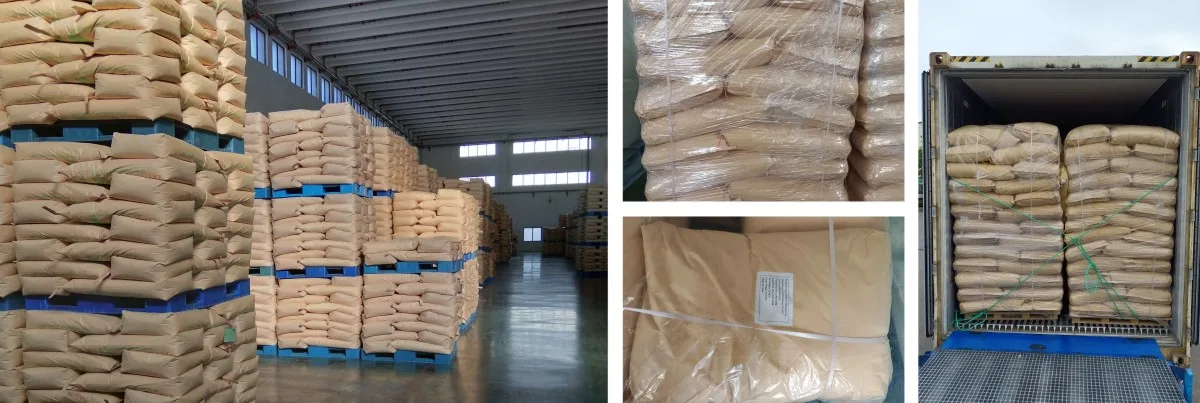
Packing
Available packaging:
- 10 kg or 25 kg multi-wall paper bags with food-grade PE liner
- 500 kg–1,000 kg FIBCs for industrial users
- Custom packaging available upon request
FAQs
Q: Is GOS safe for infants?
A: GOS is generally recognized as safe for use in foods at appropriate levels; use in infant and toddler products is subject to local regulatory limits.
Q: Does heat processing destroy GOS?
A: GOS is stable under typical pasteurization and UHT conditions; stability at higher temperatures should be verified per application.
Q: Is this product vegan-friendly?
A: Our GOS is sourced from milk lactose and contains trace dairy, so it is not vegan.
Q: Do you offer private labeling?
A: Yes! Custom branding and packaging available for bulk orders.