
Sugar is everywhere — in your morning yogurt, your favorite sauce, even the “healthy” granola bar you grabbed on the way out. As more people look for ways to cut added sugar without sacrificing sweetness, two natural zero-calorie options have moved from niche health stores into mainstream kitchens and formulation labs: stevia and monk fruit. If you’ve ever stood in the sweetener aisle wondering which one to choose — or if you’re a food formulator trying to decide which will work best in your next product — this guide breaks down everything you need to know about organic stevia and monk fruit sweetener.
What Are Stevia and Monk Fruit?
Stevia comes from the leaves of Stevia rebaudiana, a small shrub native to Paraguay and Brazil. Indigenous Guarani people used the leaves to sweeten drinks for centuries before modern extraction methods made stevia available worldwide. Today, the sweet compounds in the leaves — called steviol glycosides, with rebaudioside A (Reb A) being the most common — are extracted and purified into the powdered or liquid sweeteners you see on shelves. The process is straightforward: harvest the leaves, steep them in water, and refine the extract to isolate the glycosides. A well-made organic stevia extract skips synthetic solvents and relies on water or ethanol-based extraction, keeping the final product clean enough for organic certification.
Monk fruit, also known as luo han guo, is a small green melon from southern China. Named after the Buddhist monks who first cultivated it centuries ago, monk fruit gets its sweetness from unique antioxidants called mogrosides, primarily mogroside V. The fruit itself is intensely sweet but perishable, so commercial production follows a similar path to stevia: the fresh fruit is crushed, steeped in water, and filtered to isolate the mogrosides. The result is a concentrated organic monk fruit extract powder that can be 150–250 times sweeter than table sugar, depending on purity.
Both plants share an important trait: their sweetness comes from compounds the human body does not metabolize as energy, which is why they register as zero-calorie sweeteners.
How They Work — Zero Calories, Intense Sweetness
The reason stevia and monk fruit deliver sweetness without calories comes down to chemistry. Steviol glycosides and mogrosides bind to the same sweet-taste receptors on your tongue that sugar does — but your body processes them differently. Instead of being broken down into glucose, steviol glycosides pass through the digestive system largely intact and are excreted via urine. Mogrosides follow a similar path. The net result is a sweet taste on the palate with virtually zero caloric impact.
That intensity matters for formulation. Pure Reb A extract is roughly 200–300 times sweeter than sucrose; mogroside V ranges from 150–250 times sweeter. In practical terms, you need only a tiny fraction of the amount of sugar you’d normally use. This is why most retail products blend these extracts with bulkier carriers like erythritol or inulin — not to dilute quality, but to make measuring and dosing practical. A pinch of pure extract would otherwise sweeten an entire cake.
Forms Available: Extract Powder, Liquid, and Blends
Both sweeteners are sold in several formats, each suited to different uses:
Extract powder is the most common and versatile form. A pure organic stevia and monk fruit sweetener in powder form dissolves easily in liquids and incorporates well into dry mixes. For food manufacturers, powder offers consistent dosing and long shelf stability — two non-negotiables in commercial production. Home cooks appreciate powder for baking, smoothies, and everyday beverage sweetening.
Liquid drops provide convenience and quick dispersion. A few drops in coffee or tea are easier than measuring a micro-scoop of powder. Liquid formats are typically extract dissolved in water with a mild preservative, and they’re especially popular in the B2C market for on-the-go use.
Blended products combine stevia or monk fruit (or both) with a carrier like erythritol, xylitol, or inulin. These blends approximate the volume of sugar cup-for-cup, which makes substitution in recipes straightforward. Blends also tend to taste closer to sugar because the carrier rounds out the sweetness profile and reduces the licorice-like aftertaste some people detect with pure stevia.
Stevia vs. Monk Fruit: Key Differences
Although stevia and monk fruit are often mentioned in the same breath, they differ in ways that matter — especially when you’re choosing one for a specific application.
Taste profile. Stevia has a characteristic sweetness that most people learn to enjoy, but some detect a slight bitter or licorice-like aftertaste, particularly at higher concentrations. Monk fruit’s sweetness is generally described as closer to sugar with a mild, fruity roundness. For clean-label beverages or dairy alternatives where aftertaste is a deal-breaker, monk fruit often has the edge.
Heat stability. Both hold up well under normal cooking and baking temperatures, but monk fruit extract is slightly more stable at high heat over extended periods. If you’re formulating a product that undergoes prolonged thermal processing — think canned sauces or retorted soups — monk fruit may retain its sweetness profile more consistently.
Regulatory status. Stevia’s high-purity extracts (Reb A and others) are GRAS in the United States and approved as food additives (E960) in the European Union. Monk fruit extract is GRAS in the U.S. but does not yet have an E-number in the EU, which means it’s permitted for sale as a food ingredient in Europe but isn’t classified as an additive. For brands shipping globally, this distinction can influence labeling.
Cost. Monk fruit is generally more expensive than stevia. The fruit is perishable, regional to a specific growing area in China, and the extraction yield is lower. Stevia, by contrast, is now cultivated on multiple continents at scale, which keeps pricing more competitive. For high-volume commercial formulations where cost per serving is critical, stevia often wins the ROI calculation.
Shelf life. Both extracts are shelf-stable for 18–24 months when stored in cool, dry conditions. Monk fruit may degrade slightly faster once opened due to its antioxidant properties interacting with air, but the practical difference is minimal for properly sealed products.
Who Uses Them and Why
Health-conscious consumers reach for stevia and monk fruit for overlapping reasons: managing blood sugar, reducing caloric intake, or avoiding artificial sweeteners like aspartame and sucralose. People with diabetes frequently prefer these options because they have a glycemic index of zero and do not spike blood glucose. Parents looking to reduce sugar in family meals often choose monk fruit blends for their sugar-like taste, while budget-minded shoppers lean toward stevia for affordability.
Food and beverage manufacturers have embraced both sweeteners as the clean-label movement accelerates. Reformulating a product to reduce added sugar while maintaining taste is one of the hardest challenges in food science, and these natural extracts make it possible. You’ll find stevia in everything from carbonated drinks and flavored waters to yogurt and salad dressings. Monk fruit appears in premium beverages, protein bars, and keto-friendly snacks where a clean aftertaste justifies the higher ingredient cost. Some innovative brands are even combining the two — an organic stevia and monk fruit sweetener blend can leverage stevia’s cost efficiency and monk fruit’s rounded flavor in a single ingredient.
Supplement and functional beverage companies use both sweeteners to keep products low-glycemic without resorting to artificial options. In the pharmaceutical world, monk fruit is gaining traction as a sweetening agent in children’s liquid medications where palatability is essential.
How to Choose Between Them
There’s no single “better” option — only the one that fits your needs. Here’s a practical framework:
- If taste closest to sugar is your top priority, start with monk fruit. Its flavor profile is smoother and more familiar to most palates.
- If cost per serving matters most, stevia delivers more sweetness per dollar. It’s the workhorse of zero-calorie natural sweetening.
- If you’re formulating for the EU market, stevia’s E-number status simplifies regulatory compliance.
- If you’re baking at home, a monk fruit–erythritol or stevia–erythritol blend gives you cup-for-cup substitution, which is far easier than adjusting recipes for pure extract.
- If you want the best of both, look for a blended organic stevia and monk fruit sweetener that balances cost, taste, and functionality.
For commercial formulators, the decision often comes down to the specific product matrix. A sparkling water with minimal flavor masking? Monk fruit alone may be ideal. A fruit-flavored yogurt where other ingredients help cover aftertaste? Stevia alone works well — and keeps the cost line favorable. For products where neither is perfect on its own, a dual-sweetener approach lets you use less of each, minimizing aftertaste while staying within budget.
Making the Switch — Practical Tips
If you’re new to these sweeteners, start small. Pure stevia extract is potent: roughly ¼ teaspoon can replace a full cup of sugar, though exact ratios depend on the product’s Reb A content. Monk fruit extract powder is similarly concentrated. When substituting in baking, remember that sugar does more than sweeten — it contributes moisture, browning, and structure. You may need to adjust liquid content or add a bulking agent like applesauce or yogurt.
For manufacturers, request sample batches from your supplier and run sensory panels before committing. Small differences in extraction methods can produce noticeably different taste profiles, even between products with identical purity claims. Working with a supplier that offers organic stevia extract and organic monk fruit extract powder from verified sources ensures consistency from lot to lot — something your quality team and your customers will appreciate.
A Note on Safety
Both stevia and monk fruit have strong safety profiles backed by decades of research and regulatory review. The Joint FAO/WHO Expert Committee on Food Additives established an acceptable daily intake for steviol glycosides equivalent to roughly 9 packets of stevia per day for an average adult — a threshold most people never approach. Monk fruit has no established ADI limit, which reflects its strong safety data. Common side effects are rare and typically limited to mild digestive discomfort at very high intakes, usually from the carrier (erythritol, inulin) rather than the extract itself.
The Bottom Line
Stevia and monk fruit are the two most credible natural zero-calorie sweeteners available today. Stevia offers proven sweetness at a competitive price, backed by broad regulatory approval worldwide. Monk fruit delivers a cleaner, more sugar-like taste that justifies its premium for the right applications. Together, they give both home cooks and food formulators real options for reducing sugar without compromising on flavor. Whether you choose one or blend both, the key is sourcing high-quality organic extract — because the quality of the input determines the quality of everything that follows.
Recommended Products
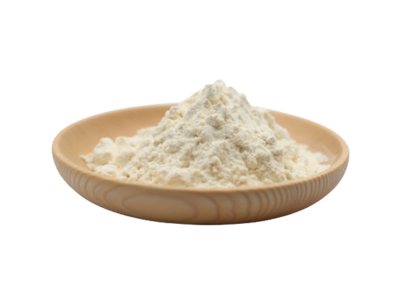
Monk Fruit Extract Powder
Monk fruit extract powder is a zero-calorie sweetener standardized to ≥50% total mogrosides (≥25%…
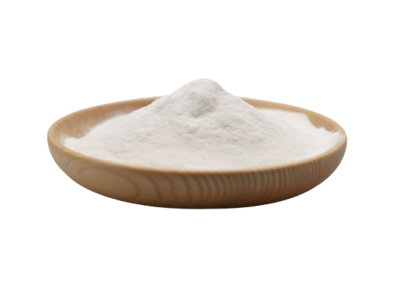
Stevia Extract Powder
Stevia extract powder is a high-intensity sweetener standardized to ≥95% Rebaudioside A. Zero-calorie and…
Related Posts


