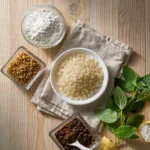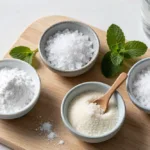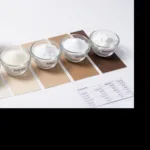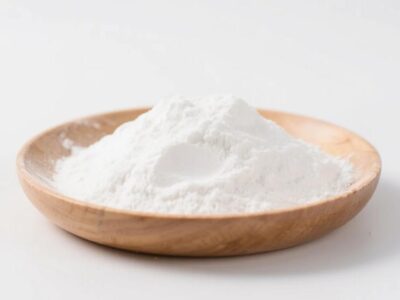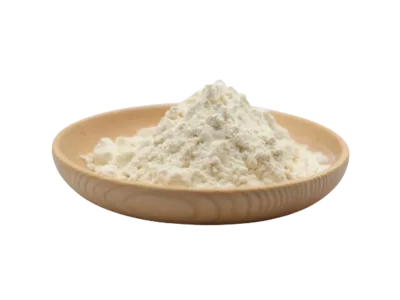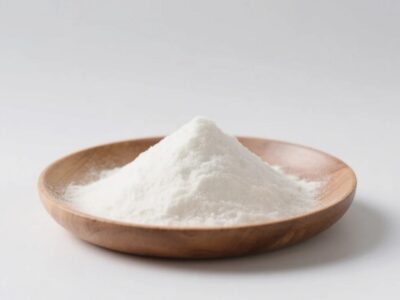
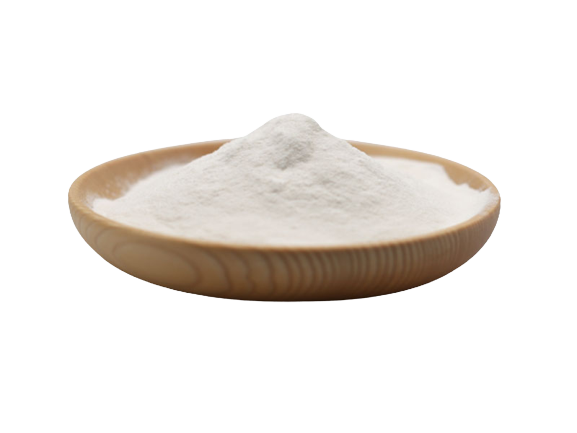
Our stevia extract powder is a highly refined, water-based extract derived from Stevia rebaudiana Bertoni leaves. Standardized to ≥95% Rebaudioside A (Reb A), it delivers intense sweetness (200–300× sucrose) with minimal licorice-like aftertaste, and a cleaner taste profile than crude stevia extracts.
Produced without synthetic solvents, irradiation, or GMOs, our stevia meets global standards for clean-label, zero-calorie, and low-glycemic formulations.
Note: unlike crude stevia leaf powder, this is a purified extract. The FDA import alert that covers stevia leaf and crude extracts does not extend to preparations at ≥95% steviol glycosides, which is the specification this grade meets.
What Is Stevia Extract?
Stevia extract contains steviol glycosides, the naturally occurring sweet compounds of the stevia leaf. Rebaudioside A (Reb A) is the most desirable of them because of its superior taste profile. Our extraction uses only food-grade water and ethanol (removed during drying), followed by crystallization and spray-drying to yield a free-flowing, off-white powder.
The final product is:
- Zero calories (not metabolized for energy)
- Non-glycemic (does not affect blood glucose or insulin)
- Heat-stable (stable up to 200°C / 392°F)
- pH-stable (functional from pH 3–9)
The purified extract is often confused with milled stevia leaf, and the two are not interchangeable in a formulation. They differ in composition and in regulatory status:
| Parameter | Stevia Extract Powder (This Product) | Crude Stevia Leaf Powder (Reference) |
|---|---|---|
| Rebaudioside A (Reb A) | ≥95% (HPLC, dry basis) | Not standardized; Reb A is one of eleven or more steviol glycosides present in the leaf |
| Total steviol glycosides | ≥98% | A minor fraction of the dried leaf rather than the bulk of the material |
| Sweetening strength | 200–300× sucrose | Substantially lower per unit weight, and carries the licorice-like notes of the leaf |
| Status for food use | Purified sweetener, authorized in the European Union as E 960a and GRAS in the United States at ≥95% steviol glycosides | Stevia leaf and crude extracts are not approved food additives in the United States and fall under an FDA import alert for food use |
Because the two materials are specified differently, a quotation written for leaf powder will not match this grade. Compare the Reb A figure on a dry basis, the total steviol glycoside content and the analytical method before treating two offers as equivalent.
Also Known As: Names and Synonyms in the Trade
This material appears under several names across specifications, additive listings and supplier literature. The list below covers the ones that turn up most often in enquiries, technical data sheets and customs paperwork.
- Steviol glycosides – the additive and specification name; the JECFA monograph and the EU additive entry are both written under this term, with the individual glycosides named as its constituents
- Steviol glycoside extract – the flavor-industry designation carried by FEMA 4805, which describes the same material by its total steviol glycoside content (CAS 91722-21-3)
- Rebaudioside A (Reb A) – the principal sweet glycoside, and the name this grade is traded under because the specification is set by its Reb A content
- Rebiana – the trade and monograph name for high-purity rebaudioside A; Canadian labeling rules accept it, but recommend pairing it with a more widely recognized term
- Stevia Leaf Extract – the ingredient-list synonym accepted by the Canadian Food Inspection Agency for steviol glycosides from Stevia rebaudiana Bertoni
- Stevia rebaudiana extract – the botanical-source name used on supplier data sheets and in the CAS index entry recorded as “Stevia rebaudiana, ext.”
- E 960a (formerly E 960) – the European additive designation for steviol glycosides obtained from the stevia leaf; E 960c covers the enzymatically produced equivalent
- INS 960 – the Codex Alimentarius International Numbering System code for the same additive in the General Standard for Food Additives
- Candyleaf – a common name recorded for the source plant Stevia rebaudiana in botanical references, applied to the plant and leaf material rather than to the purified extract
For labeling, the name accepted in the destination market governs; the EU entry, the FDA position and the Canadian ingredient-list wording each point to a different form of the same term. For purchasing, the specification matters more than the name. Confirm which of these terms your market will accept on the finished label before the artwork is signed off.
Technical Specifications
| Parameter | Stevia Extract Powder (≥95% Reb A) |
|---|---|
| Botanical Source | Stevia rebaudiana Bertoni (leaves) |
| Appearance | White to off-white fine powder |
| Odor & Taste | Characteristic sweet; minimal bitterness |
| Rebaudioside A (Reb A) Content | ≥95% (HPLC, dry basis) |
| Total Steviol Glycosides | ≥98% |
| Loss on Drying | ≤5.0% |
| Residue on Ignition (Ash) | ≤0.5% |
| pH (5% solution) | 4.5 – 7.0 |
| Particle Size (D[90]) | ≤150 µm |
| Bulk Density | 0.30 – 0.50 g/mL |
| Shelf Life | 24 months (sealed, cool & dry storage) |
| Heavy Metals (Maximum Limits) | |
| – Lead (Pb) | ≤0.5 mg/kg |
| – Arsenic (As) | ≤0.5 mg/kg |
| – Cadmium (Cd) | ≤0.1 mg/kg |
| – Mercury (Hg) | ≤0.03 mg/kg |
| Microbiological Criteria | |
| – Total Plate Count | ≤1,000 CFU/g |
| – Yeast & Mold | ≤100 CFU/g |
| – Escherichia coli | Absent in 1 g |
| – Salmonella spp. | Absent in 25 g |
| – Listeria monocytogenes | Absent in 25 g |
| Allergen Status | Gluten-Free (<5 ppm), Soy-Free, Dairy-Free, Nut-Free |
| Certifications | Non-GMO Project Verified, Kosher, Halal (available), Vegan Certified |
Analytical methods: HPLC per USP/EP monographs; microbiological testing per ISO 4833. In the United States a GRAS no-questions letter was issued for high-purity rebaudioside A in December 2008 (GRN No. 252); in the European Union the additive is authorized as E 960a, with purity criteria laid down in Commission Regulation (EU) No 231/2012; the grade also meets JECFA specifications.
Sourcing, Certification and Regulatory Status
| Jurisdiction / Standard | Regulatory status | Legal name | Notes |
|---|---|---|---|
| European Union | Authorized sweetener (food additive) | E 960a steviol glycosides from Stevia | Authorized by Commission Regulation (EU) No 1131/2011 amending Annex II to Regulation (EC) No 1333/2008; purity criteria are set out in Commission Regulation (EU) No 231/2012, which requires not less than 95% total steviol glycosides on the dried basis |
| United States | GRAS with no FDA questions; not listed as a food additive | Steviol glycosides / rebaudioside A | FDA issued a no-questions letter for rebaudioside A purified from Stevia rebaudiana in December 2008 (GRN No. 252); stevia leaf and crude extracts below 95% steviol glycosides are not GRAS for food use and remain subject to an import alert |
| Japan | Permitted sweetener; regulated as an existing food additive | Steviol glycosides | Stevia-derived sweeteners have been used in Japan since the early 1970s, and the additive is regulated under the Food Sanitation Act |
| Codex Alimentarius | Listed in the General Standard for Food Additives; JECFA specifications apply | Steviol glycosides from Stevia rebaudiana Bertoni (INS 960) | JECFA set a group ADI of 0–4 mg/kg body weight per day expressed as steviol (2009), and its specifications require not less than 95% total steviol glycosides |
Compliance turns on the assay, the analytical method and the microbiological limits rather than on the naming convention, so those are the figures to line up when comparing offers. Confirm the permitted use, the maximum level and the label name for the destination market before the first shipment.
Applications
Food and Beverage Applications
Dosage is measured in tenths of a percent, so dispersion and blending discipline matter more than bulk handling. The powder is heat-stable to 200°C and functional across pH 3–9, which covers pasteurized, retort and acidified systems.
- Beverages: Soft drinks, flavored water, RTD teas, sports drinks
- Dairy & Alternatives: Yogurt, ice cream, plant-based milk
- Bakery: Cakes, cookies, muffins (heat-stable up to 200°C)
- Confectionery: Sugar-free gum, hard candies, chocolates
- Tabletop Sweeteners: Blended with erythritol or inulin for bulk
Supplement Applications
In supplements the powder carries its sweetness at a very small dose, so fill weights stay low and the ingredient adds no calories to the finished dosage form.
- Dietary Supplements: Tablets, chewables, powders
Format and Grade Selection
Grade selection usually follows the taste target and the bulk of the finished product rather than the process:
- This grade (≥95% Reb A) – the default for beverages, dairy and supplements, where the clean glycoside profile and low bitterness carry the formulation
- Bulked blends – combined with a carrier such as erythritol or inulin when the application needs the volume and mouthfeel of sugar, as in tabletop sweeteners
- Custom profiles – stevia blends (for example with monk fruit) and alternative glycoside profiles (for example Reb M/D-enriched) are available on request
Formulation Tip: For best results, combine with bulking agents (e.g., organic erythritol) to mimic sugar’s volume and mouthfeel.
Where the label must carry a single sweetener name, this grade is the straightforward choice; where a retail format needs scoop-for-scoop sweetness, the bulked blend does the work. Ask for the Reb A content, the total steviol glycoside content and the analytical method on the specification before comparing two offers.
Why Choose Our Stevia Extract Powder?
We source stevia leaves from farms that avoid synthetic pesticides and practice regenerative agriculture. Our extraction facility uses closed-loop water/ethanol systems and adheres to strict GMP standards. Every batch is tested for Reb A purity, heavy metals, and microbial safety.
Because the material is purified rather than milled, the specification holds from batch to batch: a consistent Reb A figure, a neutral off-white powder and no leaf-derived off-notes to mask in the finished product. The grade is also free of the allergens that restrict a clean-label claim, being gluten-free, soy-free, dairy-free and nut-free.
Packing
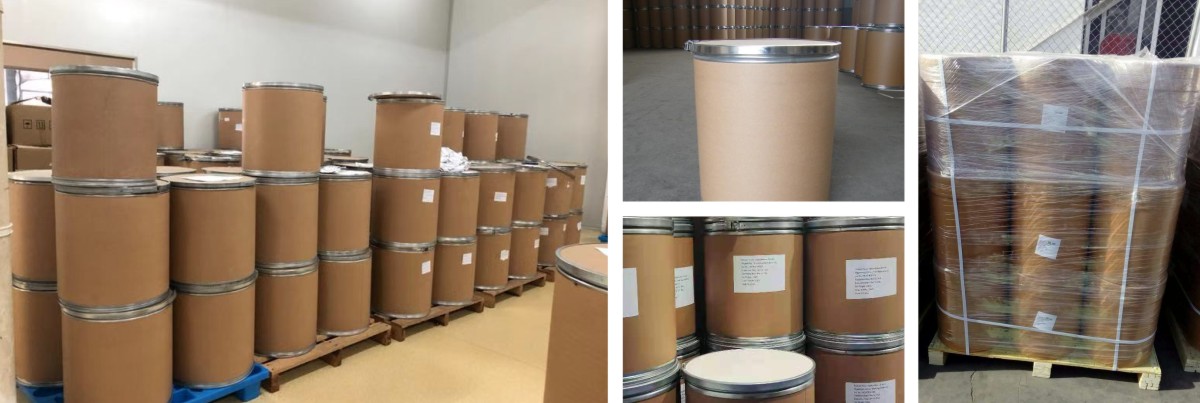
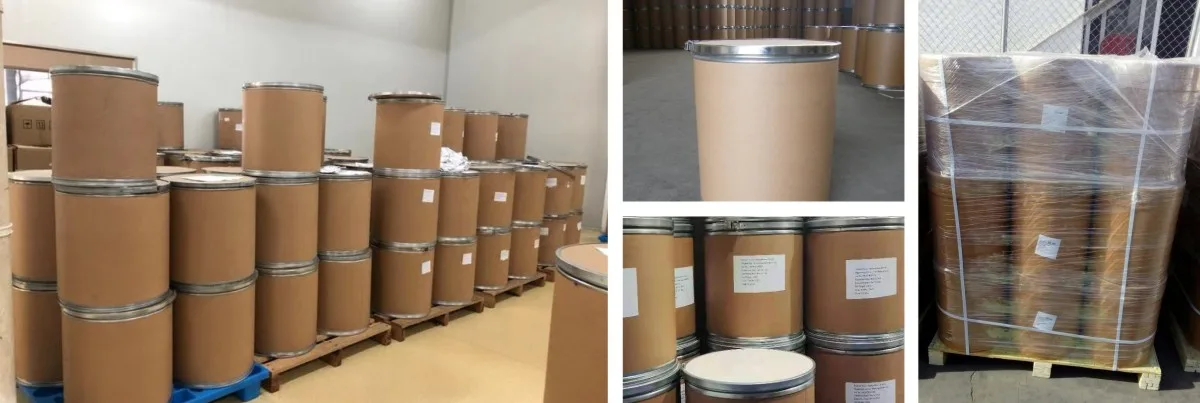
Available packaging:
- 1 kg aluminum foil bags (for R&D/small batches)
- 10 kg or 25 kg multi-wall paper bags with PE liner
- Custom packaging and private labeling available
FAQs
Q: Is stevia safe for children?
A: Yes. High-purity steviol glycosides are GRAS-approved and widely used in pediatric-friendly products.
Q: How much stevia replaces sugar?
A: Use 0.01–0.1% of this ≥95% Reb A powder to replace 100% sugar by sweetness. Adjust based on desired sweetness level.
Q: Does stevia work in fermented foods?
A: Yes. It is stable in kombucha, kefir, and other fermented products.
Q: Can I use stevia in baked goods?
A: Yes. This ≥95% Reb A stevia powder is heat-stable to 200°C and is used in cookies, cakes, and bread.