
Plant-based, zero-calorie sweeteners have moved from a niche trend to an operational requirement for manufacturers worldwide. Sugar taxes, front-of-pack labeling mandates, and clean-label retailer initiatives are driving formulators to replace sucrose, high-fructose corn syrup, and artificial sweeteners. Two botanical extracts lead this shift: stevia extract and monk fruit extract.
This article provides a technical reference for R&D teams and procurement managers who need practical formulation data. It covers grade selection, application suitability by product category, solubility and stability parameters, synergies with bulk sweeteners, regulatory status by market, and quality certifications to request from suppliers. For a deeper profile of each ingredient’s sourcing and sensory characteristics, see our individual product guide.
Market Drivers: Clean Label, Sugar Reduction, and Zero-Calorie Demand
Three converging forces drive adoption of stevia and monk fruit extract in food and beverage formulation. First, consumer data consistently ranks “no artificial sweeteners” and “no added sugar” among top purchase factors globally. Over 60 countries have implemented sugar taxes or mandatory labeling, and retailers including major multinational chains now publish nutritional thresholds suppliers must meet for shelf placement.
Second, the WHO’s 2023 guidance on non-sugar sweeteners created complexity for formulators who had relied on aspartame, sucralose, and acesulfame-K. The conditional recommendation against long-term weight-control use accelerated reformulation toward plant-derived options. Stevia glycosides and mogrosides fall outside that guidance because they derive from botanicals with centuries of traditional use.
Third, ingredient technology has matured significantly. Early stevia formulations had lingering bitterness, limiting use to low inclusion rates. Today’s Reb M delivers sugar-like temporal profiles at competitive cost-in-use. Monk fruit extraction has advanced from crude concentrates to standardized mogroside V powders at 30%, 50%, and 80% purity, giving formulators precise tools for sweetness calibration.
The practical question for manufacturers is no longer whether to use plant-based sweeteners, but which grade, at what inclusion rate, and in what combinations to achieve target sweetness, mouthfeel, and label positioning.
Stevia Extract: Grades, Purity, and Product Applications
Steviol glycosides are extracted from the leaves of Stevia rebaudiana. The commercial product is a white to off-white powder standardized to a specific percentage of total steviol glycosides, with individual glycoside profiles that directly influence taste quality and application fit.
RA 80% (Rebaudioside A 80%) is the commodity-grade entry point for tabletop sweeteners, powdered drink mixes, and cost-sensitive applications where slight bitterness can be masked by flavors or co-sweeteners. The temporal profile shows sweetness onset slightly slower than sucrose, with a mild licorice finish detectable above 6% sucrose equivalent sweetness (SES) in neutral-pH beverages.
RA 97% (Rebaudioside A 97%) offers significantly reduced aftertaste. This grade performs well in carbonated soft drinks, RTD teas, and flavored waters where acidity (pH 2.8–4.0) suppresses bitterness receptors while enhancing sweetness perception. Typical use rates range from 0.02% to 0.06% by weight, with sucrose reduction targets of 30–70% in partial replacement and up to 100% in zero-calorie formulations.
Reb M (Rebaudioside M) is the highest-quality glycoside available at commercial scale, with a sensory profile closest to sucrose — rapid onset, minimal lingering. It is the preferred grade for dairy applications (yogurt, flavored milk, protein shakes) where neutral pH exposes off-notes more readily. Reb M is also recommended for bakery fillings, frostings, and chocolate where flavor fidelity is critical. Supply has expanded rapidly since enzymatic conversion pathways received GRAS approval, bringing cost within range for mid-market brands.
For our certified organic stevia extract product specifications, including microbiological limits, heavy metal thresholds, and particle size distribution, refer to our organic stevia extract product page.
Monk Fruit Extract: Mogroside V Content and Category Applications
Monk fruit (Siraitia grosvenorii) sweetness comes from mogrosides, a family of triterpene glycosides, with mogroside V as the primary sweetness carrier. Unlike stevia, monk fruit extract carries zero perceptible bitterness and has a cleaner finish across all pH ranges. The trade-off is cost — mogroside V is more expensive per sweetness unit than Reb A — which positions monk fruit for premium, organic, and whole-food-positioned product lines.
Mogroside V 25–30% is the most cost-effective grade, produced by water extraction followed by concentration. It retains caramel and toffee background notes that complement brown-sugar profiles in baked goods, protein bars, and plant-based milks. The powder is tan to light brown — acceptable in opaque matrices but requiring consideration in clear beverages.
Mogroside V 50% is the workhorse grade for premium beverages. Second-stage purification yields a light cream to off-white powder with neutral flavor, suitable for clear RTD beverages, sparkling waters, and functional shots. Sweetness potency is 150–200× sucrose, allowing use rates of 0.01–0.03% for full-sugar replacement at 12°Brix.
Mogroside V 80% serves nutraceutical gummies, effervescent tablets, and applications where minimal ingredient declaration is a competitive advantage. The powder is white and essentially flavorless beyond sweetness, compatible with delicate flavors including vanilla, matcha, and florals.
Full certificate-of-analysis parameters, organic certification scope, and available packaging formats for monk fruit extract can be found on our organic monk fruit extract powder product page.
Application Matrix: Matching Sweeteners to Product Categories
The following matrix summarizes recommended combinations and starting-point formulations across six major product categories. Usage rates are indicative; final formulation will depend on target sweetness, flavor system, and co-sweetening strategy.
| Product Category | Primary Sweetener | Suggested Grade | Typical SES Range | Key Formulation Note |
|---|---|---|---|---|
| Carbonated soft drinks | Stevia Reb M | Reb M 95%+ | 8–12% SES | Combine with erythritol for body; citric acid masks residual notes |
| RTD tea and coffee | Monk fruit 50% | Mogroside V 50% | 4–8% SES | Heat-stable, no degradation at hot-fill temperatures |
| Flavored water | Stevia RA 97% or Monk fruit 30% | RA 97% / Mog 30% | 3–6% SES | Low Brix target; pair with natural flavor modulators |
| Yogurt and dairy drinks | Stevia Reb M | Reb M 95%+ | 7–10% SES | Add after fermentation; check protein interaction over shelf life |
| Ice cream and frozen desserts | Monk fruit 50% + erythritol | Mogroside V 50% | 12–16% SES | Monk fruit’s clean finish outperforms stevia in frozen matrices |
| Baked goods (cookies, muffins) | Stevia RA 97% + allulose | RA 97% | 10–15% SES | Stevia heat-stable to 200°C; bulk sweetener needed for structure |
| Bread and rolls | Monk fruit 30% + inulin | Mogroside V 30% | 3–5% SES | Monk fruit’s background notes complement fermented dough flavors |
| Sugar-free confectionery | Stevia Reb M | Reb M 95%+ | Variable | Critical: manage crystallization with polyols |
| Chocolate and coatings | Monk fruit 50% + fiber | Mogroside V 50% | 15–20% SES | Monk fruit avoids the bitterness amplification common with stevia in cocoa |
| Protein and meal replacement bars | Blend (Stevia Reb M + Monk fruit 30%) | Mixed | 10–15% SES | Synergy reduces individual sweetener load; improves temporal profile |
| Gummy supplements | Monk fruit 50% | Mogroside V 50% | 8–12% SES | Low use rate preserves gummy texture; heat-stable during cooking |
| Sauces, dressings, condiments | Stevia RA 80% | RA 80% | 5–8% SES | Acid and salt mask lower-grade bitterness; cost-sensitive applications |
| Tabletop sweeteners | Blend (Stevia RA 97% + Monk fruit 25%) | Mixed | Per serving | Standard retail format; erythritol carrier for spoonability |
Formulation Best Practices: Bitterness, Solubility, and Heat Stability
Masking and aftertaste management. Bitterness in stevia formulations correlates inversely with glycoside purity. RA 80% tests as acceptably sweet at 5% SES but develops perceptible bitterness above 8% SES. RA 97% extends the acceptable window to approximately 10% SES, and Reb M reaches 14% SES before aftertaste becomes detectable. Where cost constraints require lower-purity grades, effective masking strategies include: pairing with monk fruit extract at 10–25% of the total sweetener load to suppress bitterness receptor activation; adding erythritol at 1.5–3.5% w/w for bulk and bitterness suppression; and using natural flavor modulators (citrus-derived, vanilla) that compete for TAS2R receptor sites.
Synergy with erythritol. Stevia glycosides combined with erythritol produce a synergy of approximately 1.3–1.5×: 100g of the blend delivers the sweetness of 130–150g sucrose equivalent. Erythritol contributes 0.2 kcal/g with zero glycemic impact and provides the crystalline mouthfeel absent in high-intensity sweeteners. For zero-calorie carbonated beverages, 0.04% Reb M with 3.0% erythritol delivers approximately 10% SES. Monk fruit synergy with erythritol is less pronounced (1.1–1.2×) but still useful for bulking sugar-free confectionery.
Solubility. Stevia glycosides dissolve readily at ambient temperature — RA 97% achieves approximately 8 g/L at 25°C, sufficient for all beverage applications. Reb M is slightly less soluble (5 g/L at 25°C) but still well above use rates. Monk fruit extract at 50% mogroside V exceeds 200 g/L at 25°C due to naturally occurring polysaccharides that enhance solubility. For dry blending, pre-mix both ingredients with a carrier (erythritol or inulin) to ensure homogeneous distribution.
Heat stability. Both sweeteners demonstrate excellent thermal stability. Stevia withstands UHT processing (135–140°C), retort sterilization (121°C), and baking temperatures up to 200°C with less than 5% steviol glycoside degradation. Stability is optimal between pH 3.0–7.0; below pH 2.5, Reb A may undergo acid-catalyzed hydrolysis over extended shelf life. Monk fruit mogrosides are stable across pH 2.0–8.0 and withstand 180°C for 30 minutes with no measurable degradation, making them the more robust option for high-acid and high-temperature processing.
Regulatory Status: GRAS, Novel Food, and Global Compliance
United States. The FDA has issued GRAS (Generally Recognized as Safe) No-Objection letters for high-purity steviol glycosides (≥95% total steviol glycosides) from multiple petitioners. Reb M produced via enzymatic conversion of stevia leaf extract has also received GRAS No-Objection status. Monk fruit extract (mogroside V) holds FDA GRAS status through a self-affirmed GRAS determination that received a No-Objection letter in 2014.
European Union. Steviol glycosides (E 960) are authorized as a food additive under Regulation (EC) No 1333/2008, with maximum permitted levels specified by food category in Annex II. Monk fruit extract is classified as a Novel Food in the EU and has not yet received general authorization; however, it is available in the UK market under separate post-Brexit regulatory arrangements from the FSA.
China. Steviol glycosides are approved under GB 2760-2014 with category-specific maximum use levels. Monk fruit extract (luo han guo) is classified under the “Both Food and Medicine” catalog, approved as a food ingredient without quantity restriction in most food categories, subject to GB 1886.77-2016 mogroside specifications.
Canada, Australia/NZ, and others. Steviol glycosides are approved in over 150 countries. Monk fruit extract has regulatory approval in Canada (Health Canada, 2012), Australia/New Zealand (FSANZ, 2020), and several Southeast Asian markets. Manufacturers exporting across jurisdictions should verify both ingredient status and labeling requirements per target market, as classification (food additive versus food ingredient) varies and affects label declaration.
Certifications and Quality Standards for Ingredient Sourcing
When engaging a supplier for stevia or monk fruit extract, the following certifications represent the baseline quality and compliance framework for most B2B procurement specifications:
Organic. USDA NOP and EU Organic (EC 834/2007) certifications confirm cultivation without synthetic pesticides or fertilizers and extraction using approved processing aids. For organic label claims, the sweetener must fit within the 95% organic content threshold required in most jurisdictions.
Kosher and Halal. Both are essential for manufacturers serving Middle East, Southeast Asian, and Israeli markets, as well as North American and European retailers with dedicated kosher/halal categories. Certified extracts must confirm no non-compliant ethanol in extraction and no cross-contact with uncertified materials on production lines.
Non-GMO Project Verified. Stevia is naturally cross-pollinated; monk fruit is propagated exclusively through traditional vine cultivation. Neither crop has commercial GM varieties. Non-GMO verification confirms that no GM processing aids or carriers (such as maltodextrin from GM corn) enter the manufacturing stream.
Additional quality parameters to request in a specification sheet include: steviol glycoside or mogroside V content by HPLC, loss on drying (≤5%), ash content (≤1%), heavy metals (Pb ≤1 ppm, As ≤1 ppm, Cd ≤0.5 ppm, Hg ≤0.1 ppm), residual solvents (USP <467>), total plate count (<1,000 CFU/g), yeast and mold (<100 CFU/g), E. coli and Salmonella (absent in 25g), and particle size (80 mesh for instant solubility, 100 mesh for dry blending).
From Specification Sheet to Production Run
Moving from ingredient evaluation to commercial production requires a structured qualification process. Start with a small-scale benchtop evaluation (500g–1kg) to verify the selected grade against your target sweetness profile, sensory acceptance, and interaction with your flavor and stabilizer systems. Following successful results, request a pilot batch (5–25kg) for a production-scale trial, measuring yield, process compatibility, and finished-product shelf stability at accelerated storage conditions (37°C/75% RH for 4–8 weeks).
Specification sheets should be requested directly from the supplier’s quality assurance team — not through a distributor — to ensure traceability to the original batch record. A complete package includes the certificate of analysis, organic certificate, kosher/halal certificates with current validity dates, allergen statement, GMO statement, and country-of-origin declaration.
Supplier selection should weigh supply continuity and lead-time reliability equally with price and purity. Stevia leaf is harvested twice annually with primary production in China, Paraguay, and Kenya. Monk fruit is an annual crop grown almost exclusively in Guangxi, China. A supplier with direct grower relationships and multi-site warehousing reduces the single-point-of-failure risk inherent in botanical supply chains.
For technical support, sample requests, or specification documentation, reach out to your supplier’s applications team. Most formulator support teams can provide starting formulations, recommended co-sweetener ratios, and sensory evaluation protocols tailored to your product category and target market.
Recommended Products
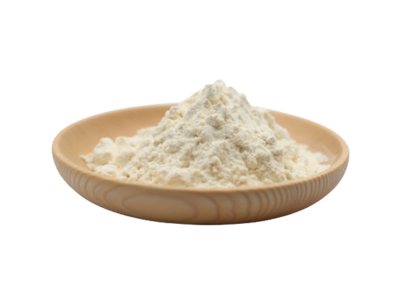
Monk Fruit Extract Powder
Monk fruit extract powder is a zero-calorie sweetener standardized to ≥50% total mogrosides (≥25%…
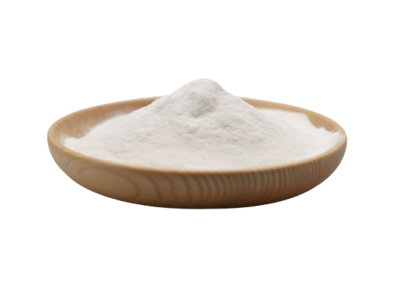
Stevia Extract Powder
Stevia extract powder is a high-intensity sweetener standardized to ≥95% Rebaudioside A. Zero-calorie and…
Related Posts


