
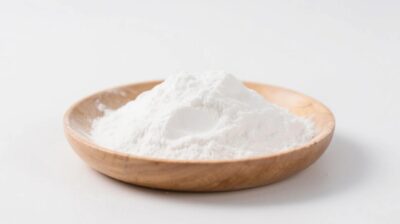
In the modern kitchen and advanced food production, finding ingredients that deliver reliable performance without compromise is key. Organic potato starch, often referred to simply as potato starch flour or potato starch powder, is a versatile carbohydrate derived directly from potatoes. It’s becoming a go-to for its exceptional ability to thicken, stabilize, and improve the texture of a wide array of dishes and products, all while maintaining a pristine, natural label.
Choosing Organic Potato Starch for the Job
Most confusion around potato starch comes from treating it as a single-purpose ingredient. In a kitchen it is used in three quite different ways, and picking the wrong one for the job is why it sometimes disappoints. The starch is the same; what changes is the form you buy and the way you use it.
| What you are making | What you want from the starch | What to look for |
|---|---|---|
| A smooth sauce, gravy or soup | Clear thickening that stays smooth when it cools | Potato starch rather than flour, slurred before it goes in |
| A crisp coating for fried food | A light, brittle crust | Potato starch mixed into part of the coating, not used alone |
| A cookie with a soft centre | Moisture retention | Potato starch replacing part of the flour, with the liquid adjusted |
| A gluten-free bake | Structure without gluten | Potato starch as the main starch, plus a binder |
| Something that must stay crisp for days | Low moisture pickup | Potato starch, and the storage kept dry |
Two checks are worth making before you buy. The first is whether the starch is meant for cooking or for direct use: a starch sold as a thickener is normally pre-mixed for ease of use, while a pure starch needs slurring and heat. The second is whether the organic claim follows the product: a valid organic certificate has to cover the batch you are holding, which is why it is worth buying from a supplier that issues the certificate with the delivery rather than one that only states a certification on the label.
For anyone buying in quantity rather than by the spoon, BIOSTARCH supplies organic potato starch in bulk powder grades with the granulation confirmed per order, and organic cornstarch where a more neutral result is preferred. The guide to organic starches in everyday cooking covers the practical differences between the starch types, and our overview of starches in health and nutrition sets out what the nutrition claims do and do not cover.
Let’s explore what makes organic potato starch a must-have in your pantry or formulation toolkit, and how to select the highest quality option.
Why is Organic Potato Starch a Culinary Workhorse?
This seemingly simple starch powder offers distinct advantages due to its unique granular structure:
- Powerful Thickener: Known for its superior thickening power, it often requires less quantity than other starches to achieve desired viscosity. This makes your sauces, gravies, and soups perfectly smooth and luxurious.
- Neutral Flavor Profile: Unlike some other starches that can leave a noticeable aftertaste, potato starch is remarkably bland. This ensures it won’t interfere with the delicate flavors of your food, letting the intended taste shine through.
- Crystal Clarity: When cooked, it creates a wonderfully clear, glossy finish. This visual appeal is highly desirable in fruit pie fillings, glazes, and transparent sauces, making your creations look as good as they taste.
- Freeze-Thaw Stability: For meal preppers and food manufacturers, its ability to withstand freezing and thawing cycles without breaking down is a huge plus. This means no watery separation (syneresis) in your frozen dishes or prepared meals.
- Silky Smooth Mouthfeel: It contributes to an incredibly smooth and creamy texture, enhancing the overall sensory experience of everything from puddings to plant-based yogurts.
The “Organic” Advantage: Purity You Can Trust
For an ingredient so fundamental to food structure, choosing “organic” provides crucial assurances for both home cooks and product developers:
- Clean Sourcing: Organic certification guarantees the potatoes used to make your organic potato starch are cultivated without synthetic pesticides, herbicides, or genetically modified organisms (GMOs). This commitment means a cleaner, safer ingredient for you and your family.
- Responsible Processing: The organic standard extends beyond the farm, ensuring the starch is extracted and processed using methods that are kind to the environment and avoid harsh chemicals commonly found in conventional production.
- Unblemished Label: Listing “Organic Potato Starch” as an ingredient resonates deeply with today’s conscious consumers who demand transparent and easily understandable food labels.
Your Guide to Smart Selection: Picking the Best Quality
When you’re ready to add organic potato starch to your kitchen or product development, here’s what to look for:
- Always Verify “Organic” Certification:
- Why it Matters: This is your primary guarantee of quality and purity. It confirms the product meets stringent organic standards from its origin in the potato field to the final starch powder you purchase.
- Look For: Clearly displayed organic certification logos (like USDA Organic, EU Organic, or JAS if in Japan) prominently on the packaging.
- Inspect Texture and Appearance:
- Why it Matters: High-quality potato starch should be a very fine, bright white powder.
- Look For: A consistent, smooth texture with no visible clumps (unless moisture has affected it) and a pristine white color.
- Check for “Pure” or “Unmodified”:
- Why it Matters: Some starches are chemically modified to enhance certain properties. For a clean label and natural product, you want unmodified, pure organic potato starch.
- Look For: Labels that emphasize “pure potato starch,” “unmodified potato starch,” or simply “organic potato starch” with no other added ingredients.
- Consider Packaging for Freshness:
- Why it Matters: Starch can absorb moisture, leading to clumping. Proper packaging maintains its free-flowing quality.
- Look For: Airtight, moisture-resistant, and resealable packaging. Store it in a cool, dry place away from humidity once opened.
Whether you’re thickening a gluten-free gravy, creating a tender crumb in your baking, or stabilizing a delicate sauce, organic potato starch is an invaluable ally. By following these tips, you’ll ensure you’re choosing a high-quality, pure starch powder that delivers exceptional performance.
How will organic potato starch elevate your next culinary creation?
Q: What is the difference between potato starch and cornstarch?
A: Potato starch gives a shorter, more tender crumb and a thicker, creamier sauce, and it is less prone to going grainy when a sauce cools. Cornstarch is more neutral, slightly powdery, and it is the better choice where a clear, glossy or very neutral result is wanted. In a coating for fried food, potato starch gives a lighter and crisper crust.
Q: Is potato starch better than cornstarch for baking?
A: For tenderness and a clean snap, yes, which is why it is used in crackers, wafers and shortbread style biscuits. For a light and neutral crumb in cakes, cornstarch is often the better choice. Neither is better in the abstract; the question is which texture the product is meant to have.
Q: How do I know if a potato starch is organic?
A: Look for a certificate that covers the specific batch, not only a claim on the label. A supplier that issues a certificate of analysis, an organic certificate, a specification sheet and a safety data sheet with each delivery is giving you something that can be checked and filed, and for a certified organic claim that documentation is what supports it.
Q: How long does potato starch last at home?
A: A long time, provided it stays dry. Sealed in a cool, dry place away from light and heat, a dry starch keeps for well over a year. The only real risk is moisture: if the container has been opened and left unsealed, the powder can pick up water from the air and clump, and it is worth moving the remainder into an airtight jar.
Recommended Products
Organic Potato Starch Powder
Organic potato starch powder is a certified-organic native starch from non-GMO potatoes. With high…
Related Posts


