
Starch has a reputation problem. It is often lumped together with sugar in the public mind as something to eat less of, yet it is also the ingredient that gives a gluten-free loaf its crumb, a yogurt its body and a meatball its bite. The truth is more useful than the reputation: not all starches behave the same way in the body, and the differences between potato, corn, rice, pea and mung bean starch are large enough to matter for any product where nutrition is part of the claim.
This organic starches health and nutrition guide looks past the marketing and explains what native organic starches actually do once they are eaten: how they are digested, where resistant starch fits, how the glycemic response varies by source, and why a clean ingredient declaration is itself a nutritional attribute.
What Starch Does in the Body
Chemically, starch is a chain of glucose molecules. It is the way plants store energy, and when people eat it, digestive enzymes break those chains back down into glucose that enters the bloodstream. That is the whole story at its simplest, and it is why starch is classified nutritionally as a carbohydrate rather than a fat or a protein.
The detail that matters for formulators is how fast and how completely that breakdown happens. Starch is packed into granules, and those granules have to swell and rupture before enzymes can reach the chains inside. The temperature at which that happens, the shape of the granule, and the ratio of straight-chain amylose to branched-chain amylopectin all change the rate of digestion. A starch that digests slowly produces a gentler rise in blood glucose than one that digests quickly, and that single property separates a “good energy” claim from a “sugar spike” problem.
Native organic starches are consumed as food, not as isolated fibre or protein, so their nutritional story is the story of the whole granule: mostly carbohydrate, with small but real amounts of protein, mineral ash and, in some cases, meaningful resistant starch.
Native Starches Versus Modified: A Nutrition Distinction
One point is easy to miss on a specification sheet. The starches discussed here are native starches, physically extracted and dried with no chemical derivatisation. They declare simply as “organic potato starch” or “organic corn starch.” A modified food starch, by contrast, has been treated with acid, enzyme or cross-linking chemistry to change how it behaves in processing, and it carries a different, longer declaration.
For nutrition, the distinction is practical rather than dramatic. Modification changes cooking behaviour far more than it changes the calories a starch provides. But native starches give a brand a shorter, more reassuring ingredient list, and in categories where shoppers read every word on the back of the pack, a clean declaration is part of the product’s health positioning. Our organic starches complete guide explains the extraction routes that keep a starch native from farm to shelf.
Resistant Starch and the Gut Microbiome
Not every gram of starch is digested in the small intestine. A fraction escapes, reaches the large intestine intact, and is fermented by the resident bacteria there. That fraction is called resistant starch, and it behaves less like a calorie and more like a prebiotic fibre.
Resistant starch feeds beneficial gut bacteria, which produce short-chain fatty acids such as butyrate as they ferment it. Butyrate is the preferred fuel for the cells lining the colon and is associated with a healthier gut environment. In simple terms, a starch that resists digestion in the upper gut does nutritional work lower down that a quickly digested starch does not.
Several factors raise the resistant starch content of a finished food. Cooling cooked starch, as in a potato salad or a chilled rice pudding, encourages retrogradation, a process in which amylose chains realign into structures enzymes cannot easily reach, forming what is often called type 3 resistant starch. High-amylose sources such as pea and mung bean starch naturally retain more resistant fraction than low-amylose sources. Processing that over-gelatinises the granule tends to reduce resistance, which is one reason gentle drying matters for nutrition as well as texture.
Glycemic Response Differs by Source
The glycemic index is a measure of how quickly a food raises blood glucose compared with pure glucose. Starches, even within the same dish, occupy a wide range, and the spread is driven by the same structural features that control texture.
| Source | Approx. amylose | Resistance to digestion | Relative glycemic behaviour | Where it shows up |
|---|---|---|---|---|
| Potato | 20–25% | Low | Fast, high peak | Mashed potato, instant products |
| Corn | 23–28% | Low to moderate | Moderate, dependable | Thickened soups, baked goods |
| Rice | 15–25% | Low to moderate | Moderate | Puddings, dairy-style products |
| Pea | 30–40% | Moderate to high | Gentler, slower | Plant-based and chilled foods |
| Mung bean | 40–45% | High | Slowest of the group | Glass noodles, set desserts |
The pattern is consistent. Higher amylose and stronger gelling mean slower digestion, because the dense network formed on cooling is harder for enzymes to penetrate. That is the same property that makes mung bean starch hold a firm gel; it also makes it the slowest of these five in the body. Pea starch sits close behind. Potato starch, with the lowest amylose and the largest, phosphate-bearing granules, digests fastest and produces the sharpest glucose peak.
None of this makes one starch “bad” and another “good.” It means a formulator who wants a gentle blood-glucose curve has a clear structural lever: choose a higher-amylose source, and design the process to preserve its resistance rather than cook it away.
Protein, Fibre and Micronutrient Carry-Over
Pure starch is almost entirely carbohydrate, but commercial native starch is never perfectly pure, and the small impurities are where trace nutrition lives. A typical food-grade starch carries well under one percent protein and a low ash figure, yet those residues matter for two reasons.
First, they influence digestion. Residual protein and the intact granule wall slow enzyme access, nudging the glycemic response down. Second, they are a marker of processing quality. A starch washed clean enough to meet a tight protein and ash specification is also free of the off-flavours and browning compounds that come with poorly separated protein. Our sourcing and quality guide for organic starches sets out the full documentation a buyer should expect, including the parameters that predict behaviour in the body as well as in the kettle.
It is worth stating plainly what starch is not. It is not a meaningful source of vitamins or minerals in the way a whole grain is, because the refining that isolates starch also removes the bran and germ where those nutrients sit. Starches earn their place in a formula through function and digestibility, not through micronutrient density. An honest nutrition claim for a starch-based product should rest on texture, clean labelling and glycemic behaviour, not on implied vitamin content.
Starches in Special and Restricted Diets
Starches are central to several diet segments where nutrition is the whole point.
Gluten-free baking depends on starch for structure that wheat would otherwise provide. Rice and corn starch soften the crumb and dilute protein; potato starch holds moisture and extends softness; pea starch adds body where the formula is short on protein. Choosing the right blend lets a gluten-free loaf stay tender rather than gritty or crumbly, which is a genuine nutritional and acceptability win for people who cannot eat wheat.
Allergen positioning is another. Rice starch is widely used as a hypoallergenic excipient in infant nutrition and pharmaceutical dusting powders precisely because it is one of the least reactive carbohydrate sources. Corn starch is a staple in Kosher and Halal certified products, and organic grades carry the organic claim through to the finished good. For brands serving allergy-sensitive shoppers, a starch with a clean allergen profile is part of the safety story.
Low-FODMAP and diabetic-friendly products use starch selection and process design to manage the glycemic load, favouring higher-amylose sources and cold-set textures that preserve resistant starch.
Purity, Additives and What the Label Should Say
A nutritional claim lives or dies on what is not in the product. Organic certification rules out synthetic pesticides and certain processing aids, and the organic handler certification that covers the plant adds a layer of documentation that conventional lines do not carry. For a health-positioned brand, that documentation is a selling point, not paperwork.
Additives are the other watch item. Some starch products on the market include anti-caking agents, bleaching or matting aids, or enzyme treatments that a clean-label brand would rather avoid. Native organic starches, processed only with water, mechanical separation and gentle heat, reach the shelf without them. The ingredient declaration stays short, which is exactly what shoppers scanning for “no nasties” are looking for.
Pairing Starches With Lower-Calorie Sweeteners
Starch and sweeteners often share the same formula, and the nutrition story is easier to tell when both ingredients pull in the same direction. A starch that slows glucose release pairs naturally with a bulk sweetener that contributes fewer calories or a lower glycemic load than sucrose.
Polyol and specialty sweeteners such as maltitol and isomaltitol are used in sugar-reduced confectionery and bakery where starch provides the body and structure. Our organic maltitol complete guide covers how that sweetener behaves in starch-based systems, and the organic isomaltitol complete guide looks at its role in sugar-free formulations. Choosing a starch and a sweetener together, rather than separately, is how a product hits both its texture and its nutrition targets at once.
For naturally sweetened products, the same logic applies: the starch choice sets the glycemic curve, and the sweetener choice sets the calorie load, so the two decisions should be made in the same meeting.
Reading the Specification Before You Buy
Because nutrition is a function of structure, the parameters that matter for the body overlap with the parameters that matter for the process. A few deserve a buyer’s attention when a health claim is on the line.
Peak viscosity and pasting temperature describe how the granule swells and ruptures, which is the same event that controls digestion speed. Moisture and protein figures flag both shelf life and off-flavour risk. Heavy metal and pesticide residue limits are the organic compliance floor, and for food exported to the EU or North America they also govern whether the shipment clears customs at all. A full comparison of regional supply, pricing and competitive positioning is in our organic starches market and comparisons analysis.
A useful habit is to ask for the pasting curve on the certificate of analysis, not just a single viscosity number. Two lots can match on paper and still digest at different rates because of crop variety and drying history, and the curve is what reveals the difference.
About Our Organic Starches
BIOSTARCH supplies certified organic potato starch, corn starch, pea starch, mung bean starch and rice starch to food manufacturers, nutraceutical brands and industrial users worldwide. Every lot is produced under organic handler certification and tested for starch content, moisture, protein, ash, pH, viscosity, heavy metals and microbiology, with full certificate of analysis and organic transaction documentation supplied at shipment. Our technical team can help you match granule structure and pasting behaviour to the nutrition and texture targets of your product, whether you are building a gluten-free bakery range, a slow-digesting chilled dessert, or a clean-label starch system for a sugar-reduced line.
Recommended Products
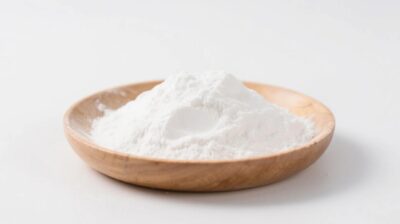
Organic Potato Starch Powder
Organic potato starch powder is a certified-organic native starch from non-GMO potatoes. With high…
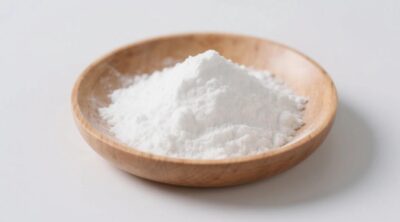
Mung Bean Starch
Mung bean starch is a native starch with high amylose content and exceptional gel…
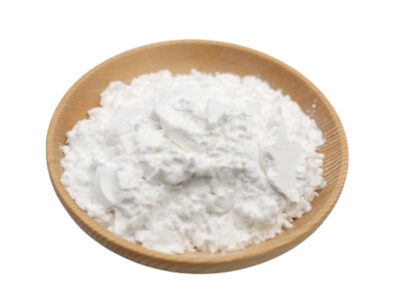
Rice Starch
Organic rice starch is a certified-organic native starch with very fine granules and a…
Related Posts


