What is Organic Fructose?
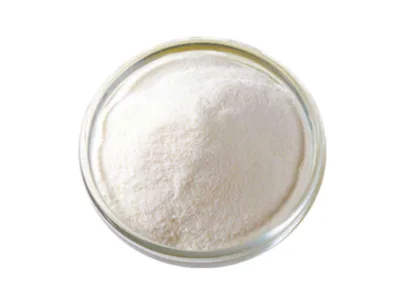
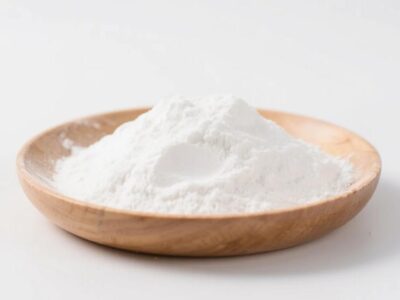
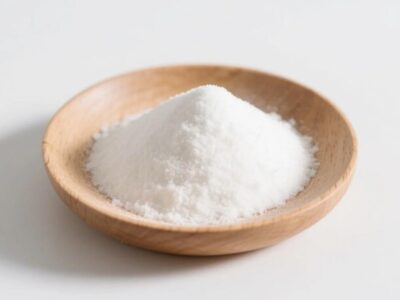
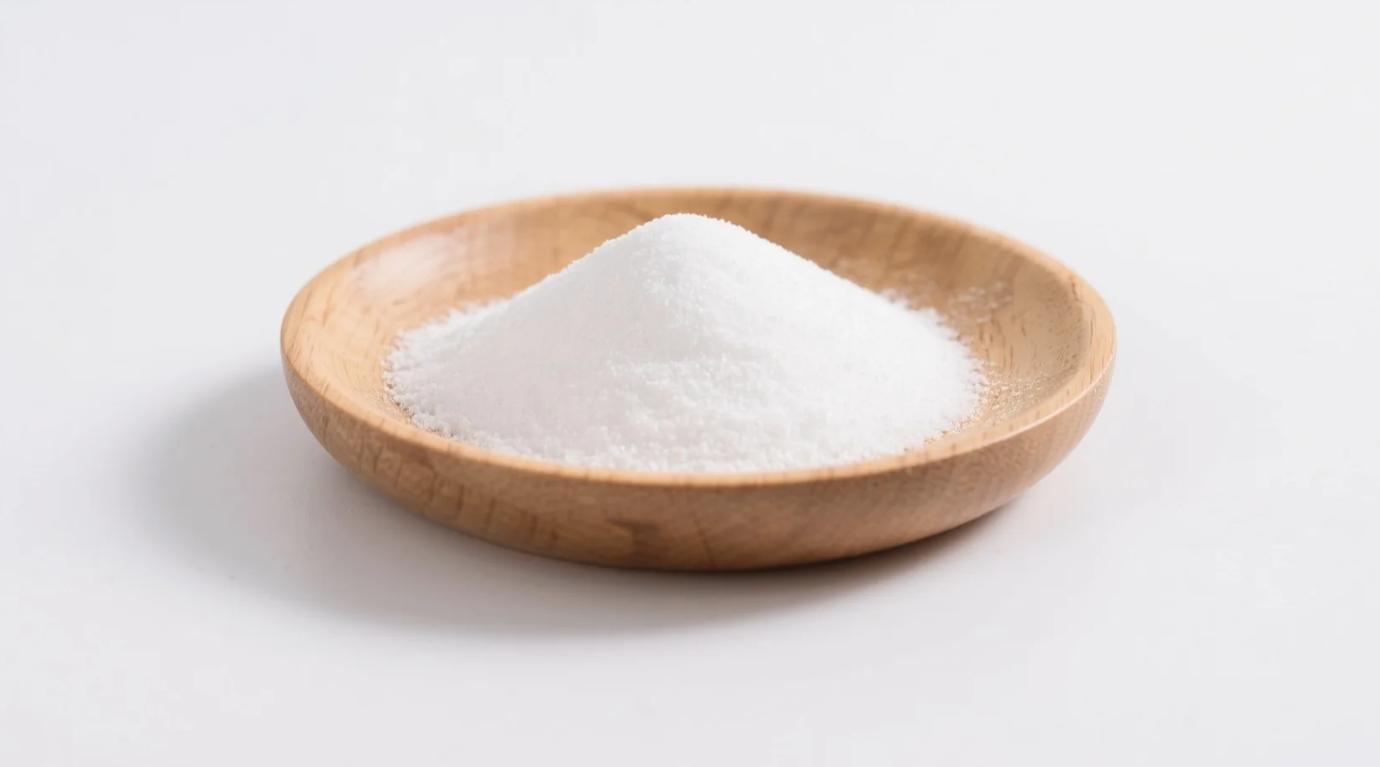
Organic Fructose is a certified organic, non-GMO monosaccharide derived from organic corn starch, offering a natural sweetness 1.2-1.8x stronger than sucrose. With a low glycemic index (GI 19), it provides a slower glycemic response than sucrose while delivering clean-label sweetness. Available in crystalline powder and syrup formats, it replaces refined sugar in health-focused products like functional beverages, baked goods, and dairy alternatives. Certified USDA Organic, vegan, and allergen-free.
Fructose syrup is a high-purity fructose sweetener made from corn starch, with a fructose content of ≥77% (wet basis). Unlike high-fructose corn syrup (HFCS), which typically contains 42% or 55% fructose, our fructose syrup offers significantly higher fructose purity.
Also Known As: Names and Synonyms in the Trade
Fructose is written in several ways depending on whether the document is a specification, a label or a customs entry, and the two formats on this page are named separately because they are quoted on different bases. The entries below cover the forms that come up most often.
- D-Fructose – the chemical name for the monosaccharide, used on specifications and in analytical documents
- Levulose – the older name for the same sugar, still used in some pharmacopoeial and European texts
- Fruit sugar – the colloquial and retail wording for the same monosaccharide, which does not mean that fruit is the ingredient
- Crystalline fructose – the trade and specification name for the powder grade, quoted with a fructose content on a dry basis
- Fructose syrup – the name for the liquid grade, quoted with a fructose content on a wet basis alongside a Brix figure
The two grades are not interchangeable on paper, because the powder is specified on a dry basis and the syrup on a wet basis, so a fructose figure should always carry its basis before it is compared. Ask for the moisture content alongside the fructose content, and for the botanical source and the organic certificate, before treating two offers as equivalent.
Specifications
| Parameter | Crystalline Fructose Powder | Fructose Syrup |
|---|---|---|
| Fructose Content | ≥99.5% (dry basis) | ≥77% (wet basis) |
| Appearance | White crystalline powder | Clear to pale amber viscous liquid |
| Moisture Content | ≤0.5% | ≤23% |
| Sweetness | 1.2-1.8x sucrose | 1.1-1.5x sucrose |
| Solubility | Fully soluble in hot/cold water | Fully miscible in aqueous solutions |
| Brix | – | 75-80° |
| Viscosity | – | 300-600 cP at 25°C |
| Caloric Value | 4 kcal/g (same as sucrose) | 3.2 kcal/g (due to moisture) |
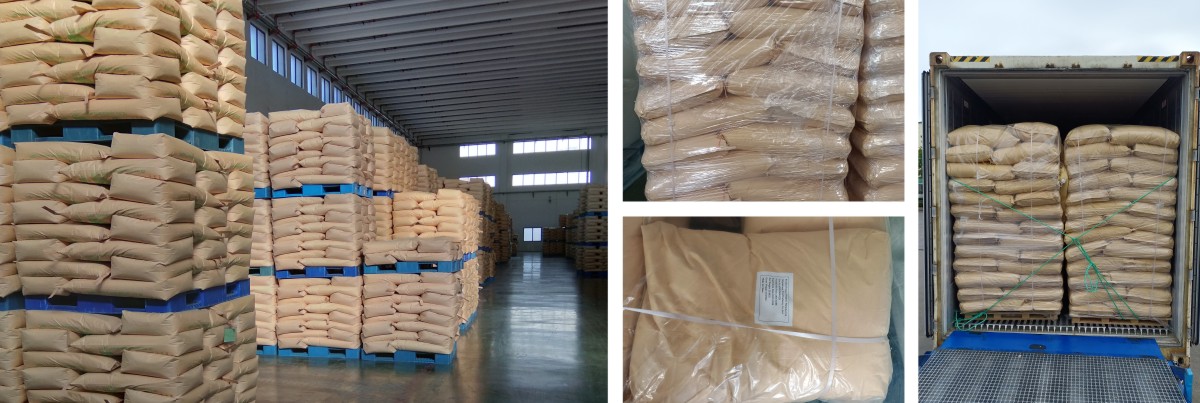
| Packaging | 1kg, 5kg, 25kg resealable bags | 5kg jugs, 25kg pails, 200kg drums |
| Shelf Life | 36 months | 24 months |
Sourcing, Certification and Regulatory Status
| Jurisdiction / Standard | Regulatory status | Legal name | Notes |
|---|---|---|---|
| European Union | Food (a sugar); not a food additive, so no E number applies | Fructose | Declared as a sugar under Regulation (EU) No 1169/2011. Health claims must be authorised under Regulation (EC) No 1924/2006: the claim linking fructose to a reduced post-prandial glycaemic response was assessed by EFSA (ID 558) and does not appear on the Union list of permitted health claims in Commission Regulation (EU) No 432/2012. Organic certification falls under Regulation (EU) 2018/848. |
| United States | Food ingredient; no product-specific FDA regulation applies | Fructose | Crystalline fructose is not defined by a product-specific section of 21 CFR, and documents that quote 21 CFR 184.1866 for fructose are quoting the section for high fructose corn syrup, which is a different ingredient. Fructose is declared as a sugar in the Nutrition Facts panel under 21 CFR 101.9, and organic material is certified under the USDA National Organic Program (7 CFR Part 205). |
| Japan | Food ingredient | Fructose | Handled as a food ingredient under the Food Sanitation Act, with labelling under the Food Labelling Standards in force since 1 April 2015. Sugar-based liquid categories are standardised separately in the JAS system, so confirm the category and the name the destination market expects before printing artwork. |
| Codex Alimentarius | Commodity standard applies to the crystallised grade | Fructose (laevulose) | The Standard for Sugars (CXS 212-1999) defines fructose as purified and crystallised D-fructose with a fructose content of not less than 98.0% m/m and a glucose content of not more than 0.5% m/m, and sets a sulphur dioxide limit for it. The definition is written for the crystallised product, so the syrup grade does not fall under that identity. |
The compliance points for fructose are the fructose content and the basis it is expressed on, the moisture, the ash and the microbiological limits, together with the claim rules of the destination market. Wording about sweetness, glycaemic response or sugar reduction has to be checked against those rules before it goes on a pack. Confirm the legal name and the permitted claim with the destination market before the first shipment.
Key Features & Benefits
- Low Glycemic Impact: GI 19 (vs. sucrose GI 65), ideal for low-glycemic formulations.
- Enhanced Sweetness: Reduces usage by 20-30% vs. sugar for equivalent sweetness.
- Clean Label: Free from GMOs, synthetic additives, and artificial preservatives.
- Functional in Baking & Acidic Applications: Performs in baked goods, UHT beverages, and acidic products; note that fructose undergoes Maillard browning more readily than sucrose.
- Global Certifications: USDA Organic, Non-GMO Project Verified, Halal/Kosher, GRAS.
Applications
1. Organic Crystalline Fructose Powder
- Bakery: Sweetens gluten-free cookies, muffins, and energy bars with reduced calories.
- Confectionery: Enhances chewiness in sugar-free candies and chocolate coatings.
- Powdered Drinks: Adds sweetness to instant tea, protein shakes, and meal replacements.
2. Organic Fructose Syrup
- Beverages: Sweetens cold-pressed juices, functional waters, and sports drinks.
- Dairy Alternatives: Balances flavor in plant-based yogurts and ice creams.
- Condiments: Replaces high-GI sweeteners in ketchup, BBQ sauces, and marinades.
Format and Grade Selection
Two questions decide the specification: which format the process needs, and which basis the fructose figure is quoted on.
- Crystalline fructose powder – fructose 99.5% or more on a dry basis, moisture at or below 0.5% and 1.2 to 1.8 times the sweetness of sucrose; the format for dry blends, tableting and low-moisture systems, packed in 1 kg, 5 kg and 25 kg resealable bags over a 36 month shelf life
- Fructose syrup – fructose 77% or more on a wet basis, moisture at or below 23%, 75 to 80 Brix, 300 to 600 cP at 25 degrees Celsius and 1.1 to 1.5 times the sweetness of sucrose; the format for beverages and liquid systems, packed in 5 kg jugs, 25 kg pails and 200 kg drums over a 24 month shelf life
- Basis of the assay – the two formats are quoted on different bases, dry for the powder and wet for the syrup, so normalise before comparing one offer with another
- Sweetness and use level – the higher sweetness means 20 to 30% less material is needed for the same sweetness as sugar, and that has to be written into the batch sheet rather than worked out afterwards
- Browning behaviour – fructose takes part in Maillard browning more readily than sucrose, so baked and UHT applications need the process temperature checked against the format
- Storage – the powder is the hygroscopic format and needs a sealed pack; the syrup is metered as a liquid and has to be kept closed
Handling Note: Choose the format from the process rather than from the label. The two formats deliver the same sweetness per gram of fructose, so the deciding factors are the moisture the formulation can carry and the way the ingredient is dosed.
Send the application, the process temperature and the format you are planning to use, and we will quote the grade that fits it. Private label and custom packaging can be quoted at the same time.
Why Choose Us?
- Dual-Format Flexibility: Optimize for dry or liquid applications.
- Ethical Sourcing: Produced from organic, sustainably farmed corn starch.
- Quality Assurance: Tested for purity, heavy metals, and microbial safety (ISO 22000).
- Custom Solutions: Blend with stevia, erythritol, or prebiotics for synergistic sweetness.
- Regulatory Compliance: Meets FDA, EFSA, and global organic standards.
FAQs
Q: Is fructose suitable for low-glycemic diets?
A: Yes! Organic fructose has a low GI (19) and causes slower blood sugar spikes than sucrose.
Q: Can fructose replace sugar in baking?
A: Yes—use 20-30% less crystalline fructose for equivalent sweetness.
Q: Does fructose cause weight gain?
A: When used in moderation, it has similar calories to sugar but reduces overall intake due to higher sweetness.
Q: Is the syrup vegan-friendly?
A: Absolutely! Both formats are plant-based and free from animal derivatives.
Q: Do you offer private labeling?
A: Yes! Custom branding available for powder and syrup formats.
Packing