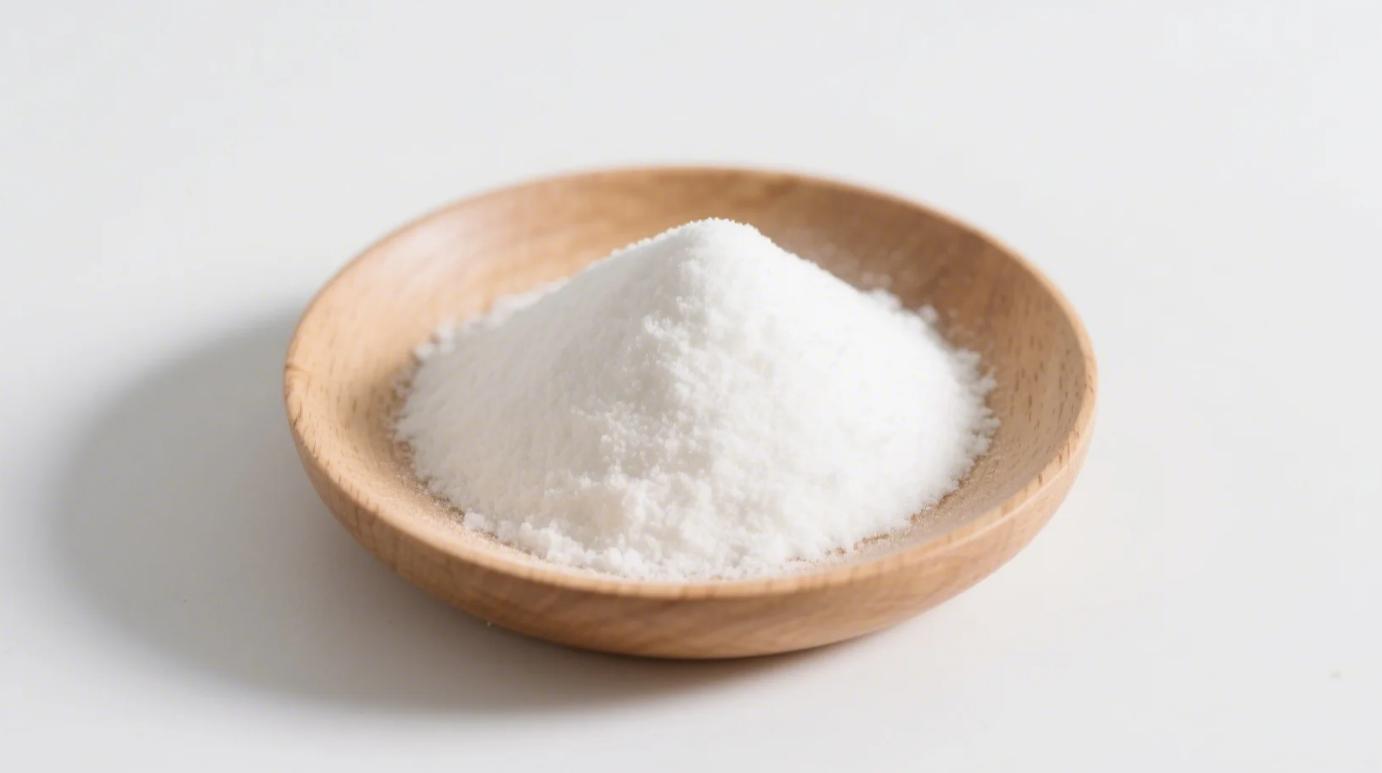
What is Isomaltitol Powder?
Isomaltitol Powder is a certified non-GMO sugar alcohol derived from beet sugar through enzymatic hydrogenation. With 45-60% of the sweetness of sucrose and 2.0 kcal/g, it offers a zero-glycemic, tooth-friendly solution for sugar-free formulations. Its exceptional heat stability and resistance to crystallization make it ideal for hard candies, baked goods, and coatings. Certified Non-GMO Project Verified, Kosher, and Halal.
Key Features & Benefits
- Very Low Glycemic Impact: GI ≈ 2 – may be suitable for low-glycemic, keto, and zero-sugar formulations.
- Heat Stability: Resists decomposition at high temperatures (melting point ~145–150°C) for baking and candy-making.
- Low Hygroscopicity: Resists moisture absorption, extending shelf life in dry applications.
- Tooth-Friendly: Non-acidogenic and non-cariogenic.
- Clean Label: Free from artificial additives, allergens, and GMOs.
Also Known As: Names and Synonyms in the Trade
Isomaltitol is sold under several names in specifications, monographs and supplier literature, and the name a document uses often signals which of the two component polyols, or which regulatory route, is meant. The list below covers the names that come up most often in enquiries, technical data sheets and customs paperwork.
- Hydrogenated isomaltulose (INS 953 / E 953, CAS 64519-82-0) – the Codex and EU name for the material, quoted with both numbers and the registry number on specifications and customs paperwork
- Palatinit – the trade name under which the mixture was first commercialised, still used generically in older literature and in some enquiries
- GPS/GPM – the specification shorthand for the two principal components, used wherever the ratio rather than the total assay is the controlling figure
- 1-O-α-D-glucopyranosyl-D-mannitol (1,1-GPM, CAS 20942-99-8) – the glucosyl-mannitol component, the branch of the mixture that the name isomaltitol is attached to
- 6-O-α-D-glucopyranosyl-D-sorbitol (1,6-GPS) – the glucosyl-sorbitol component, quoted alongside the GPM figure on the specification sheet
- Disaccharide polyol (non-cariogenic bulk sweetener) – the class description used where a document names the group rather than the individual substance
The name on the label has to agree with the name on the specification sheet, and the specification has to state the assay basis and the GPS/GPM ratio. Two offers can differ in that ratio and in the crystal grade, so line up the assay, the ratio and the particle size before treating them as equivalent. Note also that isomaltulose, the sugar the material is hydrogenated from, is a different substance and is not covered by the isomalt entry; the two names must not be substituted for one another on a specification.
Specifications
| Parameter | Specification |
|---|---|
| Purity | ≥98% Isomaltitol |
| Sweetness Level | 50% of sucrose |
| Caloric Value | 2.0 kcal/g |
| Glycemic Index (GI) | 2 |
| Moisture Content | ≤0.5% |
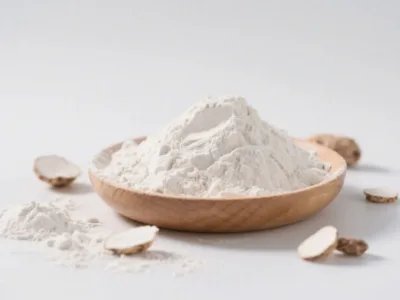
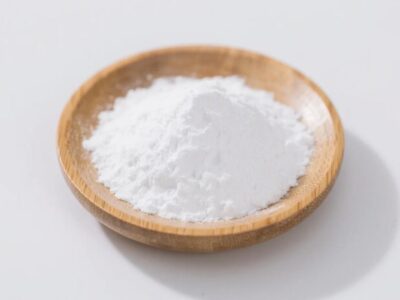
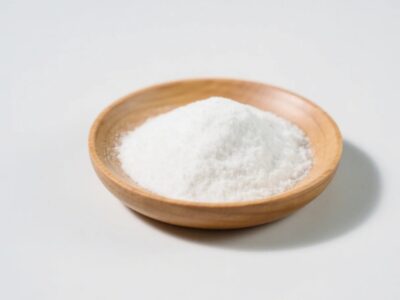
| Appearance | White crystalline powder |
| Solubility | Moderately soluble in water |
| Heat Stability | Melting point ~145–150°C; stable (no decomposition) up to ~180°C |
| Certifications | Kosher, Halal |
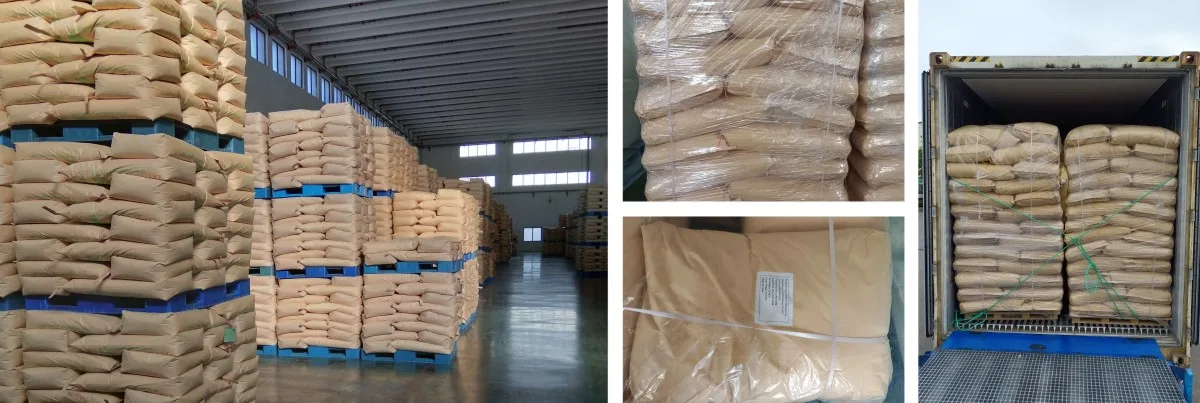
| Packaging | 1kg, 10kg, 25kg vacuum-sealed bags |
| Shelf Life | 36 months |
Sourcing, Certification and Regulatory Status
| Jurisdiction / Standard | Regulatory status | Legal name | Notes |
|---|---|---|---|
| European Union | Authorised sweetener (E 953) | Isomalt (E 953) | Listed in the Union list in Annex II to Regulation (EC) No 1333/2008 as a Group IV polyol, with purity criteria in Regulation (EU) No 231/2012; the entry covers the hydrogenated isomaltulose mixture and not isomaltulose, which is a separate substance with its own regulatory treatment. EFSA’s re-evaluation of isomalt is ongoing, and foods carrying more than 10% added polyols fall under the laxative warning requirement of Regulation (EU) No 1169/2011. |
| United States | GRAS (self-affirmed) | Isomalt | Isomalt is used in the US on the basis of self-affirmed GRAS status rather than through a listed food-additive regulation, and US labelling counts it at 2.0 kcal/g; it is named in 21 CFR 101.80(c)(2)(ii)(A) as one of the sugar alcohols eligible for a “does not promote tooth decay” claim, while isomaltulose appears separately in 21 CFR 101.80(c)(2)(ii)(B) as a sugar rather than a sugar alcohol. |
| Japan | Permitted food additive | Isomalt | Food additives in Japan are controlled under the Food Sanitation Act, which requires a substance to appear on the list of designated additives or on the List of Existing Food Additives; isomalt is used as a sweetener and bulking agent in hard candy and compressed products, and each import consignment passes through the MHLW quarantine-station notification. |
| Codex Alimentarius | Food additive; permitted in accordance with GMP | Isomalt (INS 953) | The JECFA monograph for INS 953 is titled Hydrogenated isomaltulose, with isomalt as its synonym; it was prepared at the 69th JECFA (2008), carries an ADI “not specified” established at the 29th JECFA (1985), and specifies the 1,6-GPS and 1,1-GPM mixture. Isomaltulose and isomaltooligosaccharides are different substances and are not covered by this entry. |
Compliance turns on the assay basis, the GPS/GPM ratio, the moisture and the microbiological limits rather than on the naming convention, so those are the figures to line up when comparing offers. Confirm the legal name and the permitted category with the destination market before the first shipment, and keep the hydrogenated isomaltulose name on the specification sheet so the entry can be traced back to the monograph.
Applications
- Hard Candies: Crystal-clear, sugar-free lollipops and mints with no aftertaste.
- Bakery: Stable sweetener for cookies, cakes, and frostings requiring high-temperature baking.
- Chocolate: Reduces sugar content while maintaining smooth texture and snap.
- Pharmaceuticals: Coating agent for tablets and chewable vitamins.
- Functional Snacks: Low-carb protein bars, granola, and cereal clusters.
Format and Grade Selection
Two questions are settled before a specification is agreed: which crystal grade, and which particle size. Both follow from the process temperature and the handling route rather than from the label.
- Granular grade – the route into hard candy and pulled-sugar work, where low moisture pick-up and a controlled dissolve keep the candy clear and shelf-stable
- Powder grade – the route into tableting, dry blends and coatings, where a free-flowing solid and a tight particle-size distribution control segregation and compressibility
- High-solubility grade – chosen when the formulation has to carry more of the polyol into solution than the standard crystal allows, as in clear beverages and some coatings
- High-purity grade – chosen when the assay basis and the residual mono- and disaccharide content are the controlling figures, with purity held at 98% or above
- Pharmaceutical-grade material – chosen for tablet coatings and chewable vitamins, where the Kosher and Halal statements and the heavy-metals limits have to travel with the batch records
Handling Note: The crystal melts at about 145–150°C and is stable without decomposition to about 180°C, so it takes the heat of hard-candy cooking while staying colourless, because it does not brown the way sugar does.
Ask for the particle-size distribution, the moisture and the GPS/GPM ratio when requesting a sample, and we will quote the grade and the grind that fit the process. The figures in the specification table above are the ones the certificate of analysis is written against.
Why Choose Us?
- Technical Support: Customized solubility and particle size options for your production needs.
- Rigorous Testing: Guaranteed purity with third-party lab testing for heavy metals, microbes, and residues.
- Sustainable Production: Energy-efficient processes aligned with circular economy principles.
- Global Compliance: Meets FDA GRAS, EFSA, and FSSC 22000 standards.
FAQs
Q: Is isomaltitol powder keto-friendly?
A: Yes! With a GI of 2 and minimal net carbs, it’s ideal for keto and low-carb diets.
Q: How does isomaltitol differ from maltitol?
A: Isomaltitol has lower sweetness (50% vs. 90%) and GI (2 vs. 35–50), with superior heat stability for hard candies.
Q: Can isomaltitol replace sugar in baking?
A: Use a 1:1 ratio for bulk, but pair with high-intensity sweeteners (e.g., stevia) to match sucrose sweetness.
Q: Does it cause gastrointestinal issues?
A: Like all sugar alcohols, excess consumption (u0026gt;30g/day) may cause mild laxative effects.
Packing