Natural Sweetener
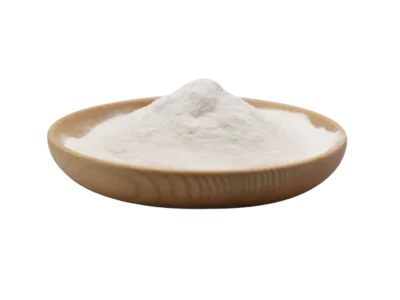
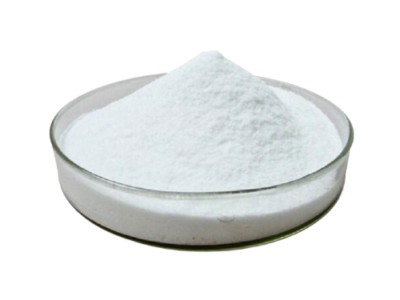
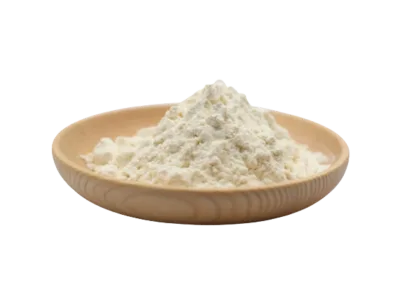
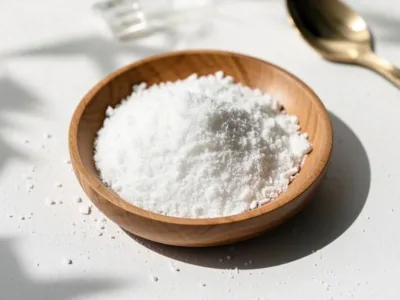
Natural sweetener covers high-intensity sweeteners and sweet proteins extracted or derived from plant sources, positioned for sugar reduction and calorie reduction without artificial sweeteners. The range includes stevia in Reb A and steviol glycoside grades, monk fruit extract standardized on mogroside content, allulose, tagatose, thaumatin, and oligosaccharide sweeteners such as fructooligosaccharide and isomalto-oligosaccharide. Products are grouped by source plant, by purity or glycoside standardization, and by application format.What this category coversStevia is offered across the purity spectrum: steviol glycoside blends at 90 percent and above, purified Reb A grades from 40 to 98 percent, and enzyme-treated variants sold as glucosylated stevia for improved solubility and temporal profile. Monk fruit extract is standardized by mogroside V content, commonly 25, 40, 50, and 55 percent, and is chosen where a fruit-forward label is needed. Allulose is supplied as a crystalline or syrup grade at 95 percent purity and above, counting as a rare sugar with sugar-like browning and bulking behavior. Tagatose is offered as a bulk sweetener for chocolate and bakery, where it also supports prebiotic positioning. Thaumatin is a protein sweetener used at parts-per-million levels for flavor modification in dairy and chewing gum. Oligosaccharide sweeteners function as both sweetener and fiber source and are specified by degree of polymerization and dry matter content.How these ingredients are usedBeverage is the largest segment: stevia glycoside blends and monk fruit cover base sweetness, allulose supplies body and browning, and masking agents handle the bitterness or lingering finish that single sweeteners carry. In bakery, allulose and tagatose participate in Maillard browning, so crust color is achievable without sucrose, while fiber syrups support softness. Dairy formulators use thaumatin and monk fruit where a clean, short ingredient statement is required. In confectionery, crystalline allulose is used in chocolate and gummies, with attention to crystallization control and cooling. Practical formulation notes matter: stevia and monk fruit are hundreds of times sweeter than sucrose, so dosing is typically in the low hundreds of parts per million; erythritol or allulose is usually added back for bulk; and pH and thermal load during processing should be checked for glycoside stability. We recommend pilot trials with the actual process parameters before scale-up.These sweeteners are produced under organic certification according to EU and USDA organic schemes for the certified grades, with all sites operating to ISO 22000. Certificates of analysis, full specifications, and, where applicable, organic and identity certificates accompany each lot, packed in 20 to 25 kg fiber drums or cartons, or 500 kg big bags for high-volume grades.
-
Sale!
-
Sale!
-
-
Sale!

-
Sale!
-
Sale!