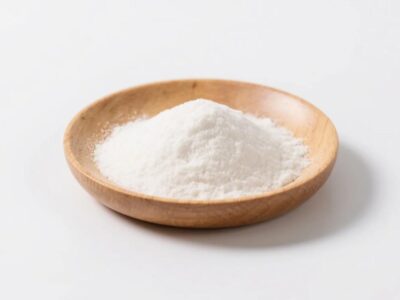
Our isomaltulose is a functional disaccharide built from glucose and fructose joined by an α-1,6-glycosidic bond, and it occurs naturally in small amounts in honey and sugarcane. Sucrose uses the same two monosaccharides joined by an α-1,2 bond instead, and that difference is what gives isomaltulose slower digestion, a steady blood glucose release and sustained energy without the spike-and-crash profile.
It is produced by enzymatic conversion of cane sugar or beet sugar, followed by crystallization and purification, so the finished ingredient stays non-GMO, vegan and gluten-free, with no synthetic additives.
Note: The ingredient is sold by some suppliers under brand names such as Palatinose™, a registered trademark of BENEO. This page covers the generic material, which we produce and supply independently under certified protocols.
What Is Isomaltulose?
Isomaltulose (C₁₂H₂₂O₁₁) is a fully digestible carbohydrate with 4 kcal/g, identical to sucrose, but metabolized more slowly because its glycosidic bond resists the enzymes that break sucrose down. It is:
- Non-cariogenic: Not fermented by oral bacteria → does not cause tooth decay (EFSA-approved claim)
- Low Glycemic Index (GI = 32) vs. sucrose (GI = 65)
- Heat & pH Stable: Suitable for baking, pasteurization, and acidic beverages
Unlike artificial sweeteners or sugar alcohols (e.g., maltitol), isomaltulose provides real energy with no laxative effect or aftertaste.
The neighbouring names are worth separating at the specification stage, because they are easy to confuse. Sucrose is the starting material and not an equivalent product: its α-1,2 bond is cleaved quickly by digestive enzymes, while the α-1,6 bond of isomaltulose is not. Trehalulose is the other isomer formed by the same enzymatic reaction, linked α-1,1, and is not interchangeable with the crystalline material described here.
Two particle-size cuts are available, and both are the same substance to the same specification:
| Parameter | Granulated | Powdered (fine) |
|---|---|---|
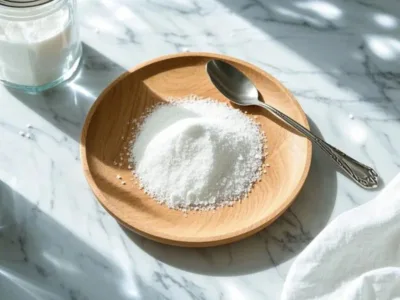
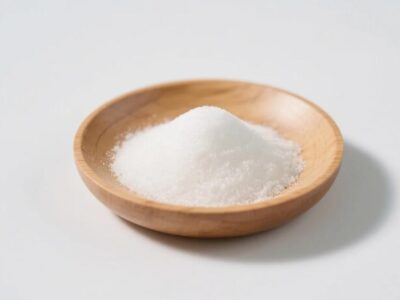
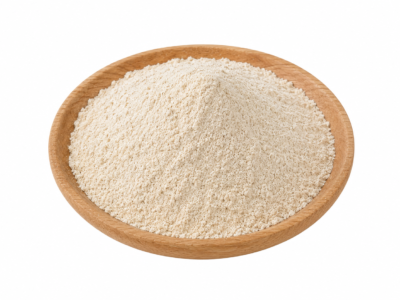
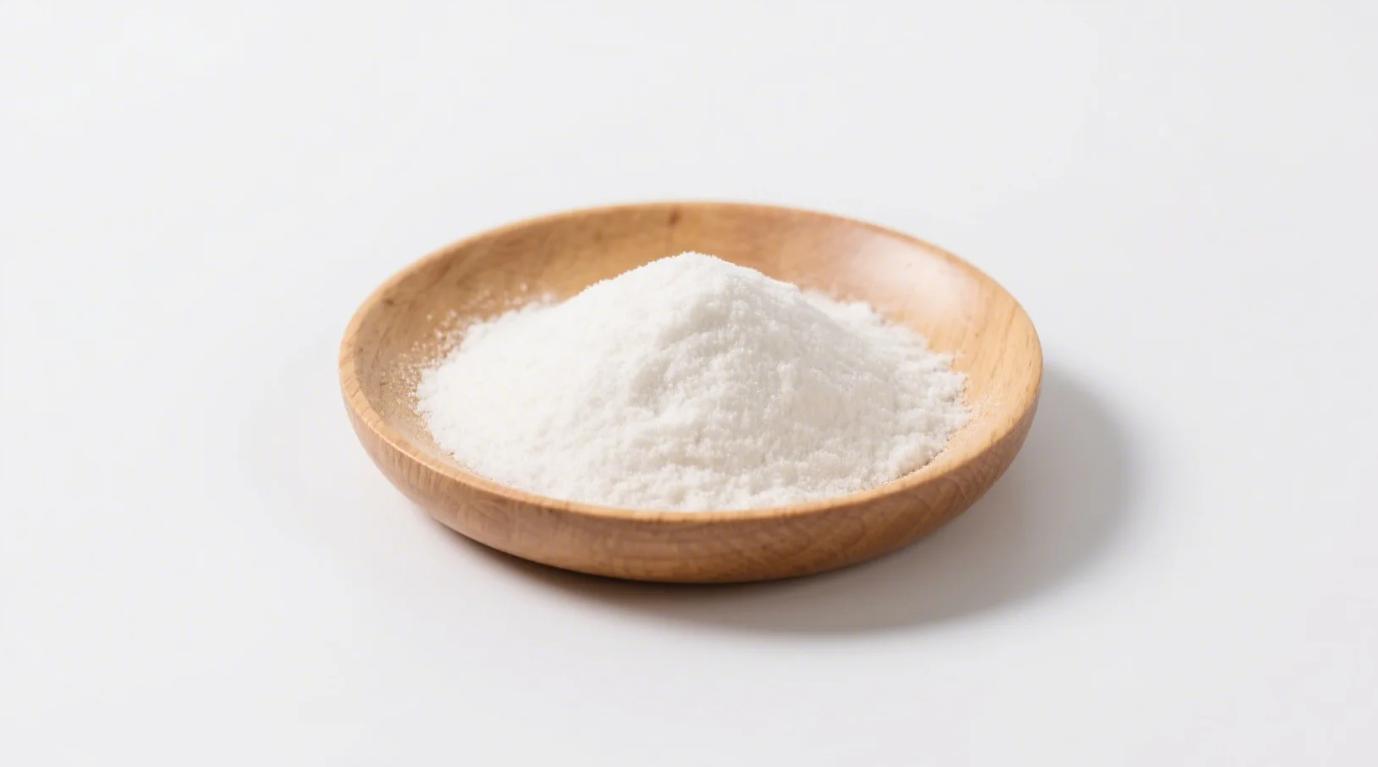
| Appearance | White crystalline granules | White crystalline fine powder |
| Particle size | Coarser, free-flowing cut | Finer cut |
| Dissolution in cold water | Slower | Faster |
| Typical use | Dry blending, confectionery and bakery work | Beverage powders and dry mixes |
| Specification | Same purity, moisture and microbiological limits | Same purity, moisture and microbiological limits |
Also Known As: Names and Synonyms in the Trade
Isomaltulose turns up under a number of chemical and technical names in specifications, regulatory dossiers and supplier literature. The list below covers the ones that appear most often in enquiries, certificates of analysis and customs paperwork; brand names are dealt with at the end of the section.
- 6-O-α-D-glucopyranosyl-D-fructose – the standard chemical name, and the identification field used on certificates of analysis
- 6-O-α-D-glucopyranosyl-D-fructofuranose – the fuller systematic form of the same name, as written in novel-food dossiers and regulatory assessments
- Isomaltulose anhydrous – used where the specification is written on the water-free basis, to distinguish it from the hydrated crystal
- Isomaltulose monohydrate – the hydrated crystalline form, recorded as a separate CAS entry and therefore quoted separately in analytical work
Two points are worth keeping on file. Palatinose™ (BENEO) and Xtend™ isomaltulose are supplier brand names rather than generic synonyms, so they should not be treated as interchangeable with the generic material in a specification. Isomalt (INS 953, described in specifications as hydrogenated isomaltulose) and isomaltitol are a different group again: they are the sugar alcohols obtained by hydrogenating isomaltulose, so a specification written for isomalt will not match this grade.
Technical Specifications
| Parameter | Isomaltulose |
|---|---|
| Chemical Name | 6-O-α-D-glucopyranosyl-D-fructose |
| Source | Enzymatically converted cane or beet sugar |
| Appearance | White crystalline granules or fine powder |
| Odor & Taste | Odorless; clean, mild sweetness |
| Sweetness (vs. Sucrose) | 42–50% |
| Purity (Isomaltulose Content) | ≥98% (HPLC, dry basis) |
| Moisture Content | ≤0.5% |
| Ash Content | ≤0.1% |
| pH (10% solution) | 5.0 – 7.0 |
| Glycemic Index (GI) | 32 (tested per ISO 26642) |
| Caloric Value | 4 kcal/g |
| Solubility (20°C) | ~60 g/100 mL water |
| Melting Point | 125–130°C (with decomposition) |
| Shelf Life | 24 months (sealed, cool & dry storage) |
| Heavy Metals (Maximum Limits) | |
| – Lead (Pb) | ≤0.1 mg/kg |
| – Arsenic (As) | ≤0.1 mg/kg |
| – Cadmium (Cd) | ≤0.05 mg/kg |
| – Mercury (Hg) | ≤0.01 mg/kg |
| Microbiological Criteria | |
| – Total Plate Count | ≤1,000 CFU/g |
| – Yeast & Mold | ≤100 CFU/g |
| – Escherichia coli | Absent in 1 g |
| – Salmonella spp. | Absent in 25 g |
| – Listeria monocytogenes | Absent in 25 g |
| Allergen Status | Gluten-Free (<5 ppm), Soy-Free, Dairy-Free, Nut-Free |
| Certifications | Non-GMO Project Verified, Kosher, Halal (available), Vegan Certified |
Analytical methods: HPLC per Ph. Eur. monograph; GI testing per ISO 26642. Complies with FDA GRAS (GRN No. 184) and EU Novel Food Regulation (EU) 2015/2283; the JECFA specification that exists in this name family covers isomalt (INS 953), a different substance.
Sourcing, Certification and Regulatory Status
| Jurisdiction / Standard | Regulatory status | Legal name | Notes |
|---|---|---|---|
| United States | GRAS; FDA raised no questions on GRN No. 184 | Isomaltulose | GRN No. 184 covers isomaltulose as a nutritive sweetener (notified 2005, closed 2006). |
| European Union | Authorised novel food ingredient | Isomaltulose | Authorised in 2005 and handled today under the Novel Food Regulation (EU) 2015/2283; no E number applies, because the material is used as a carbohydrate ingredient rather than as a food additive |
| Japan | Long-established food ingredient; specific health-claim labelling is subject to local approval | Isomaltulose | A long-standing sucrose substitute in this market; confirm the permitted nutrition and health claims for the category before labelling |
| Canada | Novel food; no objection to sale | Isomaltulose | Assessed as a carbohydrate source for beverages, sports nutrition, dairy, bakery and confectionery applications |
| Codex Alimentarius | No INS number is assigned to the ingredient itself | Isomaltulose | The JECFA specification that lists hydrogenated isomaltulose as a synonym covers isomalt (INS 953), a different substance; trade in isomaltulose follows the national novel-food and GRAS routes instead |
Compliance turns on the assay, the moisture and heavy-metal limits and the microbiological criteria rather than on the naming convention, so those are the figures to line up when comparing offers. Confirm the permitted use and the label name for the destination market before the first shipment.
Applications
Food and Beverage Applications
In drinks and nutrition products the ingredient is chosen for the shape of the energy curve it produces, not for sweetness alone.
- Sports & Active Nutrition: Energy bars, gels and isotonic drinks for steady fueling
- Low-Glycemic Foods: Cereals, yogurts and baked goods with controlled glycemic impact
- Functional Beverages: Smoothies, meal replacements and cognitive drinks
Bakery and Confectionery
In these categories the choice is usually made on process behaviour as much as on the glycemic profile, because the material has to carry the texture of the finished piece.
- Bakery: Provides browning through the Maillard reaction, moisture retention, and texture
- Confectionery: Hard candies and chewing gum, where the tooth-friendly claim can be used
Format and Grade Selection
The two cuts are the same material at different particle sizes, so the decision is normally made on the line rather than on the specification. Granulated suits dry blending, confectionery and bakery work; the fine powder suits beverage powders and dry mixes, where the material has to dissolve quickly in cold water.
Formulation Tip: Can replace 30–100% of sucrose depending on desired sweetness and texture. Blends well with stevia or erythritol for full sugar reduction.
Why Choose Our Isomaltulose?
We partner with certified sugar producers and use food-grade immobilized enzymes (from non-GMO sources) for the conversion step, which keeps purity high, crystal size consistent and the material compliant with global standards. Unlike conventional isomaltulose, ours carries full traceability from farm to finished product.
Every batch is released with a Certificate of Analysis (CoA), an HPLC purity report, an allergen statement and an SDS, so the documentation package can be filed against your own release criteria without follow-up requests.
Packing
Available packaging:
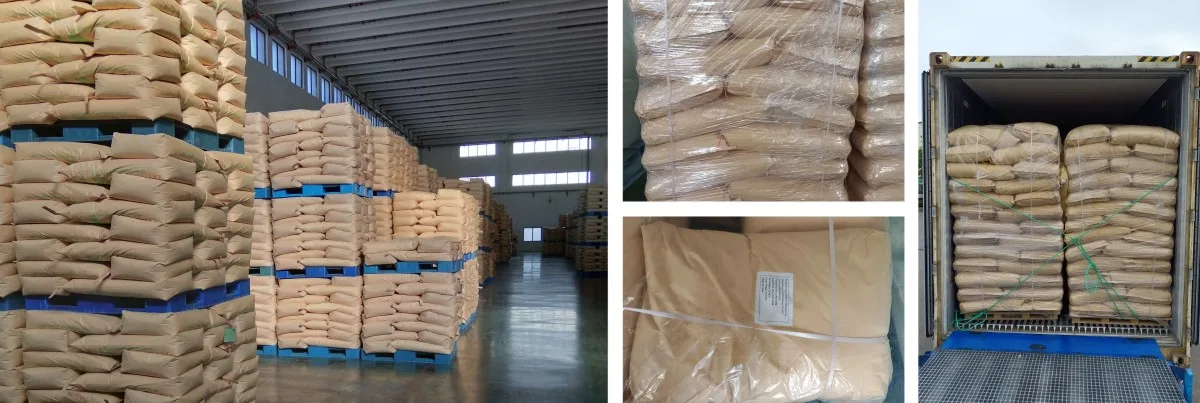
- 10 kg or 25 kg multi-wall paper bags with PE liner
- 500 kg–1,000 kg FIBCs for industrial users
- Custom particle size (granulated or powdered) available
FAQs
Q: Is isomaltulose suitable for low-glycemic diets?
A: Yes. Its low GI (32) and slow digestion minimize blood sugar spikes.
Q: Can it replace sucrose in baking?
A: Yes – use it 1:1 for texture and sweetness, with improved metabolic benefits.
Q: Does isomaltulose cause tooth decay?
A: No. It is non-cariogenic and tooth-friendly.
Q: Is your product heat-stable?
A: Yes. It withstands temperatures up to 160°C (320°F).