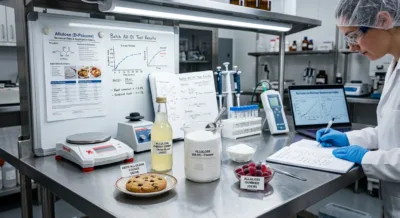
If you have ever tried swapping sugar for a zero-calorie sweetener in a cookie recipe, you know the disappointment: odd aftertastes, textures that crumble, baked goods that refuse to brown. Organic allulose changes that. It tastes like sugar, behaves like sugar in most recipes, and delivers almost none of the calories. For home bakers looking to cut sugar without sacrificing results, it is worth understanding how this sweetener works — and where it needs a little help.
Why Bake with Allulose?
Allulose is a rare sugar found in small quantities in figs and raisins. As we covered in our guide on what allulose is and how it differs from sugar, it has roughly 70% of the sweetness of table sugar but only about 0.4 calories per gram. That means a recipe that calls for one cup of sugar can achieve comparable sweetness with a modest increase in allulose — and a fraction of the calories.
What sets allulose apart from stevia, monk fruit, or erythritol in the kitchen is its clean, sugar-like taste with no bitter or cooling aftertaste. It also participates in Maillard browning, so your cakes and cookies develop that golden color and toasty flavor you expect. For anyone managing blood sugar, health benefits of allulose for blood sugar make it especially appealing: it does not raise blood glucose or trigger a significant insulin response.
Substitution Ratios: How Much Allulose to Use
Because allulose is approximately 70% as sweet as sugar, a straight 1:1 swap will taste slightly less sweet. Most bakers find the sweet spot between 1:1 and 1.3:1 (allulose to sugar), depending on personal preference and the recipe.
| Sugar Amount | Allulose Powder (1:1) | Allulose Powder (1.3:1) |
|---|---|---|
| 1 teaspoon | 1 tsp | 1¼ tsp |
| 1 tablespoon | 1 tbsp | 1 tbsp + 1 tsp |
| ¼ cup | ¼ cup | ⅓ cup |
| ½ cup | ½ cup | ⅔ cup |
| 1 cup | 1 cup | 1¼ cups + 2 tbsp |
Start with a 1:1 replacement and adjust upward if you prefer more sweetness. In recipes where sugar provides structure — such as meringues or certain candies — the higher ratio also helps compensate for allulose’s slightly different crystallization behavior.
Texture and Browning: What to Watch For
Allulose caramelizes at a lower temperature than regular sugar — roughly 110 °C (230 °F) compared to sugar’s 160 °C (320 °F). This is an advantage when you want golden tops and edges, but it means baked goods can brown faster than you expect.
Practical adjustments:
- Reduce oven temperature by 15–25 °F (8–14 °C). If a recipe calls for 350 °F, try 325–335 °F.
- Shorten bake time. Check cookies and cakes a few minutes early.
- Use light-colored pans. Dark pans concentrate heat and accelerate browning even further.
Cookies made with allulose tend to spread a bit more because the lower caramelization point means the dough stays fluid longer before setting. Chilling the dough for 30 minutes before baking helps control spread and produces a thicker, chewier cookie.
Cakes baked with allulose are often slightly more tender and moist — a welcome quality in most layer cakes and quick breads, though delicate structures like angel food cake may need a starch stabilizer such as cornstarch to maintain their lift.
What Works Best with Allulose
Some recipes take to allulose beautifully with almost no tweaking:
- Chewy cookies — chocolate chip, oatmeal, snickerdoodles. The extra spread actually enhances the chewy texture most people love.
- Brownies and blondies — the fudgy, tender crumb benefits from allulose’s moisture retention.
- Quick breads and muffins — banana bread, zucchini bread, blueberry muffins all perform well.
- Ice cream — allulose lowers the freezing point, preventing the rock-hard texture that plagues sugar-free ice creams. No-churn recipes work especially well.
- Sauces and syrups — allulose dissolves clearly and adds body without cloudiness.
- Cold beverages — organic allulose sweetener powder dissolves readily in cold water, making it ideal for iced tea and lemonade.
- Meringues — allulose whips with egg whites and produces a stable foam, though the finished meringue may be slightly softer than a sugar-based version.
What Needs Extra Attention
Not every recipe is a seamless swap. A few categories require thoughtful adjustments:
- Hard candies — allulose does not crystallize the same way sugar does. The resulting candy is less brittle and more glassy. Adding a small amount of corn syrup or using a blended sweetener can improve the texture.
- Yeasted breads — yeast feeds on real sugar to produce carbon dioxide for rise. Allulose is not metabolized by yeast, so dough will not proof the same way. Reserve a teaspoon of real sugar (or honey) for the yeast, then use allulose for the remaining sweetness. The small amount of sugar is negligible per serving.
- Caramel — because allulose browns at a lower temperature, traditional caramel methods can push it past caramelization into burning quickly. Cook over lower heat, stir constantly, and pull the pan from the stove a shade lighter than you think it needs — carryover heat will finish the job.
Sweetening Beverages
Allulose shines in drinks. For cold beverages like iced tea, lemonade, or cold brew coffee, allulose syrup is the easiest option — it mixes instantly with no graininess. For hot drinks such as tea or coffee, the powder dissolves just as readily.
Unlike stevia or monk fruit, allulose leaves no herbal or licorice aftertaste, so the flavor of the drink stays clean. A typical starting point is 1 teaspoon of powder or 1 tablespoon of syrup per 8 oz serving, adjusted to taste.
Storage Tips
Allulose powder is hygroscopic — it absorbs moisture from the air. To keep it free-flowing:
- Store in an airtight container or reseal the package tightly after each use.
- Keep in a cool, dry place away from direct heat and humidity.
- A desiccant packet in the container helps in humid climates.
- Properly stored, allulose powder has a shelf life of about 24 months. Syrup should be refrigerated after opening and used within six months.
Quick Recipe Ideas
Chewy Allulose Chocolate Chip Cookies
In a medium bowl, cream ½ cup softened butter with ¾ cup organic allulose powder until light. Beat in 1 egg and 1 teaspoon vanilla. In a separate bowl, whisk 1½ cups all-purpose flour, ½ teaspoon baking soda, and ¼ teaspoon salt. Combine the wet and dry ingredients, then fold in ½ cup semi-sweet chocolate chips. Chill the dough for 30 minutes. Scoop onto a parchment-lined baking sheet and bake at 325 °F for 10–12 minutes, until edges are golden. Let cool on the pan for 5 minutes before transferring.
Fresh Lemonade with Allulose Syrup
Stir ¼ cup allulose syrup into 4 cups cold water and ½ cup fresh lemon juice. Add ice and adjust sweetness to taste. Garnish with lemon slices. For a sparkling version, replace half the water with club soda.
No-Churn Vanilla Ice Cream
Whip 2 cups heavy cream to stiff peaks. In a separate bowl, combine 1 can (14 oz) sweetened condensed milk alternative with ¼ cup allulose powder and 1 teaspoon vanilla extract. Fold the whipped cream into the condensed milk mixture gently. Transfer to a loaf pan, cover tightly, and freeze for at least 6 hours. The allulose keeps it scoopable straight from the freezer.
Getting Started
Baking with organic allulose is less about learning entirely new techniques and more about making small, intuitive adjustments — a slightly lower oven temperature, a little extra sweetener, a shorter chill. The payoff is real sugar-like results with a fraction of the calories and none of the glycemic impact. Start with a simple cookie recipe, note how the dough behaves, and adjust from there. Once you understand how allulose responds in your own kitchen, you will find it fits naturally into almost anything you make.
Have questions about using allulose in a specific recipe? Contact Us — we are happy to help.
Recommended Products
Allulose Sweetener
Allulose sweetener is a rare sugar with about 70% of sucrose sweetness and almost…
Stevia Extract Powder
Stevia extract powder is a high-intensity sweetener standardized to ≥95% Rebaudioside A. Zero-calorie and…