
The Home Baker’s Discovery of Malt Syrup
More home cooks and bakers are turning to Organic Malt Syrup as they seek ingredients that bring something extra to familiar recipes. Unlike refined sugar, malt syrup — made from sprouted barley grains — carries a warm, toasty sweetness with notes of caramel and honeycomb. It is not just a sweetener; it is a flavor builder.
What makes malt syrup especially useful in a home kitchen is its dual role. It sweetens, but it also contributes color, moisture, and fermentation fuel for yeast doughs. Bakers who try it for the first time often remark that their bread tastes closer to what comes out of a professional bakery. That is not a coincidence. Commercial bakeries rely on malt for exactly these qualities, and now the same ingredient is within reach for the home cook.
Understanding malt syrup’s broader role in baking and cooking is covered in the Complete Guide to Organic Malt Syrup. For those interested in how it compares nutritionally to other sweeteners, the health and safety analysis provides a full breakdown.
Bagels Demand Malt Syrup
Ask any New York bagel baker about the one ingredient they would never skip, and malt syrup will come up almost every time. It is not optional decoration; it is structural.
The defining step in bagel making is the boil. Traditional bagels are briefly boiled in water before baking, and that water should contain malt syrup — about one to two tablespoons per quart. The malt syrup does two things during this boil. First, it gelatinizes the starches on the surface of the dough, creating the tacky exterior that later bakes into a glossy, crackly crust. Without malt syrup, the crust sets up less shiny and lacks that signature chew. Second, the malt sugars on the surface caramelize in the oven, producing the deep amber color and slightly savory-sweet finish that distinguishes an authentic bagel from a round bread roll.
In the dough itself, a tablespoon of malt syrup per batch of a dozen bagels feeds the yeast, supports a slow, flavorful fermentation, and contributes to the tender-yet-chewy crumb. If you have never made bagels at home, starting with Organic Malt Syrup is the single most important step toward bakery-quality results.
Artisan Bread and Dough Conditioning
Bread baking at home hits a ceiling when the ingredients are limited to flour, water, salt, and yeast — the classic lean dough. Adding malt syrup pushes through that ceiling. A mere teaspoon to tablespoon per loaf performs several functions simultaneously.
First, malt syrup provides fermentable sugars — mostly maltose — that yeast metabolizes readily. This produces a stronger rise and more developed flavor without needing to add processed sugar. Second, the residual sugars left after fermentation contribute to crust coloration through the Maillard reaction, yielding that deep brown loaf that smells irresistible even before you slice it. Third, malt syrup acts as a natural dough conditioner. Enzymes present in malt help break down starches into sugars during the proofing stage, keeping the crumb soft and the loaf fresh for an extra day or two.
For breads that lean rich — brioche, challah, or soft dinner rolls — malt syrup pulls double duty by adding depth to the butter-egg richness. The industrial-scale reasoning behind malt in bread production is explored in the guide to malts industrial applications in bread.
Substituting Malt Syrup for Sugar in Recipes
Swapping malt syrup for sugar requires a few straightforward adjustments, but once you have the framework, it becomes second nature.
Malt syrup has about 30 to 50 percent of the sweetness of granulated sugar by weight. That means a recipe calling for one cup of sugar needs roughly one and a third to one and a half cups of malt syrup to match the sweetness — though many bakers prefer the subtler sweetness and use less intentionally, letting other flavors shine. Because malt syrup is a liquid, reduce other liquids in the recipe by about three tablespoons for every half cup of malt syrup added. Baking soda benefits from a slight boost when malt syrup replaces sugar, as the syrup’s acidity is lower.
The substitution shines most in recipes where malt’s toasted notes complement existing flavors: whole-grain muffins, oatmeal cookies, gingerbread, and dark quick breads. It is less suited to delicate vanilla cakes or meringues, where its color and flavor can overpower.
Sauces, Glazes, and Savory Applications
Malt syrup steps beyond baking with ease. Its viscosity and complex sweetness make it a natural base for sauces and glazes.
For a quick barbecue sauce, combine malt syrup with tomato paste, apple cider vinegar, smoked paprika, and a touch of mustard. The malt syrup rounds out the acidity and builds body without relying on processed corn syrup. In a teriyaki-style glaze, mix malt syrup with soy sauce, grated ginger, and a splash of rice vinegar — heat gently until it thickens to a glossy finish. Brush it over grilled chicken, salmon, or roasted vegetables in the last few minutes of cooking.
The savory-sweet balance malt syrup provides is distinct from that of honey or maple syrup. Honey dominates with floral notes; maple brings woodiness. Malt syrup sits in the background, adding roundness without shouting. For home cooks comparing sweetener options, the side-by-side comparison of malt syrup and refined sugar offers a detailed look at how they differ in cooking performance.
Breakfast Staples and Granola
The breakfast table is one of malt syrup’s most natural homes. Its mellow sweetness and binding properties make it ideal for granola, oatmeal, and breakfast bars.
To make granola clusters that actually hold together, warm malt syrup with a little coconut oil or butter, toss with rolled oats, nuts, and seeds, then bake at low heat until golden. The malt syrup caramelizes lightly, forming crunchy clusters that stay intact in milk or yogurt. For steel-cut oatmeal, a drizzle of malt syrup stirred in at the end adds richness without the sharp sweetness of brown sugar or maple syrup, and the toasty notes pair especially well with toasted pecans or walnuts.
Breakfast bars — whether oat-based, date-sweetened, or nut-and-seed — benefit from malt syrup as both binder and flavor. Unlike corn syrup, which binds with neutral sweetness, malt syrup contributes taste that complements whole grains. The differences between malt syrup and other options are further discussed in the complete comparison guide.
Desserts: Cookies, Cakes, and Brownies
In the dessert realm, malt syrup brings characteristics that plain sugar cannot match. It adds chewiness to cookies, moisture to cakes, and fudgy depth to brownies.
Drop cookies made with part malt syrup and part brown sugar bake up with a softer center and a more complex flavor — think chocolate chip cookies with a whisper of caramel. For brownies, replacing a quarter of the sugar with malt syrup deepens the chocolate flavor and creates a denser, more fudgy texture. The malt and cocoa combination is a classic pairing in confectionery, and it works just as well in a home kitchen.
Layer cakes benefit from a tablespoon of malt syrup added to the batter, which helps retain moisture for longer. The effect is subtle — most people will not identify malt syrup as the ingredient — but they will notice the cake stays fresh into the second day rather than drying out. Artisanal bakers and brands have long understood these advantages, as the guide to why brands choose malt syrup explains.
Home Brewing with Malt Syrup
For homebrewers, malt syrup is more than an ingredient — it is the starting point. Extract brewing, the most accessible entry into beer making, uses malt syrup as the concentrated wort base.
In extract brewing, malt syrup is dissolved in hot water to reconstruct the sweet liquid that yeast will ferment into beer. This skips the mashing step where brewers would otherwise need to steep crushed grains at precise temperatures. Hopped and unhopped varieties exist; unhopped malt syrup gives the brewer full control over hop additions and bitterness levels. A standard five-gallon batch uses roughly six to seven pounds of liquid malt extract.
The same malt syrup that produces a deep bread crust also produces a reddish-amber ale, a robust porter, or a malty stout. The overlap between baking and brewing is no accident — both depend on the sugars and enzymes malt provides.
Storage and Handling Tips
Malt syrup is thick, and that thickness can make measuring a challenge. Warming the jar in a bowl of hot water for five to ten minutes loosens it enough to pour or spoon cleanly. A lightly oiled measuring cup or spoon helps the syrup slide out without sticking.
Unopened, malt syrup keeps at room temperature in a cool, dry pantry for up to a year. Once opened, refrigeration extends the shelf life and slows any tendency toward crystallization. If crystals do form — a purely cosmetic issue — placing the sealed container in warm water dissolves them. Avoid introducing water or food particles into the jar, as these can encourage mold. A clean, dry spoon every time is the rule.
Malt syrup does not need special equipment or complicated storage. A warm-water bath and a bit of patience are all it takes to keep it ready for the next batch of bagels, the next Sunday loaf, or the next pot of morning oatmeal.
For questions about Organic Malt Syrup or to discuss wholesale inquiries, contact us at info@bio-starch.com.
Recommended Products
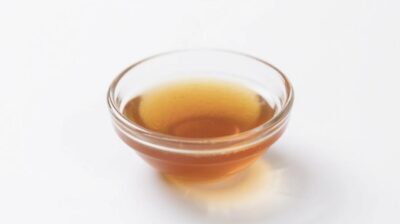
Organic Malt Syrup
Organic malt syrup is a certified-organic viscous amber sweetener (maltose 40–60%) from non-GMO barley…


