
Why Manufacturers Choose Malt Syrup Beyond Sweetness
Malt syrup is not simply another sweetener. In industrial food manufacturing, it functions as a multi-purpose ingredient — contributing to browning, fermentation, texture, moisture retention, and flavor complexity in ways that refined sugars and high-fructose corn syrup cannot replicate. Derived from sprouted and kilned cereal grains (most commonly barley), organic malt syrup carries the full enzymatic and nutritional fingerprint of the malted grain, making it indispensable across bakery, brewing, confectionery, and an expanding range of processed food categories.
Manufacturers select malt syrup for its combination of fermentable sugars (maltose, glucose, maltotriose), residual dextrins for body and mouthfeel, free amino nitrogen (FAN) that feeds yeast, and a natural portfolio of Maillard-reactive compounds. The result is an ingredient that simplifies label declarations, supports clean-label positioning, and delivers functional performance that single-molecule sweeteners cannot match. For a broader overview of its culinary and nutritional profile, see our complete guide to organic malt syrup.
Bakery Applications — Bread, Bagels, and Artisan Loaves
Bakery represents the largest industrial application for malt syrup. In bread production, malt syrup serves three core functions simultaneously: it fuels yeast fermentation by providing readily available maltose and glucose; it deepens crust color through Maillard reactions and caramelization during baking; and it improves crumb softness and shelf life through its humectant properties and residual dextrins that interfere with starch retrogradation.
Commercial bakeries using organic malt syrup in lean-dough formulations (baguettes, ciabatta, rye breads) report measurably darker, more uniform crust color compared to formulations relying solely on sucrose. The pH and reducing-sugar profile create ideal conditions for the Maillard pathway, producing the warm brown tones and toasted notes consumers associate with premium artisan bread.
For bagel manufacturing, malt syrup plays a specialized role. Traditional bagel production requires boiling shaped dough rings in an alkaline water bath before baking. Adding malt syrup or barley malt extract to the boil bath — typically at 1-3 percent of bath water weight — produces the characteristic glossy, chewy crust that distinguishes a proper New York-style bagel from a round bread roll. The malt sugars gelatinize on the dough surface during the boil, then set into a lacquered finish during the high-heat bake. Beyond appearance, the malt syrup contributes subtle sweetness and protects against excessive crust cracking during freezing and distribution.
In artisan rye breads, malt syrup supports the characteristic dark color and dense crumb while balancing the acidity of sourdough fermentation. For formulations using whole-grain and sprouted-grain flours, the enzymatic activity of diastatic malt syrup helps break down complex carbohydrates into simpler sugars that improve both fermentation vigor and finished product sweetness without adding refined sugar. For smaller-scale applications of these same principles, our guide to baking and consumer uses offers practical starting points.
Brewing and Beverage Applications
Malt syrup has deep roots in brewing — it is functionally liquid wort in concentrated form. Industrial breweries use malt syrup as a fermentable extract source, either as the primary base for all-grain-style beers or as an adjunct to increase original gravity and alcohol yield without extending mash-tun occupancy. Standard barley malt syrups offer extract potentials of approximately 80 percent (dry basis), with fermentability profiles dictated by mashing parameters during syrup production.
Craft and mid-scale producers increasingly use organic malt syrup in seasonal and specialty beers where consistency and throughput matter. A pre-hydrolyzed malt syrup eliminates mashing variability, reduces production time, and allows brewers to produce extract-based beers with predictable attenuation and flavor. Dark malt syrups — produced from highly kilned or roasted malts — contribute the chocolate, coffee, and caramel notes expected in porters, stouts, and Scottish ales without requiring specialty grain inventory.
Beyond alcoholic brewing, malt syrup is the foundational ingredient in non-alcoholic malt beverages, a category experiencing strong global growth. These products — Malta (Latin America/Caribbean), Maltina (West Africa), Barbican (Middle East) — are essentially unfermented or dealcoholized malt-based soft drinks. The production mirrors brewing through mashing and boiling, with organic malt syrup as the primary fermentable base. The result delivers a distinctive toasted-cereal flavor, B-vitamin content from the malted grain, and a clean-label positioning that synthetic soft drink concentrates cannot match. For consumers weighing malt syrup against conventional sweeteners, our health and safety comparison provides detailed nutritional context.
Breakfast Cereals and Granola Production
In breakfast cereal manufacturing, malt syrup performs as both a functional binder and a flavor foundation. Granola and cluster-style cereals require a coating syrup that adheres dry ingredients (rolled oats, nuts, seeds) into shelf-stable clusters without creating sticky, hygroscopic surfaces that clump during packaging. Organic malt syrup, blended with vegetable oil before application, provides the correct viscosity for uniform coating and the right sugar profile — predominantly maltose with moderate humectancy — to maintain cluster integrity without pulling excessive moisture from the environment.
Extruded and flaked cereals use malt syrup in the cooking liquor before the extrusion process. The malt sugars participate in expansion and texturization during the high-temperature, high-pressure extrusion step, while contributing a background toasted-cereal note that reinforces the grain-forward flavor consumers expect. In puffing processes (rice, wheat, multigrain), a light malt syrup glaze applied post-puffing adds both a protective moisture barrier and a perceptible sweetness that allows reduced refined-sugar claims on the finished product.
For branded cereal bar manufacturing, malt syrup’s binding properties prove particularly valuable. The combination of maltose, glucose, and dextrins creates a syrup that sets firmly at ambient temperature — holding oats, crisps, fruit pieces, and protein particulates together — without the hard, glassy texture that results from using corn syrup or sugar inversion syrups alone.
Confectionery Manufacturing
Confectionery is where malt syrup’s distinct flavor chemistry becomes the headline, not merely supporting cast. Malt balls — the chocolate-coated, honeycombed-center confection popularized by brands like Whoppers and Maltesers — are built around malted milk powder and malt syrup. The syrup’s maltose content, when aerated and crystallized under controlled conditions, produces the light, crunchy center structure that defines the category. The residual malt flavor persists through enrobing, providing the recognizable toasted-sweet taste that consumers associate with malted confectionery.
In caramel and toffee production, malt syrup contributes to the Maillard-driven flavor development that occurs during the cooking phase. As the syrup is heated with dairy proteins and fats, the reducing sugars and amino compounds in malt syrup generate a broader spectrum of flavor volatiles than sucrose alone can produce — yielding caramels with deeper, more complex notes that extend beyond simple sweetness into butterscotch and toasted-nut territory. The syrup’s dextrin fraction also helps control crystallization, producing caramels with a smoother, more pliable texture throughout the shelf-life window.
Nougat formulations benefit similarly: malt syrup controls sucrose crystal growth while contributing its characteristic flavor, producing a chewy aerated confection with more dimension than nougat built purely on glucose syrup and sucrose. For confectioners formulating organic or clean-label product lines, organic malt syrup replaces both the functional sugar syrup and the flavoring system in a single ingredient declaration.
Sauces, Marinades, and Savory Formulations
Malt syrup’s savory applications are often overlooked, yet they represent one of its most versatile industrial roles. In barbecue sauce manufacturing, malt syrup contributes the viscous body, gloss, and caramelized depth that consumers associate with premium sauces — without the sharp, one-dimensional sweetness of corn syrup. The maltose in malt syrup caramelizes at a lower temperature than sucrose, accelerating color development during kettle cooking and producing a mahogany finish that signals richness before the consumer tastes the product.
Hoisin sauce — a staple of Chinese and pan-Asian cuisine — traditionally relies on fermented soybean paste, spices, and a maltose-rich sweetener. Industrial hoisin producers using organic malt syrup achieve the characteristic glossy, clingy consistency and balanced sweetness that define the category, with the malt backbone complementing the fermented soybean notes rather than competing with them.
Glaze and marinade formulations for meat and poultry benefit from malt syrup’s Maillard reactivity. When applied to protein surfaces and subjected to grilling, roasting, or convection heating, malt syrup accelerates and intensifies the browning reaction, producing the dark, lacquered appearance and savory-sweet crust that drives consumer purchase intent at retail and foodservice. The residual malt flavor pairs particularly well with smoked and wood-fired preparation methods, where it echoes the caramelized wood sugars in the smoke profile.
Plant-Based and Alternative Protein Products
The plant-based protein sector has become a significant growth market for malt syrup, driven by its ability to develop meat-like browning and savory depth in products that lack animal-derived Maillard substrates. In plant-based burger patties, sausages, and grounds, organic malt syrup is added to the formulation — typically at 0.5-1.5 percent of total mass — to supply reducing sugars that react with the pea, soy, or wheat proteins during cooking. The resulting Maillard products closely approximate the color, aroma, and flavor notes of seared meat, bridging a sensory gap that alternative proteins have historically struggled to close.
Textured vegetable protein (TVP) and high-moisture extrudate products benefit similarly. Malt syrup incorporated into the wet-phase ingredients before extrusion contributes to fiber alignment, moisture distribution, and the development of savory roasted notes during the high-temperature extrusion step. Post-extrusion, a light malt syrup glaze can be applied to improve surface sheen and mouthfeel, helping plant-based products present more appealingly in refrigerated and frozen retail formats.
In plant-based dairy alternatives — oat milk, almond milk, blended creamers — malt syrup can serve as a natural sweetness source that aligns with the cereal-forward flavor identity consumers expect from grain-based milks. Unlike cane sugar, which introduces a generic sweetness, malt syrup reinforces the oat or barley character of the base, producing a more coherent flavor. Diastatic malt syrup added to oat-milk production can hydrolyze oat starch in situ, increasing soluble solids without added refined sugars — relevant to barista-formulated oat milks where mouthfeel and foam stability matter.
Snack Food Production
Pretzels are arguably the snack category most dependent on malt syrup for their defining characteristics. Traditional pretzel manufacturing involves passing shaped dough pieces through a hot alkaline bath (typically 1-2% sodium hydroxide or sodium carbonate solution) before salting and baking. When diastatic malt syrup or barley malt extract is added to the alkaline bath — a step practiced by virtually every traditional pretzel baker — the malt sugars deposit on the dough surface and undergo rapid Maillard browning during the bake. The result is the deep mahogany color, glossy surface, and distinctive slightly-bitter, toasted-crust flavor that defines a proper hard or soft pretzel.
In cracker and flatbread production, malt syrup contributes to the uniform golden-brown color that signals thorough baking to consumers. Water crackers, soda crackers, and flatbreads that might otherwise bake pale and unappealing develop an even, warm color when malt syrup is included in the dough at 0.5-2 percent of flour weight. The syrup also supports the lamination process in puff-pastry-style crackers by controlling water activity in the dough layers.
Snack bars and protein bars use malt syrup as a binder, performing similarly to the cereal-bar applications above. In protein-forward formulations where sugar alcohol syrups produce cooling effects and gastrointestinal discomfort, malt syrup offers a natural alternative that sets firm at ambient, resists cold flow, and contributes a pleasant malt background note rather than an artificial aftertaste.
Functional Properties Reference
Selecting the correct malt syrup for an industrial application requires understanding its key functional parameters:
Diastatic vs. Non-Diastatic. Diastatic malt syrup retains active amylase enzymes (primarily alpha- and beta-amylase) that continue to break down starch into fermentable sugars. This makes it essential for bread and bagel production where ongoing enzymatic activity during fermentation improves dough handling and finished-product volume. Non-diastatic malt syrup has been heat-treated to denature enzymes and serves purely as a sweetener, colorant, and flavor source — appropriate for confectionery, sauces, and most non-bakery applications.
Dextrose Equivalent (DE). Malt syrup typically falls in the 40-60 DE range — lower than glucose syrup (DE 60-95) and higher than maltodextrin (DE <20). This moderate DE provides sufficient sweetness and fermentability for most applications while retaining enough higher-molecular-weight carbohydrates to contribute viscosity, body, and humectancy.
Fermentability. Malt syrup is approximately 70-80 percent fermentable (as a percentage of total solids), driven by its maltose and glucose content. The non-fermentable fraction — primarily limit dextrins — remains in the finished product, contributing to mouthfeel, body, and, in brewing, residual sweetness and foam stability.
Maillard Reactivity. Malt syrup is rich in both reducing sugars (maltose, glucose) and free amino compounds from the malted grain. This combination makes it one of the most Maillard-active sweeteners available to food manufacturers, producing rapid, deep browning at baking, roasting, and extrusion temperatures.
Humectancy. The mixed carbohydrate profile of malt syrup — combining hygroscopic monosaccharides (glucose, fructose) with less hygroscopic disaccharides (maltose) and dextrins — provides moderate water-holding capacity that extends baked-good shelf life without the stickiness problems associated with high-fructose or high-dextrose syrups.
pH. Malt syrup typically registers pH 5.0-5.5, mildly acidic and well-suited to most food matrices. It is stable across the pH range of common food products (pH 3.5-8.0) and does not require buffering in most formulations.
Formulation and Handling Considerations
Working with malt syrup at production scale requires attention to its physical properties. At room temperature, malt syrup is a viscous, pumpable liquid (approximately 40,000-80,000 centipoise at 20°C depending on solids content and DE). Warming the syrup to 35-45°C reduces viscosity significantly, improving pump transfer, metering accuracy, and mixing efficiency in batch processes. Many production facilities install heated storage tanks and jacketed transfer lines for this reason; however, prolonged heating above 60°C should be avoided with diastatic grades, as it will progressively denature enzymes.
For dry-blend products or facilities without liquid handling infrastructure, dried malt extract powders are available. These offer the same functional profile as liquid malt syrup but in a free-flowing powder format compatible with ribbon blenders, V-blenders, and continuous mixing lines. Reconstitution in water restores the syrup’s full functionality.
On ingredient declarations, organic malt syrup carries a clean-label advantage. It may be declared as “organic malt syrup,” “organic barley malt syrup,” or “organic malt extract” — all terms familiar to label-reading consumers and aligned with organic certification requirements. When used alongside other sweeteners, malt syrup functions synergistically: paired with organic cane sugar, it broadens the flavor profile and accelerates browning; combined with rice syrup or tapioca syrup, it increases fermentability and improves product color. For manufacturers evaluating sourcing options, our sourcing guide covers what to look for in an organic malt syrup supplier. And for a direct comparison with refined sugar across all dimensions — functional, nutritional, and sensory — see our comprehensive analysis.
Malt syrup’s adaptability across disparate food categories — from a bagel boil bath to a plant-based burger to a confectionery enrobing line — is what makes it a genuinely useful industrial ingredient, not merely a niche sweetener. Whether your production challenge is browning, binding, fermenting, or flavor-building, organic malt syrup offers a single-ingredient solution with a transparent label and a documented performance history across the food manufacturing sector.
For formulation support, technical data sheets, or sample requests for your specific application, contact the manufacturer directly through the product inquiry channels on the organic malt syrup product page.
Recommended Products
Organic Malt Syrup
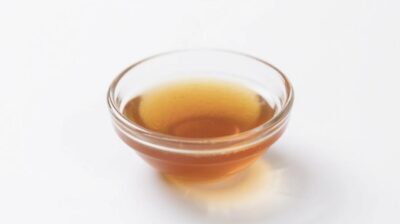
Organic malt syrup is a certified-organic viscous amber sweetener (maltose 40–60%) from non-GMO barley…
Related Posts


