
The Sweet Question Consumers Keep Asking
Walk down any grocery aisle and you will see a wall of sweeteners, each with its own health halo or warning label. Syrup-based sweeteners in particular trigger skepticism—and for good reason. High-fructose corn syrup has earned a reputation few would defend. So when shoppers encounter malt syrup, the assumption often follows the category: sticky, processed, probably unhealthy.
But malt syrup breaks that mold, and the distinction matters. Unlike highly refined sweeteners, Organic Malt Syrup begins with sprouted organic grains—barley, rice, or wheat—whose natural enzymes break starch into maltose through a process similar to what happens in your body during carbohydrate digestion. No synthetic acids, no chemical isomerization, no solvent extraction. Just grain, water, time, and heat. For a fuller picture of how this traditional sweetener is made and used, our Complete Guide covers the full production journey and culinary versatility.
What Is Actually in Malt Syrup
Understanding whether something is healthy starts with understanding what is in it. A 100-gram serving of organic malt syrup typically delivers around 315–320 calories, composed almost entirely of carbohydrates. The sugar profile is dominated by maltose (roughly 50–60%), with glucose making up most of the remainder and only trace amounts of fructose—often under 1%.
The water content hovers around 20%, which is why malt syrup pours thicker than most liquid sweeteners. This modest water percentage also means it delivers slightly fewer calories per gram than dry granulated sugar.
The nutritional story extends beyond sugars. Because malt syrup derives from whole sprouted grains, it retains trace amounts of the nutrients present in the original grain kernel. These include B-complex vitamins such as niacin, riboflavin, and B6, which play roles in energy metabolism. The mineral profile includes potassium, important for fluid balance and nerve function, and magnesium, which supports muscle and enzyme activity. While these amounts do not turn malt syrup into a supplement, they represent a meaningful nutritional contrast to fully refined sweeteners that have been stripped of their source material entirely.
For context on how these nutritional properties translate into practical kitchen use, see how malt syrup performs in baking applications in Consumer Uses.
How Malt Syrup Affects Blood Sugar
One of the most frequent questions about any sweetener concerns its glycemic impact. Malt syrup carries a glycemic index of roughly 42–55, placing it firmly in the low-to-moderate range. By comparison, table sugar sits around 65, honey around 58, and glucose syrup can reach 100—the reference standard for the glycemic index.
The reason lies in the chemistry of maltose, the dominant sugar in malt syrup. Maltose is a disaccharide composed of two glucose molecules linked together. Before the body can absorb and use this sugar, the enzyme maltase in the small intestine must split each maltose molecule into two individual glucose units. This enzymatic step creates a natural absorption delay that blunts the blood sugar spike compared to free glucose, which enters the bloodstream almost immediately.
This slower absorption profile does not mean malt syrup is a free pass for people managing diabetes. It contains significant carbohydrates that will raise blood glucose. However, the moderated release curve may offer practical advantages when used in small amounts within a carbohydrate-counted meal plan. Always work with a healthcare provider on individual dietary thresholds.
Malt Syrup vs. Refined Sugar: More Than Just Sweetness
Refined white sugar is nutritionally one-dimensional: pure sucrose, no minerals, no vitamins, nothing else. The refining process strips sugarcane or sugar beet juice down to crystallized sucrose, discarding everything the source plant contributed.
Organic malt syrup follows a fundamentally different production path. Whole grain kernels are cleaned, soaked, and allowed to sprout under controlled conditions. This sprouting step activates enzymes and increases the bioavailability of certain nutrients. The sprouted grain is then dried, milled, and mixed with water, where natural amylase enzymes convert grain starch into maltose. The resulting liquid is filtered and concentrated through evaporation—no bleaching, no chemical refining, no synthetic additives.
Because the extraction process preserves more of the original grain material, malt syrup carries forward small amounts of protein, dietary fiber, and the minerals and B vitamins described earlier. Red blood cell formation, thyroid function, and neurotransmitter synthesis all depend on B vitamins present in trace amounts in malt syrup—nutrients absent from white sugar by design.
If you are weighing malt syrup against other sweeteners for your product or recipe development, the side-by-side comparisons in Comparisons evaluate taste, texture, and nutritional trade-offs across multiple alternatives.
Malt Syrup vs. High-Fructose Corn Syrup: A Chemical Divide
The concern over high-fructose corn syrup centers almost entirely on fructose. Unlike glucose, which every cell in the body can metabolize, fructose must be processed predominantly by the liver. High and sustained fructose intake from sweetened beverages and processed foods has been linked in metabolic studies to increased liver fat production, insulin resistance, and elevated triglycerides.
Malt syrup contains essentially no fructose. Its sugar profile is built on maltose and glucose, both of which follow metabolic pathways distributed across the body’s tissues rather than concentrated in the liver. This is not merely a minor compositional difference—it represents a fundamentally distinct metabolic load.
The manufacturing contrast is equally stark. HFCS production involves wet milling corn, separating the starch, treating it with acid or enzymes to break it into glucose, and then using glucose isomerase—often immobilized on a solid support—to convert a portion of that glucose into fructose. Multiple industrial enzymes and processing aids are involved. Malt syrup, as described above, relies on the grain’s own enzymes and straightforward concentration.
Food manufacturers evaluating sweetener systems for clean-label products increasingly look to malt syrup for this precise reason: maltose-based sweetness without the fructose baggage. For technical specifications and bulk sourcing considerations, refer to the Sourcing Guide.
Malt Syrup vs. Corn Syrup: Different Grains, Different Implications
Though the names sound similar, malt syrup and corn syrup come from entirely different starting materials and carry different market perceptions. Malt syrup originates from malted barley or other sprouted grains and carries a warm, toasted flavor with caramel notes. Corn syrup—even the non-high-fructose variety—derives from corn starch and has a neutral, one-note sweetness that contributes little beyond sugar content to a recipe.
The GMO conversation adds another layer. In the United States, over 90% of field corn is genetically modified, and conventional corn syrup carries the associated consumer concerns. Organic malt syrup, by definition, comes from non-GMO grains grown without synthetic pesticides or fertilizers, verified through third-party organic certification.
Flavor is where malt syrup most clearly distinguishes itself. Its rich, malty profile enhances bread crusts, bagels, crackers, and craft beverages in ways that corn syrup cannot match. For bakeries and breweries interested in how malt syrup functions in dough systems, the Industrial Applications guide examines fermentation, crust color, and moisture retention in detail.
Is Malt Syrup a Natural Sweetener?
Consumers and regulators alike debate what qualifies as natural, but by any reasonable standard, organic malt syrup fits the definition. The manufacturing steps are mechanical and thermal: sprouting, drying, milling, mashing, filtering, and evaporating. No synthetic chemicals or artificial enzymes enter the process. The grain’s own amylase enzymes—activated during malting—perform the starch-to-sugar conversion.
Organic certification through USDA or EU organic programs adds an additional layer of verification. Certified organic malt syrup meets standards that prohibit synthetic pesticides, chemical fertilizers, irradiation, and genetic engineering throughout the grain supply chain. This means the starting material itself is held to a higher standard than conventional grain sweeteners.
For consumers seeking sweeteners aligned with clean-eating principles, organic malt syrup occupies a defensible position: a whole-food-derived product processed through traditional methods without synthetic intervention.
Who Should Approach Malt Syrup with Awareness
No sweetener is right for everyone, and malt syrup has specific populations who should exercise caution.
Individuals with diabetes need to account for the carbohydrate content—approximately 80 grams per 100-gram serving—within their total carbohydrate budget. While the glycemic response is moderated by maltose’s slower absorption, blood glucose will rise. Portion control and medical guidance are essential.
Those counting calories should note that malt syrup is not a low-calorie food. At approximately 315–320 calories per 100 grams, it is energy-dense. The advantage over refined sugar is nutritional rather than caloric—malt syrup offers trace nutrients alongside its energy content, whereas white sugar offers none.
People with fructose intolerance may find malt syrup particularly suitable. Because malt syrup contains negligible fructose, it does not trigger the gastrointestinal symptoms—bloating, abdominal pain, diarrhea—that fructose malabsorption causes in sensitive individuals. For this group, malt syrup can serve as a safer alternative sweetener in recipes and products that would otherwise rely on sucrose or high-fructose sweeteners.
Where Malt Syrup Fits in a Balanced Diet
Like any caloric sweetener, malt syrup belongs in the moderate-use category of a healthy eating pattern. The Dietary Guidelines for Americans recommend limiting added sugars to less than 10% of daily calories—roughly 50 grams for a 2,000-calorie diet. Malt syrup counts toward this limit.
The difference is what comes with those calories. A drizzle of organic malt syrup over oatmeal or swirled into yogurt brings B vitamins and minerals along for the ride. Used as a baking ingredient, it contributes both sweetness and functional properties—improved browning, softer crumb texture, and extended freshness—that refined sugar cannot replicate on its own.
Brewers have long understood malt syrup’s unique advantage: the maltose in malt syrup is fully fermentable by brewer’s yeast, making it an ideal base for craft beers and fermented beverages where clean attenuation matters. This fermentability also means malt syrup can function as a fermentation substrate in sourdough starters and kombucha brewing, supporting microbial cultures that transform sweetness into complexity.
The bottom line: organic malt syrup is not a health food in isolation, but within the landscape of sweetener choices, it offers a meaningful combination of mineral retention, moderated glycemic response, and culinary versatility that fully refined sweeteners simply cannot match.
For product inquiries, pricing, or technical specifications, contact your supplier representative directly.
Recommended Products

Organic Glucose Syrup
Organic glucose syrup is a certified-organic liquid sweetener (DE 20–60, multiple grades) from non-GMO…
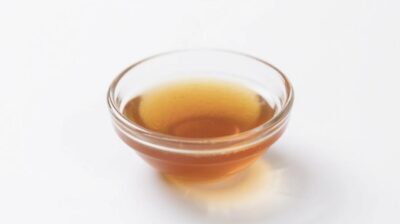
Organic Malt Syrup
Organic malt syrup is a certified-organic viscous amber sweetener (maltose 40–60%) from non-GMO barley…


