
Food manufacturers face persistent pressure to reformulate products — reducing fat, cutting sugar, and adding fiber — without compromising taste, texture, or shelf stability. Among the limited set of ingredients that can address all three goals simultaneously, inulin stands out as one of the most versatile options available to formulators today.
Derived from chicory root, organic inulin powder functions as a soluble dietary fiber with a mildly sweet taste and a unique capacity to mimic the mouthfeel of fat. These properties have driven widespread adoption of inulin in functional food formulation across categories ranging from dairy and baked goods to beverages and nutritional supplements.
Inulin as a Multi-Functional Ingredient
Inulin belongs to the fructan family — linear chains of fructose molecules with a terminal glucose unit. The degree of polymerization (DP) varies depending on processing conditions, and this structural variation is what gives formulators the flexibility to select inulin grades best suited to specific applications.
From a formulation standpoint, inulin delivers four functional benefits within a single ingredient. First, short-chain inulin forms a gel network with water that closely approximates the creamy mouthfeel of fat, making it an effective partial fat replacer. Second, inulin contributes approximately 25–35% of the sweetness of sucrose, enabling sugar reduction without a proportional increase in high-intensity sweeteners. Third, inulin is a soluble fiber with strong digestive tolerance data, supporting on-pack fiber claims. Fourth, inulin improves texture and body across a range of matrices — crumb softness in bread, creaminess in low-fat yogurt, and mouth-coating viscosity in protein beverages.
For formulators selecting between conventional and organic inulin powder, the difference matters primarily for clean-label positioning and organic certification requirements. Our product page on organic inulin provides additional detail on sourcing, specifications, and certification standards.
Fat Replacement with Inulin
The mechanism by which inulin replaces fat is physical rather than chemical. When short-chain inulin is dispersed in water at concentrations above 15%, it forms a particle gel — a three-dimensional network of insoluble inulin microcrystals that trap water and create a smooth, spreadable texture with rheological properties similar to oil-in-water emulsions.
In practice, formulators use inulin gel to replace 30–50% of fat in products where fat contributes primarily to texture rather than flavor delivery. The following application guidelines reflect commonly reported usage levels:
- Reduced-fat yogurt: 2–4% inulin by weight, combined with 0.5–1.5% milk fat, produces a product indistinguishable from full-fat yogurt in consumer panel tests.
- Low-fat ice cream: 4–6% inulin restores scoopability and reduces ice crystal formation during freeze-thaw cycling, while maintaining a creamy mouthfeel at 3–5% fat content.
- Fat-reduced spreads and cream cheeses: 5–8% inulin gel replaces up to 50% of fat with a clean flavor profile.
- Sauces and dressings: 2–5% inulin provides body and cling without the viscosity spikes that starch-based thickeners can introduce.
One practical note for dairy formulators: inulin gels are shear-thinning, meaning they flow under processing shear and reset at rest. This behavior makes them compatible with standard pump and filling equipment without requiring line modifications.
Sugar Reduction with Inulin
Inulin contributes to sugar reduction strategies in two complementary ways. As a bulking agent, it replaces the physical mass that sugar provides in formulations — critical in baked goods, where removing sugar also removes structural solids. As a partial sweetener, inulin’s inherent sweetness (roughly one-third that of sucrose) reduces the gap that high-intensity sweeteners must fill, smoothing out bitterness and aftertaste issues that often accompany stevia or monk fruit blends.
A typical sugar reduction protocol removes 30% of added sugar and replaces it with an equal mass of inulin, then uses a high-intensity sweetener at 20–30% of its standalone dose to recover the remaining sweetness. This yields a net calorie reduction of approximately 25–30% while preserving taste, texture, and browning behavior.
Inulin also moderates the glycemic response of carbohydrate-containing foods. Although a carbohydrate by chemical definition, inulin is not digested in the upper GI tract and contributes negligible available calories — 1.5 kcal/g under EU labeling and 2.0 kcal/g under FDA guidance. This supports “reduced-calorie” and “sugar-free” claims when used with non-nutritive sweeteners, provided the formulation meets local regulatory thresholds.
Inulin in Bakery Products
Bakery applications present both the greatest opportunity and the steepest technical challenge. Heat and moisture activate inulin’s gel-forming capacity during mixing and baking, influencing dough rheology, crumb structure, and shelf life.
In bread, inulin at 3–6% flour weight increases dough water absorption by 2–5 percentage points, yielding a softer crumb and delaying staling by 1–3 days compared to control formulations. The fiber content also supports nutrition claims (“source of fiber” at ≥3 g per serving under EU Regulation 1924/2006), which is particularly valuable in the white bread category where intrinsic fiber is low.
In cakes and muffins, inulin at 5–10% of flour weight functions as a partial sugar and fat replacer, yielding volume comparable to full-fat controls with improved moisture retention over a 7-day shelf life. Biscuit and cookie applications benefit from shorter-chain inulin grades, which contribute crispness and allow “high-fiber” claims on traditionally indulgent products.
A practical consideration for bakery formulators: inulin contributes to Maillard browning reactions, which can darken crust color. Adjusting bake time or temperature by 5–10°C downward helps compensate when inulin replaces more than 5% of sugar in the formula.
Inulin in Dairy and Dairy Alternatives
Dairy products represent the largest application category for inulin, driven by the ingredient’s natural affinity for milk proteins and its ability to build body in low-fat and fat-free formulations.
In stirred and set yogurt, inulin at 2–3% improves viscosity, reduces syneresis (whey separation), and contributes a clean, creamy mouthfeel without masking fermented flavor notes. Greek-style and high-protein yogurts benefit from inulin’s ability to suppress the chalky, astringent texture that concentrated milk proteins can produce.
In ice cream and frozen desserts, inulin at 4–6% lowers the freezing point depression effect of sugar, improving scoopability at serving temperature (-12 to -15°C). It also suppresses ice crystal growth during thermal cycling, relevant for products distributed through cold chains with variable temperature control.
Plant-based dairy alternatives — oat, almond, soy, and coconut milks — represent a rapidly growing subcategory where inulin adds both functional fiber and textural roundness. At 1–3% addition, inulin compensates for the low solids content, lending a fuller mouthfeel and reducing the perception of wateriness.
Inulin in Beverages
Beverage applications fall into two categories based on finished product clarity. In clear beverages — flavored waters, functional shots, ready-to-drink teas — long-chain inulin (DP ≥ 23) dissolves completely at typical use levels of 1–5%, contributing soluble fiber without haze or sedimentation. In cloudy beverages — smoothies, meal replacements, protein shakes — shorter-chain grades contribute body and mouthfeel alongside their fiber function.
Processing temperature is the primary technical consideration for beverage formulators. Inulin is stable at hot-fill (80–90°C) and UHT temperatures (135–140°C for 2–4 seconds) provided pH remains above 4.0. Below this threshold — common in juice-based and acidified beverages — inulin undergoes gradual hydrolysis to free fructose during extended hold times. For acidic formulations, adding inulin after the heating step or selecting a longer-chain grade with greater thermal stability helps maintain target fiber content through shelf life.
In beverage powders, instantized inulin grades designed for cold-water dispersion prevent lumping and ensure rapid dissolution in shaker-cup applications, a practical requirement for sports nutrition and on-the-go formats.
Inulin in Nutritional Bars and Snacks
Nutritional bars — particularly protein bars, fiber bars, and meal replacement bars — present a unique matrix where inulin serves simultaneously as a binder, a fiber source, and a partial sweetener.
In cold-pressed and extrusion-formed bars, inulin syrup (a concentrated aqueous solution at 75–85% dry matter) replaces glucose syrup or brown rice syrup as the binding agent, reducing net carbohydrates by approximately 40–60% while adding 5–8 g of fiber per 60 g bar. Inulin-based binders are more sensitive to moisture migration than traditional sugar syrups — multi-layer packaging with a moisture barrier is recommended for products targeting 9–12 month shelf life.
In baked snack bars and cereal clusters, inulin at 3–6% supports cluster formation without the sticky, tooth-packing texture that sugar-based binders can create. Its moderate sweetness (roughly 30% of sucrose) also allows for “lightly sweetened” positioning in markets where reduced-sugar claims carry purchase intent.
Inulin in Supplements
Inulin serves two distinct roles in the supplement category: as an active prebiotic fiber ingredient and as a functional excipient.
As an active ingredient, inulin powder is the primary component in standalone fiber supplements sold in canisters, stick packs, and capsules. Typical serving sizes range from 3–5 g for daily fiber maintenance to 8–10 g for digestive health formulations. The fine-mesh powder grade dissolves clear in water at ambient temperature, an important acceptance factor for products positioned as tasteless and grit-free.
As a functional excipient, inulin replaces maltodextrin and microcrystalline cellulose as a binder and filler in tablet and capsule formulations. In gummy supplements, inulin syrup replaces glucose syrup and contributes fiber while maintaining the chewy, resilient texture that consumers expect from the format. For manufacturers producing organic inulin powder, the organic certification extends to the finished supplement label, supporting premium shelf positioning.
The sourcing distinction matters in this category — organic inulin is produced from chicory grown without synthetic pesticides or fertilizers, aligning with natural channel consumer preferences. Our overview of what makes organic inulin different from conventional inulin covers these distinctions in detail.
Processing Considerations
Effective use of inulin depends on matching the right degree of polymerization (DP) to the intended application and processing conditions.
Heat stability. Inulin is stable in dry form and in neutral-pH solutions at temperatures up to 140°C for short durations, making it compatible with most thermal processing steps including pasteurization, UHT, retort, and baking. The primary degradation pathway is acid-catalyzed hydrolysis, which becomes significant below pH 4.0 and accelerates with temperature. Formulators working with acidic products should add inulin late in the process after heat treatment where practical.
pH sensitivity. At pH ≥ 4.5 (typical of milk, neutral beverages, and most baked goods), inulin remains stable throughout standard processing and shelf life. At pH 3.5–4.5 (yogurt, acidified beverages), minor hydrolysis during extended high-temperature holds typically impacts fiber content by less than 5% over a 12-month shelf life. Below pH 3.5, long-chain grades with fewer terminal reducing ends show measurably better stability than short-chain grades.
DP selection by application. Short-chain inulin (DP 2–8) dissolves readily, contributes sweetness, and forms soft gels suitable for fat replacement. Long-chain inulin (DP ≥ 23) contributes viscosity, forms firmer gels, and is preferred for high-temperature or low-pH applications where stability is paramount. Native inulin (DP 2–60, average ~10) offers intermediate properties and is often the starting point when a single ingredient must serve multiple functions within a formulation.
Dispersion and hydration. Inulin powders hydrate best when dispersed gradually into water at 20–40°C with moderate agitation. High-shear mixing at elevated temperatures can be counterproductive for gel-forming grades, as excessive shear may disrupt the particle gel network. For dry blending applications — protein powders, cake mixes, instant beverages — agglomerated or instantized grades reduce dusting and improve flowability in automated packaging lines.
New and Emerging Applications
Beyond the core categories described above, formulators are exploring inulin in several emerging application areas where fiber enrichment and fat replacement align with broader consumer trends.
Meat alternatives represent a significant frontier. Inulin at 2–4% in plant-based burger patties and sausages improves juiciness and reduces dry, crumbly texture. It also contributes to Maillard browning at the cooking surface. In hybrid meat products — blends of animal and plant protein — inulin bridges the texture gap between the two matrices and supports “a good source of fiber” claims on products that historically contain none.
Confectionery is a challenging but potentially valuable category. Inulin syrup (75–85% dry matter) can replace glucose syrup in gummies, chews, and soft caramels, reducing sugar content while maintaining the characteristic chew and preventing cold flow. Inulin-based hard candies have been demonstrated at pilot scale, though humidity sensitivity requires high-barrier packaging.
Infant nutrition is a regulated category where inulin’s prebiotic properties are of particular interest. Inulin (often blended with short-chain fructo-oligosaccharides at a 70:30 ratio) is added to infant formula at 4–8 g/L to promote a gut microbiota profile closer to that of breastfed infants. Formulators in this space must use pharmaceutical-grade inulin and comply with local regulations, which vary by region.
For a broader comparison of how inulin performs relative to other dietary fibers, our article on organic inulin powder versus other fibers examines solubility, viscosity, digestive tolerance, and labeling considerations across fiber types.
A Formulator’s Decision Framework
Selecting the right inulin grade involves weighing several interdependent factors.
Define the primary functional goal. If fat replacement is the priority, start with short-chain inulin at 2–8% and adjust gel strength by concentration. If sugar reduction, use native or short-chain inulin to provide bulk and partial sweetness, then calibrate the high-intensity sweetener dose. If fiber enrichment alone, long-chain inulin offers maximum stability with minimal impact on sweetness and texture.
Assess the processing environment. For high-temperature, low-pH systems, select long-chain grades. For neutral pH and moderate temperatures (yogurt, bakery), native or short-chain grades offer the broadest functional range.
Account for labeling requirements. Organic certification narrows the supply base but aligns with clean-label positioning. Verify the supplier’s organic certification covers the full chain from chicory cultivation through final processing.
Prototype at two concentration levels. Inulin’s effects are matrix-specific. Bench trials should include the target inclusion level plus one increment above and below (±1%) to characterize the dose-response curve.
Verify fiber claims analytically. Because inulin degrades under acidic conditions during processing and storage, verify fiber content by an accredited method (AOAC 997.08 or 2009.01) on finished product samples pulled at multiple time points across shelf life. This confirms on-pack fiber declarations remain accurate.
When the formulation challenge calls for an ingredient that reduces fat, cuts sugar, and adds fiber in a single addition, organic inulin powder offers a well-studied, versatile tool supported by decades of published research and commercial application data across nearly every food and beverage category.
To discuss grade selection, request samples for bench trials, or review organic certification documentation, reach out through the inquiry form on our product page.
Recommended Products
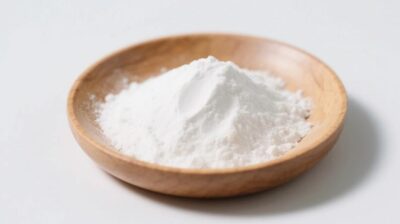
Organic Inulin
Organic inulin is a certified-organic prebiotic soluble fiber (90%+) from non-GMO chicory. It adds…
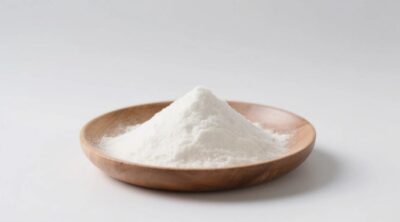
Organic Isomaltoligosaccharides
Organic isomaltoligosaccharides (IMO) powder is a certified-organic prebiotic fiber (90%+) from non-GMO corn or…
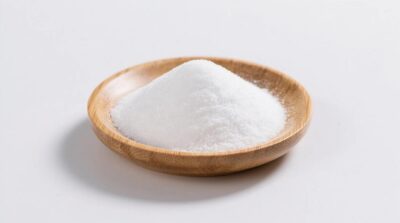
Polydextrose Powder
Polydextrose powder is a non-GMO soluble fiber with ≥90% total dietary fiber (dry basis)…


