Product Overview
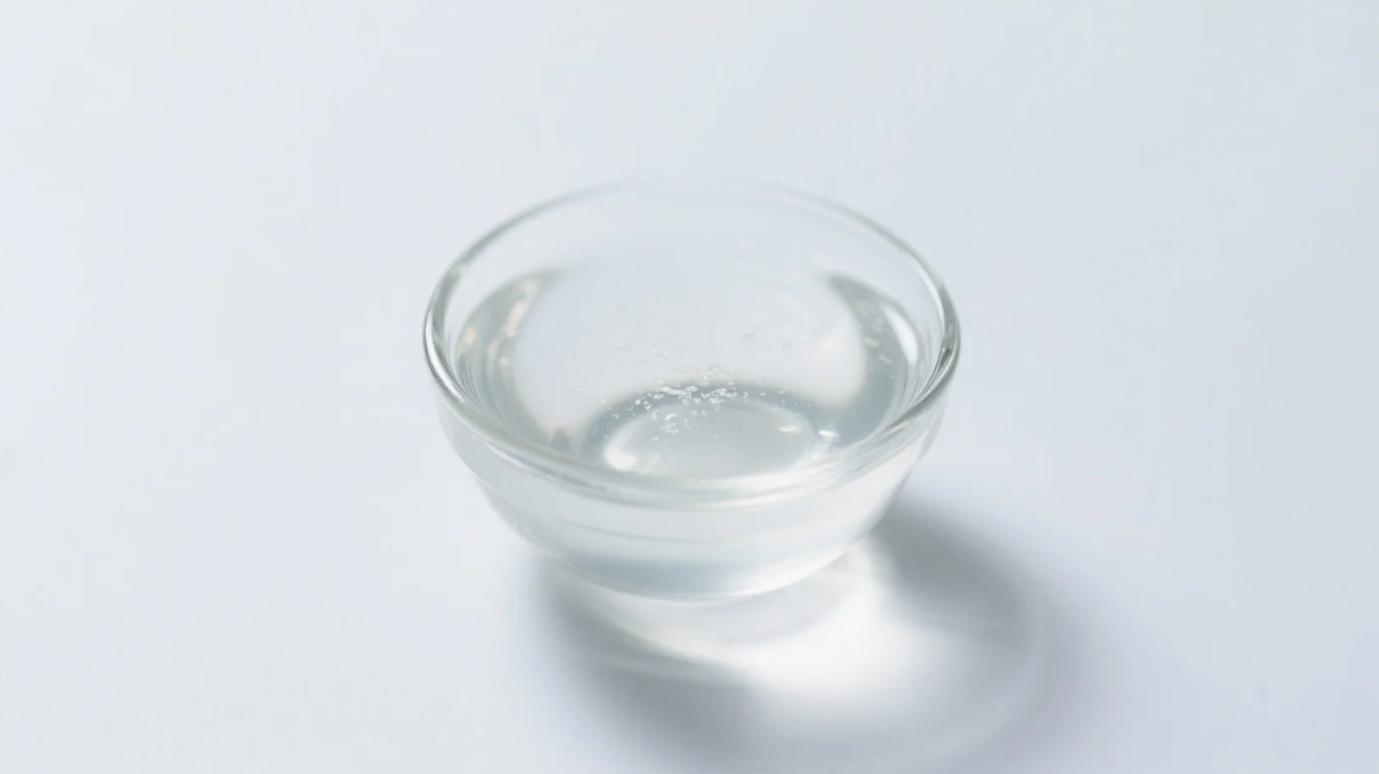
Polydextrose Syrup is a certified non-GMO liquid dietary fiber derived from glucose, sorbitol, and citric acid. With 1 kcal/g and low glycemic impact (GI ≈ 4–7), it serves as a versatile, low-calorie bulking agent and prebiotic for reducing sugar, improving mouthfeel, and enriching fiber content in liquid or semi-solid formulations. Its smooth, viscous texture and high solubility make it perfect for beverages, dairy, sauces, and sugar-free syrups. Certified Non-GMO Project Verified, Kosher, and Halal.
Key Features & Benefits
- Soluble Liquid Fiber: Partially fermented in the colon, may support gut health.
- Sugar Replacement: Mimics sugar’s viscosity and bulk with approximately 75% fewer calories.
- Clean-Label Formulations: Free from artificial additives, allergens, and GMOs.
- Low Glycemic Index (GI ≈ 4–7): Suitable for low-glycemic and keto/low-carb formulations.
- Moisture Retention: Enhances shelf life in baked goods and prevents crystallization in frozen desserts.
Also Known As: Names and Synonyms in the Trade
Polydextrose appears in specifications, in additive lists and on labels, and the form of the name usually signals whether the document is talking about the substance, the additive entry or the liquid grade. The entries below are the ones that come up most often in enquiries and in import paperwork.
- E 1200 – the European additive number, quoted on EU labels and in Annex II to Regulation (EC) No 1333/2008
- INS 1200 – the Codex and JECFA number, used on specifications and in the General Standard for Food Additives
- Liquid polydextrose – the wording used in the trade when the solids content and the viscosity, rather than the powder, are what the formulation depends on
- Polydextrose-A – the citric-acid-catalysed form described in the EFSA re-evaluation of E 1200, which is the route this syrup is made by; the neutralised form is described separately as polydextrose-N
- PDX – the abbreviation used in the food science literature and in internal specification sheets
- Polydextrose (CAS 68424-04-4) – the registry name and number quoted on certificates of analysis and in the FDA food additive regulation
The name on its own does not tell you the solids content, so the figure to compare is the dry matter or polydextrose content on the specification. Note as well that polydextrose is a partially metabolisable glucose polymer rather than a sweetener: it carries little sweetness of its own, which matters when the name is read as a straight sugar replacement.
Product Specifications
| Parameter | Specification |
|---|---|
| Dry Matter Content | ≥70% Polydextrose |
| Caloric Value | 1.0 kcal/g |
| Glycemic Index (GI) | ≈4–7 |
| Viscosity | 500-800 cP (at 25°C) |
| Appearance | Clear to pale yellow viscous liquid |
| Solubility | Fully miscible in water |
| pH | 5.0-6.5 |
| Certifications | Kosher, Halal |
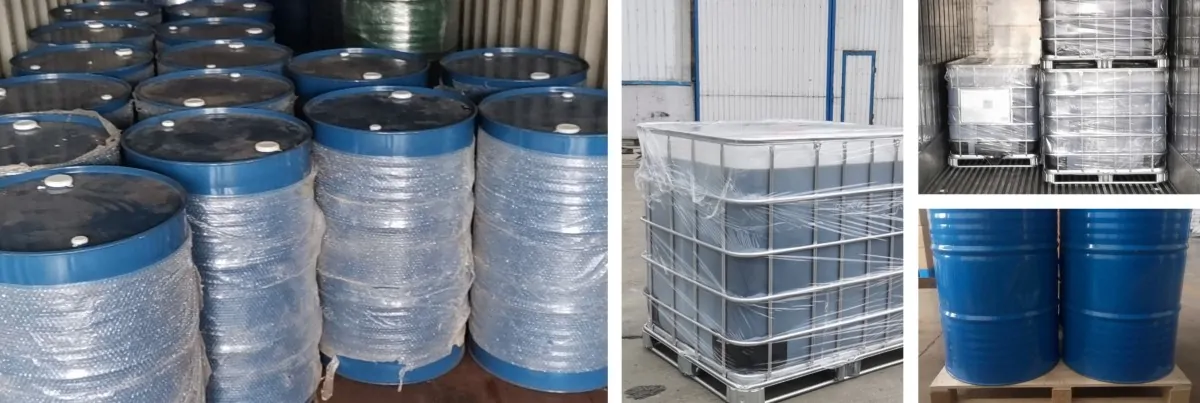
| Packaging | 5kg, 10kg, 20kg food-grade PET containers |
| Shelf Life | 18 months |
Sourcing, Certification and Regulatory Status
| Jurisdiction / Standard | Regulatory status | Legal name | Notes |
|---|---|---|---|
| European Union | Authorised food additive | Polydextrose (E 1200) | Authorised under Annexes II and III to Regulation (EC) No 1333/2008, with purity criteria laid down in Commission Regulation (EU) No 231/2012. EFSA re-evaluated E 1200 in 2021 and concluded that there is no safety concern for the reported uses and use levels and that no numerical ADI is needed. |
| United States | Permitted food additive | Polydextrose | 21 CFR 172.841 permits polydextrose at current good manufacturing practice as a bulking agent, formulation aid, humectant and texturizer in all foods except meat and poultry, baby food and infant formula. The same section requires a statement about a possible laxative effect where a single serving would be expected to exceed 15 g of the additive. |
| Japan | Food ingredient | Polydextrose | Handled as a food ingredient rather than through a product-specific additive listing, with labelling governed by the Food Sanitation Act and the Food Labelling Standards. Confirm the current position and any permitted fibre wording with the destination market before printing a claim. |
| Codex Alimentarius | Food additive, INS 1200 | Polydextrose | Reviewed by JECFA in 1980 and re-evaluated in 1987, when an ADI of not specified was allocated. INS 1200 appears in the General Standard for Food Additives (CXS 192-1995) for use under good manufacturing practice. |
For a syrup the acceptance figures are the dry matter or polydextrose content, the viscosity at the temperature the line actually runs at, the pH and the microbiological limits, rather than the name on the label. Where a serving of the finished product would carry more than the threshold in the US regulation, the laxative statement has to be planned for at artwork stage. Confirm the legal name and the permitted use with the destination market before the first shipment.
Applications
- Beverages: Adds fiber to juices, protein shakes, and ready-to-drink teas without grittiness.
- Dairy & Alternatives: Improves texture in sugar-free yogurts, ice creams, and plant-based milk.
- Sauces & Dressings: Reduces sugar content while maintaining thickness in ketchup, syrups, and glazes.
- Bakery: Retains moisture in gluten-free breads, muffins, and low-sugar fillings.
- Pharmaceuticals: Liquid carrier for fiber supplements or pediatric syrups.
Format and Grade Selection
Two questions decide the specification for a liquid grade: what solids content the formulation can accept, and how the syrup will be pumped, metered and stored.
- Solids content – the syrup carries a dry matter content of 70% or more; the solids figure sets both the fibre contribution and the water the formulation has to give up
- Viscosity – 500–800 cP at 25 degrees Celsius, which is the figure that decides whether the syrup can be metered at ambient temperature or needs a heated line and trace heating
- pH range – 5.0 to 6.5, the band to check against an acidic beverage or a fermented system before the syrup is written into the formula
- Miscibility – fully miscible in water, so no hydration step is needed and the syrup belongs in the water phase rather than in a dry blend
- Transport form – 5 kg, 10 kg and 20 kg food-grade PET containers, which suits a pilot or a small line; larger volumes are quoted on request and can be arranged around a pumped delivery
- Shelf life and storage – 18 months in the sealed container; keep the container closed and out of direct sunlight, and check the solids figure on arrival because it is the one that moves with temperature and evaporation
Handling Note: The syrup brings water into the formulation, so it is a water-phase ingredient: the solids it adds and the water it carries have to be counted together when the batch sheet is written.
Tell us the solids content you can work with, the temperature the line runs at and the pack size you want to start with, and we will quote the grade that fits. If the finished product carries a fibre claim, send the wording you intend to use as well, so the documentation matches it.
Why Choose Us?
- Customizable Solutions: Adjustable viscosity and sweetness blends for your product needs.
- Quality Assurance: Tested for heavy metals, microbial safety, and stability (ISO 22000, FSSC 22000).
- Eco-Conscious Production: Energy-efficient processes with minimal carbon footprint.
- Global Compliance: Meets FDA GRAS, EFSA, and JECFA standards for food-grade use.
FAQs
Q: Is polydextrose syrup keto-friendly?
A: With a low GI (≈4–7) and 1 kcal/g, it can be used in keto and low-carb formulations.
Q: Can it replace corn syrup or honey in recipes?
A: It can be used to replace syrups while cutting calories by approximately 75%.
Q: Does polydextrose syrup cause digestive issues?
A: It is generally well-tolerated at 15–30 g/day. High doses may cause bloating, flatulence, or diarrhea; gradual introduction is recommended.
Q: Is this syrup suitable for vegan products?
A: Yes! It’s 100% plant-based and free from animal derivatives.
Q: How does liquid polydextrose differ from powder?
A: The syrup offers easier blending in liquid formulations and superior moisture retention for soft-textured products.
Packing