
What Is Organic Malt Syrup
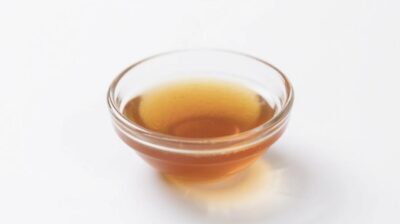
Organic malt syrup is a natural liquid sweetener produced from certified organic sprouted cereal grains — most commonly barley or rice. The process begins with whole grains that are steeped in water and allowed to germinate, activating endogenous enzymes that convert the grain’s stored starch into fermentable sugars, primarily maltose. The sprouted grain is then dried, milled, mashed with water, and filtered to yield a thick, amber-colored syrup with a characteristic malty flavor.
Unlike refined sugars and high-fructose corn syrup, organic malt syrup retains trace amounts of proteins, minerals, and B vitamins from the original grain. Its sugar profile — dominated by maltose with smaller amounts of glucose, maltotriose, and higher saccharides — delivers moderate sweetness and distinctive functional properties that make it valuable across multiple food categories, from baking to brewing to confectionery.
Maltose Chemistry and Sweetness Profile
Maltose (C12H22O11) consists of two glucose molecules linked by an alpha(1-4) glycosidic bond. Upon digestion, the enzyme maltase rapidly cleaves this bond, releasing glucose for absorption. This chemical structure places maltose between simple monosaccharides and more complex carbohydrates in terms of metabolic processing and glycemic response.
In practical terms for food formulators, malt syrup’s relative sweetness falls in the range of 30 to 50 percent that of sucrose. This moderate intensity is one of the syrup’s defining attributes: it contributes perceptible sweetness without masking other flavor notes, and its lower sweetness per unit of fermentable carbohydrate is particularly useful in brewing and baking, where sugars serve simultaneously as sweetener and as substrate for yeast fermentation.
For a deeper analysis of how malt syrup’s nutritional profile compares to refined sugar, see the health and safety discussion. For direct comparisons across multiple sweetener types, the comparisons guide covers glycemic index, caloric content, and processing differences.
How Organic Malt Syrup Is Made
Commercial malt syrup production follows a four-stage process refined over centuries of brewing and food manufacturing tradition.
Malting
Certified organic grains are steeped in water under controlled temperature and humidity. Over a period of four to six days, the grain germinates, producing alpha-amylase and beta-amylase enzymes naturally. At the optimal point, the grain is kiln-dried to halt germination while preserving enzymatic activity for the next stage.
Mashing
The dried malt is milled into grist and combined with warm water at precise temperature steps, typically between 45 and 65 degrees Celsius. These temperature rests optimize enzyme performance: beta-amylase produces maltose most efficiently around 55 to 60 degrees Celsius, while alpha-amylase liquefies starch at slightly higher temperatures. The result is a sweet liquid known as wort.
Filtration
The wort is separated from spent grain solids through lautering or membrane filtration. For applications requiring high clarity, additional centrifugation or diatomaceous earth filtration may be employed. The spent grain byproduct is typically repurposed as animal feed or compost.
Evaporation
The clarified wort is concentrated under vacuum at low temperatures to preserve color and flavor compounds. The final product reaches approximately 78 to 82 percent solids, yielding a shelf-stable syrup with water activity low enough to resist microbial spoilage without artificial preservatives.
Types and Grades of Malt Syrup
Malt syrups are classified by their diastatic power — the level of active amylase enzymes they retain — and by their dextrose equivalent, or DE, value.
Diastatic malt syrup contains active enzymes and serves primarily in baking applications. These enzymes break down starch within the dough itself, releasing fermentable sugars for yeast activity and contributing to crust color development, crumb texture, and loaf volume. Formulators working with bread products should refer to the industrial applications guide for detailed information on functional dosing and expected outcomes.
Non-diastatic malt syrup has been heat-treated to deactivate all enzymes. It functions as a sweetener, colorant, and flavoring agent without modifying dough rheology. Common applications include bagels, crackers, breakfast cereals, and confectionery products.
DE values for malt syrups typically range from 20 to 60. Lower-DE syrups, in the 20 to 30 range, contain a higher proportion of dextrins and longer-chain saccharides, contributing greater viscosity, body, and mouthfeel. Higher-DE syrups, from 40 to 60, are sweeter, more readily fermentable, and produce more pronounced Maillard browning during heating.
Grain source introduces another layer of differentiation. Barley malt syrup delivers a robust, toasty flavor suited to hearty baked goods and beer production. Rice malt syrup provides a cleaner, more neutral sweetness that performs well in confectionery, nutrition bars, and delicately flavored products. The product specification page lists currently available grades and technical data sheets.
Organic Certification and Sourcing
Organic malt syrup must satisfy certification requirements that govern the entire supply chain, from the field where grains are planted to the facility where syrup is processed, packaged, and shipped.
Under USDA National Organic Program standards, grains must be grown without synthetic pesticides, herbicides, or fertilizers on land that has been free of prohibited substances for a minimum of three years. Processing facilities must maintain documented organic handling plans, prevent commingling with conventional products, and undergo annual third-party inspections. EU organic regulations impose parallel requirements with additional provisions governing import verification and equivalency arrangements.
Non-GMO verification provides a complementary layer of assurance. While USDA organic certification inherently prohibits genetic engineering, buyers serving markets where non-GMO claims carry independent consumer weight often seek dual certification from organizations such as the Non-GMO Project.
When evaluating suppliers, buyers should examine audit documentation, traceability systems, and the supplier’s capacity to provide consistent lot-level organic certificates. The sourcing guide pillar explores supplier qualification in greater depth, including questions to ask during the vetting process.
Key Functional Properties
Organic malt syrup contributes a matrix of functional attributes that extend well beyond basic sweetness.
Sweetness operates at 30 to 50 percent of sucrose intensity, providing balanced contribution that supports rather than dominates a formulation’s overall flavor profile. This property is particularly valuable in applications where sweetness should not mask grain, cocoa, spice, or fermented notes.
Viscosity and body derive from the higher saccharides and dextrins present in the syrup, especially in lower-DE grades. These components enhance mouthfeel and texture in beverages, sauces, and baked goods, contributing to a perception of substance and quality.
Color ranges from pale gold to deep amber, determined by grain source and processing parameters. Malt syrup imparts warm, brown tones to bread crusts, cracker surfaces, cereal coatings, and sauce finishes — often reducing or eliminating the need for added caramel color.
Fermentability is a direct consequence of maltose’s ready utilization by Saccharomyces cerevisiae and other brewing yeasts. In beer production, malt syrup provides both the fermentable base and the malt character that defines the beverage. In leavened doughs, fermentable sugars drive yeast activity, carbon dioxide production, and oven spring.
Maillard browning occurs when reducing sugars and amino compounds — both present in malt syrup — react under heat. This reaction generates the desirable brown colors and complex toasted, nutty, and caramelized flavor notes characteristic of baked and roasted foods.
For practical guidance on using these properties in home and small-batch baking, the consumer uses guide provides recipe-level advice and substitution ratios.
Primary Applications
Baking represents the largest application category for malt syrup. In bread, diastatic malt supplies fermentable sugar to yeast, improves gas retention, and enhances crust color and crumb softness. In bagels, non-diastatic malt syrup contributes the signature glossy surface and subtle malty flavor that define the product. Crackers, pizza dough, pretzels, and artisan loaves all benefit from malt syrup’s combined contributions of flavor, color, and fermentation support.
Brewing relies on malt extract syrups as a practical alternative to all-grain mashing, particularly for home brewers and small craft operations. These syrups deliver consistent, predictable fermentable sugar profiles while contributing body, head retention, and color to the finished beer.
Confectionery and snack bars increasingly use rice malt syrup as a binder and sweetener. Its mild, neutral profile allows other ingredients — nuts, seeds, dried fruit, chocolate — to express their own flavors without competing sweetness. It provides structural cohesion in granola bars, protein bars, and energy bites.
Sauces and marinades benefit from malt syrup’s viscosity and browning capacity. In barbecue sauces, glazes, and soy-based marinades, malt syrup contributes sheen, cling, and color development during grilling, roasting, or broiling.
Breakfast cereals and granola use malt syrup as a coating and binding agent. It delivers sweetness, crunch, and the golden-brown appearance consumers associate with baked and toasted cereal products.
Clean-Label Positioning
“Organic malt syrup” communicates simply and directly on a product label — a tangible advantage in an era when consumers actively scrutinize ingredient panels. Unlike sweetener systems that require parenthetical breakdowns or multi-ingredient declarations to achieve similar functionality, organic malt syrup reads as a single, whole-food ingredient.
Market research consistently indicates that shoppers associate shorter, recognizable ingredient lists with higher product quality. An ingredient declaration listing “organic malt syrup” rather than “sugar, glucose syrup, caramel color, barley malt extract, natural flavor” supports premium brand positioning and helps justify the price points that clean-label products achieve.
For product developers building clean-label lines, sweetener selection is one of the most visible decisions on the ingredient panel. Organic malt syrup delivers sweetness, color contribution, and functional performance through a single consumer-friendly declaration — reducing label length while meeting the technical requirements of the formulation in applications ranging from bread to bars to beverages.
Questions about incorporating organic malt syrup into your product line? Contact us to discuss specifications, samples, and formulation support.
Recommended Products

Organic Glucose Syrup
Organic glucose syrup is a certified-organic liquid sweetener (DE 20–60, multiple grades) from non-GMO…
Organic Malt Syrup
Organic malt syrup is a certified-organic viscous amber sweetener (maltose 40–60%) from non-GMO barley…


