
Cutting sugar doesn’t mean cutting joy from your kitchen. For anyone following a keto or low-carb lifestyle, finding a sweetener that actually behaves like sugar in recipes — without the carbs or the blood sugar crash — can feel like searching for a unicorn. Organic erythritol powder has quietly become the go-to answer for home bakers who want their cookies, muffins, and morning coffee to taste great while staying firmly on plan.
Why Keto and Low-Carb Dieters Love Erythritol
The appeal starts with the numbers. Erythritol contains almost zero net carbs and registers at zero on the glycemic index. Your body absorbs it in the small intestine and excretes most of it unchanged through urine, meaning it doesn’t get metabolized for energy the way sugar does. For someone carefully tracking macros, that translates to sweetness without the math problem.
This isn’t a lab-created mystery compound, either. Erythritol occurs naturally in small amounts in fruits like pears, melons, and grapes, as well as in fermented foods like cheese and wine. The commercial version is produced through a natural fermentation process using glucose from organic corn or other starch sources — essentially the same process that gives us yogurt and sourdough bread. If you’re new to the topic and want to understand exactly how it’s made and why that matters, our Complete Guide covers the production process in detail.
What makes erythritol particularly attractive to keto dieters is that it doesn’t spike insulin or blood glucose. Multiple studies have confirmed this metabolic profile, and for everyday home use, the science supports the safety of moderate consumption. If you’d like to dig deeper into the research, our Health & Safety piece breaks down the studies behind erythritol’s safety record.
Baking with Erythritol: Cookies, Cakes, and Muffins
The real test of any sweetener is how it performs in the oven. Here erythritol shines in ways that surprise many first-time users. Unlike liquid sweeteners that throw off moisture ratios, granulated erythritol measures and behaves similarly to table sugar. It creams with butter, dissolves into batters, and gives cookies that familiar crumbly texture.
When shopping for baking-grade erythritol, quality matters. Not all erythritol on the market is created equal — particle size, purity, and organic certification all affect how it performs in your recipes. Our Organic Erythritol Powder is milled to a fine consistency that dissolves more readily than coarser granulations, making it especially suitable for delicate batters and frostings.
A few practical tips for getting the best results in your baking:
Use room-temperature ingredients. Erythritol can cause butter to seize if added cold, so let your butter and eggs sit out for 30 minutes before mixing.
Cream thoroughly. Spend an extra minute or two creaming erythritol with butter — the crystals are slightly larger than sugar granules and benefit from extended beating to incorporate air.
Expect a slightly different browning pattern. Erythritol doesn’t caramelize the way sugar does, so baked goods may look paler. A light egg wash or a minute under the broiler (carefully watched) can add golden color.
Sift with dry ingredients. This prevents small clumps from forming and ensures even distribution throughout the batter.
The 70% Sweetness Rule: How to Substitute Erythritol for Sugar
One of the most common questions from home bakers is how much erythritol to use in place of sugar. The rule of thumb: erythritol delivers roughly 70% of sugar’s sweetness by volume. If your recipe calls for one cup of sugar, you’ll want about 1⅓ cups of erythritol to match the same level of sweetness.
This 70% rule is a starting point, not a rigid formula. Bakers who prefer less sweetness may find a one-to-one substitution perfectly adequate, especially in recipes with other flavor-forward ingredients like dark chocolate, citrus zest, or warm spices. The best approach is to make a recipe once as written (with the 1⅓ ratio), taste the result, and adjust to your preference on the next batch.
Granulated erythritol also brings bulk and structure to baked goods, not just sweetness. Reducing the amount too drastically can affect texture — cookies may spread less, cakes may be denser. When cutting back on erythritol, consider adding a tablespoon or two of almond flour or oat fiber to compensate for the lost volume.
Blending Erythritol with Stevia or Monk Fruit
Let’s address the elephant in the kitchen: the cooling aftertaste. Erythritol has a mild cooling sensation on the tongue, similar to mint but without the flavor. For some people it’s barely noticeable; for others, it can be distracting in recipes where cooling doesn’t belong — think warm chocolate chip cookies or a rich caramel sauce.
The simplest way to balance this is blending. Combining erythritol with a small amount of stevia or monk fruit extract achieves two things: it boosts overall sweetness to match sugar’s potency without adding more erythritol (blunting the cooling effect), and it rounds out the flavor profile so neither sweetener dominates. A common home-baker blend is one cup of erythritol with a quarter teaspoon of pure stevia extract powder or a few drops of monk fruit liquid.
If you’re curious about how erythritol stacks up against other sweeteners for different applications, our Comparisons article walks through the differences between erythritol, allulose, stevia, and monk fruit — covering taste, baking performance, and best-use scenarios for each.
Weight Management and Blood Sugar Control
For people managing their weight or watching their blood sugar, the math behind erythritol is straightforward and encouraging. A teaspoon of sugar delivers about 16 calories and 4 grams of carbohydrates. The same sweetness from erythritol delivers roughly 0.24 calories and less than 1 gram of net carbs — essentially negligible in the context of a daily diet.
The impact on blood sugar is where erythritol truly separates itself from sugar. Because the body doesn’t have the enzymes to break erythritol down into glucose, it passes through without triggering an insulin response. For someone following a ketogenic diet, this means erythritol doesn’t interrupt ketosis. For someone simply watching their sugar intake, it means no energy crash an hour after a sweet treat.
These qualities have made erythritol-based products increasingly common in the broader food supply. If you’re interested in how food manufacturers use erythritol and why choosing organic matters for processed foods, our Industrial Applications piece covers what to look for on ingredient labels.
Erythritol in Drinks, Desserts, and Frozen Treats
Baking gets most of the attention, but erythritol’s versatility extends far beyond the oven. It dissolves cleanly in hot coffee and tea, adding sweetness without the gritty residue that some other granulated sweeteners leave behind. Cold beverages require a bit more stirring, but a powdered erythritol dissolves adequately in iced drinks with a vigorous whisk or a quick blitz in a blender.
For no-bake desserts like cheesecakes, mousses, and puddings, erythritol works beautifully. Its fine texture disappears into creamy mixtures, and because no heating is involved, the cooling sensation can actually complement chilled desserts. A keto-friendly lemon mousse sweetened with erythritol, for example, tastes refreshing rather than oddly cold.
Frozen treats deserve special mention. Erythritol lowers the freezing point of liquids — not as dramatically as sugar, but enough to affect texture. Homemade keto ice cream made with erythritol tends to freeze harder than traditional ice cream. The fix is simple: let it sit on the counter for 10 to 15 minutes before scooping, or add a tablespoon of vodka or glycerin to the base mixture to keep things scoopable.
Meal Prep and Pantry Staples with Erythritol
Stocking your pantry for a low-carb lifestyle means rethinking several staples. Erythritol can fill multiple roles in a well-organized keto kitchen. Keep a bulk jar by the coffee station for daily sweetening. Pre-mix a batch of erythritol-based brown sugar substitute by stirring a teaspoon of molasses into a cup of granulated erythritol and spreading it on parchment to dry. (Yes, molasses has carbs — but at one teaspoon per full cup of sweetener, the per-serving impact is negligible.)
Keto meal preppers find erythritol useful for batch-cooking sauces and condiments. A sugar-free barbecue sauce, teriyaki glaze, or ketchup made with erythritol can live in the fridge for weeks, turning plain grilled proteins into something you look forward to eating. Salad dressings benefit too — a pinch of erythritol in a vinaigrette balances acidity without adding the heaviness that honey brings.
For anyone sourcing erythritol in larger quantities for regular home use, factors like organic certification and supply chain transparency matter. Our Sourcing Guide explains what to look for when choosing between suppliers and why organic sourcing makes a practical difference in the finished product.
Common Mistakes When Baking with Erythritol
Even experienced bakers new to erythritol run into a few predictable issues. Knowing them ahead of time saves wasted ingredients and frustration.
Crystallization after cooling is the most common complaint. Erythritol wants to re-form crystals as baked goods cool, which can create a slightly crunchy or grainy texture — especially in recipes with high moisture content like brownies or quick breads. Powdered erythritol reduces this tendency compared to coarser granulations. Letting baked goods cool completely in the pan (rather than transferring to a wire rack while hot) also gives the structure time to set before moisture loss triggers crystallization.
Browning, or rather the lack of it, surprises many bakers. Without sugar’s Maillard reaction and caramelization, cookies stay pale and cakes lack that golden crust. The workaround: add a small amount of a browning-friendly ingredient. A teaspoon of molasses, a dusting of cinnamon, or a higher baking temperature by 15 degrees for the first five minutes can all help achieve a more traditional appearance.
The sweetness gap catches people who follow conversion advice too rigidly. If you’ve used the 70% rule but your muffin still tastes flat, don’t assume erythritol doesn’t work — you probably just need a touch more. Taste your batter (it’s egg-free batters only, of course) before baking and adjust.
Finally, erythritol doesn’t feed yeast, so it won’t work as the primary sugar source in yeasted doughs. A small amount of actual sugar or honey (consumed by the yeast during fermentation and therefore not contributing meaningful net carbs to the finished loaf) can get the rise started, with erythritol providing the residual sweetness.
Storage Tips for Home Users
Erythritol is impressively shelf-stable — it doesn’t attract moisture the way sugar does and resists clumping in humid conditions that would turn brown sugar into a brick. Store it in an airtight container in a cool, dry pantry, and it will stay free-flowing for well over a year.
The one storage enemy worth guarding against is strong odors. Erythritol is odorless on its own, but its fine powder can absorb ambient scents from nearby spices, coffee, or cleaning products. A tight-sealing lid is enough to prevent this. Glass jars with rubber gaskets work particularly well and look attractive on open shelving.
If you buy in larger quantities — which makes economic sense for regular bakers — consider decanting a working supply into a smaller, frequently accessed container while keeping the main stash sealed. Every time you open a bulk bag, moisture and air sneak in. Limiting exposure extends freshness and prevents the gradual settling and compaction that can make scooping harder over time.
For those living in particularly humid climates, adding a food-safe silica gel packet to the storage container provides an extra layer of protection. It’s a small step that costs almost nothing and keeps your erythritol in perfect scooping condition through monsoon season or summer humidity.
Baking without sugar doesn’t need to feel like compromise. With the right sweetener in your pantry and a few technique adjustments, the cookies, cakes, and morning coffees of a low-carb life can taste every bit as satisfying as their sugary counterparts. Organic erythritol powder makes that possible — one batch of cookies at a time.
Recommended Products
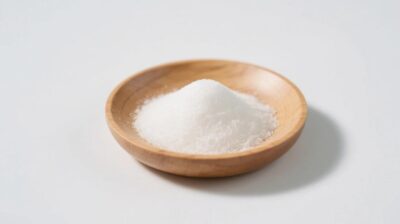
Organic Erythritol Powder
Organic erythritol powder is a certified-organic sugar alcohol produced by fermenting organic glucose, delivering…
Stevia Extract Powder
Stevia extract powder is a high-intensity sweetener standardized to ≥95% Rebaudioside A. Zero-calorie and…