
What Is Organic Erythritol
Organic erythritol is a naturally occurring sugar alcohol found in small quantities in fruits such as grapes, melons, and pears, as well as in fermented foods like cheese and soy sauce. Unlike conventional sugar alcohols such as xylitol or sorbitol, erythritol is the smallest molecule in its class, with a unique molecular structure that the human body absorbs differently. Rather than being metabolized through the digestive tract, roughly 90% of ingested erythritol enters the bloodstream and is excreted unchanged in urine, which is why it contributes effectively zero calories and produces virtually no glycemic response.
What sets organic erythritol apart from its non-organic counterpart is the entire supply chain behind it. Every input — from the carbohydrate feedstock to the fermentation microorganisms and processing aids — must meet certified organic standards. This distinction matters to formulators and procurement teams because consumers increasingly scan ingredient lists for the USDA Organic or EU Organic seal before making a purchase decision. Organic erythritol delivers the same functional performance as conventional erythritol while satisfying the demand for clean, transparent sourcing. For product teams ready to specify a vetted ingredient, exploring a reliable Organic Erythritol Powder source is a logical first step.
How Organic Erythritol Is Made
Commercial erythritol production relies on microbial fermentation rather than chemical synthesis. The process begins with a simple carbohydrate substrate — typically glucose derived from organically certified corn or other starch crops. A strain of Moniliella pollinis or Yarrowia lipolytica yeast converts this glucose into erythritol over the course of several days in a controlled bioreactor environment.
Once fermentation is complete, the broth undergoes a series of purification steps: filtration to remove yeast cells, centrifugation to clarify the liquid, ion-exchange chromatography to strip impurities, and crystallization to yield the final white powder. Because organic certification restricts the types of processing aids and chemicals that can be used at each stage, organic producers rely on physical methods — membrane filtration, evaporation, and recrystallization — rather than synthetic solvents or bleaching agents.
The result is a crystalline powder that is chemically identical to erythritol found in nature, but produced at commercial scale with documented organic integrity from field to finished product. Understanding this production pathway helps buyers appreciate why organic erythritol carries a premium over conventional grades, and why that premium is often justified for brands targeting health-conscious and clean-label consumers. For a closer look at how quality is maintained throughout this chain, see this Sourcing Guide.
Key Functional Properties
Erythritol’s appeal to food makers rests on a handful of well-documented functional characteristics that make it suitable for a wide range of product categories.
Sweetness intensity. Organic erythritol delivers approximately 70% of the sweetness of sucrose, measured on a weight-for-weight basis. This is not a drawback — it actually gives formulators a useful calibration point. When a product requires full sucrose equivalence, erythritol can be blended with high-intensity sweeteners like stevia or monk fruit to achieve the target sweetness profile without relying on a single ingredient.
Caloric value. The FDA and EFSA both recognize erythritol as providing effectively zero calories (less than 0.2 kcal/g), because the body does not metabolize it. For food manufacturers required to display accurate calorie counts, erythritol simplifies labeling: it can generally be excluded from total calorie calculations in most jurisdictions.
Glycemic impact. Erythritol has a glycemic index of zero and does not raise blood glucose or insulin levels. This makes it suitable for diabetic-friendly formulations and for products marketed to consumers following low-carb or ketogenic diets.
Crystalline structure. Unlike many sugar substitutes, erythritol crystallizes naturally into white, odorless particles that mimic the mouthfeel and visual appearance of granulated sugar. It dissolves readily in water and withstands typical baking temperatures without degrading.
Cooling effect. Erythritol produces a mild cooling sensation on the palate, which some consumers find pleasant in beverages and mints but others notice as slightly unusual in baked goods. Formulation teams can mitigate this effect through blending strategies, discussed below. For a detailed examination of the science behind these properties, the Health & Safety article provides a thorough reference.
Organic Certification and Purity Standards
Organic erythritol must comply with the same regulatory frameworks that govern all certified organic food ingredients. In the United States, this means meeting USDA National Organic Program (NOP) standards. In the European Union, it falls under EU Regulation 2018/848. Both systems require that the raw materials, fermentation organisms, and processing methods are free from synthetic pesticides, genetically modified organisms, and prohibited chemical treatments.
Purity is typically verified through third-party laboratory testing at multiple checkpoints: the raw substrate before fermentation, the intermediate fermentation broth, and the final crystallized product. Testing panels commonly screen for heavy metals (lead, arsenic, cadmium, mercury), microbial contamination (total plate count, E. coli, Salmonella), pesticide residues, and solvent residues. A certificate of analysis from the supplier should document compliance with each of these parameters.
Beyond the basic organic seal, many buyers also request additional certifications such as Non-GMO Project Verified, kosher, halal, and ISO 22000 food safety management. These layered certifications give procurement teams the documentation trail needed to satisfy internal quality policies and external auditor requirements. The Sourcing Guide referenced earlier covers how to evaluate suppliers against these benchmarks in detail.
Primary Applications in Food and Beverage
Organic erythritol serves as a versatile sweetening ingredient across several product categories, each with distinct formulation demands.
Keto and low-carb products. The ketogenic diet restricts net carbohydrate intake, and erythritol’s zero-calorie, zero-glycemic profile fits naturally within these constraints. It appears in keto-friendly snack bars, chocolate, ice cream, and tabletop sweeteners. Consumers on keto diets are often well-informed label readers who actively seek out organic-certified ingredients, making organic erythritol a strong match for this audience. The Consumer & Keto Uses article explores how brands position erythritol within the weight-management space.
Diabetic-friendly foods. Because erythritol does not spike blood glucose, it is used in products specifically formulated for people managing diabetes — including meal-replacement shakes, nutrition bars, and sugar-free confections. Clinical studies have consistently shown that erythritol consumption does not adversely affect short-term glycemic control, which supports its inclusion in products carrying diabetes-friendly claims where local regulations permit.
Clean-label beverages. Beverage formulators value erythritol for its solubility and its ability to mask the bitter aftertaste common to stevia and other high-intensity sweeteners. It is widely used in sparkling waters, flavored teas, sports drinks, and ready-to-drink coffee products. Organic certification adds a further selling point for brands competing in the premium natural beverage segment.
Sugar-free confections. Unlike sucrose, erythritol is non-cariogenic — it does not promote tooth decay. Combined with its crystalline texture, this makes it a popular choice for sugar-free chewing gum, mints, and hard candies.
Using Erythritol in Formulations
Successful formulation with organic erythritol often involves combining it with complementary ingredients to achieve the desired sweetness, mouthfeel, and visual qualities.
Blending with stevia and monk fruit. Because erythritol provides roughly 70% of sucrose sweetness while stevia and monk fruit extracts deliver 200-300 times sucrose sweetness, blending these ingredients allows formulators to reach full sweetness equivalence with a balanced flavor profile. Erythritol’s mild cooling effect offsets the licorice-like notes of stevia, and its crystalline bulk provides the textural body that high-intensity sweeteners lack. A typical ratio might be 95-98% erythritol with 2-5% stevia extract by weight.
Baking applications. Erythritol caramelizes differently from sucrose — it does not brown in the same way during Maillard reactions, which means baked goods may look paler than expected. Formulators compensate by increasing bake time slightly, adding a small amount of molasses or natural colorant, or blending erythritol with a brown-sugar substitute. Erythritol also recrystallizes upon cooling in some recipes, which can create a grainy texture in frostings or fillings. Using a mix of erythritol with allulose or a small proportion of an oligosaccharide like inulin can reduce this recrystallization effect.
Bulk and texture contributions. In applications where sugar provides not just sweetness but also bulk, structure, and moisture retention (such as cakes and cookies), erythritol performs reasonably well due to its similar crystalline size. However, it does not retain moisture as effectively as sucrose, so formulators may need to adjust liquid ratios or incorporate humectants like glycerol.
For a broader look at how erythritol performs in processed food manufacturing, the Industrial Applications article covers specific product categories and formulation techniques.
Storage, Stability, and Shelf Life
Organic erythritol is remarkably stable when stored correctly. Its crystalline form is non-hygroscopic — it does not absorb moisture from the air under normal conditions, which means it resists caking and clumping far better than many other sugar alcohols. This is a practical advantage for manufacturers and distributors who need predictable flowability in automated dosing equipment.
Recommended storage conditions are straightforward: keep the product in a cool, dry environment away from direct sunlight. Typical warehouse temperatures between 15 and 25 degrees Celsius with relative humidity below 60% are sufficient to maintain quality. Under these conditions, organic erythritol has a shelf life of 24 to 36 months, depending on packaging. Most suppliers pack in multi-wall paper bags with an inner polyethylene liner, which provides an effective moisture barrier.
Because erythritol does not support microbial growth (it is not fermentable by most bacteria and yeasts), microbial spoilage is essentially a non-issue. The main quality risk over extended storage is exposure to strong odors, as erythritol can absorb ambient aromas if not sealed properly. Keeping packaging intact and storing away from chemicals or fragranced materials prevents this problem.
Clean-Label Positioning and Consumer Perception
The clean-label movement has moved well beyond simply removing artificial colors and flavors. Today’s consumers expect ingredient lists to be short, recognizable, and free from synthetic additives. Organic erythritol fits squarely within this expectation. It appears on labels as “organic erythritol” — a single, self-explanatory ingredient with no E-numbers and no hidden processing aids.
Consumer research consistently shows that “organic” remains one of the most trusted claims on food packaging, particularly among younger demographics and households with children. Pairing an organic certification with a zero-calorie, non-glycemic sweetener creates a compelling product narrative: natural, safe, and aligned with dietary goals. This combination is especially powerful in categories where purchase decisions are made quickly on the shelf — beverage coolers, snack aisles, and supplement sections.
For brands weighing erythritol against alternative sweeteners, it is worth noting how it compares on taste, cost, regulatory status, and consumer familiarity. The Comparisons article breaks down these differences systematically.
Formulators and procurement professionals evaluating organic erythritol for the first time should request certificates of analysis, organic certification documentation, and sample quantities from prospective suppliers. Reaching out to a trusted organic ingredients supplier at info@bio-starch.com can accelerate the qualification process and help teams move from evaluation to production with confidence.
Recommended Products
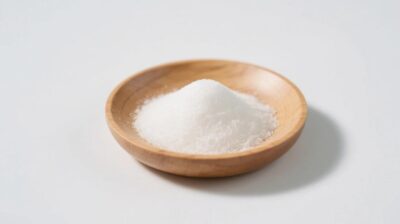
Organic Erythritol Powder
Organic erythritol powder is a certified-organic sugar alcohol produced by fermenting organic glucose, delivering…


