
The Sweetener Landscape
No single sweetener fits every formulation. A craft baker chasing a golden crust has different needs than a beverage developer reformulating for clean-label appeal — and both differ from a consumer simply replacing table sugar in a morning coffee. Understanding how organic malt syrup stacks up against common sweeteners helps manufacturers and home bakers make informed choices.
This article walks through direct comparisons between Organic Malt Syrup and seven widely used sweeteners: refined sugar, corn syrup, high fructose corn syrup, honey, maple syrup, molasses, and barley malt extract. Each comparison examines sweetness level, nutritional profile, functional behavior, flavor contribution, and relative cost. The final section surveys the market forces shaping sweetener demand — from clean-label momentum to the revival of artisan baking and craft brewing.
For a broader overview of malt syrup’s production process and product characteristics, see our Complete Guide.
Malt Syrup vs Refined Sugar
The most immediate difference is sweetness intensity. Organic malt syrup delivers roughly 30–50% of the sweetness of sucrose by weight, making it a moderate sweetener rather than an aggressive one. This matters in baking: using malt syrup in place of sugar yields a more balanced flavor where other ingredients — cocoa, spices, fermented notes — can stand forward rather than being dominated by sweetness.
Calorically, malt syrup and refined sugar are comparable at approximately 4 kcal per gram, but the nutritional story diverges. Refined sugar is stripped to pure sucrose; organic malt syrup retains trace minerals (potassium, magnesium, phosphorus) and small amounts of B vitamins from the germinated grain. The carbohydrate profile is predominantly maltose, a disaccharide that digests more gradually than sucrose, producing a steadier blood sugar response.
In baking, malt syrup’s reducing sugars participate in Maillard browning more effectively than sucrose, contributing to superior crust color and aroma development. It also holds moisture well, extending shelf life in breads and baked goods — a functional advantage refined sugar does not offer. For more on the health angle, see Health & Safety.
Malt Syrup vs Corn Syrup
Both are grain-derived liquid sweeteners, but the raw materials and end products differ substantially. Malt syrup comes from sprouted barley (or other malted grains); corn syrup is produced from corn starch through acid or enzymatic hydrolysis. This origin difference matters for organic certification: organic corn syrup exists but faces supply constraints due to GMO prevalence in corn agriculture, whereas organic malt syrup is produced from certified organic barley with a well-established supply chain.
Flavor is a key differentiator. Corn syrup is essentially neutral — a functional viscosity builder and crystallization inhibitor that adds sweetness without taste. Malt syrup carries a distinct malty, slightly nutty character that contributes to flavor complexity in breads, bagels, pretzels, and confections. Where corn syrup serves as an invisible workhorse, malt syrup plays a dual role: sweetener and flavoring agent.
Cost-wise, conventional corn syrup is the least expensive liquid sweetener on the market. Organic malt syrup occupies a higher price tier, reflecting the cost of organic grain sourcing and malting. For applications where flavor neutrality is paramount — clear beverages, hard candies — corn syrup remains the practical choice. For products where malt character adds value, the investment in organic malt syrup pays off in differentiated taste.
Malt Syrup vs High Fructose Corn Syrup
High fructose corn syrup (HFCS) has become one of the most scrutinized sweeteners in the food industry. The core metabolic concern centers on fructose: HFCS contains roughly 55% fructose (HFCS-55) or 42% fructose (HFCS-42), and high fructose intake has been associated with adverse metabolic outcomes in numerous studies. Malt syrup, by contrast, is predominantly maltose — glucose bound to glucose — with negligible fructose content.
From a clean-label perspective, the two sit at opposite ends of consumer perception. HFCS appears on ingredient lists as “high fructose corn syrup,” a term that surveys consistently rank among the ingredients shoppers actively avoid. Malt syrup reads as “malt syrup” or “barley malt syrup” — descriptors associated with traditional brewing and baking practices. This labeling advantage is material: brands that replace HFCS with organic malt syrup in products like granola, energy bars, or bread can strengthen their clean-label positioning.
Functionally, HFCS offers higher sweetness and lower cost than malt syrup, which explains its continued prevalence in mass-market soft drinks and processed foods. Malt syrup is the choice where ingredient story and moderate sweetness align with product identity.
Malt Syrup vs Honey
Both are natural sweeteners with centuries of culinary tradition, yet they appeal to different applications and consumer segments. Honey is sweeter than malt syrup — roughly 1.0–1.5 times the sweetness of sucrose, compared to malt syrup’s 0.3–0.5 — and carries a distinctive floral or varietal flavor profile depending on nectar source. Malt syrup offers a grain-based, toasty-malty character that pairs well with baked goods, dark breads, and savory applications.
A critical distinction for formulators: honey is not vegan. For plant-based product lines, organic malt syrup provides a fully vegan alternative that delivers comparable browning, humectancy, and a natural ingredient story. Honey also crystallizes over time, creating texture stability challenges in some formulations; malt syrup remains fluid and workable at ambient temperatures.
Cost comparison favors honey at smaller scales (retail jars), but at bulk volumes for industrial use, organic malt syrup can be more economical, particularly when factoring in honey’s seasonal price volatility and supply variability tied to bee health and weather conditions. For home baking inspiration with malt syrup, see Consumer Uses.
Malt Syrup vs Maple Syrup
Maple syrup occupies a premium niche with a flavor profile — woodsy, caramelized, sometimes smoky — that is unmistakably specific. It is roughly 60% as sweet as sucrose, placing it between malt syrup and honey on the sweetness scale. Maple syrup contains notable manganese and riboflavin, while malt syrup provides a broader but lower-concentration mineral profile including potassium and magnesium.
The cost differential is significant. Pure maple syrup, particularly Grade A or organic certified, commands some of the highest prices among natural liquid sweeteners. Organic malt syrup is substantially less expensive per pound, making it a more scalable option for commercial bakery, beverage, and confectionery applications where the maple flavor is not required.
Organic availability differs as well. Certified organic maple syrup production is geographically limited to maple-growing regions (primarily northeastern North America). Organic malt syrup production has a wider geographic footprint and more consistent year-over-year supply.
Malt Syrup vs Molasses
Both are by-products — molasses from sugar refining, malt syrup from brewing — but their sensory profiles diverge sharply. Molasses delivers an intense, bittersweet, mineral-rich flavor; light molasses carries moderate character while blackstrap molasses is aggressively dark and slightly bitter with high mineral density (iron, calcium, magnesium). Malt syrup offers a gentler malty sweetness that does not overpower other ingredients.
Molasses is roughly 50–65% as sweet as sucrose, comparable to malt syrup in intensity. However, molasses’ strong flavor restricts its use rate: too much overwhelms a formulation. Malt syrup can be used more generously, contributing sweetness and browning without dominating the flavor profile. In gingerbread, dark rye breads, and barbecue sauces, molasses remains the traditional choice. In bagels, pretzels, malt loaves, and breakfast cereals, malt syrup is the conventional and functional standard.
Malt Syrup vs Barley Malt Extract
This is the finest distinction in the comparison set. Both originate from malted barley, but processing paths differ. Barley malt extract is produced by concentrating the aqueous extract of malted barley under vacuum, yielding a product with approximately 20% water content and an enzyme-preserving production method. Malt syrup retains higher moisture, typically around 25–30% water, resulting in a more fluid, pumpable consistency.
The practical difference plays out in handling. Barley malt extract’s lower water content makes it more shelf-stable and less prone to fermentation but also more viscous, requiring warming for pourability at industrial scale. Malt syrup flows more readily at ambient temperature, simplifying metering and mixing in continuous production lines.
Application specificity tends to separate them: barley malt extract is prevalent in brewing (as a wort substitute or adjunct), malted milk powders, and some confectionery. Malt syrup dominates in baking — bagels, breads, crackers — where its consistency and flavor intensity are well-matched to dough systems. For a deep dive into baking applications, see Industrial Applications.
Side-by-Side Comparison Table
| Sweetener | Sweetness (vs Sucrose) | Form | Key Nutrients | Best Applications | Relative Price Tier |
|---|---|---|---|---|---|
| Organic Malt Syrup | 30–50% | Liquid | K, Mg, P, B vitamins | Breads, bagels, pretzels, cereals, bars | Mid |
| Refined Sugar | 100% | Granular | None | General sweetening, confectionery | Low |
| Corn Syrup | 30–50% | Liquid | None | Candies, frostings, processed foods | Low |
| HFCS | 90–160% | Liquid | None | Soft drinks, mass-market baked goods | Low |
| Honey | 100–150% | Liquid | Trace minerals, enzymes | Beverages, spreads, baking (non-vegan) | High |
| Maple Syrup | ~60% | Liquid | Mn, riboflavin | Premium baking, breakfast, specialty confections | Very High |
| Molasses | 50–65% | Liquid | Fe, Ca, Mg, K | Gingerbread, dark breads, sauces | Low–Mid |
| Barley Malt Extract | 30–45% | Viscous liquid | Similar to malt syrup | Brewing, malted powders, confectionery | Mid |
Market Trends and Outlook
The sweetener market is undergoing a structural shift. The clean-label movement, once a niche preference, has become a mainstream purchase driver. Consumers increasingly scan ingredient lists for recognizable, minimally processed sweeteners, and products listing “malt syrup” or “barley malt syrup” benefit from strong recognition as traditional, natural ingredients. This trend shows no sign of reversing; market research consistently projects above-average growth for natural sweetener categories through the decade’s end.
Artisan baking represents a second growth vector. The number of independent bakeries and craft bread producers has expanded steadily across North America and Europe since 2020, many emphasizing traditional methods — long fermentation, whole grains, natural sweeteners — where malt syrup is functionally essential. For bagels and artisan loaves, there is no direct substitute for the crust color, crumb texture, and flavor depth that malt syrup provides.
Craft brewing, while a mature category, continues to generate demand for specialty malts and malt-derived products. Brewers using malt extract for recipe development often seek organic-certified inputs to match the positioning of their finished products, creating pull-through demand up the supply chain.
The organic premium remains a factor. Organic-certified sweeteners command higher prices than conventional equivalents, and organic malt syrup is no exception. However, the price gap between organic and conventional sweeteners has narrowed over recent years as organic grain production has scaled. Brands sourcing organic malt syrup at volume increasingly find the premium manageable relative to the marketing and positioning benefits.
Regional dynamics are also shifting. Asia-Pacific markets, particularly Japan, South Korea, and China, show growing demand for malt-based ingredients in bakery, confectionery, and beverage applications. European demand is driven by organic and clean-label preferences, while North America combines both clean-label trends with the artisan baking revival. For guidance on evaluating and selecting a malt syrup supplier, see Sourcing Guide.
If you are formulating a product and need detailed specifications, samples, or pricing for organic malt syrup in bulk, contact us at info@bio-starch.com — we provide product data and technical support to commercial buyers and developers.
Recommended Products
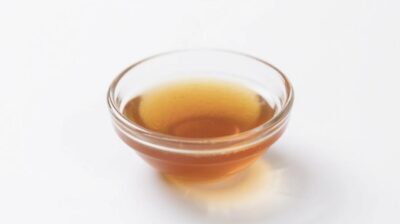
Organic Malt Syrup
Organic malt syrup is a certified-organic viscous amber sweetener (maltose 40–60%) from non-GMO barley…


