
Baking is both an art and a science, and the choice of ingredients can make or break a recipe. For food manufacturers and home bakers alike, organic pea starch, also known as organic Pisum sativum starch or pea-derived organic starch, has become a versatile, plant-based ingredient that improves texture, stability, and overall quality in baked goods.
What Is Organic Pea Starch?
Organic pea starch is a plant-based carbohydrate extracted from organic peas, usually yellow or green varieties. Unlike conventional starches such as corn or potato starch, pea starch is non-GMO, allergen-friendly, and naturally clean label, making it perfect for modern baking applications.
How Pea Starch Behaves in a Dough
Pea starch is a medium-to-high amylose starch, with amylose making up roughly 30–35% of the granule. That ratio explains most of its baking behaviour. When the batter reaches the gelatinisation window — typically beginning around 60 °C and completing near the centre of a standard bake — the granules swell, absorb free water, and then set into a firm, cohesive gel as the loaf cools. High amylose starches build stronger gels than waxy corn or tapioca starch, which is why pea starch gives a slice the ability to hold its own weight instead of tearing.
The granules themselves are small, usually in the 5–25 µm range. Small granules pack more evenly into the protein network of a gluten-free batter, and because they are fine they contribute a smooth, non-chalky mouthfeel rather than the slightly gritty texture that coarse rice flours can leave behind.
Key Functional Benefits in Baking
- Improves Texture and Structure
Organic pea starch provides softness, elasticity, and crumb structure, giving gluten-free and traditional baked goods a more appealing mouthfeel. - Enhances Moisture Retention
By retaining moisture, organic pea starch helps prevent dryness and staling, extending the freshness of breads, muffins, and pastries. - Acts as a Natural Binder and Thickener
Its binding and thickening properties improve dough handling, batter stability, and product consistency, making it easier to produce uniform baked goods. - Supports Gluten-Free and Clean Label Baking
Ideal for gluten-free, vegan, and allergen-friendly recipes, organic pea starch allows bakers to meet consumer demands for natural, plant-based ingredients. - Versatility Across Baked Products
From bread, cakes, and cookies to pie fillings and puff pastries, organic pea starch adapts to various baking needs, offering both functionality and clean label appeal. - Firm Crumb Without Gumminess
At typical inclusion rates the set gel is firm but short, so a slice cuts cleanly rather than stretching or clumping. - Consistent Bake-Out
Because pea starch hydrates and sets within a predictable temperature band, bake losses stay repeatable from one production run to the next.
Water Holding and Crumb Softness
Water is the single biggest lever on crumb softness, and pea starch competes for it well. During mixing it absorbs part of the free water that would otherwise sit on the surface of the batter; during baking it locks that water inside the swollen granule; and during cooling it holds it there instead of letting it migrate outward to the crust. The practical result is a loaf that still feels soft two or three days after baking, provided the formula also contains a hydrocolloid such as psyllium or xanthan to keep the water evenly distributed.
In a gluten-free bread formula, pea starch usually sits between 10% and 30% of total flour weight. Below 10% the effect on crumb is hard to notice; above 30% the crust tends to brown quickly because the starch gel sets early and the surface loses moisture fast. A common working ratio for a sandwich loaf is 25% pea starch, 45% rice flour or a wholegrain gluten-free flour, 20% tapioca starch for extensibility, and 10% protein flour, with the gum adjusted to the water level of the dough.
Managing Staling Through Shelf Life
High-amylose starches also retrograde: over several days the amylose chains re-associate and the crumb firms up. This is normal chemistry, not a defect, and it can be managed. Blending pea starch with a low-amylose partner such as rice starch softens the gel network, while a small addition of an emulsifier or a fibre such as inulin slows the re-association. Keeping the baked product below its glass transition temperature through controlled cooling, and packaging without excess headspace moisture, both extend the window further.
Applications in the Baking Industry
Food manufacturers incorporate organic pea starch in forms such as powdered starch, instant starch, and pre-gelatinized starch. Its multifunctional properties help create high-quality baked products while maintaining a natural and sustainable ingredient profile.
The pre-gelatinized version matters in practice: it hydrates in cold water, so it can be added to a batter or filling that will never see a full cook. That makes it useful in no-bake cheesecake fillings, cold-process fruit glazes, and instant bakery pre-mixes. Cook-up pea starch, by contrast, gives a stronger final gel and is the form to choose for bread and laminated doughs. For a closer look at how the starch performs in a typical gluten-free formula, see how organic pea starch powder works in gluten-free baking.
Choosing Organic Pea Starch for Your Bakery Line
For bakers and food innovators, organic pea starch is a must-have ingredient that enhances texture, moisture, and stability in baked goods. By choosing this plant-based, allergen-friendly starch, manufacturers can create delicious, clean label, and consumer-friendly baked products.
When you compare it with the starches already in your blend, the questions worth asking are how the gel strength compares with corn and potato starch, how much water it actually holds at your flour ratio, and how the crumb measures up after seven days. That comparison is covered in detail in whether organic pea starch can replace traditional starches in gluten-free recipes.
About Our Organic Pea Starch
Our organic pea starch is extracted from organically grown yellow peas and supplied as a fine, white, neutral-tasting powder. It is certified organic and non-GMO, free from gluten and the major allergens, and available in both cook-up and pre-gelatinized grades. BIOSTARCH supplies it in bulk to bakeries, gluten-free brands, and ingredient blenders, with specification sheets, certificates of analysis, and organic certificates provided for each lot.
Recommended Products
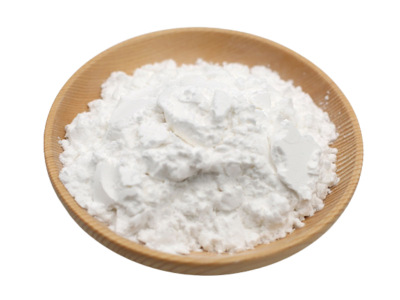
Pea Starch Powder
Pea starch powder is a native starch with high amylose content from non-GMO yellow…
Related Posts


