
Why Safety Questions Come Up
When consumers encounter a sweetener that tastes like sugar but contains virtually no calories, skepticism is a natural response. The modern food landscape is filled with products making bold health claims, and many people have learned to approach new ingredients with caution. Erythritol belongs to a category of compounds called sugar alcohols, a name that can itself trigger confusion — it contains neither sugar nor alcohol in the conventional sense. This misunderstanding has led to reasonable questions about its safety profile.
Adding to the confusion, erythritol is sometimes grouped together with other sugar alcohols like maltitol and sorbitol, which are known to cause digestive discomfort at moderate doses. However, erythritol behaves differently in the human body due to its unique molecular structure and absorption pathway. For a thorough introduction to what erythritol is, how it is produced, and why it has become a leading natural sweetener, our Complete Guide covers the fundamentals in detail.
The safety questions consumers raise are valid and deserve evidence-based answers. Concerns about long-term health effects, metabolic impact, and how erythritol compares to alternatives are all worth addressing directly. This article examines the scientific consensus, addresses recent research headlines, and provides practical guidance for daily use.
The Scientific Consensus on Erythritol Safety
Erythritol has undergone extensive safety evaluation by regulatory bodies around the world. The U.S. Food and Drug Administration (FDA) has classified erythritol as Generally Recognized as Safe (GRAS) since 2001, affirming that qualified experts consider it safe for its intended use in food at current consumption levels. The European Food Safety Authority (EFSA) reached a similar conclusion following its own independent review of the toxicological data. The Joint FAO/WHO Expert Committee on Food Additives (JECFA) evaluated erythritol and established an Acceptable Daily Intake (ADI) of “not specified” — the most favorable safety designation possible, indicating that erythritol poses no known hazard at any expected level of dietary exposure.
These determinations are not based on a single study but on decades of research. The body of evidence includes carcinogenicity studies in multiple animal species, multi-generational reproductive toxicity assessments, developmental toxicology investigations, and long-term feeding trials lasting up to two years. Across all of these investigations — spanning acute, subchronic, and chronic exposure scenarios — no adverse effects linked to erythritol consumption at typical dietary levels have been identified. Regulatory agencies in Japan, Australia, New Zealand, Canada, and dozens of other countries have independently confirmed these findings.
What makes this consensus particularly robust is the consistency across different regulatory frameworks with different evaluation methodologies. Unlike newer sweeteners that may have received approval with comparatively limited data, erythritol’s safety record spans over three decades of continuous scientific scrutiny and real-world use.
Blood Sugar and Insulin: Why Erythritol Is Diabetic-Friendly
One of the most well-documented metabolic properties of erythritol is its complete lack of effect on blood glucose and insulin levels. When consumed, erythritol is rapidly absorbed in the small intestine through passive diffusion and enters the bloodstream. It circulates briefly before being filtered by the kidneys and excreted unchanged in urine — it does not enter normal carbohydrate metabolism pathways at any stage. The result is a glycemic index of zero and no measurable insulin response, confirmed across multiple controlled human studies.
This property makes erythritol particularly valuable for people managing diabetes, prediabetes, or metabolic syndrome. Unlike sugar, which causes rapid blood glucose spikes that demand an insulin response, erythritol provides sweetness without metabolic consequence. Clinical research has repeatedly demonstrated that erythritol consumption does not raise blood sugar or insulin levels in healthy individuals, in those with impaired glucose tolerance, or in people with established type 2 diabetes. A 1994 study published in the European Journal of Clinical Nutrition and subsequent trials have all reinforced this finding.
For individuals following ketogenic or low-carbohydrate diets, erythritol offers a reliable way to enjoy sweet foods while maintaining ketosis and staying within carbohydrate limits. Because erythritol contributes zero net carbs, it does not interfere with the metabolic state that these dietary approaches aim to maintain. Our article on Keto Uses explores how erythritol fits into structured weight management and low-carb eating patterns. The fundamental point is that erythritol supports blood sugar control goals rather than working against them, making it a practical tool for anyone managing carbohydrate intake.
Digestive Tolerance
Digestive tolerance is where erythritol stands apart from other sugar alcohols most clearly. Compounds like sorbitol, maltitol, and isomalt are incompletely absorbed in the small intestine, so a substantial portion reaches the large intestine, where gut bacteria ferment them — producing gas, drawing water into the bowel, and frequently causing bloating, cramping, and diarrhea. Erythritol follows a fundamentally different path through the digestive system.
Approximately 90 percent of ingested erythritol is absorbed in the small intestine through passive diffusion and enters the bloodstream directly. It circulates briefly before being filtered by the kidneys and excreted in urine, largely unchanged. Only about 10 percent of what is consumed reaches the large intestine, and even that small fraction is poorly metabolized by colonic bacteria. This distinctive absorption profile explains why erythritol is significantly better tolerated than other polyols.
Clinical studies on digestive tolerance have found that single doses of up to 0.66 grams per kilogram of body weight are well tolerated by the majority of adults. For a 70-kilogram person, this translates to roughly 46 grams in a single sitting — far more than the amount used in a typical serving of sweetened food or beverage. To put this in context, many other sugar alcohols cause noticeable digestive discomfort at less than half that threshold. Tolerance can be further optimized by spreading intake across the day rather than consuming large single doses.
If you are interested in which food categories commonly contain erythritol and how it performs functionally in different product types, our Industrial Applications article examines its role across baked goods, beverages, confectionery, and dairy products.
Recent Studies and What They Actually Mean
In February 2023, a study published in Nature Medicine reported an association between elevated blood erythritol levels and increased risk of major adverse cardiovascular events, including heart attack and stroke. The study attracted significant media attention and sparked legitimate questions about erythritol safety among consumers and health professionals alike. However, the findings require careful interpretation rather than surface-level conclusions.
The study measured endogenous erythritol — erythritol naturally produced by the body — rather than erythritol consumed through food. Humans produce erythritol endogenously through the pentose phosphate pathway, and elevated circulating levels can be a marker of metabolic dysfunction, oxidative stress, or impaired kidney function. In other words, higher blood erythritol in these subjects likely reflected underlying health conditions rather than sweetener intake from dietary sources.
Critically, the study did not control for dietary erythritol consumption, and the participants were already at elevated cardiovascular risk due to pre-existing conditions. Subsequent analyses by independent researchers have noted that the erythritol levels measured in the study subjects could not realistically be achieved through dietary consumption alone — the quantities required would far exceed any plausible intake level. Following publication, several methodological concerns were raised in letters to the journal, including the potential for reverse causation and confounding by indication.
Regulatory agencies including the FDA and EFSA have reviewed this data alongside the existing body of toxicological and clinical evidence and have not altered their safety determinations. The broader scientific consensus remains that dietary erythritol, consumed in normal amounts, is safe. As with any emerging research, context matters critically, and the Nature Medicine study should be understood within the framework of decades of consistent safety data rather than as an isolated signal.
Erythritol vs. Artificial Sweeteners
When comparing erythritol to synthetic high-intensity sweeteners such as aspartame, sucralose, and saccharin, several differences emerge that are relevant to anyone evaluating long-term safety. Artificial sweeteners are compounds created through chemical synthesis, while erythritol occurs naturally in fruits including pears, melons, and grapes, as well as in fermented foods like soy sauce and wine. Commercial erythritol is produced through natural fermentation of glucose by yeast — a bioprocess similar in principle to how bread rises or beer ferments.
Aspartame has been the subject of persistent controversy regarding potential neurological effects and headache induction in sensitive individuals. Sucralose has raised questions about its thermal stability at high cooking temperatures and its possible effects on the composition of gut microbiota. Saccharin carries a historical association with bladder cancer in rodent studies, and while the relevance to humans has been debated and regulatory bodies consider it safe, the concern lingers in public perception.
Erythritol, by contrast, has no known carcinogenic, genotoxic, or reproductive effects in any species tested. It does not interact with neurotransmitter systems, does not produce potentially harmful metabolic byproducts during digestion, and does not accumulate in body tissues. The molecule passes through the body intact and is eliminated completely. For a detailed head-to-head comparison with another popular natural sweetener, our Comparisons article examines erythritol alongside allulose across taste, functionality, and safety dimensions.
What distinguishes erythritol from the artificial category is not just its safety record but its origin. For consumers who prioritize minimally processed ingredients with a long history of safe use, erythritol offers a profile that synthetic sweeteners — however thoroughly tested — cannot match in terms of natural provenance.
Oral Health Benefits
Erythritol’s safety profile extends beyond metabolic considerations to significant oral health advantages. Unlike sugar, which feeds cavity-causing bacteria such as Streptococcus mutans, erythritol is non-cariogenic — it does not contribute to tooth decay. Research has progressed beyond simply documenting its neutrality and has demonstrated that erythritol may actively reduce dental plaque accumulation and suppress the growth and adhesion of S. mutans, the primary bacterial species responsible for dental caries.
Multiple clinical trials have compared erythritol to xylitol, long considered the gold standard among tooth-friendly sweeteners, and found that erythritol performed equally well or better in reducing plaque and oral bacterial counts. A 2016 randomized controlled trial published in the International Journal of Dentistry found that erythritol-containing lozenges reduced plaque more effectively than xylitol-sweetened alternatives over a six-month period. These properties have led to erythritol’s incorporation into sugar-free chewing gums, mints, toothpaste formulations, and professional oral care products.
For anyone concerned about dental health while still wanting to enjoy sweet foods and beverages, erythritol provides a practical option that supports rather than undermines oral hygiene. The dual benefit of zero-calorie sweetness and cavity prevention sets it apart from both sugar and many alternative sweeteners.
Special Populations
Erythritol’s safety profile extends across diverse demographic groups with distinct nutritional considerations. For pregnant and breastfeeding women, erythritol is considered safe when consumed in typical dietary amounts. Reproductive toxicity studies in animals at doses far exceeding normal human intake have found no adverse effects on fertility, fetal development, or postnatal outcomes. As with any food ingredient, pregnant women should discuss significant dietary changes with their healthcare provider rather than relying solely on general guidance.
For children, erythritol offers a practical way to reduce sugar intake without eliminating sweetness from foods — a meaningful benefit given rising rates of childhood obesity and dental caries worldwide. The non-cariogenic property is particularly relevant for pediatric dental health, where early sugar exposure contributes to lifelong patterns of oral disease. Parents should introduce erythritol-containing foods gradually and monitor individual tolerance, as children’s smaller body mass means digestive thresholds are reached more quickly than in adults. Starting with small amounts in familiar foods is a prudent approach.
Athletes and physically active individuals can use erythritol as a sweetener without affecting insulin dynamics, glycogen storage, or metabolic signaling relevant to performance and recovery. Because the molecule does not enter energy metabolism pathways, it offers sweetness without any impact on fuel utilization or hydration status. This makes erythritol compatible with sports nutrition formulations, electrolyte beverages, and protein supplements designed for pre- and post-exercise use.
Practical Safety Guidelines for Daily Use
Incorporating erythritol into a daily routine is straightforward when practical considerations are kept in mind. Start with small amounts and increase gradually over several days to assess individual digestive tolerance. While erythritol’s gastrointestinal tolerance is measurably superior to other sugar alcohols, individual sensitivity varies. Spreading intake across multiple meals and snacks — rather than consuming a large amount in a single serving — can minimize any potential digestive effect.
When selecting erythritol products, choose those that are certified organic and free from additives, bulking agents, and synthetic processing aids. High-purity erythritol with consistent granulation and clean flavor profile produces the best results in both home use and commercial formulations. For consumers looking for a reliable product, Organic Erythritol Powder offers a clean-tasting sweetener suitable for beverages, baking, cooking, and everyday sweetening needs.
For food manufacturers, product developers, and businesses evaluating erythritol as a formulation ingredient, quality and sourcing consistency are critical factors. Our Sourcing Guide covers what to look for in a supplier, including purity specifications, organic certification standards, granulation options, and supply chain reliability factors that affect product quality and consistency.
The evidence-based approach to erythritol use aligns with general principles of sound nutrition: moderation, attention to individual response, and selecting high-quality ingredients from transparent, trusted sources. The weight of scientific evidence spanning decades supports erythritol as one of the safest and best-tolerated sweeteners available. For further information about incorporating erythritol into your products or daily routine, Contact Us for guidance from our team.
Recommended Products
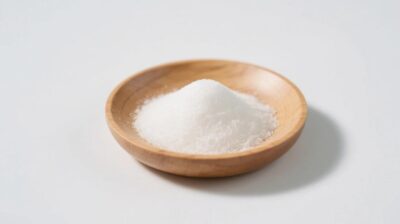
Organic Erythritol Powder
Organic erythritol powder is a certified-organic sugar alcohol produced by fermenting organic glucose, delivering…
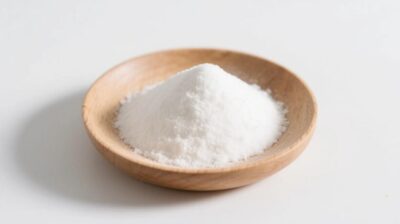
Isomaltitol Powder
Isomaltitol powder is a sugar alcohol from sucrose with a clean sugar-like taste and…


