
Gluten-free products are no longer a niche market—they are mainstream choices for health-conscious consumers. One challenge in gluten-free baking and cooking is achieving the right texture, elasticity, and stability without wheat-based starches. Organic pea starch, also referred to as organic Pisum sativum starch or pea-derived organic starch, offers a natural and effective solution.
Why Consider Organic Pea Starch for Gluten-Free Recipes?
Organic pea starch is derived from organic peas, typically yellow or green varieties, and provides a plant-based, non-GMO, and allergen-friendly alternative to traditional starches such as corn, potato, or tapioca starch. Its functional properties make it particularly suitable for gluten-free breads, pastries, pasta, and snacks.
Gluten-free baking is a structural problem before it is a flavour problem. Wheat brings gluten, but it also brings a starch fraction that gelatinises at the right moment and a fibre network that holds water, and both jobs still need doing without it. Pea starch supplies structure and moisture retention at once, which is why it appears in so many blends alongside rice flour and hydrocolloids. Our note on how organic pea starch powder works in gluten-free baking covers the same mechanism from a kitchen angle.
Benefits of Replacing Traditional Starches with Organic Pea Starch
- Improved Texture and Elasticity
Organic pea starch mimics the binding and thickening properties of wheat starch, providing softness, chewiness, and structure in gluten-free baked goods. - Enhanced Moisture Retention
Products made with organic pea starch maintain better moisture, preventing dryness and crumbly textures often associated with gluten-free recipes. - Natural Thickening and Gelling
Acting as a binder and stabilizer, organic pea starch helps maintain shape, consistency, and product integrity in various applications. - Allergen-Friendly and Clean Label
With growing consumer demand for clean label and allergen-free foods, organic pea starch supports transparency and natural ingredient claims. - Versatile Applications
Beyond baking, organic pea starch can be used in sauces, soups, dairy alternatives, and plant-based meat products, offering a broad range of recipe possibilities. - Better Freeze-Thaw Behaviour
Par-baked and frozen gluten-free goods hold more of their moisture when pea starch is part of the blend, so the crumb survives a thaw and a second bake-off. - A Shorter Ingredient Statement
Because pea starch thickens, binds and holds water, it can replace part of a multi-starch system and reduce the number of gums a recipe depends on.
How to Swap Traditional Starches for Organic Pea Starch
Substitution is rarely one-for-one, because starches differ in how much water they absorb and how firmly they gel. As a starting point, replace corn starch at roughly 1:1 by weight, potato starch at about 0.8:1 since it thickens more aggressively, and tapioca starch at 1:1 where freeze-thaw tolerance matters most. In a gluten-free flour blend, pea starch usually accounts for 10–20% of the total flour weight; the comparison in how organic potato starch powder improves gluten-free baking quality is useful if you are deciding whether to keep a tuber starch.
Treat those numbers as trial starting points rather than rules. Water absorption drives batter consistency, so the liquid level usually needs a small adjustment: add water in 2–3% increments until the batter drops from a spoon at the same rate as the control.
Fixing Texture, Moisture and Crumb
Gluten-free crumb fails in three recognisable ways: dry and sandy, gummy in the centre, or collapsed after cooling. Dryness usually means the starch is not holding water, gummines usually means too much hydrocolloid or a starch gel worked too hard, and collapse usually means the structure set before the crumb finished baking.
Pea starch addresses the first and helps with the third. Its granules bind water during heating and release it slowly, so the crumb stays moist, and its gel is short rather than stringy, so it avoids the rubbery chew some alternative starches bring. Other pulse starches behave differently in the same role, as the notes on organic mung bean starch in gluten-free baking show.
For a sandwich loaf, a workable starting blend is 40–50% brown rice flour, 20–30% white rice flour, 10–20% pea starch and about 10% of a finer starch such as corn or tapioca, with enough water for a soft, spoonable dough. Bake it fully, because an under-baked loaf is the usual cause of a gummy middle.
How to Use Organic Pea Starch in Gluten-Free Formulations
Organic pea starch can be incorporated in powdered, pre-gelatinized, or instant forms, allowing for easy adaptation to baking mixes, doughs, batters, and ready-to-eat products. Its multifunctionality makes it a reliable substitute for traditional starches while enhancing product quality and consumer appeal.
At home, use pea starch as you would corn starch: whisk it into a cold liquid before it meets a hot pan, then simmer until the mixture thickens and clears. Roughly one tablespoon thickens a cup of liquid to a light sauce, and two will set a pie filling. In baking, weigh the starch rather than measuring by volume.
Rebuilding Gluten-Free Baking Around Pea Starch
Replacing traditional starches with organic pea starch in gluten-free recipes is a smart, natural, and functional choice. It not only improves texture, moisture, and stability but also aligns with clean label and plant-based trends, helping food manufacturers create high-quality, allergen-friendly products.
Try our premium organic pea starch in your next gluten-free bake and compare the crumb and moisture against your current blend.
About Our Organic Pea Starch
BIOSTARCH supplies organic pea starch milled from non-GMO yellow peas in certified organic chains, packed in 25 kg bags and bulk totes. Pre-gelatinized and instant grades suit cold-process and ready-to-mix applications, and every lot ships with a certificate of analysis, specification sheet and organic certificate. It is used in gluten-free bread and pastry blends, pasta, batters and sauces where structure and moisture retention matter.
Recommended Products
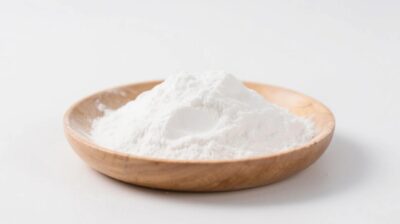
Organic Potato Starch Powder
Organic potato starch powder is a certified-organic native starch from non-GMO potatoes. With high…
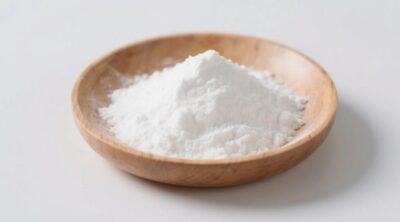
Mung Bean Starch
Mung bean starch is a native starch with high amylose content and exceptional gel…

Pea Starch Powder
Pea starch powder is a native starch with high amylose content from non-GMO yellow…
Related Posts


