
Choosing the right carbohydrate ingredient for your formulation is not always straightforward. The white powder landscape is crowded with options that look similar but perform differently in application, carry distinct nutritional profiles, and appeal to different consumer segments. Understanding these differences can save costly reformulation and help you make confident sourcing decisions.
This article walks through the key comparisons between organic maltodextrin and its closest alternatives, explains the DE value system that governs functionality, and provides a practical framework for selecting the right ingredient. We also examine market trends shaping the organic maltodextrin segment and the broader carbohydrate ingredient industry.
For foundational context on what maltodextrin is and how it functions, refer to our complete guide to organic maltodextrin.
Organic Maltodextrin vs Conventional Maltodextrin
The distinction between organic and conventional maltodextrin runs deeper than a certification logo on the packaging. Six key differences matter for both formulation and marketing.
Source material. Organic maltodextrin is produced from certified organic starch sources, most commonly organic corn or organic tapioca. Conventional maltodextrin is typically derived from commodity corn, which in major producing regions has a high probability of being genetically modified. For brands building a Non-GMO or organic product line, source material is the foundational differentiator.
Processing aids and methods. Both organic and conventional maltodextrin are produced through enzymatic hydrolysis of starch. The difference lies in permitted processing aids. Organic standards restrict the use of synthetic processing aids and solvents that may appear in conventional production. While the enzymatic process is fundamentally similar, organic-compliant production narrows the list of acceptable inputs.
Pesticide residues. Conventional corn is a heavily sprayed crop. Even after processing, the clean-label risk of pesticide residues remains a consumer concern, particularly in baby food and sports nutrition categories. Organic certification requires farming without synthetic pesticides, reducing this risk at the source.
Non-GMO assurance. Conventional maltodextrin does not require GMO disclosure in most markets. Organic certification inherently provides Non-GMO assurance, an increasingly important attribute as consumer awareness of GMO ingredients grows globally.
Cost premium. Organic maltodextrin typically carries a 20-40% price premium over conventional equivalents. This premium reflects higher raw material costs, lower yields per acre, and the added expense of certification and segregated supply chains. Whether the premium is justified depends on the product positioning: for a premium organic sports drink, the organic credential is likely central to the value proposition; for a cost-driven industrial application, conventional may be the pragmatic choice.
Label appeal. The word “organic” on an ingredient panel signals quality to a growing segment of consumers, particularly in North America and Western Europe. Even in products that are not themselves certified organic, choosing organic ingredients can support clean-label narratives and simplify marketing claims.
Maltodextrin vs Resistant Dextrin: A Critical Distinction
This is the comparison that causes the most confusion in the industry. Maltodextrin and resistant dextrin share part of a name, and both are white, neutral-tasting powders derived from starch. But they are fundamentally different ingredients with different physiological effects and application purposes.
Chemical and nutritional difference. Maltodextrin is a digestible carbohydrate with a dextrose equivalent (DE) typically between 3 and 20. It provides approximately 4 calories per gram, is rapidly digested, and has a high glycemic index. Resistant dextrin is a soluble dietary fiber produced through additional processing steps that restructure the starch molecules to resist digestion. It has a DE below 5, provides approximately 2 calories per gram, and has a low glycemic index.
Physiological function. Maltodextrin serves as an energy source. It is absorbed in the small intestine and raises blood glucose, which is precisely why it appears in sports gels, recovery drinks, and clinical nutrition products. Resistant dextrin behaves as a prebiotic fiber, passing through the small intestine largely undigested and fermenting in the colon, where it supports beneficial gut bacteria.
Application divide. Maltodextrin is chosen for energy delivery, powder carrier function, texture building, and encapsulation. Resistant dextrin is chosen for fiber enrichment, prebiotic claims, glycemic response reduction, and calorie dilution. These are different jobs. A sports drink formulator wants maltodextrin for rapid carbohydrate delivery; a fiber-enriched bread formulator wants resistant dextrin for the fiber claim. Confusing the two leads to products that do not perform as intended.
Labeling distinction. Maltodextrin is declared as a carbohydrate on nutrition facts panels, contributing to total and added sugars counts depending on regional regulations. Resistant dextrin is declared as dietary fiber in most jurisdictions, supporting fiber content claims and reducing net carbohydrate calculations.
Maltodextrin vs Glucose Syrup
Maltodextrin and glucose syrup come from the same family, produced through the same fundamental process of starch hydrolysis. The difference is a matter of degree — literally, the degree of hydrolysis.
DE value separates them. Maltodextrin occupies the DE 3-20 range, producing a powder with low to moderate sweetness. Glucose syrup picks up where maltodextrin leaves off, with DE values typically above 20, extending up to glucose syrup with higher sweetness and lower viscosity at equivalent concentrations.
Physical form. Maltodextrin at standard commercial DE ranges is a dry powder, which makes it suitable for dry blending, tableting, and powder-based formulations. Glucose syrup is, as the name suggests, a viscous liquid. Liquid handling requires different equipment, storage, and logistics compared to powder handling.
Sweetness gradient. As DE increases, sweetness increases and viscosity decreases. A DE 10 maltodextrin has barely perceptible sweetness, making it ideal for applications where a neutral carrier is needed. Glucose syrup at DE 40-60 is noticeably sweet, though still less sweet than sucrose on a weight basis.
Application guidance. Dry blends, instant beverage powders, encapsulation, and seasoning carriers favor maltodextrin in powder form. Liquid systems, confectionery, and applications where the water content of syrup is not a formulation problem favor glucose syrup. Some formulators use both: maltodextrin in the dry mix and glucose syrup in the liquid component of the same product line.
Maltodextrin vs Tapioca Syrup Solids
Tapioca syrup solids deserve their own comparison because they occupy a middle ground in the carbohydrate ingredient spectrum.
What tapioca syrup solids are. Tapioca syrup solids are produced by drying tapioca-based glucose syrup, typically resulting in a powder with a DE in the 20-40 range. They are essentially the dried form of tapioca glucose syrup.
Sweetness and dissolution. Tapioca syrup solids carry more sweetness than maltodextrin due to their higher DE, and they dissolve more quickly in water. This makes them useful when a moderate sweetness level is desired in powder form, such as in instant beverages where some sweetness is a feature rather than a drawback.
When maltodextrin is the better choice. Maltodextrin is preferred when a neutral taste profile matters, when very low sweetness is essential to the final product, or when the primary function is carrier, bulking, or encapsulation rather than sweetening. In an organic seasoning blend, for example, maltodextrin provides body and helps disperse flavors without adding sweetness, whereas tapioca syrup solids would introduce unwanted sweetness.
Both can be organic and tapioca-based. It is worth noting that both maltodextrin and tapioca syrup solids can be manufactured from organic tapioca. A brand committed to tapioca-sourced ingredients and organic certification can use either, choosing based on the functional requirements of each individual product.
DE Value Reference Table
Dextrose equivalent is the master key for understanding the carbohydrate ingredient family. The DE scale runs from 0 (pure starch) to 100 (pure dextrose), and functional properties shift predictably along this gradient.
| DE Range | Ingredient Type | Typical Properties | Common Applications |
|---|---|---|---|
| DE 3-7 | Low-DE maltodextrin | Minimal sweetness, high molecular weight, good film-forming, slower dissolution | Encapsulation, spray-dried flavors, fat replacers, edible films |
| DE 10-15 | Medium-DE maltodextrin | Very low sweetness, moderate solubility, good bulking, neutral taste | Dry beverage mixes, seasoning carriers, infant formula, sports nutrition powders |
| DE 15-20 | High-DE maltodextrin | Slight sweetness, faster dissolution, reduced viscosity in solution, slight hygroscopicity | Instant beverages, confectionery coatings, binder in granulation |
| DE 20-40 | Glucose syrup / Tapioca syrup solids | Moderate sweetness, good solubility, syrup or dried powder form | Bakery, confectionery, sauces, some beverage applications |
| DE 40+ | Higher-DE glucose syrups | Noticeable sweetness, high solubility, browning contribution | Confectionery, brewing, caramel color production |
The transition at DE 20 marks the boundary between maltodextrin territory and glucose syrup territory. Most commercial maltodextrin products fall in the DE 10-15 range, which offers the best balance of neutral taste, powder handling, and functional versatility for the widest range of applications.
Market Trends and Growth Drivers
The global maltodextrin market is estimated at approximately $3-4 billion as of recent reporting, with a compound annual growth rate of 5-7%. Within this broader picture, the organic maltodextrin segment is growing faster, at an estimated 8-10% annually.
Clean-label momentum. The single largest driver of organic maltodextrin growth is the clean-label movement. Consumers increasingly read ingredient panels, and brands are responding by upgrading ingredient decks. Organic maltodextrin serves as a recognizable, plant-derived carbohydrate that fits clean-label positioning better than synthetic carriers or highly processed alternatives.
Organic infant formula expansion. Organic infant formula is one of the fastest-growing subcategories in pediatric nutrition, particularly in China and other Asian markets where premium imported organic formula commands high prices. Maltodextrin is a standard carbohydrate source in many infant formula recipes, and the organic segment requires organic maltodextrin. This single application is a major demand driver.
Sports nutrition broadening. The sports nutrition category has expanded beyond bodybuilders to include everyday athletes, recreational runners, and general wellness consumers. Organic sports nutrition products are a growing sub-niche, and maltodextrin’s role as a rapid-energy carbohydrate source in gels, powders, and ready-to-drink formats ensures steady demand.
Plant-based food sector growth. Plant-based foods often require carbohydrate-based texturizers, bulking agents, and carriers that are themselves plant-derived. Organic tapioca-based maltodextrin fits this requirement cleanly and benefits from the broader growth of plant-based eating.
Tapioca as the rising starch source. Tapioca-based organic maltodextrin is gaining share relative to corn-based maltodextrin. Tapioca carries built-in Non-GMO status, has a neutral flavor profile, avoids corn allergen concerns, and benefits from growing consumer preference for non-corn ingredients. Southeast Asia, particularly Thailand, is the dominant production region.
Regional dynamics. Asia-Pacific leads global maltodextrin production, with Thailand, China, and Vietnam as major manufacturing hubs for both conventional and organic grades. North America and Western Europe are the leading consumption markets, driven by mature organic food sectors and high consumer awareness. Import flows from Asian production centers to Western consumer markets define the supply chain geography.
Application Decision Framework
When evaluating maltodextrin against alternatives, the decision usually comes down to answering a few functional questions. The table below provides a quick reference.
| Need | Best Choice | Why |
|---|---|---|
| Powder form for dry blending | Maltodextrin (DE 10-15) | Powder format, free-flowing, compatible with dry mix systems |
| Rapid energy for sports nutrition | Maltodextrin (DE 10-20) | Fast-digesting carbohydrate, high GI, ~4 cal/g energy delivery |
| Carrier for flavors, colors, or nutrients | Maltodextrin (DE 3-15) | Excellent encapsulation, film-forming at lower DE, adsorbs liquids to powder |
| Clean label, Non-GMO assurance | Organic tapioca maltodextrin | Certified organic, inherently Non-GMO, tapioca avoids corn concerns |
| Neutral taste, no added sweetness | Maltodextrin (DE 3-15) | Very low sweetness compared to glucose syrup or tapioca syrup solids |
| Fiber enrichment, prebiotic claim | Resistant dextrin, not maltodextrin | Soluble fiber, low calorie, prebiotic function |
| Liquid system, moderate sweetness | Glucose syrup (DE 20-40) | Liquid handling, sweetness contribution, reduced viscosity |
| Tapioca-based, moderate sweetness powder | Tapioca syrup solids (DE 20-40) | Dried tapioca glucose syrup, faster dissolution than maltodextrin |
The decision can be simplified to three questions. First, what is the primary function — energy, carrier, fiber, or sweetness? Second, what physical form does the manufacturing process require — powder or liquid? Third, what label claims does the final product need to support — organic, Non-GMO, clean-label, or fiber content? Answering these three questions narrows the field to one or two viable options in most cases.
Environmental Considerations
Sustainability is becoming a factor in ingredient sourcing decisions, and the carbohydrate ingredient category is no exception.
Organic farming benefits. Organic starch production eliminates synthetic pesticide and fertilizer use at the agricultural stage. This has documented benefits for soil health, biodiversity, and water quality in farming regions. For brands with explicit sustainability commitments, sourcing organic maltodextrin aligns the ingredient supply chain with corporate environmental goals.
Tapioca as a sustainable crop. Tapioca (cassava) is a drought-tolerant, relatively low-input crop that grows well on marginal soils where other starches struggle. Compared to corn, tapioca requires fewer agricultural inputs per ton of starch produced. In regions like Thailand, tapioca is often grown by smallholder farmers, and organic certification programs can provide premium pricing that supports rural livelihoods.
Carbon footprint comparison. Carbon footprint varies by starch source, farming practice, and processing energy mix. Organic farming’s prohibition on synthetic nitrogen fertilizer — a significant source of agricultural greenhouse gas emissions — can reduce the carbon footprint of organic starch relative to conventional production. However, transport distance from tropical production regions to Western markets adds emissions that must be factored into any full lifecycle assessment.
Consumer demand for sustainable sourcing. Surveys consistently show that a growing share of consumers, particularly younger demographics, factor environmental considerations into purchasing decisions. An ingredient panel that includes organic tapioca maltodextrin communicates both organic certification and a plant-based source, supporting sustainability narratives without requiring separate environmental claims.
Making a Confident Ingredient Choice
The carbohydrate ingredient landscape offers more options than ever, and the distinctions between maltodextrin, resistant dextrin, glucose syrup, and tapioca syrup solids matter for formulation performance, nutritional positioning, and consumer perception.
Organic maltodextrin occupies a specific and valuable place in this landscape. It delivers the functional benefits of conventional maltodextrin — powder format, neutral taste, rapid energy, carrier capability — while adding organic certification, Non-GMO assurance, and clean-label alignment. For brands building premium organic products, the 20-40% cost premium is an investment in the label credentials that justify the product’s market position.
When you need an organic maltodextrin powder that performs as a carrier, energy source, or texture builder while supporting organic and clean-label claims, BIOSTARCH provides organic tapioca maltodextrin in DE grades matched to your application requirements.
If you are thinking about the nutritional positioning of maltodextrin in your product, our article on health and safety considerations provides a deeper look at the nutrition science and labeling questions that formulators face.
Recommended Products

Organic Maltodextrin Powder
Organic maltodextrin powder is a certified-organic carbohydrate (DE 10-20) from non-GMO corn or tapioca…
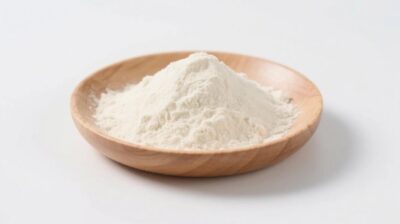
Organic Resistant Dextrin
Organic resistant dextrin is a certified-organic soluble dietary fiber (≥90% dry basis) from non-GMO…
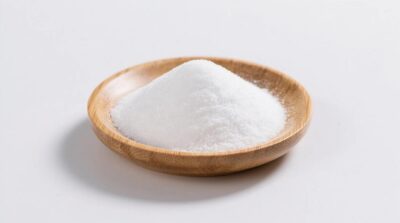
Polydextrose Powder
Polydextrose powder is a non-GMO soluble fiber with ≥90% total dietary fiber (dry basis)…


